Hello, My Dolly Girlfriend

Hello, My Dolly Girlfriend

Year: 2013

Runtime: 112 mins

Language: Japanese

Director: Takashi Ishii

RomanceDrama

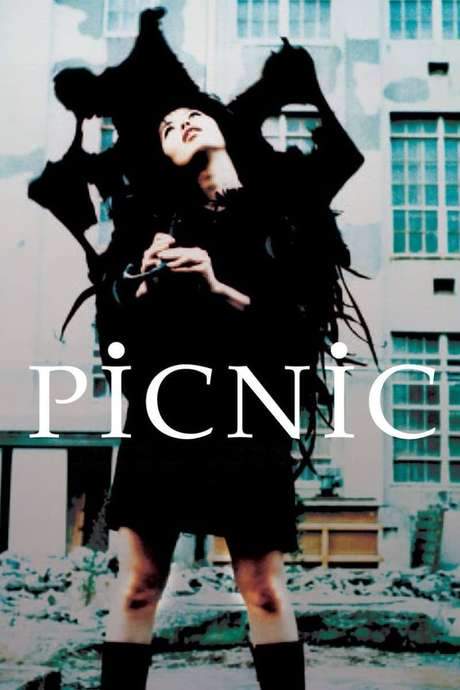
After losing his job, a solitary young man finds unexpected companionship when he's rescued from a crumbling building by a mysterious girl wearing a sailor suit. Upon waking, he discovers she has transformed into a figure, and they unexpectedly begin living together, navigating a peculiar and heartwarming situation.

Warning: spoilers below!

Haven’t seen Hello, My Dolly Girlfriend yet? This summary contains major spoilers. Bookmark the page, watch the movie, and come back for the full breakdown. If you're ready, scroll on and relive the story!

Hello, My Dolly Girlfriend (2013) – Full Plot Summary & Ending Explained

Read the complete plot breakdown of Hello, My Dolly Girlfriend (2013), including all key story events, major twists, and the ending explained in detail. Discover what really happened, and what it all means.

Kentaro, Tasuku Emoto, is an introverted office worker who becomes the target of a brutal corporate scapegoating when his company suffers a massive revenue loss. After being fired, he endures a fresh round of humiliation when the woman he secretly admires at work publicly shames him for his supposed failures. In a haze of sorrow, he seeks solace at a strip bar, where he mutters complaints and spirals into a drunken outburst that nearly harms a performer, earning him a final eviction.

As his world tightens around him, a confrontation with a rough, masculine woman and her girlfriend escalates into violence. A chance bump leads to a brutal moment: he strikes the butch and shoves her into broken glass, drawing blood, and he escapes to a nearby building’s fourth floor. There, the butch, fueled by pride and anger, relentlessly pursues him despite her companion’s protests. Inside, he encounters a remarkable sight—a mannequin dressed in a sailor suit that feels astonishingly real, from its skin’s softness to its lifelike features. In a torrent of repressed longing, Kentaro stages a rape fantasy with the doll, a scene that unfolds with unsettling intensity.

The moment doesn’t stay private for long. The butch and her girlfriend discover this unsettling scene, igniting a fresh round of violence. A three-on-the-run encounter with thugs fleeing the yakuza erupts, and the room becomes a battleground. The butch is wounded by gunfire, and two of the attackers turn their fury toward the butch’s girlfriend, intending to violate her. Kentaro hides beneath a bed, trying to stay out of sight while the chaos swirls around him. When the butch reappears, she is shot again, and the thugs drag him out to finish him off. In a shocking turn, the mannequin Kentaro had assaulted appears to come alive, saving him and turning the tide by killing the attackers. Overwhelmed, Kentaro faints and sinks into a troubled sleep.

The next morning, he awakes to find the mannequin now wearing a fresh set of clothes beside him. He realizes the night’s events may have been a dream or a hallucination, yet something about the experience lingers. In an impulse born of both longing and fear, he brings the figure home and names her Kokone, Kokone Sasaki. What follows is a fragile, fragile bond that grows through Kentaro’s loneliness. He talks about his daily life, his disappointments, and the quiet ache that accompanies his isolation. Kokone’s presence begins to fracture the boundary between what feels human and what remains a prop, as she sometimes speaks and moves, and other times stays motionless. This fluctuating behavior fuels Kentaro’s inner conflict, and a troubling fantasy about the doll resurfaces, stirring his sense of desire and control.

With work prospects failing and the weight of his reputation still clinging to him, Kentaro borrows money from loan sharks and sinks deeper into gambling. The losses mount, and the thought of suicide crosses his mind. In a dramatic twist, Kokone intervenes once again, saving him at a moment when despair seems overpowering. Her intervention rekindles a stubborn resolve in him, and he redoubles his efforts, eventually triumphing at mahjong through a string of near-miraculous plays, including a legendary “nine gates” victory that feels almost fated.

Ecstatic over the win, he hurries home to share the news with Kokone, only to discover that she has vanished. His relief shifts to curiosity when he hears a voice—Kokone’s singing—on the rooftop. He climbs to find her dressed in a wedding gown, playing a piano, and the moment swells into a vivid fantasy where he marries Kokone and the dead figures from his nightmarish experiences—the butch, her girlfriend, and the three thugs—come back to life to celebrate with him. But the dazzling illusion is interrupted by a stark flash of reality as he heads home after the celebration, hitching memory to a broader question: a woman who looks exactly like Kokone crosses his path on a street, and he rushes to protect them from an oncoming truck.

The sequence drives Kentaro into a psychological tunnel, with the sense of danger giving way to a harsher truth. When he returns to Kokone’s place, he discovers a damaged mannequin, devoid of hair and with tear-filled eyes, a stark sign that the entire rooftop wedding, the dreamlike reunion, and the cascade of miracles were manifestations of his own psyche. The film closes on that jarring revelation: the entire experience has been Kentaro’s fantasy, a product of his desperate longing to reclaim meaning, love, and a sense of control over a life that has felt chaotic and dehumanizing.

In the end, what remains is a quiet, unsettling meditation on loneliness, desire, and the fragility of perception. The film leaves Kentaro standing at the edge of reality and dream, where the line between human connection and a lifelike doll blurs, and where even a fantastical resolve may be nothing more than a coping mechanism for a man who has experienced far too much at the edge of his own world.

Last updated: October 03, 2025 at 06:48

Was this helpful?

Hello, My Dolly Girlfriend (2013) Plot Questions Answered – Summary FAQ

Explore frequently asked questions about Hello, My Dolly Girlfriend (2013) with spoiler-rich answers covering the full plot summary, major story beats, character motivations, hidden details, and ending meaning. This movie summary FAQ helps explain confusing scenes, plot twists, and narrative decisions in clear, searchable detail.

Q1

Why does Kentaro become obsessed with the mannequin?

A.

Kentaro becomes obsessed with the mannequin because he is utterly isolated after losing his job, being publicly humiliated, and being rejected by everyone around him. The mannequin represents both his desperate longing for human connection and his desire for control over something that cannot reject him. His attraction to the sailor-suited figure combines his loneliness with his suppressed desires, creating a psychological anchor that prevents him from completely breaking down.

The mannequin appears in the fourth-floor room immediately after Kentaro has experienced a series of humiliations and violent confrontations, making it a projection of his desperate mental state.

kentaromannequinobsessionlonelinessisolation
Q2

Is the mannequin actually alive in the film?

A.

No, the mannequin is never actually alive. The film reveals at the end that Kokone was always just a mannequin, and all instances of her moving, speaking, and saving Kentaro were manifestations of his broken psychological state. The final scene shows the damaged, hairless mannequin with tear-filled eyes, confirming that the entire relationship existed only in Kentaro's mind as a coping mechanism.

Early scenes already show Kokone's inconsistent behavior, sometimes speaking and moving, sometimes remaining completely motionless, establishing the ambiguity that later resolves into tragedy.

kokonemannequinalivefantasyreality
Q3

What triggers Kentaro's mental breakdown?

A.

Kentaro's breakdown is triggered by a cascade of failures: being scapegoated and fired from his job, publicly shamed by the woman he admires, evicted from the strip bar, and involved in a violent street confrontation. These sequential humiliations and traumas push him into a dissociative state where he creates an imaginary companion to survive his otherwise unbearable reality.

The rapid progression from corporate firing to street violence to finding the mannequin shows his psychological deterioration accelerating with each event.

kentarobreakdownhumiliationtraumapsychological
Q4

Does Kokone really save Kentaro from the thugs?

A.

No, Kokone does not actually save Kentaro from the thugs. The scene where the mannequin appears to come alive and kill the attackers is revealed to be part of Kentaro's hallucination or fantasy. This event, like all of Kokone's active interventions throughout the film, is a product of his desperate psyche creating a saviour figure to cope with his powerlessness.

The mannequin saving him occurs immediately after he passes out from overwhelming fear, signaling the event likely exists only in his mind.

kokonethugsattacksavehallucination
Q5

Why does Kentaro name the mannequin Kokone?

A.

Kentaro names the mannequin Kokone, using the actress name Kokone Sasaki, as a way to personalize and humanize the figure. Naming it transforms the mannequin from an object into a companion, allowing Kentaro to pretend he has a real relationship and giving him someone to confide in during his isolation.

This naming occurs right after he wakes up beside the mannequin and wonders whether the previous night's events were real or a dream.

kentarokokonenamemannequin
Q6

What is the meaning of the rooftop wedding scene?

A.

The rooftop wedding scene is Kentaro's fantasy of achieving the love, celebration, and connection he desperately craves but has never experienced. The presence of the dead figures, the butch, her girlfriend, and the thugs, suggests this is a wish-fulfillment fantasy where even death cannot prevent his happiness. The scene represents his mind's attempt to create a happy ending despite his circumstances.

The wedding follows his miraculous mahjong win, his highest point of unexpected success, making it a psychological peak where his desires manifest fully.

weddingrooftopfantasycelebrationdreams
Q7

Is the entire story just a hallucination?

A.

Yes, the film reveals that almost the entire relationship with Kokone was a hallucination or psychological coping mechanism. The ending confirms this by showing the damaged mannequin with no hair and tear-filled eyes, indicating Kentaro has been alone throughout. The only definitively real events are the early humiliation, the street violence, and his finding the mannequin, the rest is his mind's creation to survive.

The film consistently blurs reality throughout, with Kokone sometimes moving and speaking and other times remaining completely still, creating doubt about what is real.

hallucinationfantasyrealityendingtwist
Q8

Why do the dead people come back to celebrate the wedding?

A.

The dead people return because this is Kentaro's fantasy, not reality. In his mind, he wants a celebration where everyone, including those who died, comes together for his happiness. This reflects his deep desire for connection and acceptance, even reaching across death to bring together everyone he has encountered, whether they were hostile or not.

The butch and her girlfriend pursued Kentaro violently, and the thugs attacked him, yet they appear peacefully celebrating, showing this is clearly a wish-fulfillment construct.

deadweddingfantasycelebrationsubconscious
Q9

What does the mannequin with tears at the end mean?

A.

The mannequin with tears at the end represents the stark reality of Kentaro's situation, the hopeful, responsive Kokone he imagined was never real. The tears suggest either Kentaro projecting his own emotional state onto the object or his mind briefly acknowledging the tragedy of his isolation. This image confirms that his entire relationship was a coping mechanism for his extreme loneliness.

The shift from the joyous wedding fantasy directly to this cold, damaged mannequin mirrors the abrupt transition from his hopeful fantasy back to harsh reality.

mannequintearsendingrealitydamage
Mobile App Preview

Coming soon on iOS and Android

The Plot Explained Mobile App

From blockbusters to hidden gems - dive into movie stories anytime, anywhere. Save your favorites, discover plots faster, and never miss a twist again.

Sign up to be the first to know when we launch. Your email stays private, always.

Explore Movie Threads

Discover curated groups of movies connected by mood, themes, and story style. Browse collections built around emotion, atmosphere, and narrative focus to easily find films that match what you feel like watching right now.

Movies about fractured psyches and fantasy escapes like Hello, My Dolly Girlfriend

Stories where trauma and isolation blur reality with a desperate need for connection.Find movies like Hello, My Dolly Girlfriend where characters invent fantasies to escape trauma. These psychological dramas share a dark tone, complex narratives, and a heavy emotional weight, exploring the fine line between coping mechanism and complete mental collapse.

unsettlingdreamlikepsychologicalatmosphericoppressivemelancholicanxious

Narrative Summary

These stories follow a character undergoing a severe mental breakdown, often triggered by trauma, loss, or extreme loneliness. They retreat into a self-constructed fantasy world—a relationship, a persona, or a scenario—that provides solace but increasingly distorts their perception of reality. The plot revolves around the tension between this comforting delusion and the harsh truths it seeks to掩盖, usually culminating in a collapse of the fantasy.

Why These Movies?

Movies are grouped here based on their central theme of escapism through psychological delusion. They share a dark, melancholic tone, a high emotional intensity, and a complex narrative structure that forces viewers to question what is real. The pacing is often variable, shifting between quiet moments of delusional comfort and violent outbursts of underlying reality.

Unsettling atmospheric movies about loneliness like Hello, My Dolly Girlfriend

Unsettling and melancholic stories steeped in the crushing weight of solitude.If you liked the heavy, lonely atmosphere of Hello, My Dolly Girlfriend, explore these films. They share a melancholic and oppressive mood, focusing on characters in states of deep isolation within unsettling worlds, creating a consistent feeling of anxiety and dread.

lonelyatmosphericoppressivemelancholicanxiousunsettlingclaustrophobic

Narrative Summary

The narrative pattern is less about a specific plot and more about an immersive emotional journey. The story unfolds within a world that feels inherently lonely or threatening, often with slow, deliberate pacing that allows the atmosphere to sink in. The protagonist's isolation is the central conflict, and the plot developments serve to intensify this feeling, leading to a climax that reinforces their alienation or despair.

Why These Movies?

These films are connected by their overpowering mood and thematic focus. They prioritize creating a specific, consistent feeling of unease, loneliness, and melancholy above all else. The shared elements include a heavy emotional weight, an atmospheric and often visually distinctive style, and a central exploration of the psychological effects of isolation.

Unlock the Full Story of Hello, My Dolly Girlfriend

Don't stop at just watching - explore Hello, My Dolly Girlfriend in full detail. From the complete plot summary and scene-by-scene timeline to character breakdowns, thematic analysis, and a deep dive into the ending - every page helps you truly understand what Hello, My Dolly Girlfriend is all about. Plus, discover what's next after the movie.

Hello, My Dolly Girlfriend Timeline

Track the full timeline of Hello, My Dolly Girlfriend with every major event arranged chronologically. Perfect for decoding non-linear storytelling, flashbacks, or parallel narratives with a clear scene-by-scene breakdown.

Hello, My Dolly Girlfriend Timeline

Characters, Settings & Themes in Hello, My Dolly Girlfriend

Discover the characters, locations, and core themes that shape Hello, My Dolly Girlfriend. Get insights into symbolic elements, setting significance, and deeper narrative meaning - ideal for thematic analysis and movie breakdowns.

Characters, Settings & Themes in Hello, My Dolly Girlfriend

Hello, My Dolly Girlfriend Spoiler-Free Summary

Get a quick, spoiler-free overview of Hello, My Dolly Girlfriend that covers the main plot points and key details without revealing any major twists or spoilers. Perfect for those who want to know what to expect before diving in.

Hello, My Dolly Girlfriend Spoiler-Free Summary

More About Hello, My Dolly Girlfriend

Visit What's After the Movie to explore more about Hello, My Dolly Girlfriend: box office results, cast and crew info, production details, post-credit scenes, and external links - all in one place for movie fans and researchers.

More About Hello, My Dolly Girlfriend