










Plot Explained Spoilers guaranteed!
Plot Explained

Browse by genre

Hearts in Bondage (1936) movie poster

Timeline

Hearts in Bondage (1936) Timeline Explained – Every Event in Order

Release, runtime and language
1936 · 72 mins · English
Directed by
Lew Ayres
Starring
Mae Clarke, George Irving, Fritz Leiber, Henry B. Walthall, David Manners, James Dunn

Best friends and U.S. Navy officers Kenneth Reynolds and Raymond Jordan have their bond torn by the Civil War. Kenneth, engaged to Raymond’s sister, stays with the Union while Raymond fights for Virginia. Kenneth’s uncle John Ericsson creates the ironclad Monitor; the two meet aboard it and the Confederate ironclad Merrimac in the historic sea battle that defined the era.

On this page (6)
  1. 1 Where to watch
  2. 2 Events in order (15)
  3. 3 Timeline questions answered
  4. 4 Movie threads
  5. 5 Movies like Hearts in Bondage
  6. 6 Every angle

Where to watch

Where to Watch Hearts in Bondage (1936)

Where can you watch Hearts in Bondage? Stream, rent or buy it in the US, including on Amazon Prime Video, IndieFlix and MGM Plus: current JustWatch availability with up-to-date prices.

Streaming availability powered by JustWatch

15 events in order · contains spoilers

Hearts in Bondage Timeline: Events in Chronological Order

Every key event of Hearts in Bondage (1936) in order, scene by scene, with when and where it takes place. Use it to untangle flashbacks, time jumps and parallel storylines, to refresh your memory before the sequel or to find the exact scene you are thinking of.

  1. Ice-skating and engagement

    Lieutenant Kenneth Reynolds and his friend Raymond Jordan go ice-skating with their girlfriends as they anticipate being called to war. During this peaceful outing, Connie Jordan accepts Kenneth's marriage proposal, signaling a personal moment of happiness before the conflict begins. The scene establishes the close bonds that will be tested by the coming war.

  2. Loyalty tests at the war council

    At a government war council, officials from Virginia are pressed to declare their loyalty to the Union. Captain Buchanan resigns from the Navy to join the Confederates, while Commodore Jordan remains loyal to the Union. The maneuver foreshadows the deep splits driving the looming conflict.

    Where
    War Council
  3. Raymond's loyalty test

    Raymond faces a loyalty test of his own, fearing separation from his fiancée. He decides to join the Confederates in Virginia, rather than stay with the Union.

    Where
    Virginia
  4. Kenneth stays with the Union and takes charge of Merrimack

    Kenneth chooses to remain with the Union and is put in charge of the steamship USS Merrimack, positioning him for future action. This assignment places him at a pivotal point as the nation tears itself apart. His loyalty earns him a significant and dangerous responsibility.

    Where
    Gosport Navy Yard
  5. Attack on Merrimack and the act of sinking

    Confederate troops attack the Merrimack at Gosport Navy Yard, threatening the ship’s fate. In defiance of orders to burn the vessel, Kenneth sinks her to save the hull and engines, preserving a possible future for naval innovation. The act marks a dramatic turning point in his career.

    Where
    Gosport Navy Yard
  6. Court-martial and dishonorable discharge

    Kenneth is court-martialed for sinking the Merrimack and is dishonorably discharged from the Union Navy. The stigma makes it nearly impossible for him to find work in his field. His career seems over, forcing him to reassess his future.

    Where
    Gosport Navy Yard
  7. Kenneth seeks aid from John Ericsson

    Unable to secure employment, Kenneth travels to assist his uncle, John Ericsson, in completing a radical ironclad design. This collaboration leads to the development of the Monitor, the Union’s innovative response to CSS Virginia. The partnership rekindles Kenneth’s sense of purpose.

    Where
    Ericsson's workshop
  8. Merrimack salvaged and CSS Virginia is born

    The Union learns that the Merrimack has been salvaged and refitted as the ironclad CSS Virginia by the Confederates. Meanwhile, Kenneth and Ericsson continue refining the Monitor’s design, including its unique revolving turret. This sets the stage for a pivotal naval showdown.

    Where
    Union yards
  9. Farragut helps Monitor gain footing

    Commodore David G. Farragut smooths over political hurdles and champions the Monitor as a viable weapon against the Virginia. His intervention helps persuade authorities to back the new ironclad project. The stage is set for a pivotal naval showdown.

  10. Kenneth joins the Monitor crew

    With a shortage of volunteers, Kenneth is finally accepted to crew the Monitor despite his dishonorable discharge. He faces skepticism from his peers but remains determined to prove himself in combat. Duty overrides his past when the nation calls again.

    Where
    Monitor shipyard
  11. Raymond commands the CSS Virginia; Connie struggles

    Raymond holds a command on the CSS Virginia, while Connie discovers Kenneth’s new mission and struggles with forgiveness. The personal rifts created by the war are as intense as the battles themselves. Both must cope with the reality that they may face each other in combat.

    Where
    Virginia
  12. The Battle of Hampton Roads – first blows

    CSS Virginia sails into Hampton Roads and sinks the USS Cumberland and USS Congress in the harbor. The Confederate ironclad’s advance marks a dramatic shift in naval warfare and exposes the fragility of wooden ships. The battle demonstrates the potential of ironclad technology.

    When
    First day of the Battle of Hampton Roads
    Where
    Hampton Roads harbor
  13. Monitor versus Virginia – the duel intensifies

    On the following day, Monitor engages Virginia in a brutal exchange of fire while both sides test new naval technologies. Worden is wounded, and Kenneth is placed in charge of the Monitor’s second gun. The battle escalates as each ship seeks a decisive advantage.

    When
    Second day of the battle
    Where
    Hampton Roads
  14. A fatal boarding attempt is thwarted

    Raymond leads an attempt to board Monitor alongside the CSS Virginia, and Kenneth, seeing his brother-in-law approach, orders his crew to open fire on the boarding party. The assault is repulsed and the Virginia withdraws, preventing a catastrophic close-quarters exchange. The personal vendettas are overshadowed by strategic demands.

    When
    During the battle
    Where
    Hampton Roads
  15. Peace glimpsed and Connie’s resolve

    After the combat, Kenneth returns to civilian life with an honorable discharge and reunites with Connie. The two meet President Abraham Lincoln on the Potomac River, where Lincoln encourages them to pursue a peaceful future and Connie resolves to renew her relationship with Kenneth.

    Where
    Potomac River, near Washington, D.C.

Last updated: October 07, 2025 at 09:15

Was this helpful?

Timeline questions answered

Hearts in Bondage Timeline Explained: Your Questions Answered

When does it happen, and why in that order? The questions people ask about the chronology of Hearts in Bondage (1936): time jumps, flashbacks, cause and effect between scenes and the correct order of events, each answered with spoilers.

Q1

Why did Lieutenant Reynolds sink the USS Merrimack instead of burning it?

Reynolds chose to sink the Merrimack at Gosport Navy Yard to preserve its hull and engines when Confederate forces attacked. He defied direct orders to burn the ship, believing its valuable components could be used for future naval innovation. This decision ultimately led to his court-martial and dishonorable discharge, though the preserved engines later enabled the development of ironclad warships.

Foreshadowing: Earlier scenes establish Reynolds as someone who acts on his own judgment rather than blindly following orders.

  • merrimack sinking
  • union navy
  • gosport navy yard
  • ironclad
  • kenneth reynolds
Q2

Why was Reynolds dishonorably discharged from the Union Navy?

Reynolds was court-martialed for sinking the USS Merrimack rather than burning it as ordered. While his intent was to preserve valuable naval components for future use, his defiance of direct military orders resulted in a dishonorable discharge. This stigma made it nearly impossible for him to find employment in the naval or engineering fields afterward.

  • dishonorable discharge
  • court martial
  • merrimack
  • career ruin
Q3

How did Reynolds go from dishonorable discharge to serving on the Monitor?

Unable to find work after his discharge, Reynolds turned to his uncle John Ericsson, the famed inventor who was developing the Monitor with its revolutionary revolving gun turret. Reynolds helped complete the ironclad's design. When volunteers were needed and the Navy faced a shortage of experienced men, Reynolds was accepted back into service despite his dishonorable record, largely due to Commodore Farragut's advocacy and the urgent need for skilled officers.

  • john ericsson
  • monitor
  • ironclad
  • farragut
  • return to service
Q4

Why did Raymond Jordan choose to fight for the Confederacy?

Raymond Jordan faced a loyalty test when Virginia seceded from the Union. Although he had strong ties to the Union through his family, he decided to join the Confederates in Virginia rather than remain with the Union forces. This choice directly opposed his sister Connie's desire to build a future with Reynolds and set up the central conflict of brother fighting brother.

Foreshadowing: The war council scene establishes that loyalty was a personal and political choice for Virginians.

  • raymond jordan
  • confederacy
  • loyalty
  • civil war
  • virginia
Q5

What happened to Raymond Jordan during the Battle of Hampton Roads?

Raymond Jordan died during the Battle of Hampton Roads. He served as third in command aboard the CSS Virginia and led an audacious boarding attempt against the USS Monitor. When Reynolds spotted Raymond at the head of the boarding party, he ordered his crew to fire both guns, repulsing the assault. Raymond was killed in the ensuing chaos, leaving Connie to grieve both her brother and the man she loved.

  • raymond jordan
  • death
  • boarding party
  • battle of hampton roads
  • css virginia
Q6

Why did Reynolds order his crew to fire on Raymond's boarding party?

Reynolds faced a devastating moral decision when he recognized Raymond leading the boarding party against the Monitor. Despite their personal friendship and family connection through Connie, Reynolds understood that allowing the Virginia to board would likely result in the Monitor's capture or destruction. He mustered his courage and ordered his crew to fire both guns, prioritizing his duty to prevent the Confederate victory and protect his own ship.

Foreshadowing: Earlier scenes establish the personal rivalry that developed between the two friends as they ended up on opposing sides.

  • kenneth reynolds
  • raymond jordan
  • boarding party
  • personal conflict
  • moral choice
Q7

What was the significance of the Monitor versus Virginia battle?

The Battle of Hampton Roads represented a pivotal moment in naval warfare history. The CSS Virginia, formerly the salvaged USS Merrimack, devastated wooden warships by sinking the USS Cumberland and USS Congress on the first day. The next day, the Monitor's innovative revolving turret allowed it to engage Virginia in a drawn-out duel that ended in stalemate. This battle proved that ironclad warships could defeat traditional wooden fleets, marking the end of wooden ship dominance.

  • monitor
  • virginia
  • battle of hampton roads
  • ironclad
  • naval warfare history
Q8

What was CSS Virginia and how was it related to the USS Merrimack?

CSS Virginia was the Confederate ironclad warship created from the salvaged hull of the USS Merrimack. After Reynolds sank the Merrimack at Gosport Navy Yard to prevent its capture, the Confederates later raised and refitted the vessel. They equipped it with iron armor and naval guns, transforming it into the most powerful warship in the Confederacy before its famous confrontation with the Monitor.

Foreshadowing: Reynolds' sinking of the Merrimack was meant to deny the Confederates a usable warship.

  • css virginia
  • uss merrimack
  • ironclad
  • confederate navy
  • salvage
Q9

How did Reynolds and Connie reunite after the Civil War?

After receiving an honorable discharge following the battle, Reynolds sought to rekindle his relationship with Connie. The two met while walking along the Potomac River, where they encountered President Abraham Lincoln. Lincoln offered quiet counsel pointing toward a future built on peace rather than further bloodshed. This encounter gave Connie the strength to renew her commitment to Reynolds, honoring both their love and the sacrifices made during the war.

Foreshadowing: Connie's earlier struggles with forgiveness over Reynolds fighting against her brother set up this resolution.

  • connie jordan
  • reunion
  • abraham lincoln
  • potomac river
  • peace
Q10

What made the Monitor's revolving gun turret significant?

The Monitor's revolving gun turret, designed by John Ericsson, represented a revolutionary breakthrough in naval architecture. Unlike traditional warships with fixed cannons, the turret allowed the guns to rotate 360 degrees, enabling the ship to fire in any direction without repositioning the entire vessel. This innovation proved crucial during the battle with Virginia, as it allowed the Monitor to maintain continuous firepower regardless of the enemy's approach angle.

Foreshadowing: Reynolds urged Ericsson to present the turret design to the government as a counter to Virginia's threat.

  • revolving turret
  • john ericsson
  • monitor design
  • ironclad innovation
  • naval technology
Q11

What advice did President Lincoln give to Reynolds and Connie?

President Lincoln met Reynolds and Connie along the Potomac River after the war ended. Rather than delivering a political speech, Lincoln offered quiet, personal counsel that encouraged them to pursue a peaceful future together. His words emphasized reconciliation and hope for rebuilding rather than dwelling on the division and loss the war had caused. This conversation gave Connie the emotional strength to move forward with Reynolds.

  • abraham lincoln
  • counsel
  • reconciliation
  • peace
  • potomac river

Movie threads

More Movies Like Hearts in Bondage, by Mood & Story

Curated lists built around what makes Hearts in Bondage tick: the same mood, the same kind of story or the same emotional payoff. Each list explains why these movies belong together.

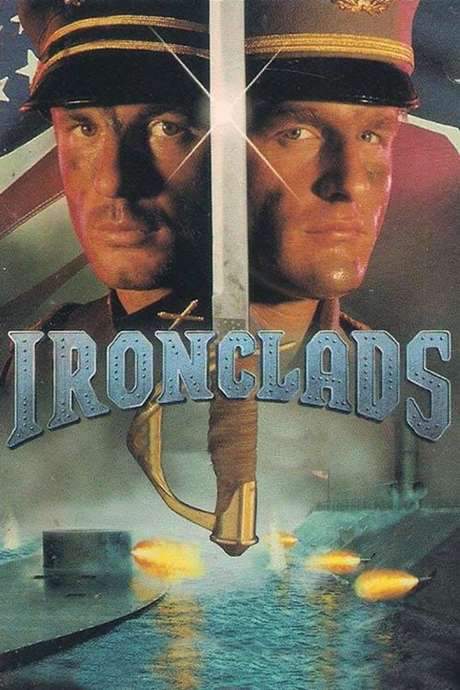
Movies about divided loyalties in war like Hearts in Bondage

Personal bonds are tested when friends or family find themselves on opposite sides of a conflict. If you liked the conflict between Kenneth and Raymond in Hearts in Bondage, explore more movies where war pits friends and family against each other. These stories focus on the personal cost of ideological divides, blending historical drama with intense emotional bonds and the struggle for honor amidst tragedy.

  • dramatic
  • tragic
  • sobering
  • tense
  • solemn
  • hopeful
  • Tone: bittersweet, solemn, dramatic
  • Pacing: steady, character-driven
Why these movies?

The story pattern: These narratives typically follow characters with strong pre-existing bonds who are forced onto opposing sides of a war or major conflict. The plot unfolds as their paths diverge, leading to inevitable confrontations that are as emotionally devastating as they are historically significant, often culminating in a moment of tragic recognition or bittersweet reconciliation.

Why they belong together: Movies are grouped here for their shared focus on the 'brother against brother' trope, where the primary tension is internal and relational rather than just external battle scenes. They share a bittersweet tone, medium-to-high emotional weight, and a theme that honor and love can persist even in the face of dire conflict.
Sobering historical dramas with a steady pace like Hearts in Bondage

Steady-paced period pieces where personal fates intertwine with pivotal historical events. For viewers who appreciated the steady, dramatic buildup of Hearts in Bondage, this collection highlights similar historical films. These movies use a deliberate pace to weave personal stories into major historical events, creating a thoughtful and often poignant viewing experience about honor, sacrifice, and reconciliation.

  • sobering
  • dramatic
  • solemn
  • historic
  • tense
  • tragic
  • Tone: solemn, dramatic, bittersweet
  • Pacing: steady, methodical
Why these movies?

The story pattern: The narrative pattern involves a straightforward, linear progression where characters' personal journeys are set against an authentic historical backdrop. The climax is often a well-known historical event that serves as a crucible for the characters, resolving their personal arcs in a way that comments on the era's larger themes without resorting to complex plot twists.

Why they belong together: These films are grouped by their shared solemn mood, steady pacing, and straightforward narrative approach to history. They prioritize emotional authenticity and thematic weight over fast-paced action or complex storytelling, resulting in a dramatic and reflective experience that feels grounded and sincere.

If you liked this

Movies Like Hearts in Bondage

Similar movies to Hearts in Bondage: the same genre, themes or kind of story. Each one comes with its own plot summary, timeline and ending explained.

Browse all movie summaries

Every angle

Hearts in Bondage (1936) Explained: Plot, Timeline & Characters

Everything about Hearts in Bondage in one place: what happens in the plot summary, the timeline in chronological order, the characters and meaning and a spoiler-free summary. What's After the Movie adds the cast, box office and post-credit scenes.

Coming soon on iOS and Android

The Plot Explained Movie Summary App

Plot summaries, endings explained and timelines on your phone. Catch up on any movie in minutes, save your favorites and never miss a twist again.

Be the first to know when we launch. Your email stays private, always.

Learn more about the app