Halls of Montezuma

Halls of Montezuma

Year: 1951

Runtime: 113 mins

Language: English

Director: Lewis Milestone

DramaWarAdventureAction

Richard Widmark leads an all‑star squad of U.S. Marines—including Jack Palance, Robert Wagner, Karl Malden, Richard Boone and Jack Webb—on a heavily fortified island. They fight through enemy‑infested jungle on a time‑critical mission to locate the source of hostile rockets, overcoming numerous obstacles and forging an effective fighting unit.

Where to Watch Halls of Montezuma?

Find where to stream, rent, or buy Halls of Montezuma (1951) in the US with current JustWatch availability, up-to-date pricing, and platform listings for subscription, rental, and digital purchase options.

Warning: spoilers below!

Haven’t seen Halls of Montezuma yet? This summary contains major spoilers. Bookmark the page, watch the movie, and come back for the full breakdown. If you're ready, scroll on and relive the story!

Timeline – Halls of Montezuma (1951)

Trace every key event in Halls of Montezuma (1951) with our detailed, chronological timeline. Perfect for unpacking nonlinear stories, spotting hidden connections, and understanding how each scene builds toward the film’s climax. Whether you're revisiting or decoding for the first time, this timeline gives you the full picture.

1

Prelude and orders to land

The unit prepares to land on a Japanese-held island in the Pacific. Gilfillan orders the platoon to capture prisoners to gain information about fortifications. The plan hinges on interrogating captured Japanese to locate the rocket batteries.

Pacific island coastline
2

Encouragement below deck

Lt. Carl A. Anderson reassures a frightened corporal, Frank Conroy, that he has shown courage before and can do so again. The moment underscores the morale and leadership that will drive the mission. Doc Jones relies on painkillers to stay functional during the peril ahead.

below deck of landing craft
3

The landing and securing the beach

Anderson leads his men as they hit the beach and dig in. The battalion establishes a foothold on the island and prepares to move inland. The groundwork is laid for the upcoming rocket threat and prisoner-focused intelligence work.

beachhead
4

Ridge attempt and rocket attack

The unit tries to seize a ridge but is halted by a sudden Japanese rocket attack. The radio operator Coffman is killed in the bombardment, marking a brutal setback. The survivors regroup and plan the next move.

ridge area
5

Order to capture prisoners

Back at battalion headquarters, Gilfillan informs them of a nine-hour window to stop the rockets and assigns Anderson's platoon to capture Japanese prisoners for interrogation. Johnson, an expert in Oriental languages and culture, is brought in to assist. The mission shifts toward gathering actionable intelligence.

Battalion headquarters
6

Ambush and capture near cave

Guided by Johnson, Anderson leads six battle-hardened veterans toward a Japanese-held cave. They are ambushed but manage to capture five enemy soldiers while the rest are killed. The return journey is costly, and Doc dies alongside others.

Japanese cave vicinity
7

Return to HQ and prisoner reveal

The group delivers their prisoners at headquarters, where one Japanese officer commits harakiri. The patrol survives the ordeal and reports back, providing crucial information for interrogation and intelligence gathering.

Battalion HQ
8

Disguised officer among prisoners

Interrogations reveal that one of the prisoners is a highly educated officer disguised as a private. Johnson and Anderson deduce the true Japanese objectives and begin to pinpoint the rocket batteries' location.

HQ interrogation room
9

Map match and mission success

A map expert at headquarters confirms the rocket location. With this breakthrough, Anderson's mission is deemed accomplished, and Gilfillan offers grateful thanks for the crucial intelligence.

HQ map room
10

Conroy's death and Doc's note

On the return to the platoon, Conroy is killed, and Anderson receives the grim news. War correspondent Dickerman reads aloud a note from Doc, urging him to stay strong for those who survive him.

battlefield/regroup area
11

Resolve and vow to persevere

Doc's plea resonates with Anderson, who resolves to endure the pain and protect his men. Dickerman's reading deepens the emotional weight of the loss, making the personal cost of war undeniable.

platoon area
12

Second assault and renewed push

Inspired by Doc's message, Anderson smashes his painkillers and leads his men into another assault against the Japanese positions. The team presses the offensive with renewed determination.

rocket positions
13

Curtain call: air support

As the assault continues, U.S. Navy Corsairs swoop in and demolish the rocket positions. Their aerial support caps the operation and showcases the power of combined arms in clearing the threat.

above the island/rocket position

Last updated: October 09, 2025 at 14:13

Was this helpful?

Halls of Montezuma (1951) Timeline Questions Answered – Chronology FAQ

Find frequently asked questions about the Halls of Montezuma (1951) timeline, including chronological order, nonlinear jumps, cause-and-effect links, and scene sequence clarifications. This timeline FAQ helps explain when key events happen, how moments connect, and why the story unfolds in that specific order.

Q1

Why does Lt. Anderson rely on painkillers during the mission?

A.

Lt. Anderson has been suffering from "psychological migraines" caused by months of relentless combat. Doc Jones, the corpsman, provides him with painkillers to help him function and continue leading his men through the dangerous mission.

Early scenes show Doc Jones fretting below deck about Anderson's dependence on the medication.

lt andersonpsychological migrainespainkillersdoc jonescombat stress
Q2

Why were the Marines ordered to capture Japanese prisoners?

A.

Lt. Col. Gilfillan needed intelligence on the Japanese rocket batteries that were attacking the beachhead. The only way to learn the rockets' location and firing schedule was through interrogating captured prisoners who knew the defense network.

The rocket attack that kills Coffman creates the urgent need for this intelligence.

prisonersinterrogationrocket batteriesintelligencegilfillan
Q3

Why was Sgt. Johnson added to the prisoner capture mission?

A.

Sgt. Randolph Johnson was brought in as a language and cultural expert who could communicate with captured Japanese soldiers and accurately interpret their answers. His knowledge was essential for extracting reliable intelligence about the rocket emplacements.

Johnson is introduced at headquarters after the rocket attack.

sgt johnsonlanguage expertjapanesecultureinterrogation
Q4

When and how does Doc Jones die?

A.

Doc Jones is killed during the return journey from the successful prisoner capture mission near the Japanese cave. He dies alongside other men as the group suffers further losses while making their way back to headquarters.

The ambush near the cave results in heavy casualties for Anderson's team.

doc jonesdeathcasualtiesprisoner missionkilled in action
Q5

Why was the disguised Japanese officer among the prisoners significant?

A.

During interrogation, the Marines discover one prisoner is actually a highly educated Japanese officer disguised as a private. His captured status provides crucial intelligence about Japanese objectives and helps pinpoint the exact location of the rocket batteries.

One prisoner commits harakiri upon reaching headquarters, hinting at higher status.

disguised officerinterrogationharakiriprisonersintelligence breakthrough
Q6

How do the Marines finally locate the Japanese rocket positions?

A.

The intelligence gathered from the disguised Japanese officer, combined with the prisoners' information, allows a map expert at headquarters to confirm the precise location of the rocket emplacements. This breakthrough enables Anderson's mission to succeed.

Johnson and Anderson work together to deduce the true Japanese objectives from the interrogation.

rocket locationmap expertinterrogationintelligencemission success
Q7

What does Doc's note say and why does it affect Anderson so deeply?

A.

Before dying, Doc entrusted a note to war correspondent Dickerman asking the men to stay strong for those who survive. When Dickerman reads it aloud, the message resonates deeply with Anderson, transforming his personal grief into renewed purpose and determination.

Doc's death occurs just before the note is read, adding emotional weight to the moment.

doc notedickermanmessageemotional impactanderson resolve
Q8

Why does Anderson smash his painkillers after receiving Doc's note?

A.

Inspired by Doc's plea for the survivors to endure, Anderson makes a symbolic break from his dependency. He smashes the painkillers and leads his men into another assault against the Japanese positions, demonstrating his commitment to fight on despite his psychological struggles.

Doc's note directly inspires Anderson to overcome his pain and lead the final push.

painkillerssymbolic actanderson resolvefinal assaultendurance
Q9

What happens to Frank Conroy in the story?

A.

Frank Conroy, the frightened corporal whom Anderson reassures early in the film, is killed during the mission. He dies after the prisoner capture is complete, and his death adds to the heavy toll suffered by Anderson's unit.

Anderson tells Conroy he has shown courage before and can do so again, foreshadowing his eventual fall.

frank conroydeathcasualtymarinebattle
Mobile App Preview

Coming soon on iOS and Android

The Plot Explained Mobile App

From blockbusters to hidden gems - dive into movie stories anytime, anywhere. Save your favorites, discover plots faster, and never miss a twist again.

Sign up to be the first to know when we launch. Your email stays private, always.

Explore Movie Threads

Discover curated groups of movies connected by mood, themes, and story style. Browse collections built around emotion, atmosphere, and narrative focus to easily find films that match what you feel like watching right now.

Grueling War Mission Dramas like Halls of Montezuma

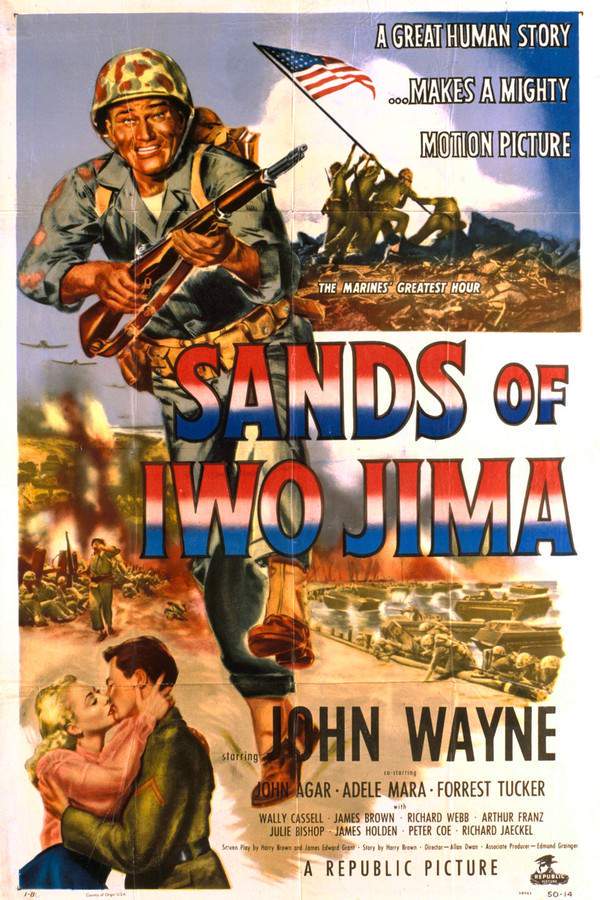
High-stakes military missions where teamwork and survival are paramount.If you enjoyed the tense, high-stakes mission in Halls of Montezuma, you'll find similar stories here. These movies feature similar fast-paced, intense World War II narratives focused on a specific combat objective, heavy emotional weight, and a focus on leadership and sacrifice under extreme pressure.

tensegrittydeterminedexhaustingsomberclaustrophobic

Narrative Summary

Stories in this thread typically follow a linear, mission-based structure. A unit is given a specific, time-sensitive objective behind enemy lines. The plot is driven by a series of obstacles—ambushes, terrain, and enemy forces—that test the group's cohesion, resolve, and will to survive, often culminating in a costly victory.

Why These Movies?

These movies are grouped together because they share a core narrative engine: a defined military mission. They create a cohesive experience through fast pacing, high tension, a straightforward plot focused on survival, and a bittersweet emotional conclusion where success is measured in lives lost.

Movies about Wartime Brotherhood like Halls of Montezuma

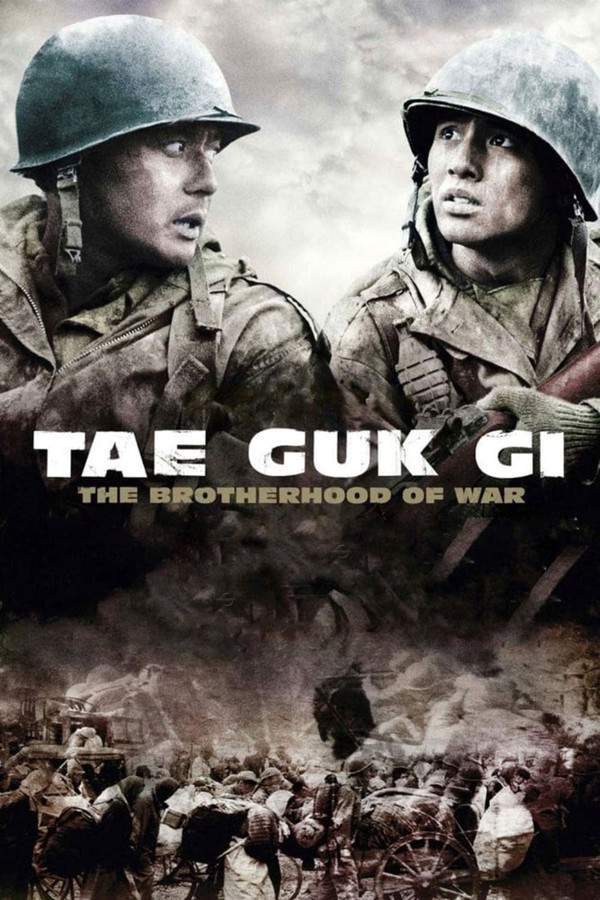
Stories where soldiers bond through shared trauma and loss.Fans of the deep character bonds and heavy emotional cost in Halls of Montezuma will appreciate these films. Discover similar war dramas that explore the themes of sacrifice, leadership, and the psychological trauma shared by a combat unit, creating a somber and melancholic viewing experience.

sombermelancholicgrittyanxiousdeterminedexhausting

Narrative Summary

The narrative pattern focuses on an ensemble cast of soldiers whose personal arcs are secondary to the group's dynamic. The story charts the formation of their bond under fire, the shared hardships they endure, and the devastating impact of loss within the unit. The emotional journey is one of forging family in the most hellish conditions.

Why These Movies?

These films are united by their primary focus on the theme of brotherhood as a coping mechanism for the horrors of war. They share a heavy emotional weight, melancholic and somber moods, and explore topics like psychological trauma and sacrifice, creating a coherent vibe of grim camaraderie.

Unlock the Full Story of Halls of Montezuma

Don't stop at just watching - explore Halls of Montezuma in full detail. From the complete plot summary and scene-by-scene timeline to character breakdowns, thematic analysis, and a deep dive into the ending - every page helps you truly understand what Halls of Montezuma is all about. Plus, discover what's next after the movie.

Halls of Montezuma Summary

Read a complete plot summary of Halls of Montezuma, including all key story points, character arcs, and turning points. This in-depth recap is ideal for understanding the narrative structure or reviewing what happened in the movie.

Halls of Montezuma Summary

Characters, Settings & Themes in Halls of Montezuma

Discover the characters, locations, and core themes that shape Halls of Montezuma. Get insights into symbolic elements, setting significance, and deeper narrative meaning - ideal for thematic analysis and movie breakdowns.

Characters, Settings & Themes in Halls of Montezuma

Halls of Montezuma Spoiler-Free Summary

Get a quick, spoiler-free overview of Halls of Montezuma that covers the main plot points and key details without revealing any major twists or spoilers. Perfect for those who want to know what to expect before diving in.

Halls of Montezuma Spoiler-Free Summary

More About Halls of Montezuma

Visit What's After the Movie to explore more about Halls of Montezuma: box office results, cast and crew info, production details, post-credit scenes, and external links - all in one place for movie fans and researchers.

More About Halls of Montezuma

Similar Movies to Halls of Montezuma

Discover movies like Halls of Montezuma that share similar genres, themes, and storytelling elements. Whether you’re drawn to the atmosphere, character arcs, or plot structure, these curated recommendations will help you explore more films you’ll love.