Plot Explained Spoilers guaranteed!
Plot Explained

Browse by genre

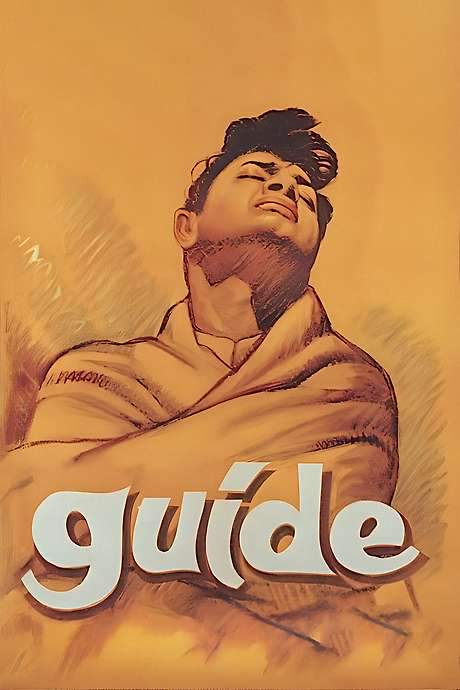
Guide (1965) movie poster

Plot Summary

Guide (1965) Plot Summary Explained

Release, runtime and language
1965 · 183 mins · Hindi
Loading streaming availability…
Directed by
Vijay Anand
Starring
Waheeda Rehman, Praveen Paul, Dev Anand, Iftekhar, Gajanan Jagirdar, Anwar Hussain

Raju has led a chaotic life—as a swindler, playboy, adulterer, manager of a dancing girl, and even a jailbird—until he becomes a martyred mystic. Mistaken for a sage by villagers, the former tour guide confronts his turbulent past and the memory of a lost love, seeking spiritual insight to guide the community.

On this page (6)
  1. 1 Where to watch
  2. 2 What happens: full plot
  3. 3 Plot questions answered
  4. 4 Movie threads
  5. 5 Movies like Guide
  6. 6 Every angle
Loading streaming availability…

Full plot summary · contains spoilers

What Happens in Guide: Full Plot Summary

The whole story of Guide (1965) explained, from the opening scene to the final frame: every key event, every twist and what it all adds up to. Read it as a quick recap before the sequel, to check a scene you missed, or to finally understand what really happened.

Raju [Dev Anand] is a freelance guide who earns his living by taking tourists to historic sites. The film opens with his release from jail, and the story unfolds largely through flashbacks. One day, a wealthy and aging archaeologist named Marco arrives in the city with his young wife Rosie [Waheeda Rehman], the daughter of a courtesan. Marco hires Raju to guide him as he explores caves outside the city, and he discovers a new cave while paying little attention to Rosie.

While Marco devotes himself to the cave, Raju accompanies Rosie and grows to admire her dancing skill and her innocent spirit. He learns Rosie’s background as the daughter of a prostitute and how she has earned respectability as Marco’s wife, at a heavy personal cost. She has had to give up her dancing, which Marco finds unacceptable. Rosie tries to end her life by poison, and when Marco returns from the caves and finds her alive, he confronts her with anger, insisting that her supposed suicide was a ruse meant to attract attention. He claims that if she truly wanted to die, she would have taken more sleeping pills.

Back at the caves, Rosie discovers that Marco is spending time with a native tribal girl. Rosie’s anger grows, and she leaves the caves, even considering another attempt on her life. Raju consoles her, telling her that suicide is a sin and that she should live to pursue her dreams. She ultimately decides to abandon the relationship with Marco, but she now needs a place to stay, and Raju brings her home.

Rosie’s status in Raju’s community as a dancer, linked to the historical association of classical dance with the life of courtesans, creates friction. His mother [Leela Chitnis] and her brother push for Rosie to be expelled, and Raju’s world begins to crumble as his business suffers and friends drift away. Yet he refuses to cast Rosie out. As he supports her, Rosie begins a singing and dancing career, and she rises to stardom, while Raju himself slides into gambling and drinking. Marco returns, hoping to win Rosie back, and his agent asks Rosie to release some jewelry from a safe deposit box. Raju, feeling possessive, forges Rosie’s name on the release to prevent Marco from reclaiming the jewels, a decision that later lands him in trouble.

Rosie grows distant, and tensions rise when Rosie tortures him with a lack of affectionate attention, even as she demands that he leave her room. They argue about whether a man should live off a woman’s earnings, and Raju insists that Rosie’s success is the result of his own efforts and devotion. When Rosie learns of the forgery, Raju is convicted of forgery and served a two-year sentence. On the day he is released, his mother and Rosie come to pick him up, only to be told that he had actually been released six months earlier for good behavior.

Despair, poverty, and isolation drive Raju to wander. He encounters a group of sadhus and sleeps in a derelict temple, where a wandering farmer, Bhola [Gajanan Jagirdar], mistakes him for a holy man. Bhola, facing pressure from his sister’s reluctance to marry, spreads the tale that the sleeping wanderer is a swami. Raju is taken as a holy man by the village, and he engages in skirmishes with local priests while the town looks to him for guidance. He tells a childhood story about a holy man whose 12-day fast brought rain to end a drought.

A drought and famine strike the region, and miscommunication among a village fool leads the people to believe the fast will bring rain. At first, Raju resists, explaining that he is only a man who has been accused and punished, but the crowd urges him to begin the fast anyway. He reluctantly agrees, though he doubts the connection between hunger and rain. As the fast continues, his fame grows and thousands come to seek his blessings. An American journalist asks if he truly believes his fast will summon rain, and he replies with quiet humility:

> These people have faith in me, and I have faith in their faith

Rosie, his mother, and his Muslim friend Ghaffoor [Anwar Hussain] visit, but Bhola forbids them entry to the temple on grounds of religious difference. Raju challenges Bhola, asking what religion truly defines him, and ultimately declares that humanity, love, and helping others are his religion. Bhola apologizes, and they share a tender embrace. Raju realizes he has found what he lost long ago.

As his health falters, Raju contemplates the meaning of his life. He is reconciled with his mother, Rosie, and the driver, and he transcends his earthly life. Amid thunder and heavy rain, his soul departs this world while the crowd rejoices and his loved ones mourn. The ending echoes the Bhagavad Gita’s wisdom:

> Man does not die; it is only the body that dies. The soul remains forever.
Last updated: October 09, 2025 at 11:05

Was this helpful?

Plot questions answered

Guide Plot Explained: Your Questions Answered

The questions people ask most about Guide (1965): what happens in the confusing scenes, why the characters do what they do, the twists, hidden details and what the ending means. Each answer contains spoilers.

Q1

Why did Rosie try to commit suicide in the film?

Rosie attempted suicide because she was trapped in a suffocating marriage with Marco, who forbade her from dancing, a core part of her identity. She had given up her career to gain respectability as his wife, but felt invisible and worthless. Additionally, she discovered Marco was spending time with a tribal girl, which shattered any remaining hope in their relationship.

Foreshadowing: Earlier, during the cave tour, Raju notices Rosie's grace and resilience, and learns she has sacrificed her dancing for respectability, hinting at her inner turmoil.

  • rosie suicide attempt
  • marco neglect
  • rosie dancing career
Q2

Why did Raju forge Rosie's signature on the documents?

Raj forged Rosie's signature on the jewelry release form out of possessive jealousy when Marco returned hoping to win her back. He wanted to prevent Marco from reclaiming the jewelry and reconnecting with Rosie. This act of protection, however, was impulsive and led to his imprisonment for forgery.

Foreshadowing: Earlier tensions between Raju and Rosie had already emerged, with Raju feeling insecure about her success and Marco's return.

  • raju forgery
  • marcos return
  • jewelry safe deposit box
Q3

How did Raju become mistaken for a holy man?

After wandering aimlessly following his release, Raju slept in a derelict temple where a farmer named Bhola found him. Bhola was desperate for spiritual guidance regarding his sister's marriage and mistook the sleeping Raju for a swami. The village quickly accepted this belief and began treating Raju as their spiritual guide.

Foreshadowing: The film opens by establishing Raju's search for meaning and dignity after jail, setting up his passive acceptance of a new identity.

  • bhola farmer
  • village swami
  • mistaken identity holy man
Q4

Why did Raju agree to fast for rain despite not believing it would work?

Raju initially resisted, explaining he was merely a man who had been accused and punished. However, the villagers desperately needed hope during the drought and pressured him to begin the fast. He ultimately agreed because he realized the people had faith in him, and he discovered faith in their faith, a spiritual realization that transcended rational doubt.

Foreshadowing: Earlier, Raju tells the village a story about a holy man whose 12-day fast brought rain, planting the idea in their minds.

  • drought fast
  • village faith
  • rain ceremony
Q5

Why did Rosie leave Marco despite having a comfortable life?

Rosie left Marco because he neglected her emotionally and forbade her from dancing, which was her passion and identity. She discovered Marco was involved with a tribal girl, making her feel betrayed and invisible. When she tried to end her life, Marco accused her of staging the attempt for attention, cementing her decision to abandon the marriage.

Foreshadowing: Throughout the cave exploration, Marco remains absorbed in his work while Raju connects with Rosie on a human level, showing who truly sees her.

  • rosie leaves marco
  • dancing prohibition
  • marco affair tribal girl
Q6

What caused the rift between Raju and Rosie after her rise to fame?

After Rosie became a star, she grew emotionally distant and began torturing Raju with coldness while demanding he leave her room. She recalled Marco's claim that a man should not live off a woman's earnings, while Raju insisted his devotion and support made her success possible. The emotional breach deepened as trust frayed between them.

Foreshadowing: Earlier, Raju had supported Rosie despite social ostracism, but his gambling and drinking during her rise hinted at his own insecurities.

  • rosie stardom
  • emotional distance
  • relationship breakdown
Q7

Why did Raju risk everything to help Rosie despite community rejection?

Raju brought Rosie into his home because she had nowhere else go after leaving Marco. Despite his mother's opposition and the community labeling Rosie a prostitute due to her dancing background, Raju refused to cast her out. His decision reflected both compassion and his growing emotional attachment to her.

Foreshadowing: During the cave tour, Raju admires Rosie's dancing skill and innocent spirit, suggesting his early admiration would later motivate his sacrifice.

  • rosie social ostracism
  • rajus mother rejection
  • community stigma
Q8

Why did Raju die at the end of the fast?

Raju's body succumbed to the prolonged fasting as his health severely deteriorated during the 12-day period. The film presents his death as a spiritual transcendence, he achieves reconciliation with his mother, Rosie, and his friends before passing. The rain arrives at the moment of his death, fulfilling the villagers' faith and symbolizing his soul's liberation.

Foreshadowing: Raju tells the American journalist that he has faith in the people's faith, suggesting his belief transcends physical reality.

  • raju death
  • spiritual transcendence
  • rain arrival
Q9

What did Raju mean when he said humanity is his religion?

When Bhola blocked Rosie, Raju's mother, and his Muslim friend Ghaffoor from entering the temple due to religious differences, Raju challenged this prejudice. He declared that his true religion is humanity, love, and helping others, transcending religious boundaries. This moment represents his spiritual enlightenment and ultimate rejection of dogmatic divisions.

Foreshadowing: Earlier, Raju had engaged in skirmishes with local priests, showing his willingness to challenge religious orthodoxy.

  • humanity religion
  • bhola religious prejudice
  • temple entry
Q10

Why did Marco's archaeological obsession hurt Rosie so deeply?

Marco prioritized his cave discoveries over his young wife, paying little attention to Rosie's emotional needs. His single-minded focus on scientific discovery made Rosie feel like an afterthought in her own marriage. This neglect, combined with his refusal to let her dance, stripped her of purpose and self-worth.

Foreshadowing: The film opens with Marco hiring Raju specifically to explore caves, immediately establishing his priorities.

  • marco archaeologist
  • neglectful husband
  • cave obsession
Q11

Why did Raju fall into gambling and drinking after Rosie's success?

As Rosie rose to stardom as a singer and dancer, Raju's own life began derailing. He succumbed to gambling and drinking, possibly due to his own insecurities about being supported by a woman's earnings, combined with the stress of social ostracism and losing his purpose. His decline mirrors Rosie's ascent, showing how their relationship失衡ed.

Foreshadowing: Earlier, Raju faces the loss of his guide business as the town turns against him for sheltering Rosie, hinting at his economic desperation.

  • raju gambling
  • lifestyle decline
  • financial dependence
Q12

Why did Raju's release surprise everyone at the jail?

On the supposed day of his release, Raju was told he had actually been released six months earlier for good behavior. His mother and Rosie came to pick him up, only to learn this twist. This unexpected early release contributed to Raju's aimlessness and eventual wandering, setting the stage for his spiritual transformation.

Foreshadowing: The film establishes Raju's release from jail at the beginning, using flashbacks to reveal his complex past.

  • early jail release
  • good behavior
  • release day surprise
Q13

What happened to Rosie after Raju's death?

Rosie, along with Raju's mother and friend Ghaffoor, witnessed Raju's final moments. While the crowd rejoiced at the rain and Raju's spiritual legacy, Rosie mourned the man who helped her realize her dreams. The ending suggests Rosie grieved deeply for Raju even as she acknowledged his transcendence.

Foreshadowing: Earlier, Raju and Rosie showed hints of reconciliation during the temple visit, building toward this emotional conclusion.

  • rosie mourning
  • rajus legacy
  • grief and rain

Movie threads

More Movies Like Guide, by Mood & Story

Curated lists built around what makes Guide tick: the same mood, the same kind of story or the same emotional payoff. Each list explains why these movies belong together.

Redemption stories like Guide

Stories of deeply imperfect characters seeking spiritual or moral salvation. If you liked Guide's exploration of a swindler's path to spiritual awakening, you'll find similar movies here. These films feature flawed heroes on profound journeys of atonement, often blending heavy emotional drama with a contemplative, bittersweet tone.

  • redemptive
  • melancholic
  • contemplative
  • spiritual
  • tragic
  • reflective
  • Tone: melancholic, redemptive
  • Pacing: steady, character-driven
Why these movies?

The story pattern: The narrative follows a character's fall from grace and their subsequent, often arduous, journey toward redemption. This arc is typically explored through flashbacks that contrast the protagonist's past failings with their present struggle for meaning, culminating in a transformative act or realization.

Why they belong together: Movies in this thread share a focus on deep character transformation, a heavy emotional weight derived from personal regret, and a tone that balances melancholy with the possibility of spiritual or moral peace, even if achieved through sacrifice.

Spiritual dramas with a bittersweet tone like Guide

Emotionally heavy tales where personal tragedy intertwines with spiritual awakening. Find movies similar to Guide that blend heavy emotional drama with spiritual themes. These stories often feature contemplative pacing, a melancholic mood, and endings that are bittersweet, finding hope or peace through personal sacrifice and loss.

  • spiritual
  • melancholic
  • contemplative
  • tragic
  • reflective
  • philosophical
  • Tone: melancholic, contemplative
  • Pacing: steady, reflective
Why these movies?

The story pattern: Stories in this thread often unfold through a character's confrontation with their past, leading to a spiritual crisis or awakening. The narrative structure is contemplative, prioritizing internal conflict and philosophical themes over fast-paced action, and typically concludes with an ending that mixes sorrow with a sense of transcendent peace.

Why they belong together: These films are united by a shared mood of spiritual melancholy, a steady, reflective pacing that allows for deep thematic exploration, and a narrative pattern where enlightenment or communal salvation is earned through profound personal cost.

If you liked this

Movies Like Guide

Similar movies to Guide: the same genre, themes or kind of story. Each one comes with its own plot summary, timeline and ending explained.

Browse all movie summaries

Every angle

Guide (1965) Explained: Plot, Timeline & Characters

Everything about Guide in one place: what happens in the plot summary, the timeline in chronological order, the characters and meaning and a spoiler-free summary. What's After the Movie adds the cast, box office and post-credit scenes.

Coming soon on iOS and Android

The Plot Explained Movie Summary App

Plot summaries, endings explained and timelines on your phone. Catch up on any movie in minutes, save your favorites and never miss a twist again.

Be the first to know when we launch. Your email stays private, always.

Learn more about the app