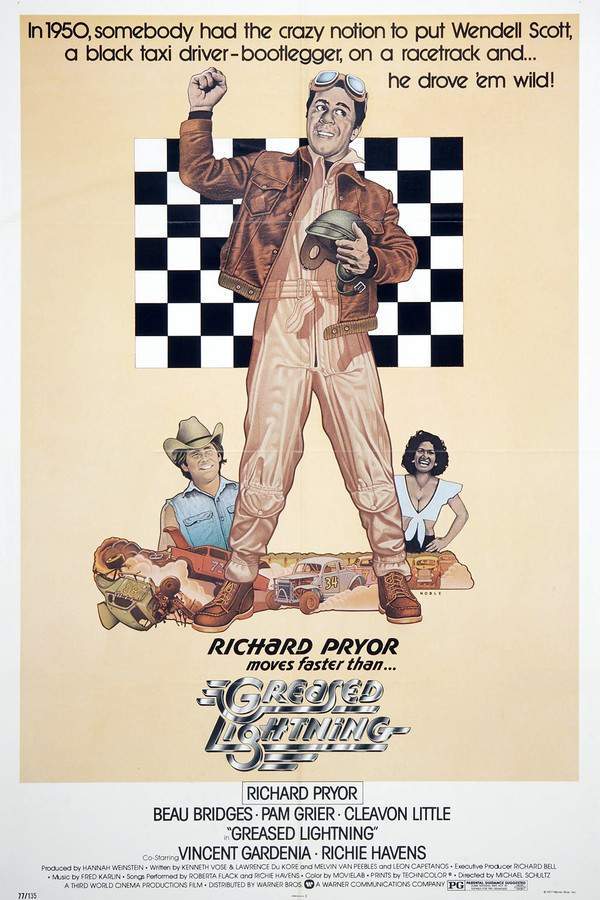
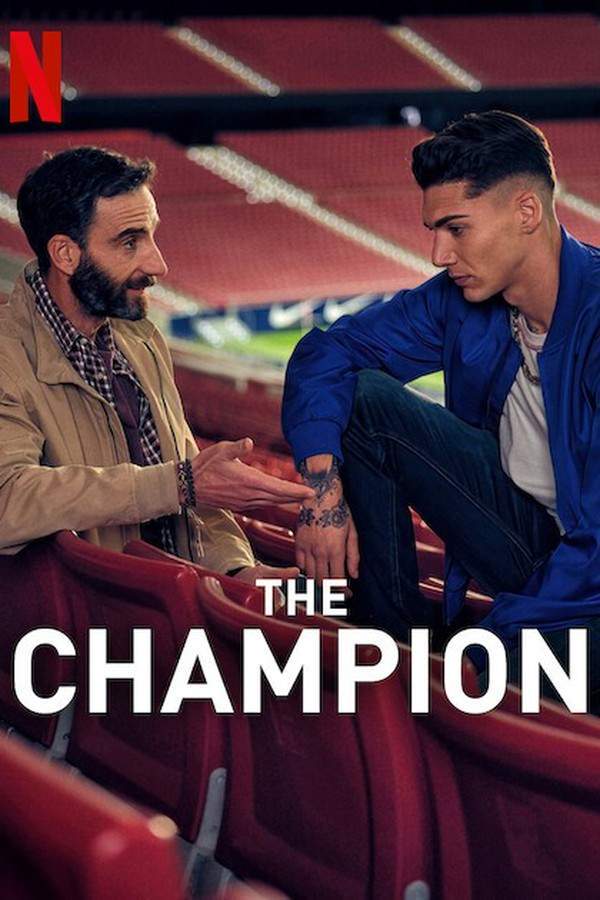
In 1930s Danville, Virginia, a young African-American boy named Wendell Scott catches the eye of local white boys with his fearless bike riding. Fifteen years later, after serving in World War II, he returns home to a warm family welcome and quickly falls for Mary Jones. Although society expects him to work at the cotton mill, Wendell harbors a bigger dream: to buy a taxi, open a garage, and, ultimately, become a champion racecar driver. The film features Beau Bridges among a strong cast, underscoring the sense that Wendell’s aspirations are both personal and historic.
As Wendell courts Mary, he shares his racing passion, but her family remains doubtful about a Black man pursuing such a path. He proposes at an abandoned racetrack, and the couple soon marries, though financial struggles threaten their new life together. The early years test their devotion as Wendell balances family responsibilities with the stubborn, burning wish to prove himself on the track.
To make ends meet, Wendell turns to bootlegging, working for Slack with his best friend Peewee while dodging Sheriff Cotton. Mary disapproves, yet Wendell believes that this risky route is the only way to finance his dream of owning a garage. When Slack is arrested five years later, Wendell finds himself ensnared in a setup of the town’s racial dynamics. The local racetrack owner, Billy Joe Byrnes, offers a deal: race in a stock car, and most charges will be dropped. Promoted as the first Black driver, Wendell endures aggressive sabotage from white racers but crosses the finish line and earns his freedom, discovering a deeper sense of purpose and a true calling on the track.
Determined to race, Wendell repairs his car with Woodrow, a skilled mechanic he meets at a junkyard. Mary remains wary, but Wendell persists, driven by the belief that skill and perseverance can rewrite expectations. In his early races, he earns a respectable fourth place and dines at whites-only restaurants where a sympathetic white driver, Hutch, befriends him. When Hutch’s car falters in a later race, he joins Wendell’s team as a mechanic, cementing a fragile but vital alliance that helps him navigate a landscape of prejudice and opportunity.
In 1955, Wendell faces rival Beau Welles at Middle Virginia Speedway. He wins a close race but is denied the trophy after a scoring error—an incident that exposes how systemic bias can shadow merit. Officials quietly acknowledge the mistake, yet the frustration lingers as Wendell’s breakthrough remains just out of reach. He urges Hutch to seek larger teams for financial stability, continuing his climb through regional circuits with quiet resolve and growing confidence.
Wendell’s ascent takes him to NASCAR’s Grand National division, where he competes at premier tracks across the country, including Daytona and Talladega. By 1965, he has become a local celebrity, while Sheriff Cotton—now mayor—works to harness Wendell’s influence to attract sponsorships. A severe crash at Talladega tests his resolve and leaves Mary urging retirement, but Wendell remains undeterred. He reunites with old friends, including Hutch, who leaves Beau Welles’ garage to rejoin his crew, inspired by Wendell’s persistence and grit.
Back in Danville, Cotton, now mayor, pushes to secure sponsorships so Wendell can compete with the sport’s top teams. On race day, Mary arrives at the last moment, filling in the emotional gap that has haunted him all season. In a tense final showdown against Welles, Wendell makes a risky pit stop, leaves with only three lug nuts on one tire, and battles for every inch over the last 20 laps. He roars ahead on the final lap, overtaking Welles to claim his first NASCAR victory, surrounded by a cheering crowd of family and friends who recognize the culmination of a lifelong dream realized through perseverance, community, and a stubborn refusal to yield.