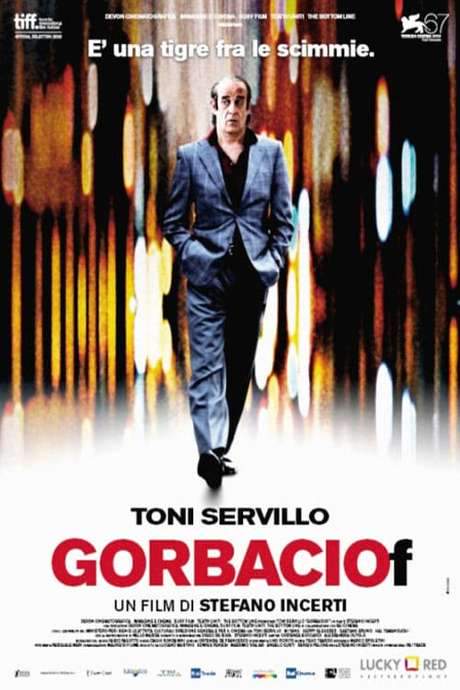
Marino Pacileo is a solitary man living in the Vasto area of Naples, a multiethnic suburb near the train station. He is known by the nickname Gorbaciof, a mark that mirrors the port-wine stain on his forehead and hints at a hidden life beneath his quiet exterior. By day he works as a cashier in Poggioreale prison, but his true world unfolds at night in a backroom poker game behind a Chinese restaurant. There, the stacks of chips and the patient rhythm of the cards become the fuel for a growing gambling addiction that shadows everything else in his life.
It is in this smoky, make-do gambling space that he encounters Lila, the daughter of the restaurant’s owner. Despite a stubborn language barrier—Lila doesn’t speak Italian—the connection between them gradually threads a fragile bond. He is drawn to her resilience and tenderness, while she is curious about the strange man who has stepped into her life, a man who once rescued her from trouble with two violent teens and who now seems to see a future where others see only risk.
Gorbaciof’s affection for Lila leads him to a desperate act: he helps her father by providing a large sum of money to settle his debts, hoping to spare Lila from a harsher fate. This act, however, stalls on the same narrow edge of luck that sustains his gambling. A poor hand at the table leaves him owing a sizeable sum to a corrupt lawyer, forcing him to seek a loan from a prison guard. The guard, seeing a chance to profit, asks for illegal favors in return.
With time running out, Gorbaciof makes a risky plan: he intends to flee Naples with Lila, but must first complete a dangerous assignment as a lookout for a robbery. The heist unfolds with startling precision, and he escapes with two accomplices into the night. Yet danger follows them—the guard closes in, brandishing a weapon and intent on reaping the consequences of his illegal bargain.
Moments of triumph turn to tragedy in a sudden, harrowing twist: a stray shot from one of the accomplices’ guns mortally wounds Gorbaciof. The film then cuts between his fading consciousness and a parallel moment—Lila waiting alone at the airport, hoping for his arrival, for a future together. In the final images, the city’s lights and the passing buildings of Naples stream past as the car speeds through traffic, leaving Gorbaciof’s world to be weighed against the choices that brought him to this end.
Throughout, the film threads themes of loneliness, risk, and the costs of devotion—how love can bloom in a precarious underworld where money, loyalty, and luck collide, and how the city itself becomes a participant in every decision.