Plot Explained Spoilers guaranteed!
Plot Explained

Browse by genre

Golden Years (2016) movie poster

Plot Summary

Golden Years (2016) Plot Summary Explained

Release, runtime and language
2016 · 96 mins · English
Directed by
John Miller
Starring
Simon Callow, Mark Williams, Lee Charles, Virginia McKenna, Alun Armstrong, Lily Travers

Arthur and Martha Goode, a retired couple, find themselves drawn into a life of crime due to fate, the pensions crisis, and a determination to fight age-related injustice. Their unexpected path involves banks, bowls, and even bingo, as they navigate a series of events that challenge their quiet existence and force them to confront unexpected circumstances.

On this page (4)
  1. 1 What happens: full plot
  2. 2 Plot questions answered
  3. 3 Movie threads
  4. 4 Every angle

Full plot summary · contains spoilers

What Happens in Golden Years: Full Plot Summary

The whole story of Golden Years (2016) explained, from the opening scene to the final frame: every key event, every twist and what it all adds up to. Read it as a quick recap before the sequel, to check a scene you missed, or to finally understand what really happened.

Arthur Goode Bernard Hill and Martha Goode Virginia McKenna are a law-abiding, quiet retiree couple living a simple life in a suburban rhythm. They love tending their garden, sharing social moments with friends, and sticking to a predictable routine. Yet beneath the calm surface, a pensions crisis and a stubborn refusal to accept the unfair squeeze of aging push them toward a drastic choice. They decide they won’t quietly surrender what they’ve earned or fade into the background of society; instead, they set out to reclaim their money by turning to crime.

With masks to conceal their identities and canvas shopping trolleys to haul their loot, the Goodes embark on a brisk, whistle-stop tour of countryside banks that lie within easy reach of National Trust properties—a detail that frames their crime as a peculiar blend of domestic normalcy and daring heist. They travel by caravan, moving from one quiet branch to the next, carefully planning each stop and treating the operation as a stubborn, practical response to a system they feel has shortchanged them in their older years. As the robberies unfold, the story follows their calm resilience and method, illustrating how a once-ordinary couple can reframe their world through calculated risk.

The media quickly latches onto the stranger narrative, portraying the raids as the work of a young, expert crew rather than a pension-claiming couple. This misperception adds a layer of public fascination, turning the Heists into a national talking point as the Goodes’ notoriety grows with every new target. In one close scrape, after they rob a village bank and discreetly stash their masks away, they’re unexpectedly invited back into the branch for tea by the bank manager Stephen.

Their clubhouse of friends expands the plan in unexpected ways. Royston [Simon Callow], Shirley [Una Stubbs], and Brian [Phil Davis], lifelong companions from a struggling bingo and bowls scene that’s overseen by Phil [Mark Williams], slowly come to see the Goodes’ bold approach as a chance to salvage something from their own faltering livelihoods. When these familiar faces choose to join the gang, the heists grow bolder, with ambitious heists at High Street bank vaults that test their nerve, precision, and teamwork.

Amid the escalating crime spree, the law stays ever-closer. Sid [Alun Armstrong], a vigilant policeman, keeps a persistent watch, while his wife Nancy [Sue Johnston] offers a steady homefront counterpoint. On the investigative side, CID officer Stringer [Brad Moore] rounds out the trio of authorities pursuing the case, ensuring a constant game of cat-and-mouse as the Goodes push the boundaries of what they thought was possible.

What begins as a quiet, stubborn resolve to reclaim what feels rightfully theirs evolves into a broader meditation on aging, dignity, and the limits of conventional life. The Goodes’ journey across towns, their shared empathy, and their uneasy partnership with friends and familiar faces illuminate a tale that is at once intimate and expansive, portraying two retirees who refuse to surrender their autonomy, even as they navigate the moral complexities of their choice.

Last updated: February 17, 2026 at 19:55

Was this helpful?

Plot questions answered

Golden Years Plot Explained: Your Questions Answered

The questions people ask most about Golden Years (2016): what happens in the confusing scenes, why the characters do what they do, the twists, hidden details and what the ending means. Each answer contains spoilers.

Q1

Why do Arthur and Martha turn to bank robbery?

Arthur and Martha decide to rob banks after a pensions crisis leaves them facing financial hardship in their retirement. Feeling they've been unfairly squeezed by a system they contributed to throughout their working lives, they refuse to quietly accept their losses or fade into the background. The film frames their crime as a stubborn response to age-related injustice rather than pure greed, they simply want to reclaim what they feel is rightfully theirs.

Foreshadowing: The pensions crisis is introduced early as the catalyst that disrupts their quiet, routine suburban life.

  • pensions crisis
  • Arthur Goode
  • Martha Goode
  • retirement
  • bank robbery
  • motivation
Q2

How do the Goodes plan their bank heists?

The couple uses masks to conceal their identities and canvas shopping trolleys to transport their loot. They travel between targets in a caravan, mapping out routes that let them hit multiple countryside bank branches within easy reach of National Trust properties. This approach minimizes risk while maximizing returns, treating each heist like a practical errand rather than a violent confrontation.

Foreshadowing: Their planning phase occurs shortly after deciding to take action, showing their methodical approach to crime.

  • masks
  • caravan
  • shopping trolleys
  • bank heists
  • planning
  • National Trust
Q3

Why does the media think the bank robbers are young?

The media misidentifies the robbers as a young, expert crew because Arthur and Martha successfully conceal their identities with masks and operate with surprising agility for their age. Their methodical approach and the audacity of targeting multiple banks leads journalists to assume professional criminals rather than elderly retirees. This misperception adds to the couple's notoriety and public fascination.

Foreshadowing: The first heist establishes their efficient, Masked method, which fuels the young crew narrative.

  • media
  • misidentification
  • young crew
  • notoriety
  • public interest
Q4

Why does the bank manager invite the robbers back for tea?

After a narrow escape from a village bank branch, manager Stephen inexplicably invites the masked robbers back inside for a cup of tea. This strange, friendly gesture creates an absurd moment that sums up the film's light tone, the manager either doesn't realize who just robbed him or is deliberately extending an unusual courtesy. The moment reinforces the comedic nature of the heists.

Foreshadowing: This occurs shortly after their first successful robbery when they're still adjusting to their new lifestyle.

  • bank manager
  • tea invitation
  • Stephen
  • village bank
  • close escape
Q5

Why do Royston, Shirley and Brian join the gang?

Royston, Shirley, and Brian, Arthur and Martha's friends from a struggling bingo and bowls club, decide to join the heists after witnessing the Goodes' success. Facing their own financial struggles and faltering livelihoods, they see the crime spree as an opportunity to salvage something from their difficult circumstances. Phil, who oversees the club, also becomes involved, expanding the gang's capabilities and ambitions.

Foreshadowing: The friends are introduced early as part of the bingo and bowls scene that's described as struggling.

  • Royston
  • Shirley
  • Brian
  • Phil
  • bingo
  • bowls club
  • gang expansion
Q6

How do the robberies escalate to High Street bank vaults?

After their friends join, the gang moves from smaller countryside bank branches to more audacious targets, High Street bank vaults. This escalation represents a significant increase in risk and reward, requiring more elaborate preparations and bolder execution. The transition marks a turning point where the operation grows far beyond Arthur and Martha's original modest plan.

Foreshadowing: The expansion to bolder heists follows naturally from the friends joining the gang.

  • High Street vault
  • bank vault
  • escalation
  • heists
  • daring targets
Q7

Who is SID the policeman chasing the Goodes?

Sid is a vigilant policeman pursuing the couple throughout their crime spree, joined by his wife Nancy and CID officer Stringer. Together, they represent law enforcement's persistent effort to catch the robbers. Despite their close pursuit across the countryside, the Goodes manage to stay one step ahead, maintaining the cat-and-mouse dynamic that drives much of the film's tension.

Foreshadowing: Sid's pursuit begins early and continues throughout the escalating heists.

  • Sid
  • Nancy
  • Stringer
  • police pursuit
  • law enforcement
  • catch criminals
Q8

What is the significance of the masks and shopping trolleys?

The masks serve a practical purpose, concealing the Goodes' identities during robberies, while also becoming a symbolic part of their criminal persona. The canvas shopping trolleys, initially ordinary domestic items, are repurposed as getaway tools for transporting loot. This reuse of mundane objects reflects the film's comedic premise and the couple's resourceful, everyday approach to crime.

Foreshadowing: These items are acquired during the planning phase shortly after their decision to rob banks.

  • masks
  • shopping trolleys
  • disguise
  • loot transport
  • significance
Q9

Why do the Goodes target banks near National Trust properties?

The Goodes deliberately choose bank branches located within easy reach of National Trust properties for their heists. This strategy likely provides convenient cover, tourist areas with transient visitors make it easier to come and go unnoticed. The National Trust locations also align with the couple's apparent enjoyment of the countryside, allowing them to treat their crime tour as something resembling a holiday.

Foreshadowing: This targeting strategy is established during their initial planning phase.

  • National Trust
  • countryside banks
  • target selection
  • routes
  • tourist areas
Q10

How does the film address aging and dignity?

Golden Years uses the Goodes' crime spree as a vehicle to explore themes of aging and dignity in modern society. Rather than quietly accepting financial hardship and societal marginalization, Arthur and Martha refuse to surrender their autonomy. The film presents their heists as an unconventional fight against age-related injustice, suggesting that retirement doesn't mean disappearing or accepting unfair treatment.

Foreshadowing: The pensions crisis and refusal to 'fade away' establish this theme from the beginning.

  • aging
  • dignity
  • pension injustice
  • retirement
  • autonomy
  • theme

Movie threads

More Movies Like Golden Years, by Mood & Story

Curated lists built around what makes Golden Years tick: the same mood, the same kind of story or the same emotional payoff. Each list explains why these movies belong together.

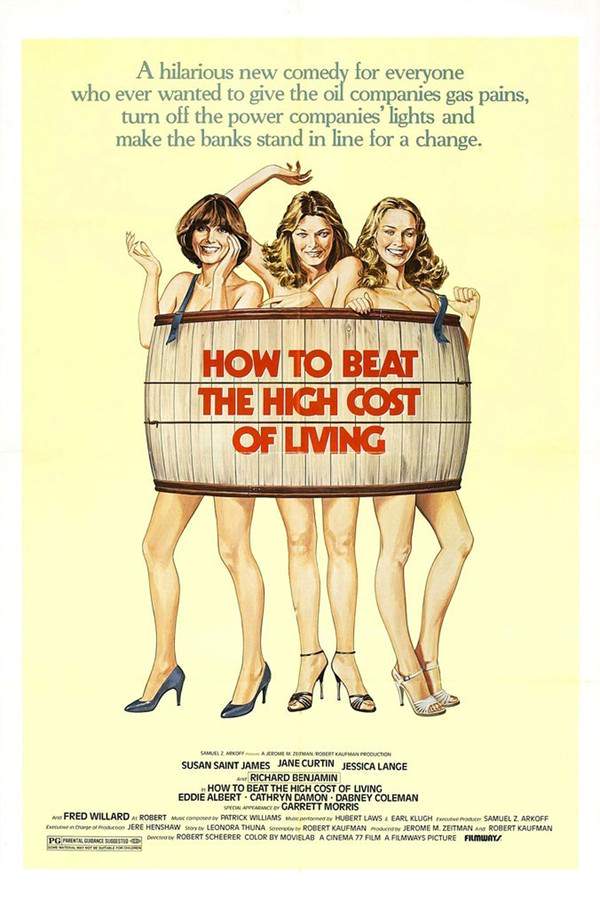
Senior citizen crime capers like Golden Years

Retirees turning to crime for laughs, justice, and high jinks. Looking for movies like Golden Years? This collection features lighthearted comedies where retirees embark on unexpected criminal adventures. If you enjoyed the rebellious spirit and comedic heists of Golden Years, you'll find similar charming capers here.

  • quirky
  • lighthearted
  • rebellious
  • whimsical
  • adventurous
  • comradely
  • Tone: lighthearted, rebellious, whimsical
  • Pacing: steady, character-driven
Why these movies?

The story pattern: Stories in this thread usually follow a retired individual or couple who, frustrated by systemic issues or a quiet life, decide to break the law in surprisingly successful and humorous ways. The narrative arc involves planning and executing heists, evading comically incompetent authorities, and discovering a new lease on life through rebellion.

Why they belong together: These movies are grouped together because they share a unique blend of crime and comedy seen through the lens of aging. They focus on themes of rebellion against ageism, the power of friendship, and finding adventure in later life, all while maintaining a whimsical and low-stakes tone.

Quirky comedies with social commentary like Golden Years

Humor meets heart in stories that playfully challenge societal norms. If you liked the blend of comedy and social themes in Golden Years, this list features similar movies. Discover other lighthearted stories that use humor and quirky characters to explore issues like injustice and rebellion in an entertaining way.

  • quirky
  • defiant
  • lighthearted
  • whimsical
  • thoughtful
  • comradely
  • Tone: light, quirky, defiant
  • Pacing: steady
Why these movies?

The story pattern: The narrative pattern involves ordinary characters who decide to challenge an unfair system or situation in an unconventional, often humorous way. The journey is more about the personal growth and camaraderie formed along the way than achieving a monumental victory, resulting in a feel-good experience with a subtle message.

Why they belong together: These films are connected by their unique ability to package social commentary within a framework of light comedy and quirky characters. They share a specific vibe that is both thoughtful and entertaining, making them perfect for viewers who enjoy humor with heart.

Every angle

Golden Years (2016) Explained: Plot, Timeline & Characters

Everything about Golden Years in one place: what happens in the plot summary, the timeline in chronological order, the characters and meaning and a spoiler-free summary. What's After the Movie adds the cast, box office and post-credit scenes.

Coming soon on iOS and Android

The Plot Explained Movie Summary App

Plot summaries, endings explained and timelines on your phone. Catch up on any movie in minutes, save your favorites and never miss a twist again.

Be the first to know when we launch. Your email stays private, always.

Learn more about the app