Plot Explained Spoilers guaranteed!
Plot Explained

Browse by genre

Goin’ to Town (1935) movie poster

Timeline

Goin’ to Town (1935) Timeline Explained – Every Event in Order

Release, runtime and language
1935 · 74 mins · English
Directed by
Alexander Hall
Starring
Irving Bacon, Francis Ford, Luis Alberni, Paul Harvey, Paul Cavanagh, Marjorie Gateson

MAE WEST declares: “I’ll be a lady, even if it kills me!” Cleo Borden, raised in a saloon and beloved by its men, contracts to marry a wealthy stranger. His sudden death leaves her his fortune, but she learns money alone won’t make her a lady. She sets out to acquire proper manners; the gentleman she now admires expects refinement, so she obliges.

On this page (5)
  1. 1 Events in order (12)
  2. 2 Timeline questions answered
  3. 3 Movie threads
  4. 4 Movies like Goin’ to Town
  5. 5 Every angle

12 events in order · contains spoilers

Goin’ to Town Timeline: Events in Chronological Order

Every key event of Goin’ to Town (1935) in order, scene by scene, with when and where it takes place. Use it to untangle flashbacks, time jumps and parallel storylines, to refresh your memory before the sequel or to find the exact scene you are thinking of.

  1. Cleo gains fortune after fiancé's death

    In a Western town Cleo Borden works as a saloon singer. Her cattle-rustling fiancé dies on the eve of their wedding, leaving her a fortune that instantly changes her prospects. The inheritance kicks off her plan to climb into high society and win the man she desires.

    Where
    American West
  2. Cleo targets Carrington and bets on love

    Cleo fixes her sights on Carrington, a handsome Brit surveying oil wells on her property. She makes a bet to win his affection and secure a social ascent. He dismissively calls her 'crude oil,' which only sharpens her resolve to become a proper lady.

    Where
    Western property / Carrington's oil site
  3. Aspiration to become a lady takes shape

    To prove she can rise above her rough beginnings, Cleo embraces high-society gestures and rituals. She stages an elaborate social event and uses her voice, aiming to impress Carrington and the circles around him. The performance marks a deliberate move toward acceptance into elite society.

    Where
    West estate / social venue
  4. Opera interlude: Samson and Delilah

    Part of Cleo's ascent involves throwing an opera and singing the lead in a scene from Samson and Delilah. The spectacle showcases her talent and ambition, while testing the boundaries of the frontier's 'lady' image. The moment blends romance with social calculation.

    Where
    West estate / social event
  5. Buenos Aires arrival and new acquaintances

    Cleo travels to Buenos Aires and meets Ivan Valadov, a Russian millionaire with a mistress, Mrs. Crane Brittony. The encounter introduces new wealth and danger into her plans. The international setting expands the web of relationships that will influence her future.

    Where
    Buenos Aires
  6. Buenos Aires horse race bet

    In Buenos Aires, Brittony and Cleo bet on a horse race, and Cleo's horse wins. The victory strengthens Brittony's interest in Cleo’s ascent and deepens the network of social power around her. The win underscores the chancy mechanics of status in play.

    Where
    Buenos Aires racecourse
  7. Southampton offer: title and loveless marriage

    Fletcher Colton, Brittony’s niece, offers Cleo a title and a place in society through a loveless marriage in Southampton. Cleo weighs the bargain as a shortcut to status and to securing Carrington’s affection. The proposal marks a pivotal turn toward formal aristocratic entry.

    Where
    Southampton
  8. Carrington returns with a new title

    Carrington returns to Cleo’s life bearing a new title: the Earl of Stratton. The social shift heightens the stakes of Cleo’s pursuit and tightens the connection between love, money, and status. The title indicates Cleo’s possible ascent into upper society.

    Where
    Southampton / social circle
  9. Brittony's scheme to embarrass Cleo

    Mrs. Brittony schemes to embarrass Cleo and derail her engagement to Carrington, using social manipulation as leverage. The emotional and reputational pressures of high society escalate the danger around Cleo. The plan foreshadows the volatile consequences of this social chess game.

    Where
    Southampton / social circuit
  10. Colton's death in a scuffle with Valadov

    A violent confrontation ends with Fletcher Colton shooting himself during a scuffle with the paid intruder, Ivan Valadov. The tragedy throws Cleo’s future into jeopardy and unsettles the social circles surrounding her. The sudden death intensifies the mystery of who is manipulating whom.

    Where
    Southampton
  11. Cleo is exonerated and meets her future

    Despite initial suspicion, Cleo is exonerated of any wrongdoing related to the tragedy. The true culprits are exposed, clearing her path to marry Carrington. The resolution restores Cleo’s standing and her chance at a happy future.

    Where
    Southampton
  12. The wedding and the title of Lady Stratton

    Cleo and Carrington marry, and Cleo gains the title of Lady Stratton. The final image shows a briefcase listing 'Lord and Lady Stratton,' signaling their social ascent and lasting happiness within the aristocracy.

    Where
    Southampton

Last updated: February 20, 2026 at 12:33

Was this helpful?

Timeline questions answered

Goin’ to Town Timeline Explained: Your Questions Answered

When does it happen, and why in that order? The questions people ask about the chronology of Goin’ to Town (1935): time jumps, flashbacks, cause and effect between scenes and the correct order of events, each answered with spoilers.

Q1

Why does Cleo inherit Buck's fortune?

Cleo's cattle-rustling fiancé Buck Gonzales dies on the eve of their wedding, leaving her a sizable inheritance. This sudden fortune changes her prospects entirely and provides the financial means for her to pursue her goal of climbing into high society and winning the man she desires.

Foreshadowing: Earlier scenes establish Buck's criminal background, which explains how he accumulated wealth.

  • inheritance
  • Buck Gonzales
  • fortune
  • cattle rustling
Q2

Why does Carrington call Cleo 'crude oil'?

When Cleo sets her sights on Edward Carrington, a handsome Brit surveying oil wells on her property, he dismissively refers to her as 'crude oil', a play on her status as an oil heiress and his perception of her rough, unrefined manner. This insult sparks her determination to reinvent herself into a proper lady.

Foreshadowing: The nickname foreshadows Cleo's transformation arc throughout the film.

  • Edward Carrington
  • crude oil
  • insult
  • social class
Q3

Why does Cleo want to become a lady?

Cleo decides to become a lady because she believes refined manners and social standing are necessary to win Carrington's affection. After he dismisses her as 'crude oil,' she boldly declares she will 'become a lady if it kills me,' using her inheritance to fund elaborate schemes to prove she can rise above her rough saloon origins.

Foreshadowing: The film establishes early that Cleo was raised in a saloon and beloved by its men, making her desire for social acceptance a driving motivation.

  • social ascent
  • refinement
  • manners
  • class
Q4

What happens during the horse race bet in Buenos Aires?

In Buenos Aires, Cleo and Mrs. Crane Brittony place a high-stakes bet on a horse race. Cleo's horse wins, cementing her place in the social whirl and strengthening Brittony's interest in her ascent. The victory demonstrates how Cleo uses gambling and wealth to navigate high society.

Foreshadowing: The race establishes the competitive dynamic between Cleo and Brittony that later leads to conflict.

  • horse race
  • Buenos Aires
  • bet
  • Mrs. Crane Brittony
Q5

Why does Fletcher Colton offer Cleo a title?

Fletcher Colton, who is related to the Brittony family, offers Cleo a title and a path into aristocratic society through a loveless marriage in Southampton. This represents a shortcut to the status Cleo seeks, though it would require her to marry without love to gain entry into elite British society.

Foreshadowing: This offer reveals how wealth can be traded for aristocratic titles in this era's social economy.

  • Fletcher Colton
  • title
  • Southampton
  • Earl of Stratton
Q6

How does Fletcher Colton die?

Fletcher Colton dies during a violent confrontation with Ivan Valadov, a paid agent whom Brittony had hired to scheme against Cleo. In the scuffle, Colton shoots himself, and the tragedy initially points suspicion toward Cleo, throwing her future into jeopardy.

Foreshadowing: Brittony's earlier scheme to embarrass Cleo sets up this violent confrontation as a consequence of her manipulations.

  • Fletcher Colton death
  • Ivan Valadov
  • scuffle
  • murder
Q7

Why is Cleo suspected of Colton's death?

Cleo becomes the prime suspect in Colton's death because the violence occurs in the context of the social scheming surrounding her engagement to Carrington. Evidence initially points to her involvement, creating a major obstacle to her happy ending.

Foreshadowing: Brittony's scheme to humiliate Cleo provides the motive and opportunity for others to frame her.

  • suspect
  • accusation
  • evidence
  • frame
Q8

How is Cleo cleared of the murder charges?

Cleo is ultimately exonerated when the true culprits are exposed, clearing her path to marry Carrington. The actual responsibility falls on the schemers, Valadov and Brittony's manipulations, rather than on Cleo, who was wrongly accused.

Foreshadowing: The film's comedic tone and Mae West's protagonist status ensure a resolution that favors the heroine.

  • exonerated
  • cleared
  • innocent
  • resolution
Q9

Why does Carrington become the Earl of Stratton?

Carrington returns to Cleo's life bearing a new title, the Earl of Stratton, which represents his own elevation into the British aristocracy. This social shift heightens the stakes of Cleo's pursuit, as her potential ascent to Lady Stratton becomes possible through genuine love rather than a loveless arrangement.

Foreshadowing: Carrington's transformation mirrors Cleo's own journey from rough origins to refined status.

  • Earl of Stratton
  • title
  • British aristocracy
  • social elevation
Q10

Why does Mrs. Brittony scheme against Cleo?

Mrs. Brittony schemes to embarrass Cleo and disrupt her engagement to Carrington because she represents old-guard social power threatened by Cleo's rapid ascent. As a woman with wealth but no aristocratic standing, Cleo threatens the social hierarchy Brittony protects.

Foreshadowing: Brittony's earlier rivalry with Cleo over the horse race bet establishes her antagonistic intentions.

  • Mrs. Brittony
  • scheme
  • social manipulation
  • rivalry
Q11

How does Cleo become Lady Stratton?

After being exonerated and clearing her name, Cleo marries Carrington and gains the title of Lady Stratton. The film ends with a briefcase listing 'Lord and Lady Stratton,' signaling her successful ascent from saloon singer to aristocratic lady through both love and social maneuvering.

Foreshadowing: Cleo's earlier declaration to become a lady 'if it kills me' ultimately comes true through marriage rather than social refinement alone.

  • Lady Stratton
  • marriage
  • wedding
  • aristocratic title
Q12

What is Ivan Valadov's role in the story?

Ivan Valadov is a Russian millionaire whom Cleo meets in Buenos Aires, where he becomes involved in Brittony's schemes against her. Valadov acts as Britton's paid agent in the plot to discredit Cleo, ultimately becoming entangled in the confrontation that leads to Colton's death.

Foreshadowing: Valadov's introduction in Buenos Aires establishes him as a dangerous figure who aids Brittony's manipulations.

  • Ivan Valadov
  • Russian millionaire
  • agent
  • Brittony scheme

Movie threads

More Movies Like Goin’ to Town, by Mood & Story

Curated lists built around what makes Goin’ to Town tick: the same mood, the same kind of story or the same emotional payoff. Each list explains why these movies belong together.

Movies about social climbing and witty romance like Goin’ to Town

Clever characters use charm and wit to conquer high society and find love. If you enjoyed the sharp wit and social satire of Goin’ to Town, you'll love these movies. Discover comedies featuring charismatic heroes and heroines who use their charm and brains to win at love and life, often while mocking the very society they aspire to join.

  • witty
  • aspirational
  • confident
  • romantic
  • satirical
  • buoyant
  • Tone: light, witty, romantic
  • Pacing: fast, eventful
Why these movies?

The story pattern: Stories in this thread typically follow a confident, often unconventional protagonist as they attempt to ascend the social ladder, usually for love or fortune. The plot is driven by their clever schemes, witty banter, and a romantic pursuit that is both humorous and heartfelt, culminating in a satisfying victory.

Why they belong together: Movies are grouped here for their shared focus on satirical commentary on class, a fast-paced and humorous plot centered on a romantic goal, and a protagonist whose charm and wit are their greatest assets.

Fast-paced comedies of manners similar to Goin’ to Town

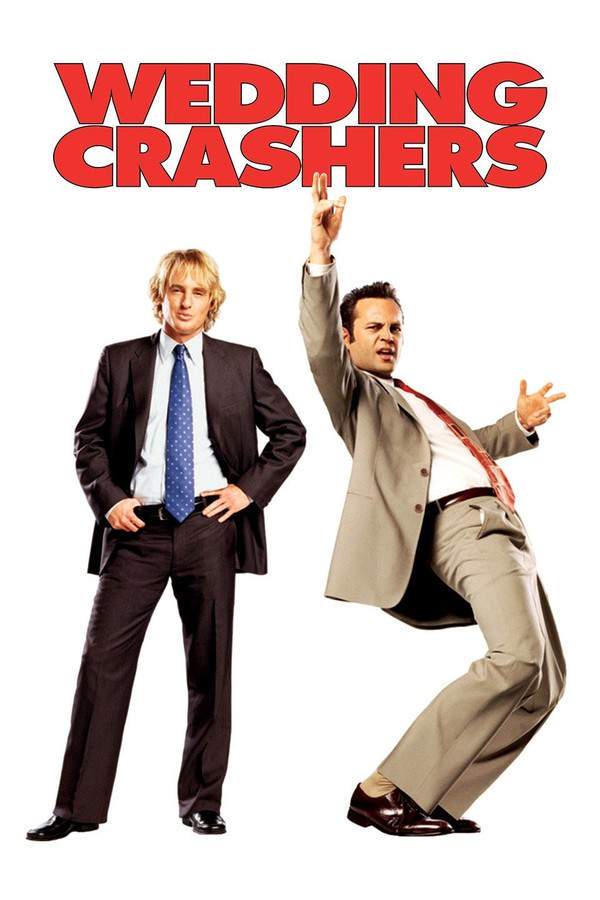
A whirlwind of social faux pas, quick banter, and fizzy romantic entanglements. Fans of the quick-fire plot and fizzy humor of Goin’ to Town will enjoy these movies. This collection features comedies with brisk pacing, sharp dialogue, and a focus on the humorous friction between characters from different social backgrounds.

  • fast-paced
  • witty
  • comedic
  • buoyant
  • satirical
  • romantic
  • Tone: light, comedic, satirical
  • Pacing: fast, whirlwind
Why these movies?

The story pattern: These narratives unfold at a breakneck speed, with a plot packed with events, chance encounters, and comic complications. The focus is less on deep emotion and more on the witty execution of a series of entertaining scenarios, often involving a romantic chase and a satirical look at social conventions.

Why they belong together: This thread groups movies that share a specific comedic rhythm: fast pacing, a light tone, and a complexity driven by multiple intertwining plots of romance and social satire, all delivered with a sense of buoyant fun.

If you liked this

Movies Like Goin’ to Town

Similar movies to Goin’ to Town: the same genre, themes or kind of story. Each one comes with its own plot summary, timeline and ending explained.

Browse all movie summaries

Every angle

Goin’ to Town (1935) Explained: Plot, Timeline & Characters

Everything about Goin’ to Town in one place: what happens in the plot summary, the timeline in chronological order, the characters and meaning and a spoiler-free summary. What's After the Movie adds the cast, box office and post-credit scenes.

Coming soon on iOS and Android

The Plot Explained Movie Summary App

Plot summaries, endings explained and timelines on your phone. Catch up on any movie in minutes, save your favorites and never miss a twist again.

Be the first to know when we launch. Your email stays private, always.

Learn more about the app