Plot Explained Spoilers guaranteed!
Plot Explained

Browse by genre

Godsend (2004) movie poster

Plot Summary

Godsend (2004) Plot Summary Explained

Release, runtime and language
2004 · 102 min · English
JustWatch #19,638 14
Directed by
Nick Hamm
Starring
Robert De Niro, Greg Kinnear, Cameron Bright, Rebecca Romijn
Budget
$25M

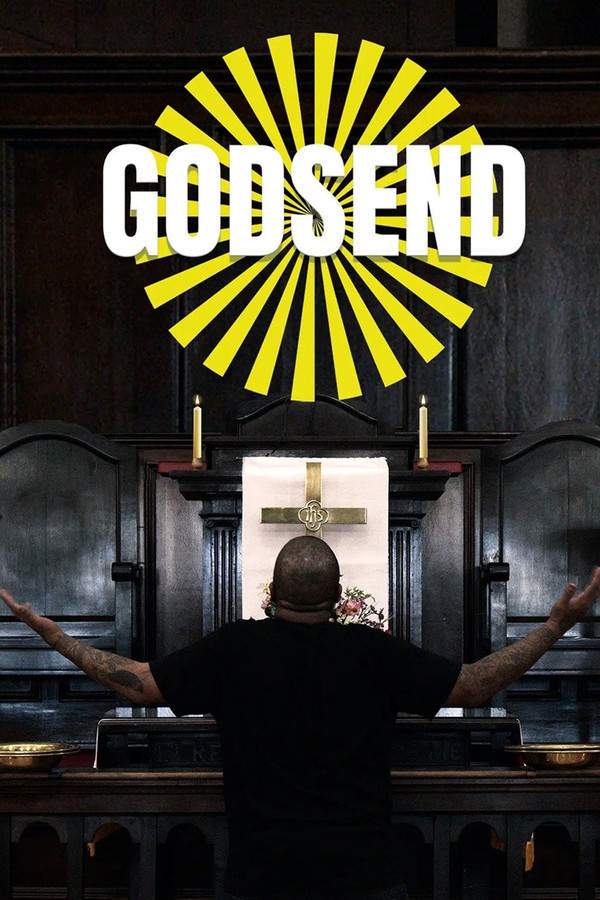
Lost and disoriented, a man awakens with no memory of who he is, finding himself alone under a bridge. He struggles to survive, facing the indifference of those around him and grappling with the physical toll of his unknown past. Amidst the hardship, he discovers unexpected friendship with a devoted dog and a caring pastor, who offer him comfort and a chance at rediscovering his identity and finding a new purpose.

On this page (6)
  1. 1 Where to watch
  2. 2 What happens: full plot
  3. 3 Plot questions answered
  4. 4 Movie threads
  5. 5 Movies like Godsend
  6. 6 Every angle

Where to watch

Where to Watch Godsend (2004)

Where can you watch Godsend? Stream, rent or buy it in the US, including on Amazon Prime Video, Amazon MX Player and Amazon Prime Video Free: current JustWatch availability with up-to-date prices.

Streaming availability powered by JustWatch

Full plot summary · contains spoilers

What Happens in Godsend: Full Plot Summary

The whole story of Godsend (2004) explained, from the opening scene to the final frame: every key event, every twist and what it all adds up to. Read it as a quick recap before the sequel, to check a scene you missed, or to finally understand what really happened.

Paul and Jessie Duncan, portrayed by Greg Kinnear and Rebecca Romijn, enjoy a blissful marital life with their beloved eight-year-old son, Adam, played by Cameron Bright. Tragically, their happiness is shattered when Adam dies in a car accident just a day after celebrating his birthday. In the aftermath of their devastating loss, the couple encounters Dr. Richard Wells, a former professor of Jessie’s, portrayed by Robert De Niro, who proposes an audacious solution: cloning Adam. Although initially hesitant, the Duncans agree to undergo this illegal procedure, involving a complete change of their identities.

As the new Adam grows up, everything seems promising until he reaches the age at which the original Adam met his untimely fate. On the night of his eighth birthday, he suffers from intense nightmares, which Dr. Wells reassures Paul are a common ordeal for boys his age. However, the situation takes a sinister turn as Adam II begins to experience these nightmares while awake, losing grip on his reality amidst a terrifying wave of visions.

These haunting visions consist of a tormented boy named Zachary, wandering alone through a school, where he is ridiculed by his peers. This bleak imagery is interspersed with horrific scenes of a school engulfed in flames and a mysterious woman brutally attacked with a hammer. Over time, these disturbing events impact Adam’s behavior, turning him into a bitter and troubled child who begins bullying his classmates.

One evening, a disturbing phone call from the parent of a missing child leads to an unsettling revelation: Adam had lied about his whereabouts on the day of the child's disappearance. Shortly thereafter, Paul and Jessie are confronted by the chilling sight of the boy's body being retrieved from the river. Consumed by suspicion, Paul grows increasingly anxious about Adam's involvement in these chilling events.

With Dr. Wells' guidance, Paul delves deeper into Adam's visions, uncovering the identity of the school in his dreams—Saint Pius—and the name of the bullied boy—Zachary Clark. This newfound clarity drives Paul on a quest to learn more about Zachary's troubled past, leading to the shocking discovery that Zachary's life ended tragically when he set fire to his home and killed his mother.

In a twist of fate, Paul learns that Zachary's father, a geneticist, is none other than Dr. Wells himself, who had combined Zachary’s damaged DNA with Adam's in a desperate attempt to resurrect his lost son. Faced with this realization, Paul rushes home, only to find Adam and Jessie in grave danger, as Zachary’s essence begins to take over Adam’s mind, pushing him towards violence.

In a frantic race against time, Paul manages to save Jessie just moments before Adam, under Zachary's influence, strikes. Although the immediate threat is vanquished and Adam appears back to normal, the family decides to relocate in search of peace. Initially, their new life seems idyllic with Adam once again showing signs of happiness. However, when left alone in his room, the nightmare returns—Zachary's decayed arm reaches out from the depths of a closet, drawing Adam into a shadowy grip, signaling that the battle for identity is far from over.
Last updated: October 27, 2024 at 21:54

Was this helpful?

Plot questions answered

Godsend Plot Explained: Your Questions Answered

The questions people ask most about Godsend (2004): what happens in the confusing scenes, why the characters do what they do, the twists, hidden details and what the ending means. Each answer contains spoilers.

Q1

Why did Paul and Jessie agree to clone their son?

They agreed because their grief over losing Adam in a car accident was unbearable. Dr. Wells, who was Jessie's former professor, presented cloning as a way to resurrect their lost son. Despite the procedure being illegal and requiring them to assume new identities, their desperation to have their child back overcame their initial hesitation.

  • cloning decision
  • grief
  • parental loss
  • dr wells
Q2

Why does Adam start having nightmares when he turns eight?

Adam begins having nightmares at age eight because that's exactly when the original Adam died in the car accident. The nightmares mark the same age milestone, triggering psychological disturbances that signal something is going wrong with the cloning process.

  • nightmares
  • age eight
  • cloning side effects
  • psychological trauma
Q3

Who is Zachary Clark and why is he appearing in Adam's visions?

Zachary Clark is a boy who was severely bullied at Saint Pius School and tragically died in a fire he set himself, which killed his mother. He appears in Adam's visions because his DNA was mixed with Adam's during the cloning process, causing his memories and consciousness to merge with Adam's.

  • zachary clark
  • visions
  • bullying
  • school fire
  • dna mixing
Q4

What is Dr. Wells' connection to Zachary?

Dr. Wells is Zachary Clark's father. As a geneticist, he conducted the illegal cloning procedure and secretly mixed Zachary's damaged DNA with Adam's original DNA in a desperate attempt to bring back his own dead son, resulting in the dual-identity crisis that Adam experiences.

  • dr wells
  • zachary father
  • geneticist
  • dna experiment
  • secret motive
Q5

What happened to the missing child whose body was found in the river?

The missing child disappeared after Adam lied about his whereabouts on the day of the disappearance. While Adam's deception raises suspicion, the film doesn't definitively confirm his involvement. The discovery of the body intensifies Paul's fear that Adam, under Zachary's influence, may have committed violence.

  • missing child
  • river body
  • adam lie
  • suspicion
Q6

Why does Adam become violent and start bullying his classmates?

Adam becomes violent because Zachary Clark's consciousness is beginning to take over his mind. As Zachary's traumatic memories merge with Adam's identity, Adam adopts aggressive behavior, reflecting the rage and pain that Zachary experienced as a bullied, abused child.

  • violence
  • bullying
  • zachary possession
  • behavioral change
  • identity struggle
Q7

How did Dr. Wells create Adam using Zachary's DNA?

Dr. Wells performed an illegal cloning procedure that combined the original Adam's DNA with Zachary Clark's DNA. He had harvested Zachary's genetic material after Zachary's death and mixed it with Adam's in hopes that his own son's consciousness would somehow transfer, but the experiment resulted in a fractured identity.

  • cloning procedure
  • dna combination
  • illegal experiment
  • geneticist
Q8

What happens when Paul saves Jessie from Adam?

When Paul returns home, he finds Adam under Zachary's complete control, about to attack Jessie with a hammer. Paul intervenes just in time, saving Jessie from violence. The immediate threat is neutralized, but the family's relief is short-lived as the underlying identity conflict remains unresolved.

Foreshadowing: Paul had previously seen visions of a woman attacked with a hammer, foreshadowing this violent confrontation.

  • climax
  • violence
  • hammer attack
  • paul saves jessie
  • zachary takes over
Q9

Does the ending resolve Adam's possession by Zachary?

The ending is ambiguous and does not fully resolve the conflict. After moving to a new location, Adam appears normal again, but the final scene shows Zachary's decayed arm reaching from the closet, grabbing Adam. This suggests Zachary's essence remains dominant and the psychological battle for Adam's identity is far from over.

  • ending
  • ambiguous resolution
  • zachary returns
  • closet scene
  • identity not healed
Q10

Why did Dr. Wells choose the Duncan family for his cloning experiment?

Dr. Wells chose the Duncans because he was Jessie's former professor, giving him access and trust. After Adam died, he approached the grieving couple with his proposal, using their desperation to bring back their son as an opportunity to pursue his own goal of resurrecting Zachary through the cloning process.

  • dr wells motive
  • jessie professor
  • trust
  • cloning opportunity

Movie threads

More Movies Like Godsend, by Mood & Story

Curated lists built around what makes Godsend tick: the same mood, the same kind of story or the same emotional payoff. Each list explains why these movies belong together.

Dark science thrillers like Godsend

Stories where tampering with nature unleashes terrifying psychological consequences. If you liked the ethical horror and psychological tension of Godsend, explore more movies where scientific experiments go terribly wrong. These films often blend thriller and horror elements, focusing on the devastating personal cost of playing god and the nightmarish reality that follows.

  • unsettling
  • suspenseful
  • ominous
  • tragic
  • paranoid
  • nightmarish
  • Tone: dark, unsettling
  • Pacing: steady, suspenseful build
Why these movies?

The story pattern: Films in this thread typically begin with a traumatic event or a desperate desire that leads characters to pursue a forbidden scientific path. The narrative follows the gradual unraveling of their world as the experiment spirals out of control, creating a psychological monster or a supernatural threat that turns on its creators, often focusing on the corruption of innocence.

Why they belong together: These movies are grouped by their shared exploration of a central ethical dilemma, a steady build of unsettling suspense, and a dark tone that questions the limits of human knowledge. They deliver a heavy emotional weight through themes of grief, loss, and the terrifying price of defying nature.

Identity crisis thrillers like Godsend

Protagonists who must piece together their past while facing a sinister present. For viewers who enjoyed the amnesia and psychological unraveling in Godsend, this section collects movies with similar themes of lost identity and hidden pasts. These films are often dark, suspenseful thrillers where the protagonist's search for truth leads them into danger and moral ambiguity.

  • paranoid
  • unsettling
  • suspenseful
  • grieving
  • tragic
  • ominous
  • Tone: dark, paranoid
  • Pacing: steady, investigative
Why these movies?

The story pattern: The narrative pattern involves a protagonist awakening to a fragmented reality, forcing them to become a detective of their own life. Clues are slowly revealed, building paranoia and suspense, as they discover that their forgotten identity is connected to a larger, often sinister, plot. The journey is internal and external, blending psychological drama with thriller elements.

Why they belong together: These films share a core focus on the theme of identity, a dark and suspenseful tone, and a steady pacing that mirrors the protagonist's methodical search for answers. They create a heavy emotional weight through the visceral fear of not knowing who you are and the tragic revelations that often follow.

If you liked this

Movies Like Godsend

Similar movies to Godsend: the same genre, themes or kind of story. Each one comes with its own plot summary, timeline and ending explained.

Browse all movie summaries

Every angle

Godsend (2004) Explained: Plot, Timeline & Characters

Everything about Godsend in one place: what happens in the plot summary, the timeline in chronological order, the characters and meaning and a spoiler-free summary. What's After the Movie adds the cast, box office and post-credit scenes.

Coming soon on iOS and Android

The Plot Explained Movie Summary App

Plot summaries, endings explained and timelines on your phone. Catch up on any movie in minutes, save your favorites and never miss a twist again.

Be the first to know when we launch. Your email stays private, always.

Learn more about the app