Year: 1996
Runtime: 120 min
Language: English
Director: Spike Lee
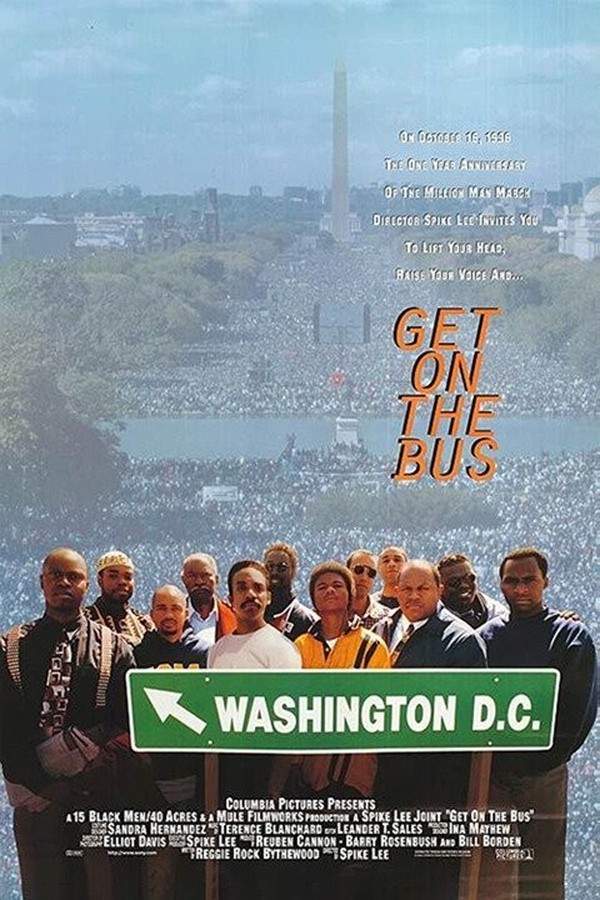
A diverse group of African-American men travel together on a bus to Washington D.C. for the historic Million Man March. During the journey, unexpected connections arise among the passengers, who represent a wide range of ages and backgrounds. From a young man facing legal troubles to a seasoned civil rights leader, their individual stories of struggle, hope, and resilience reveal the complexities of the Black American experience and the power of community.
Get a spoiler-free look at Get on the Bus (1996) with a clear plot overview that covers the setting, main characters, and story premise—without revealing key twists or the ending. Perfect for deciding if this film is your next watch.
In the heat of a late‑summer California afternoon, a rickety Spotted Owl bus rolls westward, its destination the historic Million Man March in Washington, D.C. The road becomes a moving crossroads where a dozen African‑American men, strangers bound only by race and a common purpose, share a cramped and noisy space. The film’s tone balances wry humor with earnest introspection, letting the hum of the engine and the endless horizon amplify the unspoken questions each traveler carries about identity, family, and the future of their community.
At the helm of the pilgrimage sits George, a seasoned organizer whose calm demeanor masks the weight of coordinating such a diverse convoy. Beside him, the venerable Jeremiah—affectionately called “Pop”—offers a living archive of civil‑rights history, his weathered voice often breaking the silence with stories that echo across generations. Their presence sets a respectful, almost ceremonial rhythm for the journey, hinting at the deeper connections waiting to surface.
The bus’s passenger list reads like a miniature tapestry of Black America. Evan and his son Evan Jr., known as “Smooth,” travel together under the strain of a strained father‑son bond. Kyle and Randall sit side‑by‑side, navigating the complexities of a relationship that challenges both personal and societal expectations. The flamboyant Flip, a self‑absorbed actor, brings a sharp edge to conversations, while Gary, a biracial LAPD officer, grapples quietly with his dual loyalties. Behind a camcorder, Xavier captures fleeting moments, hoping to memorialize the trip; Jamal, a former street figure turned Muslim, seeks a path of redemption. The ever‑laughing Jay and the conspiratorial Mike sprinkle the ride with levity, and Craig, the stoic driver, steers more than just a vehicle, quietly wrestling with his own family concerns.
Together they form a micro‑society that teeters between tension and camaraderie, their dialogues ranging from pop culture to politics, from personal regrets to collective hope. As miles stretch behind them, the bus becomes a crucible where differing worldviews clash and meld, offering a portrait of the Black experience that is at once intimate and universal. The anticipation of the March hangs in the air, an unspoken promise that this transient gathering might spark something larger than any single story.
Last Updated: August 10, 2025 at 13:24
Discover curated groups of movies connected by mood, themes, and story style. Browse collections built around emotion, atmosphere, and narrative focus to easily find films that match what you feel like watching right now.
Diverse groups travel together, sharing stories and forging bonds through shared struggle.If you liked the shared journey and bonding in Get on the Bus, explore other movies where diverse groups travel together. These character-driven stories focus on the collective healing and understanding that emerges from shared struggle and conversation, creating a heartfelt and hopeful viewing experience.
The narrative unfolds linearly around a shared goal or destination, using the journey as a device to force characters into proximity. Through dialogue, flashbacks, and conflicts, individual stories are revealed, culminating in a collective emotional experience that affirms the power of unity over isolation.
They are grouped together because they share a distinctive 'on the road' structure centered on character interaction rather than high-stakes action. The core similarity is the focus on how a communal journey catalyzes personal growth and forges a 'found family,' blending serious themes with an ultimately uplifting tone.
Interwoven stories of struggle that find hope in connection, not perfect resolutions.Find movies similar to Get on the Bus that feature an ensemble cast dealing with serious life issues. These dramas skillfully balance heavy themes with heartfelt moments, leading to endings that are bittersweet yet hopeful, focusing on the strength found in community and shared experience.
Multiple character perspectives are introduced and developed in parallel, often converging around a central event or location. The plot is driven by dialogue and emotional revelation rather than external action, building towards a climax that acknowledges pain and loss but emphasizes the enduring value of the bonds that have been formed.
These films share a specific emotional mix: they tackle difficult subjects with medium to heavy emotional weight, yet maintain a fundamentally hopeful tone. The pacing is steady, allowing for deep character exploration, and they consistently conclude with a bittersweet feeling that feels earned and authentic, rather than neatly resolved.
Don't stop at just watching — explore Get on the Bus in full detail. From the complete plot summary and scene-by-scene timeline to character breakdowns, thematic analysis, and a deep dive into the ending — every page helps you truly understand what Get on the Bus is all about. Plus, discover what's next after the movie.
Read a complete plot summary of Get on the Bus, including all key story points, character arcs, and turning points. This in-depth recap is ideal for understanding the narrative structure or reviewing what happened in the movie.
Track the full timeline of Get on the Bus with every major event arranged chronologically. Perfect for decoding non-linear storytelling, flashbacks, or parallel narratives with a clear scene-by-scene breakdown.
Discover the characters, locations, and core themes that shape Get on the Bus. Get insights into symbolic elements, setting significance, and deeper narrative meaning — ideal for thematic analysis and movie breakdowns.
Visit What's After the Movie to explore more about Get on the Bus: box office results, cast and crew info, production details, post-credit scenes, and external links — all in one place for movie fans and researchers.
Discover movies like Get on the Bus that share similar genres, themes, and storytelling elements. Whether you’re drawn to the atmosphere, character arcs, or plot structure, these curated recommendations will help you explore more films you’ll love.
Get on the Bus (1996) Scene-by-Scene Movie Timeline
Get on the Bus (1996) Movie Characters, Themes & Settings
Get on the Bus (1996) Spoiler-Free Summary & Key Flow
Movies Like Get on the Bus – Similar Titles You’ll Enjoy
Green Book (2018) Plot Summary & Ending Explained
Get On Up (2014) Plot Summary & Ending Explained
On the Road (2012) Movie Recap & Themes
The Long Walk Home (1990) Full Summary & Key Details
Bus Driver (2016) Detailed Story Recap
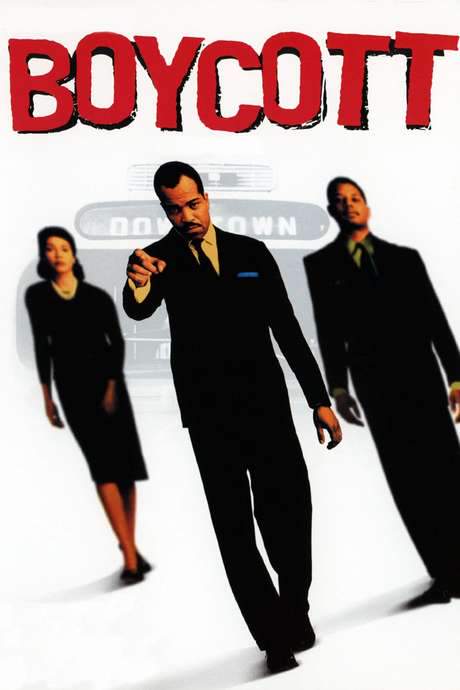
Boycott (2001) Story Summary & Characters
Bustin’ Loose (1981) Full Movie Breakdown
The Bus Coach Journey (1986) Detailed Story Recap
Bussen (1963) Story Summary & Characters
Bus Riley’s Back in Town (1965) Detailed Story Recap
The Bus Is Coming (1971) Complete Plot Breakdown
The Wayward Bus (1957) Full Movie Breakdown
The Big Bus (1976) Story Summary & Characters
Where’s the Bus? (1966) Ending Explained & Film Insights
The Bus (1965) Complete Plot Breakdown