Plot Explained Spoilers guaranteed!
Plot Explained

Browse by genre

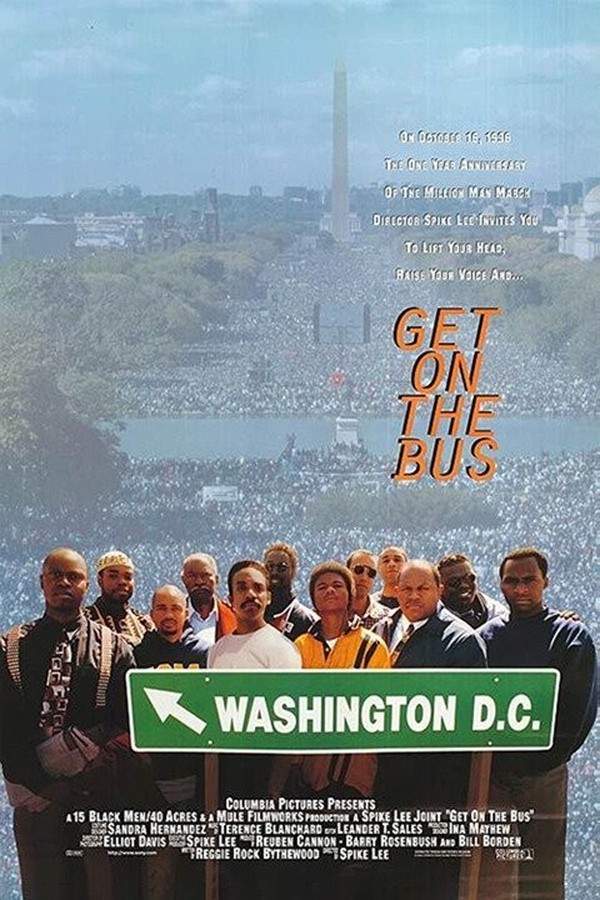
Get on the Bus (1996) movie poster

Timeline

Get on the Bus (1996) Timeline Explained – Every Event in Order

Release, runtime and language
1996 · 120 min · English
Directed by
Spike Lee
Starring
Harry Lennix, Albert Hall, Ossie Davis, Andre Braugher, Charles S. Dutton, Richard Belzer

A diverse group of African-American men travel together on a bus to Washington D.C. for the historic Million Man March. During the journey, unexpected connections arise among the passengers, who represent a wide range of ages and backgrounds. From a young man facing legal troubles to a seasoned civil rights leader, their individual stories of struggle, hope, and resilience reveal the complexities of the Black American experience and the power of community.

On this page (5)
  1. 1 Events in order (13)
  2. 2 Timeline questions answered
  3. 3 Movie threads
  4. 4 Movies like Get on the Bus
  5. 5 Every angle

13 events in order · contains spoilers

Get on the Bus Timeline: Events in Chronological Order

Every key event of Get on the Bus (1996) in order, scene by scene, with when and where it takes place. Use it to untangle flashbacks, time jumps and parallel storylines, to refresh your memory before the sequel or to find the exact scene you are thinking of.

  1. Departure from Los Angeles

    A group of twelve African American men embarks on their journey aboard a Spotted Owl Bus, aiming to reach the Million Man March in Washington D.C. This motley crew is united only by their race and a shared purpose, signaling the start of an important journey towards unity and understanding.

    Where
    Los Angeles
  2. Introduction of Key Characters

    During the ride, each man begins to reveal their background and circumstances, forming a tapestry of diverse experiences. Notable characters include George, the organizer of the trip, and Jeremiah, the seasoned elder providing wisdom and perspective.

  3. Conversations About Identity

    As the journey progresses, the men engage in deep conversations that reveal their contrasting political beliefs and hardships. These discussions lay bare the complexity of their identities, including the struggles faced by Gary, the biracial LAPD officer.

  4. Xavier Documents the Journey

    Xavier, a UCLA Film School student, takes on the role of documenting the trip using his camcorder. His attempts to capture personal interviews and moments of camaraderie often meet with resistance and ridicule from some of the other passengers.

  5. Flip's Prejudice Causes Tension

    Throughout the trip, Flip, a narcissistic actor, displays his prejudices, particularly towards the gay couple Kyle and Randall. His comments lead to rising tensions among the group, culminating in a fistfight that exposes the underlying hostility.

  6. The Bus Breaks Down

    The group’s journey faces a significant setback when the bus experiences a breakdown. They are left stranded and must come to terms with the frustration and uncertainty of their trip, which adds a new layer of challenges to their already complex dynamics.

  7. Racist Statements Cause Conflict

    After the bus is taken over by a new driver named Rick, a heated argument arises when he opposes racist statements made about Louis Farrakhan. This sparks further discussions on race and racism, energizing the group but also amplifying their conflicts.

  8. Encounters with Strangers

    During various rest area stops, the men interact with travelers from different backgrounds, showcasing both kindness and prejudice. These encounters reflect the broader societal attitudes towards race and provide moments of humor and humility amidst their own struggles.

  9. Confrontation with Tennessee State Troopers

    Their journey takes a serious turn when they experience a confrontation with Tennessee state troopers over racially charged suspicions. This incident forces the group to confront the harsh realities of racism, uniting them against a common adversary.

    Where
    Tennessee
  10. Jeremiah's Health Crisis

    Tragedy strikes when the elderly Jeremiah collapses during the journey and is rushed to the hospital. The group soon learns of his passing due to heart disease, plunging them into collective grief and prompting them to reevaluate the true purpose of their journey.

  11. Collective Grief and Bonding

    In the aftermath of Jeremiah’s death, the men bond over their shared loss and reflect on their individual experiences. This moment of vulnerability strengthens their connections, transforming the journey into more than just a trip to a march.

  12. Watching the March on Television

    Despite never reaching the Million Man March in person, the group watches the event unfold on television. This shared experience serves as a bittersweet reminder of their connection to a larger movement they are now a part of.

  13. Final Prayer at the Lincoln Memorial

    In a poignant final scene, George leads the men in a heartfelt prayer written by Jeremiah before he passed. This moment at the Lincoln Memorial solidifies their purpose and unity, highlighting the transformative power of their journey.

    Where
    Lincoln Memorial

Last updated: November 03, 2024 at 22:33

Was this helpful?

Timeline questions answered

Get on the Bus Timeline Explained: Your Questions Answered

When does it happen, and why in that order? The questions people ask about the chronology of Get on the Bus (1996): time jumps, flashbacks, cause and effect between scenes and the correct order of events, each answered with spoilers.

Q1

Why does Jeremiah collapse on the bus?

Jeremiah, the elderly passenger nicknamed "Pop," collapses during the journey due to heart disease. He had been struggling with alcoholism after losing his job and was hoping the March would provide him with spiritual rejuvenation. The group learns of his passing at a hospital, and his death becomes a pivotal emotional moment that unites the men in grief.

Foreshadowing: Earlier in the journey, Jeremiah shares his painful story of alcoholism and job loss, hinting at his fragile health.

  • jeremiah
  • pops
  • death
  • heart disease
  • collapse
  • health crisis
Q2

Why do the men end up watching the March on television instead of attending in person?

After Jeremiah collapses and dies, the group is devastated and their journey is interrupted. They decide to continue to Washington D.C. but arrive too late to physically attend the March. Instead, they watch the event unfold on television together, finding solace in the idea that their journey, despite not reaching its intended destination, signifies the inception of a much larger movement.

Foreshadowing: The bus breakdown and Jeremiah's health crisis both delay their arrival, making it impossible to reach the March on time.

  • million man march
  • television
  • arrival
  • livestream
  • bonding
Q3

Why does Flip attack Kyle and Randall?

Flip, a narcissistic actor, harbors prejudice against Kyle and Randall because they are a gay couple. During the journey, he openly expresses his racist and homophobic views, targeting them specifically. The tension escalates until a fistfight erupts between Flip and the group, resulting in Flip being humiliated. This confrontation exposes the underlying hostility and prejudice that exists even within their community.

Foreshadowing: Flip displays his prejudices throughout the trip, making comments that create rising tensions among the passengers.

  • flip
  • kyle
  • randall
  • fight
  • homophobia
  • gay couple
  • prejudice
Q4

Why do the passengers believe O.J. Simpson's acquittal was retribution for racial injustice?

During the journey, the men engage in discussions about the sensational O.J. Simpson case. In a rare moment of camaraderie, they unite in the belief that Simpson's acquittal represents retribution for historical racial injustices in America. This shared view reflects their collective understanding of the criminal justice system's historical treatment of Black Americans.

Foreshadowing: The men have contrasting political beliefs, which sets up the discussion about the O.J. case and its racial implications.

  • o.j. simpson
  • acquittal
  • retribution
  • racial injustice
  • justice system
Q5

Why is Gary struggling with his identity as a biracial LAPD officer?

Gary, a biracial Los Angeles Police Department officer, grapples with his identity throughout the journey. Being both Black and white while working in a predominantly white institution creates internal conflict about where he truly belongs. His discussions with the other passengers reveal the complexity of navigating multiple racial identities in America, especially within law enforcement.

Foreshadowing: The timeline notes highlight that conversations about identity are a central theme, with Gary's struggles representing one of the most complex perspectives.

  • gary
  • lapd
  • biracial
  • identity
  • police officer
  • race
Q6

Why do Tennessee state troopers confront the group?

The group experiences a confrontation with Tennessee state troopers over unfounded suspicions, likely related to their race and the bus's out-of-state plates. This incident forces the men to confront the harsh realities of racism they face even during a journey motivated by civil rights and unity. It becomes a unifying moment as they face a common adversary based on racial profiling.

Foreshadowing: Earlier encounters with both kindness and prejudice at rest stops set the stage for this more serious confrontation.

  • tennessee
  • troopers
  • confrontation
  • racial profiling
  • police
  • bus stop
Q7

What causes the bus to break down during the journey?

The bus experiences a mechanical breakdown during the trip, which strands the group and creates uncertainty about whether they will reach the March in time. This setback adds a new layer of challenges to their already complex dynamics, forcing the men to deal with frustration and the uncertainty of their journey's continuation.

Foreshadowing: The journey's description emphasizes that it is filled with challenges, and the breakdown represents one of the major obstacles.

  • bus breakdown
  • mechanical failure
  • delay
  • journey
  • obstacle
Q8

Why does the new driver Rick oppose comments about Louis Farrakhan?

After the original bus breaks down, a new driver named Rick takes over. He vocally opposes racist statements made about Louis Farrakhan, the leader of the Nation of Islam who organized the Million Man March. This sparks heated discussions among the men about race, religion, and leadership within the Black community, energizing the group but also amplifying their conflicts.

Foreshadowing: The introduction of Rick as a new driver marks a shift in the group's dynamics and opens new avenues for ideological conflict.

  • rick
  • driver
  • louis farrakhan
  • nation of islam
  • controversy
  • argument
Q9

Why is Xavier documenting the journey with his camcorder?

Xavier, a UCLA Film School student, documents the journey using his camcorder to capture personal interviews and moments of camaraderie among the passengers. He hopes to create a documentary that preserves the stories and experiences of these men making the pilgrimage to the Million Man March. However, his attempts often meet with resistance and ridicule from some of the other passengers.

Foreshadowing: Xavier's role as a documentarian is introduced early in the timeline as he begins revealing the passengers' stories through interviews.

  • xavier
  • camcorder
  • documentary
  • ucla film school
  • interviews
  • recording
Q10

Why does Jeremiah write a prayer before his death?

Before Jeremiah passes away, he writes a heartfelt prayer that becomes the centerpiece of the final scene. At the Lincoln Memorial, George leads the men in reading this prayer, which solidifies their connection and purpose. The prayer represents Jeremiah's wisdom, hope, and spiritual legacy, transforming their tragic loss into a meaningful conclusion to their journey.

Foreshadowing: Jeremiah, as the seasoned elder dubbed "Pop," brings a wealth of African-American history and wisdom to the group throughout the journey.

  • jeremiah
  • prayer
  • lincoln memorial
  • death
  • legacy
  • spiritual
Q11

Why are Evan and Junior shackled together on the bus?

Evan and his son Evan Jr. (known as "Smooth") are shackled together because Junior was arrested for petty theft. The father-son duo is traveling together despite this constraint, with Junior seeking his father's attention after feeling neglected. The shackles symbolize both their strained relationship and the legal troubles that plague many young Black men.

Foreshadowing: Junior's aspirations of becoming a gangster rap artist and his desire for his father's attention are established early in the character introductions.

  • evan
  • junior
  • smooth
  • father
  • son
  • shackles
  • petty theft
  • arrest
Q12

Why does Jeremiah's death bring the group closer together?

After Jeremiah dies, the men bond over their shared loss and collective grief. This moment of vulnerability transforms the group from a collection of strangers with individual agendas into a unified whole. The tragedy becomes a catalyst for deeper connections, helping them realize that their journey is about more than just attending a march, it's about community, shared experience, and honoring those who came before them.

Foreshadowing: The group's diverse backgrounds and contrasting beliefs create tension throughout the journey, which the tragic death ultimately resolves.

  • grief
  • bonding
  • community
  • unity
  • loss
  • jeremiah
  • death
  • group

Movie threads

More Movies Like Get on the Bus, by Mood & Story

Curated lists built around what makes Get on the Bus tick: the same mood, the same kind of story or the same emotional payoff. Each list explains why these movies belong together.

Journeys of collective healing like in Get on the Bus

Diverse groups travel together, sharing stories and forging bonds through shared struggle. If you liked the shared journey and bonding in Get on the Bus, explore other movies where diverse groups travel together. These character-driven stories focus on the collective healing and understanding that emerges from shared struggle and conversation, creating a heartfelt and hopeful viewing experience.

  • community-driven
  • hopeful
  • heartfelt
  • contemplative
  • road trip
  • ensemble cast
  • Tone: hopeful, heartfelt
  • Pacing: steady, character-driven
Why these movies?

The story pattern: The narrative unfolds linearly around a shared goal or destination, using the journey as a device to force characters into proximity. Through dialogue, flashbacks, and conflicts, individual stories are revealed, culminating in a collective emotional experience that affirms the power of unity over isolation.

Why they belong together: They are grouped together because they share a distinctive 'on the road' structure centered on character interaction rather than high-stakes action. The core similarity is the focus on how a communal journey catalyzes personal growth and forges a 'found family,' blending serious themes with an ultimately uplifting tone.

Bittersweet ensemble dramas with emotional depth like Get on the Bus

Interwoven stories of struggle that find hope in connection, not perfect resolutions. Find movies similar to Get on the Bus that feature an ensemble cast dealing with serious life issues. These dramas skillfully balance heavy themes with heartfelt moments, leading to endings that are bittersweet yet hopeful, focusing on the strength found in community and shared experience.

  • bittersweet
  • heartfelt
  • melancholic
  • contemplative
  • ensemble
  • hopeful
  • Tone: bittersweet, hopeful
  • Pacing: steady, introspective
Why these movies?

The story pattern: Multiple character perspectives are introduced and developed in parallel, often converging around a central event or location. The plot is driven by dialogue and emotional revelation rather than external action, building towards a climax that acknowledges pain and loss but emphasizes the enduring value of the bonds that have been formed.

Why they belong together: These films share a specific emotional mix: they tackle difficult subjects with medium to heavy emotional weight, yet maintain a fundamentally hopeful tone. The pacing is steady, allowing for deep character exploration, and they consistently conclude with a bittersweet feeling that feels earned and authentic, rather than neatly resolved.

If you liked this

Movies Like Get on the Bus

Similar movies to Get on the Bus: the same genre, themes or kind of story. Each one comes with its own plot summary, timeline and ending explained.

Browse all movie summaries

Every angle

Get on the Bus (1996) Explained: Plot, Timeline & Characters

Everything about Get on the Bus in one place: what happens in the plot summary, the timeline in chronological order, the characters and meaning and a spoiler-free summary. What's After the Movie adds the cast, box office and post-credit scenes.

Coming soon on iOS and Android

The Plot Explained Movie Summary App

Plot summaries, endings explained and timelines on your phone. Catch up on any movie in minutes, save your favorites and never miss a twist again.

Be the first to know when we launch. Your email stays private, always.

Learn more about the app