Plot Explained Spoilers guaranteed!
Plot Explained

Browse by genre

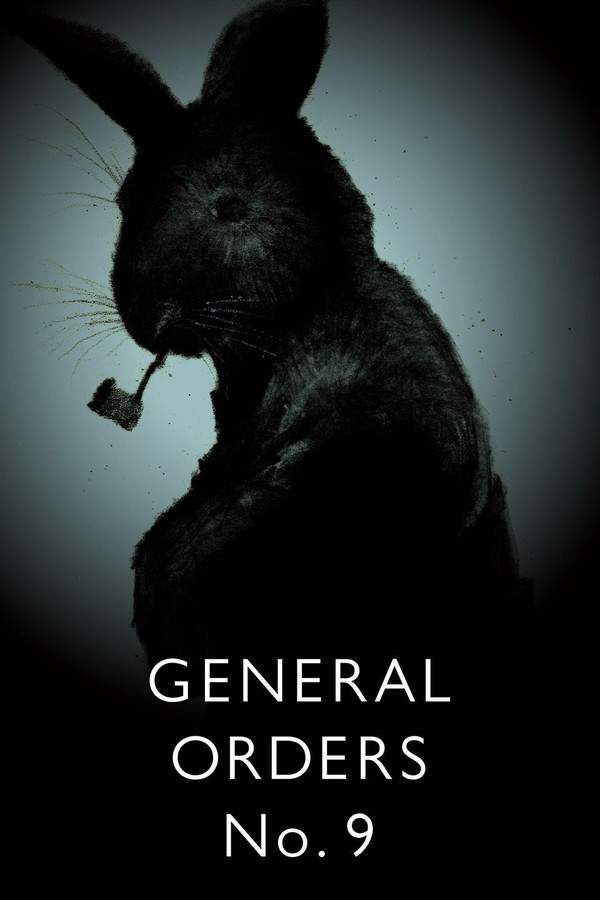
General Orders No. 9 (2011) movie poster

Characters & Themes

General Orders No. 9 (2011) Characters, Setting & Themes Explained

Release, runtime and language
2011 · 72 min · English
Loading streaming availability…
Directed by
Robert Persons

This documentary explores the complex relationship between nature and human development in the American South. Through a blend of striking visuals, poetry, and music, director Robert Persons creates a poignant reflection on change and loss. Spanning over a decade, the film offers a cinematic journey filled with breathtaking cinematography and a deeply personal exploration of the search for meaning in a changing landscape.

On this page (7)
  1. 1 Where to watch
  2. 2 Where & when it takes place
  3. 3 Themes & meaning (3)
  4. 4 Character & meaning questions
  5. 5 Movie threads
  6. 6 Categories
  7. 7 Every angle
Loading streaming availability…

Setting

Where and When Does General Orders No. 9 Take Place?

The setting of General Orders No. 9 (2011): the year and time period, the places and locations, and how they shape the characters, the mood and the tension of the story.

Time period

1865

The movie touches upon the events surrounding the surrender of General Robert E. Lee in 1865, which marked the end of the Civil War. This period was pivotal in shaping the cultural identity of the South, transitioning from a battleground of conflict to a realm grappling with its historical memory. The film alludes to the lasting impacts of war-related trauma on the contemporary landscape.

Location

Georgia, American Deep South

Georgia, located in the American Deep South, is known for its lush landscapes and rich cultural history. The state features a diverse range of environments, from serene waterways to dusty rural routes, all reflective of its past. The remnants of sharecropping wastelands and plantations serve as haunting symbols of the South's complex legacy.

  • 🌳 Nature
  • 🏛️ Historical
  • 🌾 Rural

Last updated: October 22, 2024 at 21:11

Was this helpful?

3 major themes

General Orders No. 9 Meaning: Themes & Message Explained

What is General Orders No. 9 (2011) really about? The emotional, social and philosophical themes the film keeps returning to, its symbolism and the message beneath the surface.

  • Cultural Identity

    The film explores the complexities of Southern cultural identity, emphasizing both enduring pain and the possibility of redemption. It highlights how historical events shape present realities, uncovering buried narratives that inform contemporary life. Through vivid imagery, the film invites viewers to confront this multifaceted legacy.

  • Nature's Beauty

    Nature plays a critical role in the film, showcasing the breathtaking landscapes of Georgia. The portrayal of rural settings juxtaposed with urban encroachment reflects broader themes of loss and change in the environment. Nature serves as both an aesthetic backdrop and a symbol of the region's history.

  • Suffering and Triumph

    The film contrasts moments of suffering with instances of remarkable triumph, portraying the historical and emotional landscapes of the South. It delves into the human experience, addressing themes of endurance despite adversity. This duality resonates throughout the narrative, enriching the viewer's understanding of the South's rich yet troubled past.

Last updated: October 22, 2024 at 21:11

Was this helpful?

Character & theme questions

General Orders No. 9 Characters & Meaning: Your Questions Answered

The questions people ask about General Orders No. 9 (2011): who the characters really are, their relationships, what the symbols mean, where it takes place and what the movie is really about. Each answer contains spoilers.

Q1

Where is this film set?

The film is set in Georgia, specifically in the American Deep South. It showcases the state's diverse environments, from serene waterways to dusty rural routes, and includes imagery of abandoned sharecropping wastelands and former plantation sites that serve as haunting reminders of the region's complex history.

  • georgia
  • american deep south
  • setting
  • rural
  • plantations
Q2

What time period does the film cover?

While primarily set in contemporary times, the film references the year 1865 when General Robert E. Lee surrendered, marking the end of the Civil War. It explores how this pivotal historical moment continues to shape the cultural identity and landscape of the contemporary South.

  • civil war
  • 1865
  • historical
  • time period
  • robert e lee
Q3

What are the main themes explored?

The film explores three interconnected themes: cultural identity, which examines the South's complex legacy and the possibility of redemption; nature's beauty, which showcases Georgia's landscapes while reflecting on loss and change; and the duality of suffering and triumph, portraying the endurance of the human spirit despite adversity.

  • themes
  • cultural identity
  • nature
  • suffering
  • triumph
  • south
Q4

How does the film portray Southern cultural identity?

The film presents Southern identity as multifaceted, emphasizing both enduring pain and the possibility of redemption. It explores how historical events like the Civil War continue to shape present realities, uncovering buried narratives that inform contemporary Southern life.

  • southern identity
  • cultural identity
  • redemption
  • history
  • legacy
Q5

What role does nature play in the film?

Nature serves as both the aesthetic backbone and a symbolic force in the film. The breathtaking landscapes of Georgia are presented as both beautiful and fragile, with the contrast between rural settings and urban encroachment reflecting broader themes of environmental loss and transformation.

  • nature
  • georgia landscape
  • environment
  • rural
  • loss
  • change
Q6

Why is the film described as melancholic?

The film carries a melancholic tone through its focus on decay, loss, and fading history. However, it avoids being bleak because of the sheer beauty in its presentation and poetic delivery. The melancholy stems from confronting the South's troubled past while acknowledging both its pain and its capacity for resilience.

  • melancholy
  • tone
  • decay
  • loss
  • beauty
  • poetry
Q7

What does the film say about change and loss?

The film presents change and loss as unavoidable forces shaping both the landscape and the people of the South. Through its meditative pacing and striking visuals, it acknowledges the pain of transformation while finding meaning in the search for understanding and catharsis.

  • change
  • loss
  • transformation
  • decay
  • catharsis
Q8

How does Civil War history factor into the film?

The Civil War, particularly the 1865 surrender of General Lee, serves as a central historical reference point. The film examines how this conflict transformed the South from a battleground to a region grappling with its historical memory, exploring the lasting trauma that continues to affect the contemporary landscape.

  • civil war
  • robert e lee
  • 1865
  • historical trauma
  • south
Q9

What kind of documentary is this film?

This is a contemplative, atmospheric documentary that prioritizes reflection over narrative. It uses a blend of striking visuals, poetry, and music rather than traditional interview or interview-driven formats. The pacing is slow, emphasizing lingering shots and narration to build a meditative mood.

  • documentary
  • style
  • atmospheric
  • poetry
  • visual
Q10

What is the overall tone and mood of the film?

The film maintains a melancholic but beautiful tone, dealing with heavy themes like cultural trauma and loss while softening their impact through poetic and artistic delivery. It balances sadness with moments of hope, creating a thoughtful rather than emotionally crushing experience.

  • tone
  • mood
  • melancholy
  • artistic
  • poetic
  • contemplative
Q11

What does the ending suggest about catharsis?

The ending feel is ambiguous, suggesting an ongoing journey toward catharsis rather than a definitive resolution. The film leaves viewers with the sense that healing and understanding are continuous processes, reflecting the unresolved nature of the historical and personal struggles it explores.

  • ending
  • catharsis
  • ambiguity
  • resolution
  • journey

Movie threads

More Movies Like General Orders No. 9, by Mood & Story

Curated lists built around what makes General Orders No. 9 tick: the same mood, the same kind of story or the same emotional payoff. Each list explains why these movies belong together.

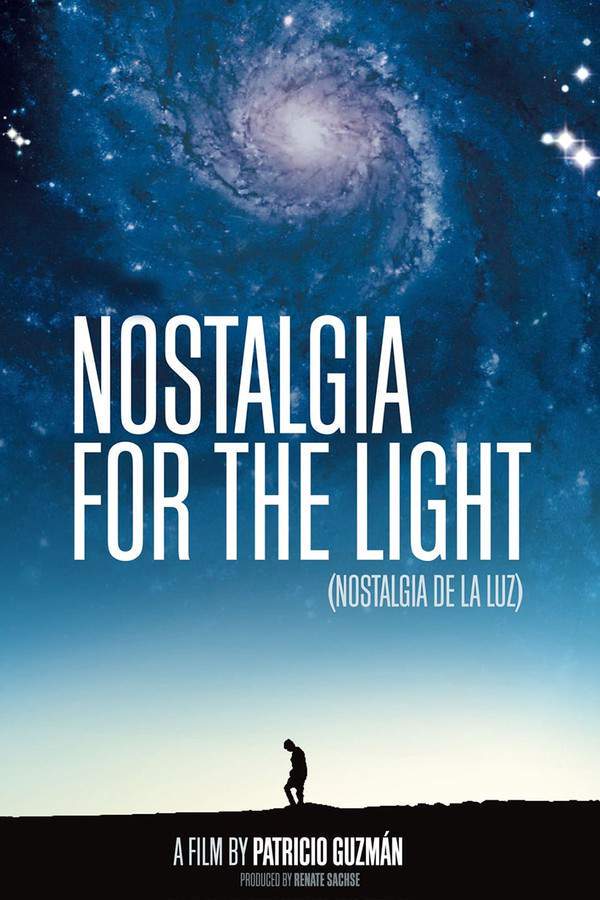
Poetic and haunting elegies for lost worlds like General Orders No. 9

Melancholic meditations on fading cultures and the ghosts of history. Find more movies like General Orders No. 9 that serve as cinematic elegies. These films share a melancholic, poetic tone and a slow, reflective pace, using beautiful cinematography and profound themes of cultural memory and loss to create a deeply resonant viewing experience.

  • melancholic
  • poetic
  • haunting
  • nostalgic
  • reflective
  • somber
  • Tone: melancholic, reflective, somber
  • Pacing: slow, meditative, lingering
Why these movies?

The story pattern: Narratives in this thread are less about linear plots and more about creating a tapestry of feeling and memory. They often unfold as a series of reflections, observations, and historical fragments, piecing together a portrait of a place or people marked by time and change. The journey is internal and philosophical, leading to a contemplative and often ambiguous conclusion.

Why they belong together: These films are grouped by their shared commitment to a poetic form of filmmaking, a somber and reflective mood, and a deep thematic engagement with loss—be it cultural, environmental, or personal. They prioritize atmosphere and emotion over traditional narrative propulsion.
Cinematic tone poems of place and memory like General Orders No. 9

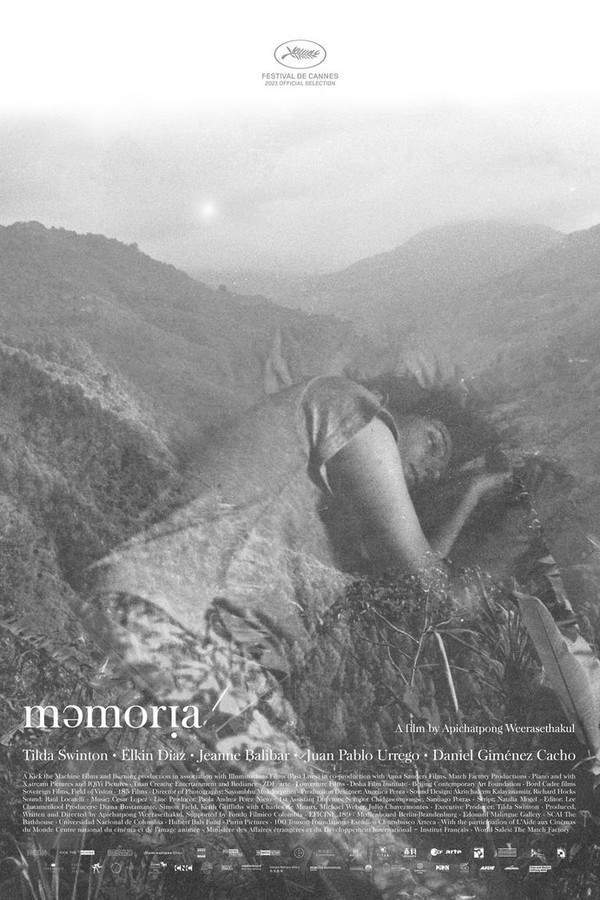
Slow, impressionistic films that are more about atmosphere than plot. Discover films with a similar feel to General Orders No. 9 that act as cinematic tone poems. If you enjoyed its slow pace, dreamlike visuals, and emphasis on mood over narrative, you'll find more contemplative and artistically-driven movies here.

  • dreamlike
  • atmospheric
  • impressionistic
  • contemplative
  • visual
  • hypnotic
  • Tone: dreamlike, melancholic, contemplative
  • Pacing: very slow, atmospheric, impressionistic
Why these movies?

The story pattern: The narrative pattern is often loose and associative, moving like a stream of consciousness through images and sounds connected by theme rather than cause-and-effect. The structure is more musical or poetic than dramatic, building to an emotional or philosophical resonance rather than a plot resolution.

Why they belong together: These films are united by their experimental approach to form, prioritizing mood, texture, and visual poetry. They share a deliberate, slow pacing that allows the audience to absorb the atmosphere and are often driven by a central, poignant theme like memory or the passage of time.

Categories

Movie Lists Featuring General Orders No. 9

General Orders No. 9 appears in these hand-built movie categories. Each one groups movies by a specific mood, theme or story type, with their plot summaries and endings explained.

View all movie categories

Every angle

General Orders No. 9 (2011) Explained: Plot, Timeline & Characters

Everything about General Orders No. 9 in one place: what happens in the plot summary, the timeline in chronological order, the characters and meaning and a spoiler-free summary. What's After the Movie adds the cast, box office and post-credit scenes.

Coming soon on iOS and Android

The Plot Explained Movie Summary App

Plot summaries, endings explained and timelines on your phone. Catch up on any movie in minutes, save your favorites and never miss a twist again.

Be the first to know when we launch. Your email stays private, always.

Learn more about the app