Plot Explained Spoilers guaranteed!
Plot Explained

Browse by genre

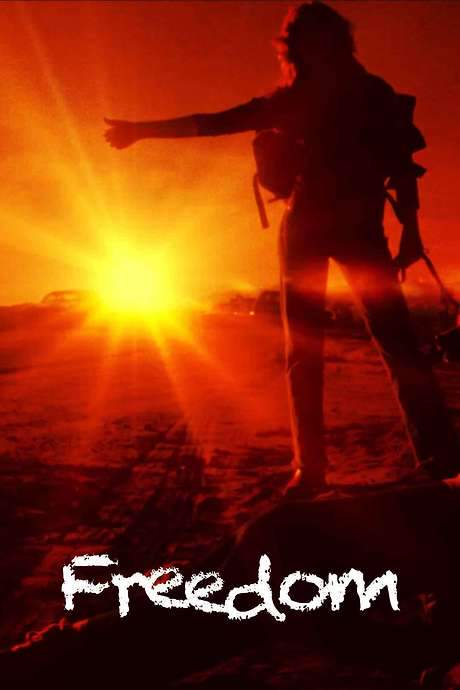
Freedom (1981) movie poster

Plot Summary

Freedom (1981) Plot Summary Explained

Release, runtime and language
1981 · 95 mins · English
Loading streaming availability…
Directed by
Joseph Sargent
Starring
Jennifer Warren, Mare Winningham, J. Pat O'Malley, Roy Thinnes, Peter Horton, Tony Bill

Libby, a gifted musician and free‑spirit young woman, feels stifled by her divorced journalist mother’s strict control. Determined to claim her independence, she runs away, hits the open road and soon finds herself welcomed into a nomadic traveling carnival. There she experiences the liberty she has longed for, while confronting the harsh realities and hard lessons that life on the road inevitably brings.

On this page (5)
  1. 1 Where to watch
  2. 2 What happens: full plot
  3. 3 Plot questions answered
  4. 4 Movie threads
  5. 5 Every angle
Loading streaming availability…

Full plot summary · contains spoilers

What Happens in Freedom: Full Plot Summary

The whole story of Freedom (1981) explained, from the opening scene to the final frame: every key event, every twist and what it all adds up to. Read it as a quick recap before the sequel, to check a scene you missed, or to finally understand what really happened.

Ron Eloy Casados is an Adelaide man in his early 20s, grappling with unemployment after being laid off from his machinist apprenticeship. His blunt, sometimes abrasive demeanor masks a deeper impatience with the world around him, and he tends to blame others for standing in the way of his ambitions. The film follows him as he nourishes a vivid fantasy: cruising along a sunlit coast in a sleek Porsche 911, with a woman beside him in the passenger seat, while a reckless, black sedan relentlessly tailgates them before a dramatic plunge into a ravine. This dream of escape anchors his restless energy, fueling a knack for slick talk and opportunistic moves that briefly open doors for him—such as a reckless joyride in a Triumph Stag presented as a harmless test-drive.

One day, that dream bleeds into reality when Ron spots the Porsche near his home, its driver revealed to be Annie, an old school friend. They arrange to meet later in the city, and for a moment the old connection feels like a chance to reset his luck. But a new, sharper impulse takes hold when Ron overhears Annie on the phone, hinting that she plans to seduce him to spite her lover. Seizing the moment, he steals the Porsche and abandons Adelaide, propelled by a mix of bravado and hunger for a freer life.

The road soon introduces him to Sally at a service station. She requests a ride to Sedan, South Australia, with the aim of reclaiming her son from foster care there. The plan quickly grows complicated: Sally’s side of the story reveals a desperate bid to reunite with her child, and the two of them become entangled in a high-stakes, skimming-the-edge escape. Sally intends to snatch her son back, but the sound of approaching police prompts Ron to pull away from the plan, and the two of them flee together.

In the ensuing chase, Ron’s impulsiveness again leads him astray when he accidentally runs down a policeman while trying to outrun the authorities. The weight of his choices starts to sink in, and the sense of consequences becomes a constant undercurrent. The next morning, he leaves a sleeping Sally and diverts the police away from a roadblock, even as the Porsche’s engine suffers damage in the effort. The thrill of the dream road returns as he finds himself once more on the same coastal route, the same black sedan appearing in the wreckage at the bottom of the ravine, a stark reminder of what his actions have wrought.

With the sound of police drawing closer, Ron makes a fateful decision: he pushes the Porsche into the ravine to prevent pursuit and then escapes by hitchhiking, determined to return to Sally. What unfolds is a tense, morally fraught journey along a coastline that mirrors the pull of his aspirations and the pull of responsibility. The film maintains a cool, observant tone as it traces how a young man’s longing for control and excitement collides with the real-world consequences of risky choices.

Throughout, the narrative keeps its focus on Ron’s inner conflict—the lure of a glamorized escape versus the realities of harm, risk, and accountability. The coastal landscapes, the gleam of the cars, and the close calls on the road all serve to underline a universal question: when dreams push too hard, what price must be paid? The story ultimately presents a portrait of a man who chooses action over reflection, and in doing so, stumbles into a sequence of events that tests his limits, his loyalties, and his sense of what he’s willing to risk for a taste of freedom.
Last updated: February 18, 2026 at 23:45

Was this helpful?

Plot questions answered

Freedom Plot Explained: Your Questions Answered

The questions people ask most about Freedom (1981): what happens in the confusing scenes, why the characters do what they do, the twists, hidden details and what the ending means. Each answer contains spoilers.

Q1

Why does Ron steal the Porsche from Annie?

Ron steals the Porsche after overhearing Annie on the phone planning to seduce him to spite her lover. Rather than being used as a pawn in someone else's game, Ron decides to take the car for himself and flee Adelaide, seeing it as his chance to finally live out the fantasy of freedom he's long imagined.

Foreshadowing: Earlier, Ron fantasizes constantly about driving a Porsche along a coastal road, treating this dream as his escape from a stagnant life.

  • ron
  • porsche
  • theft
  • annie
  • escape
  • motivation
Q2

What is Ron's recurring fantasy about?

Ron repeatedly imagines driving a sleek Porsche 911 along a sunlit coastal road with a woman beside him. In this fantasy, a reckless black sedan tailgates them before dramatically plunging into a ravine. This daydream represents his craving for excitement and escape from his frustrated, unemployed life in Adelaide.

Foreshadowing: The fantasy becomes reality when Ron spots the actual Porsche near his home and later finds himself on that same coastal road.

  • ron
  • fantasy
  • porsche
  • dream
  • coast road
  • escape
Q3

Why does Ron agree to help Sally retrieve her son?

Ron agrees to drive Sally to Sedan partly out of opportunism, he's already stolen the Porsche and is fleeing Adelaide, so helping her fits his newfound reckless mindset. He's also drawn to the adventure and the chance to be needed, which boosts his ego after feeling powerless due to unemployment.

Foreshadowing: Ron has a pattern of using charm and manipulation to insert himself into situations that benefit him, as shown earlier with the Triumph Stag test drive.

  • sally
  • ron
  • seden
  • foster son
  • help
Q4

How does Ron accidentally run down a policeman?

During the escape after Sally tries to snatch her son from foster care, Ron is trying to outrun police vehicles. In the chaos of the high-speed pursuit, he accidentally strikes a policeman with the Porsche. This moment marks a turning point where his thrill-seeking crosses into serious criminal violence.

Foreshadowing: Ron's pattern of reckless driving and disregard for consequences, shown in the joyride with the Triumph Stag, foreshadows this violent incident.

  • ron
  • police
  • hit and run
  • accident
  • escape
Q5

Why does Ron push the Porsche into the ravine?

Ron pushes the Porsche into the ravine to prevent police from continuing the pursuit. With the engine already damaged from earlier fleeing and police closing in, he destroys the car to block the road and cover his escape, then hitchhikes away.

Foreshadowing: This mirrors his recurring fantasy where a black sedan crashes into a ravine, his dream of escape through car destruction becomes literal reality.

  • ron
  • porsche
  • ravine
  • police
  • escape
  • destroy
Q6

Do Ron and Sally reunite after he escapes?

The ending is ambiguous. After pushing the Porsche into the ravine, Ron hitchhikes away with the intent to return for Sally. However, the film never confirms whether he actually goes back to her, leaving their fate uncertain.

Foreshadowing: Throughout the film, Ron consistently acts impulsively and prioritizes his own survival, making his stated intention to return questionable.

  • ron
  • sally
  • ending
  • reunion
  • ambiguous
Q7

What is the significance of the coastal road dream becoming real?

The coastal road from Ron's fantasy becomes reality when he finds himself on that exact route with the Porsche. He even discovers the black sedan wreckage at the bottom of the ravine, exactly as imagined. This convergence of fantasy and reality emphasizes the fatalistic nature of his journey and how his dreams of escape have become a self-fulfilling prophecy leading to destruction.

Foreshadowing: The repeated fantasy scenes throughout the film serve as foreshadowing for this exact moment.

  • dream
  • reality
  • coast road
  • ravine
  • fate
  • fantasy
Q8

Why does Ron leave Sally sleeping while he diverts police?

Ron leaves a sleeping Sally the next morning and lures police away from a roadblock to draw them off their trail. He damages the Porsche's engine in the process but successfully distracts law enforcement. This act shows Ron making a calculated decision to protect himself first, though he claims he plans to return.

Foreshadowing: Ron's tendency to blame others and prioritize his own interests over others, shown throughout the film, makes his 'noble' departure questionable.

  • ron
  • sally
  • police
  • roadblock
  • morning
Q9

Why is Ron unable to find work?

Ron has been laid off from his machinist apprenticeship and struggles to find employment in Adelaide. He blames others for blocking his ambitions rather than accepting personal responsibility, which fuels his resentment and fantasy of escaping his mundane life.

Foreshadowing: This frustration and sense of being stuck directly motivates his dangerous fantasies about freedom and escape.

  • ron
  • unemployment
  • apprenticeship
  • Adelaide
  • frustrated
Q10

What happens to Annie after Ron steals her Porsche?

Annie is simply left behind in Adelaide when Ron steals her Porsche. The film doesn't follow her storyline after the theft, she becomes a minor casualty of Ron's impulsive decision to take what he wants without regard for others.

Foreshadowing: Ron's willingness to exploit Annie was set up when he overheard her planning to use him, making his theft a preemptive strike rather than a crime of passion.

  • annie
  • porsche
  • theft
  • abandoned
  • Adelaide

Movie threads

More Movies Like Freedom, by Mood & Story

Curated lists built around what makes Freedom tick: the same mood, the same kind of story or the same emotional payoff. Each list explains why these movies belong together.

Fugitive road movies like Freedom

Characters fleeing their past hit the road, only to find more danger ahead. If you enjoyed the desperate escape and harsh road-trip realism of Freedom, explore more movies about characters on the run. These stories capture the bleak tension of life as a fugitive, where freedom is fleeting and the destination is uncertain.

  • desperate
  • fugitive
  • anxious
  • reckless
  • hopeless
  • on the run
  • Tone: bleak, tense
  • Pacing: fast, urgent
Why these movies?

The story pattern: Stories typically begin with a catalyst—often a crime, trauma, or oppressive situation—that forces the protagonist to flee. The journey is linear and fast-paced, moving from one temporary respite to the next, with law enforcement or personal demons a constant threat. The narrative focuses on the chain of events and the protagonist's deteriorating moral state.

Why they belong together: These films are grouped by their shared core of a fugitive protagonist, a bleak and unforgiving tone, and a fast-paced narrative driven by the urgency of escape. They explore themes of fantasy versus reality, the cost of freedom, and the harsh lessons of the road.

Bleak descents from fantasy like in Freedom

A dream of escape shatters against the walls of an unforgiving world. Viewers who liked Freedom's portrayal of a dreamlike escape turning into a harsh reality will find similar themes here. These films feature protagonists whose idealized fantasies collapse, leading to a bleak and often ambiguous reckoning.

  • bleak
  • dreamlike
  • desperate
  • anxious
  • hopeless
  • fantasy vs reality
  • Tone: bleak, dreamlike
  • Pacing: fast, driven
Why these movies?

The story pattern: The narrative pattern involves a protagonist disillusioned with their life, who pursues an idealized fantasy of freedom or a different existence. Their impulsive pursuit quickly collides with the complexities and moral compromises of the real world, leading to a chain of negative events. The story is straightforward but uses its bleak tone to emphasize the inevitability of the downfall.

Why they belong together: These films share a central theme of fantasy clashing with reality, resulting in a bleak and often fast-paced narrative. They feature a consistent tone of despair, medium emotional weight focused on events rather than deep introspection, and protagonists whose choices lead to ambiguous or grim outcomes.

Every angle

Freedom (1981) Explained: Plot, Timeline & Characters

Everything about Freedom in one place: what happens in the plot summary, the timeline in chronological order, the characters and meaning and a spoiler-free summary. What's After the Movie adds the cast, box office and post-credit scenes.

Coming soon on iOS and Android

The Plot Explained Movie Summary App

Plot summaries, endings explained and timelines on your phone. Catch up on any movie in minutes, save your favorites and never miss a twist again.

Be the first to know when we launch. Your email stays private, always.

Learn more about the app