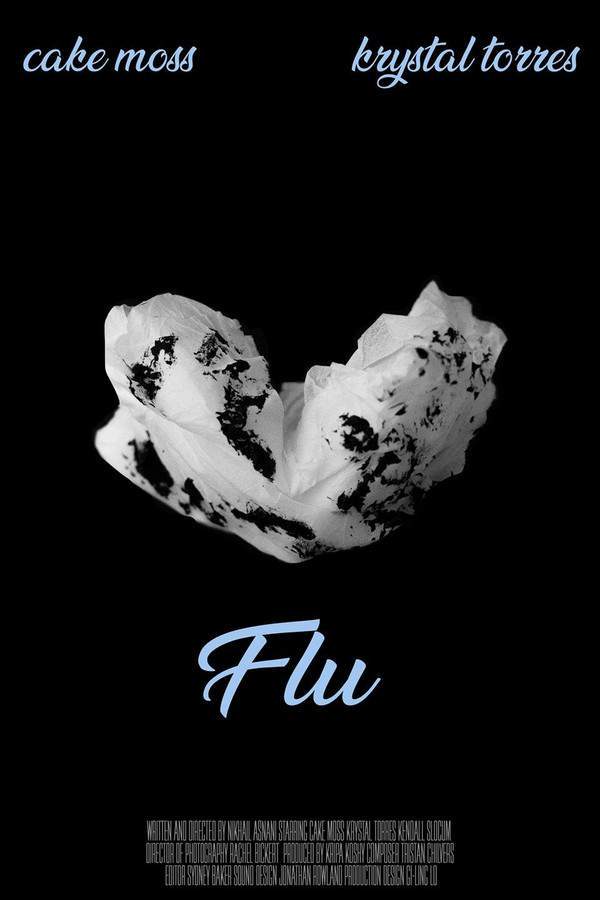
Flu

A lethal airborne virus swiftly spreads panic and chaos throughout Bundang, a suburb of Seoul. As the government considers a full city quarantine, an infectious disease specialist and a dedicated rescue worker embark on a perilous mission. They strive to identify the origin of the outbreak and locate the essential serum required for a vaccine, all while racing against time to control the escalating epidemic and protect the lives of numerous people.
Where to Watch Flu?
Find where to stream, rent, or buy Flu (2013) in the US with current JustWatch availability, up-to-date pricing, and platform listings for subscription, rental, and digital purchase options.




Streaming availability powered by 
Warning: spoilers below!
Haven’t seen Flu yet? This summary contains major spoilers. Bookmark the page, watch the movie, and come back for the full breakdown. If you're ready, scroll on and relive the story!
Timeline – Flu (2013)
Trace every key event in Flu (2013) with our detailed, chronological timeline. Perfect for unpacking nonlinear stories, spotting hidden connections, and understanding how each scene builds toward the film’s climax. Whether you're revisiting or decoding for the first time, this timeline gives you the full picture.
Last updated: October 09, 2025 at 16:19
Flu (2013) Timeline Questions Answered – Chronology FAQ
Find frequently asked questions about the Flu (2013) timeline, including chronological order, nonlinear jumps, cause-and-effect links, and scene sequence clarifications. This timeline FAQ helps explain when key events happen, how moments connect, and why the story unfolds in that specific order.
Why did the virus spread so quickly in Bundang?
The virus spread rapidly because it mutated into a highly aggressive H5N1 variant inside the shipping container, where poor conditions allowed it to become airborne and lethal. When the brothers took Monssai to a clinic, the contagion spread through staff and patients. The situation worsened when rats that fed on the incinerated bodies escaped into the city, spreading the mutated virus further.
The movie earlier shows the cramped, unsanitary conditions in the shipping container where the virus could mutate.
What happened to the shipping container with the dead immigrants?
Hospital staff and the KCDC incinerated the shipping container in an attempt to destroy the source of the infection. However, rats that had fed on the contaminated remains escaped into the city before the burning was complete, allowing the virus to spread beyond the initial outbreak site.
Why did Monssai save Mi-reu despite being infected?
Monssai, the sole survivor from the shipping container, chose to rescue Mi-reu from being hit by a car despite knowing his infection could accelerate transmission. This act suggests he wanted to prove his humanity and make amends for inadvertently bringing the virus to the city, even though he was already symptomatic.
What was the secret transfusion In-hae performed on Mi-reu?
After officials rejected a proposed direct antibody transfusion for patients in the isolation zone, In-hae secretly began a blood transfusion for her daughter Mi-reu. This was an attempt to save Mi-reu using her own antibodies, which later proved effective when Mi-reu began recovering from the virus.
Earlier, a proposed antibody transfusion for patients is rejected by officials, prompting In-hae to take matters into her own hands.
Why did Byung-ki kill Monssai?
Byung-ki killed Monssai as a suicidal act of revenge for his brother Byung-woo's death. Byung-woo had fallen ill after capturing Monssai from the shipping container, and Byung-ki blamed Monssai for bringing the disease that killed his brother. The attack occurred during the chaos of the mob violence at the highway.
From the beginning, Byung-ki refuses to answer questions about the container and is desperate to save his brother, establishing his intense grief and blame toward Monssai.
What caused the mob violence at the highway?
The mob violence erupted when Gook-hwan, an infected agitator, led the group toward the highway in a desperate attempt to escape the quarantine. When passage was denied, he opened fire, triggering a fierce exchange between the rebels and soldiers. The situation was exacerbated by rumors that infected people were being killed and the government's broken promise to release the uninfected after 48 hours.
Earlier, pressure from WHO and political leaders forces the president to abandon the pledge to release uninfected people, directly fueling the anger.
How did Mi-reu become immune to the virus?
Mi-reu recovered because In-hae secretly performed a blood transfusion using antibodies. Additionally, Mi-reu had been saved by Monssai earlier, and it's implied that her exposure may have triggered her immune response. By Day 4, Mi-reu makes a full recovery and her blood becomes valuable for vaccine development.
Monssai saves Mi-reu from being hit by a car, and In-hae later begins a secret transfusion for her daughter.
Why was the quarantine so strict and violent in Bundang?
The quarantine became increasingly strict because the H5N1 variant could kill within 36 hours and spread rapidly through airborne transmission. The military enforced heavy restrictions, moving the population to a camp outside the Tancheon Sports Complex while confining infected people to a quarantine zone beneath the stadium. Violence erupted due to deteriorating living conditions, cut communications, rumors that infected were being killed, and the government's failure to keep its promise to release uninfected people after 48 hours.
The KCDC formally quarantines the city after determining the virus is a highly aggressive H5N1 variant that can kill within 36 hours.
How did the movie end and what happened to the vaccine?
The movie ends with Mi-reu making a full recovery after the secret transfusion. After In-hae is wounded protecting her daughter, Mi-reu shields her mother and pleads with the crowd, prompting the president to order soldiers to stand down and cancel an air strike. Mi-reu is then sent to Seoul to help in vaccine development, while medical teams are mobilized to Bundang, signaling a fragile step toward containment after the harrowing outbreak.
Why was In-hae's car in a mine shaft and what was lost?
In-hae's car had tumbled into a mine shaft the day before the outbreak, causing her to lose crucial data about the virus. Her bag was later recovered by emergency response team members Oh Ji-goo and Bae Kyung-ub, who delivered it to her daughter Mi-reu after answering a call. This data loss initially hampered the Contagion Center's response to the emerging crisis.
What role did Gook-hwan play in the outbreak?
Gook-hwan was an infected agitator who led the mob toward the highway in an attempt to escape the quarantine. When soldiers blocked their path, he opened fire, triggering the violent confrontation. His desperate bid to transfuse Mi-reu's blood (believing her immunity could save him) was thwarted when Kyung-ub intervened, and Gook-hwan was killed in the scuffle.

Explore Movie Threads
Discover curated groups of movies connected by mood, themes, and story style. Browse collections built around emotion, atmosphere, and narrative focus to easily find films that match what you feel like watching right now.
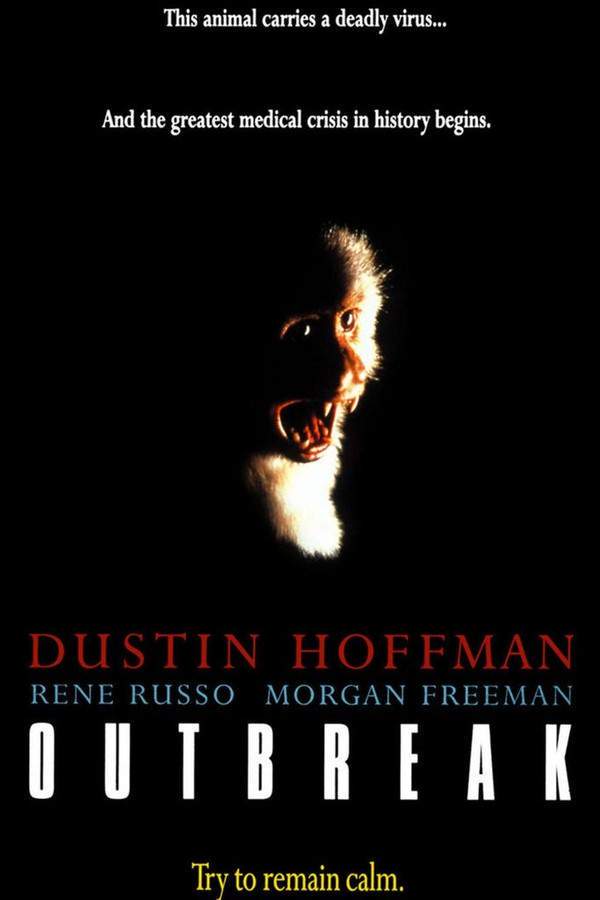
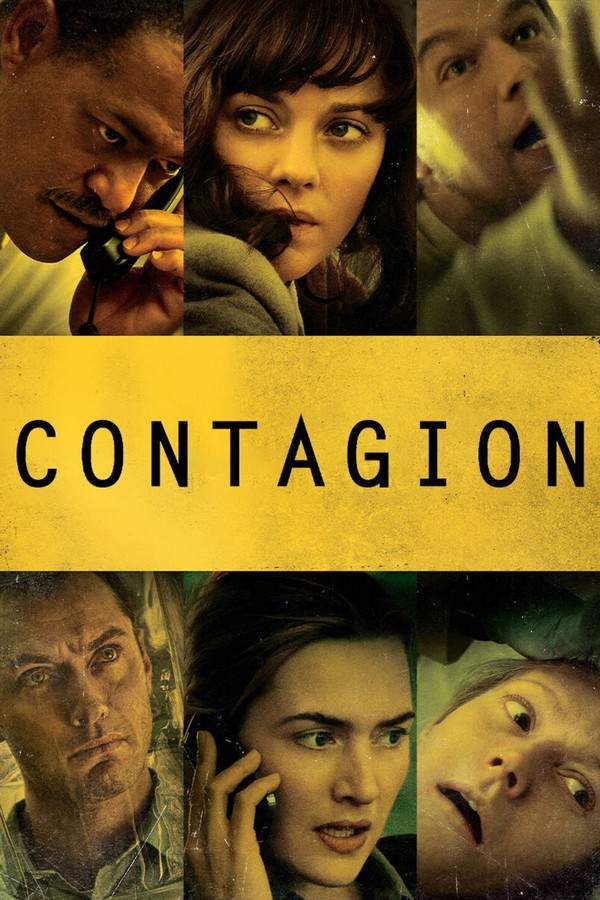
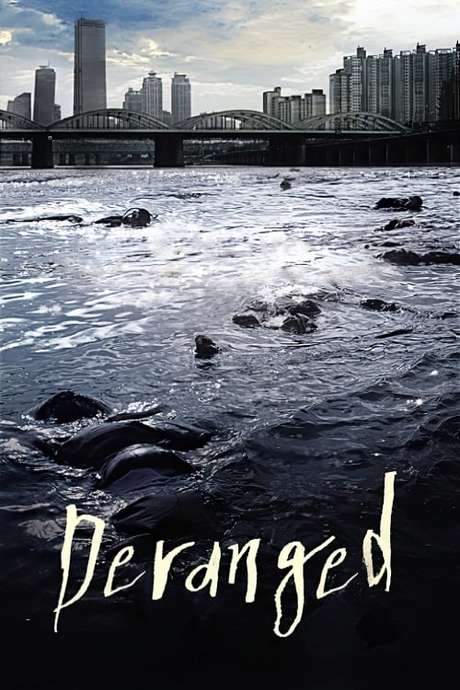
Viral Outbreak Thrillers like Flu
Stories where a fast-spreading pathogen triggers societal collapse and a desperate race for a cure.If you liked the high-tension pandemic narrative of Flu, explore more movies that depict the chaos of a viral outbreak. These films share a fast pace, high emotional stakes, and gripping stories about survival, quarantine, and the race against time to find a cure.










Narrative Summary
This narrative pattern follows the rapid onset of a deadly disease, examining its impact from individual fear to large-scale societal breakdown. Stories typically involve multiple perspectives converging—scientists, first responders, and civilians—as they navigate government lockdowns, mob mentality, and their own moral dilemmas in a struggle for survival.
Why These Movies?
Movies in this thread are grouped by their shared premise of a contagious threat, which creates a consistent tone of urgent tension and claustrophobic dread. They explore themes of sacrifice, corruption, and the fragility of modern society under extreme pressure, delivering a consistently intense and anxious viewing experience.
Quarantine Survival Stories like Flu
Claustrophobic stories of ordinary people trapped in a city sealed off by a crisis.For viewers who enjoyed the confined, high-stakes setting of Flu, this thread gathers movies about cities or areas under strict quarantine. These stories explore the breakdown of order, mob mentality, and the fierce struggle for survival within sealed boundaries, similar to the tense atmosphere of Flu.






Narrative Summary
The narrative revolves around a group or community forcibly isolated due to a deadly threat. Conflicts arise from dwindling resources, conflicting information, and the imposition of martial law. Character journeys often focus on protecting loved ones and making impossible moral choices in an environment where the rules of civilization have dissolved.
Why These Movies?
These movies share a powerful, specific vibe: the feeling of being trapped. The combination of a claustrophobic setting, high tension from an immediate threat, and the chaotic breakdown of social order creates a uniquely anxious and gripping mood that connects all titles in this thread.
Unlock the Full Story of Flu
Don't stop at just watching - explore Flu in full detail. From the complete plot summary and scene-by-scene timeline to character breakdowns, thematic analysis, and a deep dive into the ending - every page helps you truly understand what Flu is all about. Plus, discover what's next after the movie.
Flu Summary
Read a complete plot summary of Flu, including all key story points, character arcs, and turning points. This in-depth recap is ideal for understanding the narrative structure or reviewing what happened in the movie.

Characters, Settings & Themes in Flu
Discover the characters, locations, and core themes that shape Flu. Get insights into symbolic elements, setting significance, and deeper narrative meaning - ideal for thematic analysis and movie breakdowns.


