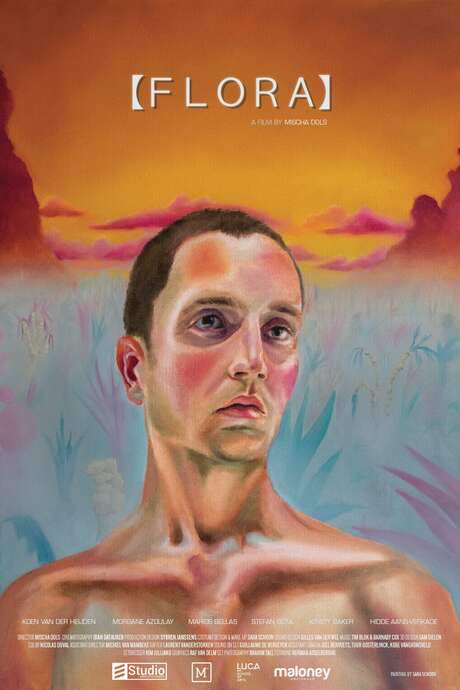
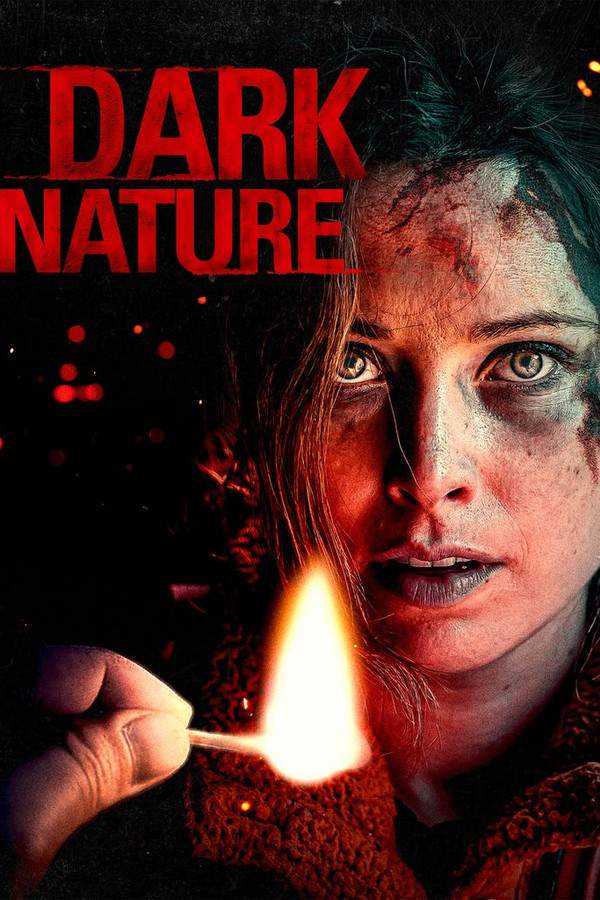
In the spring of 1929, a small team of student botanists ventures into an uncharted forest in North America, driven by a mission to map the native flora. They expect a routine expedition, yet they quickly discover that their professor is absent and their food supplies have been destroyed. After a day of waiting for his return, they begin a careful search to locate him. The search ends with a grim find: the professor is dead, wearing a gas mask, in a nearby abandoned mining town. The shock of this discovery hangs in the air as the group confronts a growing sense of isolation and danger. Soon, the students begin to fall ill to an unknown pathogen, and the forest around them feels increasingly hostile.
A key clue emerges from the professor’s protégé, Matsudaira Basho—known to the others as Matt. Through careful observation, he notes the striking absence of animal life in the region and deduces that the illness may be linked to an endophyte living in the local plants. The pathogen could be transmitted by consuming infected vegetation or by inhaling pollen, and there are no easy answers, only the grim reality that the environment itself might be the threat. With food supplies dwindling, the group makes a difficult decision: they will trek toward a railway where a monthly train is expected to pass in a few days, hoping for a narrow window of rescue or aid. Their plan is pragmatic, but it demands improvisation and courage. They begin to prepare, boiling plant harvests to render them non-pathogenic and fashioning makeshift biohazard suits and gas masks to shield themselves from further exposure, a stark reminder of how science and survival entwine in a frontier landscape.
As they press on, the illness tightens its grip. The surviving students push toward the distant pine forest, clinging to a glimmer of hope that certain plant materials might offer protection against the forest’s strange life forms. The journey tests their endurance, and the group is forced to confront not only the pathogen but the toll of isolation, dwindling resources, and the haunting feeling that they are being watched by the forest itself. Along the way, a crisis unfolds: Avis, the team’s nurse, collapses after a hole appears in her breathing apparatus, underscoring how fragile their survival gear is under relentless pressure. Matt notices the danger and returns to her, a decision that saves her life but, in doing so, separates him from Ora and Haviland, the other two remaining members of the group. The trek becomes a race against time and a test of loyalty, as the two survivors make tough choices about who to carry forward and who to leave behind.
Despite the strain, Haviland convinces Ora to push ahead toward the promised forest rendezvous, hoping that Matt will somehow manage to catch up. The path is uneven, and Matt’s own ordeals become increasingly surreal: he stumbles into a region filled with hammocks and encounters a little girl, only to realize that both figures are visions born of exhaustion and grief. He also seems to see the ghosts of other departed team members, a stark reminder of what has already been lost. Ora and Haviland hear Matt’s whistle and the moment forces a split in their dynamic; Haviland sets out to find him, insisting that Ora conserve her strength. He promises to return by morning, a pledge that carries the weight of responsibility in a landscape where every breath could be the difference between continuation and collapse.
When Haviland finally returns, he is without a mask, having given his own to Matt who was found without protection. He collapses, and Ora begins the slow, careful process of nursing Matt back to health. With time slipping away, the trio resumes their march, but they lose a precious day in the process. Matt, aware that Ora now faces only a narrow window to reach the railway, makes a personal and painful choice: he removes his own mask and asks Ora to keep hers on, revealing that he intends to stay behind. His sacrifice is rooted in a quiet, stubborn resolve to ensure that Ora can reach the train and return with help so that the university can study and understand the organism at the heart of the mystery.
Alone, Ora pushes forward to the railway, exhaustion gnawing at her with every step. She finally reaches the rails and collapses, her body tested to the limit. When she awakens, she removes her mask and hears the distant sound of the approaching train, a beacon of hope in a forest that has demanded so much from them all. The story closes on a note of cautious relief and unresolved questions, focusing on the resilience of a single survivor who carries the memory of those who did not make it back and the fragile line between science and survival in a world where nature holds both discovery and danger.