Plot Explained Spoilers guaranteed!
Plot Explained

Browse by genre

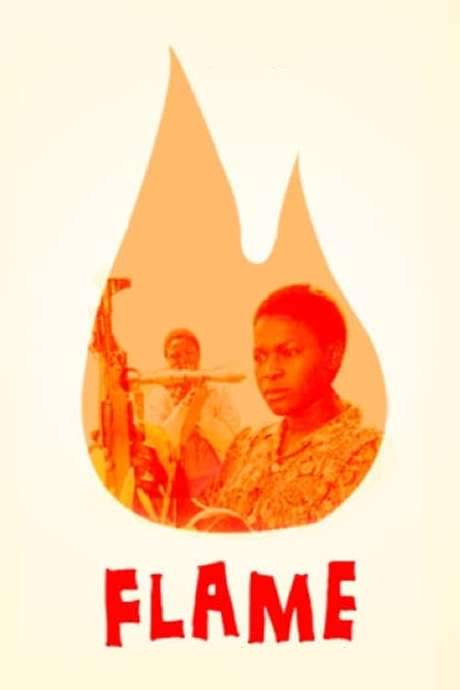
Flame (1996) movie poster

Timeline

Flame (1996) Timeline Explained – Every Event in Order

Release, runtime and language
1996 · 88 mins · English
Loading streaming availability…
Directed by
Ingrid Sinclair
Starring
Dick 'Chinx' Chingaira, Ulla Mahaka, Marian Kunonga, Norman Madawo, Moise Matura

Set in the 1970s in former Rhodesia (now Zimbabwe), the film follows the indigenous resistance against white oppressors as the war spreads to remote villages. Two childhood friends, Florence and Nyasha, enlist with the guerrillas, adopting the noms de guerre Flame and Liberty, only to discover that the struggle is far more brutal and complex than they imagined.

On this page (6)
  1. 1 Where to watch
  2. 2 Events in order (12)
  3. 3 Timeline questions answered
  4. 4 Movie threads
  5. 5 Movies like Flame
  6. 6 Every angle
Loading streaming availability…

12 events in order · contains spoilers

Flame Timeline: Events in Chronological Order

Every key event of Flame (1996) in order, scene by scene, with when and where it takes place. Use it to untangle flashbacks, time jumps and parallel storylines, to refresh your memory before the sequel or to find the exact scene you are thinking of.

  1. Florence flees to join ZANLA

    During the height of the Rhodesian Bush War, Florence impulsively runs away from her Mashonaland village after her father is detained by the security forces. She is joined by her friend Nyasha, and together they decide to pursue militancy and liberation. Their departure marks the start of a dangerous journey toward a guerrilla life.

    When
    late 1970s
    Where
    Mashonaland countryside
  2. Nyasha and Florence cross into Mozambique

    Nyasha and Florence trek across the border into Mozambique to join a ZANLA training camp, leaving civilian life behind. They endure the harsh conditions of early guerrilla preparation and begin to assume revolutionary identities alongside their new peers. The border crossing seals their commitment to the struggle.

    When
    late 1970s
    Where
    Border region between Rhodesia and Mozambique
  3. Guerrilla training and new identities

    At the camp, the two girls undergo intensive guerrilla training and assume new noms de guerre. Nyasha becomes Liberty, a symbol of her longing for independence, while Florence takes Flame, reflecting her fiery temperament. The transition from civilian youth to armed activist solidifies as tactics and discipline are learned.

    When
    late 1970s
    Where
    ZANLA training camp, Mozambique
  4. Flame's pregnancy and rape

    Flame becomes pregnant after being raped by Comrade Che, a cynical ZANLA political commissar. She is devastated at first but resolves to raise the child within the camp, insisting on a personal stake in the revolution. The event tests her loyalties and reshapes her sense of purpose.

    When
    late 1970s
    Where
    ZANLA camp, Mozambique
  5. Air strike and tragedy

    A Rhodesian air strike hits the camp, killing Che and Flame's unborn child. Flame survives the attack, and the tragedy hardens her resolve to train harder and fight more fiercely. The loss becomes a turning point that deepens her commitment to the war.

    When
    late 1970s
    Where
    ZANLA camp, Mozambique
  6. Flame rises in ZANLA raids

    Refusing despair, Flame hones her skills and distinguishes herself in several raids against infrastructure and farms. Her leadership earns respect within ZANLA circles and she becomes a feared and capable operative. The campaigns fuse personal grief with political resolve.

    When
    late 1970s–1980
    Where
    Mozambique, various targets
  7. War ends; Mugabe elected; veterans face disillusionment

    The war ends and Robert Mugabe is elected in 1980, signaling a transition to civilian rule. Flame and other former guerrillas struggle to adjust to peacetime life, finding little support from the new government. Disillusionment and unemployment soon shadow the veteran generation.

    When
    1980
    Where
    Zimbabwe
  8. Flame relocates to Harare

    Flame moves to Harare, seeking stability after years in the camps. Liberty, leveraging her intelligence background, secures a lucrative administrative post that underscores a shift from collective struggle to individual advancement. The two women reunite, though their relationship is strained by the changes time has wrought.

    When
    early 1980s
    Where
    Harare, Zimbabwe
  9. Reunion with Liberty causes tension

    Five years after the war, Flame and Liberty attend a Heroes' Day gathering, reflecting on their past while navigating a changing country. Flame asks Liberty for financial help to adapt, but Liberty has grown wary of returning to the old mutual-aid arrangement. Their exchange reveals the widening rift between wartime ideals and peacetime reality.

    When
    circa 1985
    Where
    Harare, Zimbabwe
  10. Heroes' Day and the drift toward authoritarianism

    At the Heroes' Day party, the pair witness Zimbabwe tilting toward authoritarianism and corruption. They still greet passersby with the pan-African slogan 'A luta continua', a haunting reminder that the struggle persists in speech if not in spirit. The scene captures the film's tension between memory and political decline.

    When
    circa 1985
    Where
    Harare, Zimbabwe
  11. Veterans confront a fractured dream

    The veterans' dream of shared revolution collides with a society that prizes individual gain over collective welfare. Flame and Liberty navigate the evolving state while questioning whether the old promises can ever be fulfilled. The narrative highlights the fragility of independence and the persistence of doubt.

    When
    1980s
    Where
    Zimbabwe, post-war society
  12. Closing image: the struggle persists in memory

    In the closing moments, Flame and Liberty continue to invoke the old slogan even as the country drifts, implying that the struggle persists more as memory than as a tangible path forward. The film ends on a note of ambivalence about post-colonial progress and the price of survival. Freedom remains fragile and contested in a changing Zimbabwe.

    When
    1980s
    Where
    Zimbabwe

Last updated: October 09, 2025 at 11:29

Was this helpful?

Timeline questions answered

Flame Timeline Explained: Your Questions Answered

When does it happen, and why in that order? The questions people ask about the chronology of Flame (1996): time jumps, flashbacks, cause and effect between scenes and the correct order of events, each answered with spoilers.

Q1

Why does Florence join the ZANLA guerrillas?

Florence flees her Mashonaland village after Rhodesian Security Forces detain her father. Driven by anger and impulsiveness typical of a teenage peasant girl, she decides to pursue militancy alongside her friend Nyasha. The detention of her father serves as the immediate trigger that pushes her toward joining the liberation struggle.

  • florence
  • zanla
  • rhodesian bush war
  • father detained
  • join guerrillas
Q2

What happens to Flame at the ZANLA training camp?

During guerrilla training in Mozambique, Flame is raped by Comrade Che, a ZANLA political commissar, and becomes pregnant. She is initially devastated but resolves to keep the child, viewing it as a personal stake in the revolution. This traumatic event fundamentally reshapes her sense of purpose and commitment to the cause.

  • flame
  • comrade che
  • rape
  • pregnancy
  • zanla camp
Q3

Why does Flame continue fighting after losing her child?

A Rhodesian air strike kills both Comrade Che and Flame's unborn child while she survives. The loss hardens her resolve rather than breaking her. She throws herself into intensified training and distinguished herself in subsequent ZANLA raids, channeling her personal grief into political commitment. The tragedy transforms her pain into a fierce dedication to the cause.

Foreshadowing: The camp's vulnerability to aerial attack was established during early training scenes showing the constant threat of Rhodesian strikes.

  • flame
  • air strike
  • child death
  • continue fighting
  • revenge
Q4

What causes the tension between Flame and Liberty after the war?

After Zimbabwe's independence in 1980, Liberty uses her intelligence officer background to secure a lucrative administrative post in Harare, symbolizing her shift from collective struggle to individual advancement. When Flame relocate to the city and asks for financial help, Liberty refuses to revert to the old mutual-aid arrangement. The reunion reveals their diverging paths, one clinging to revolutionary ideals, the other embracing the new system's opportunities.

  • flame
  • liberty
  • tension
  • reunion
  • harare
  • financial help
Q5

Why do the ZANLA veterans feel betrayed by the new government?

After Mugabe's election in 1980, many unemployed ZANLA veterans like Flame discover the new government offers them little support. The promises of collective liberation and improved lives for freedom fighters evaporate as the post-war society prioritizes individual gain over the collective welfare they fought for. This disillusionment reflects the broader failure of post-colonial governance to deliver on revolutionary promises.

  • zanla veterans
  • disillusionment
  • mugabe
  • unemployment
  • betrayal
Q6

What does "A luta continua" mean in the film?

"A luta continua" is a Portuguese pan-African slogan meaning "the struggle continues." Originally a rallying cry during the liberation war, it appears in the film's latter scenes as a hollow ritual. Flame and Liberty still greet passersby with these words at a Heroes' Day celebration, but their lives now reflect abandonment of the very ideals the slogan represents, transforming it into a haunting reminder of betrayed promises.

  • a luta continua
  • strugg continues
  • pan-african slogan
  • heroes day
Q7

Why does the film portray the struggle as hollow by the end?

By the Heroes' Day celebration circa 1985, Zimbabwe has shifted toward authoritarianism and corruption. The veterans invoke "the struggle continues" even as their personal circumstances contradict those words, Flame struggles economically while Liberty embraces the new system. The slogan persists as memory rather than reality, symbolizing how post-colonial independence delivered political freedom but failed to deliver the social transformation the guerrillas fought for.

  • authoritarianism
  • corruption
  • hollow struggle
  • independence failed
  • zimbabwe
Q8

What happens during the Rhodesian air strike at the camp?

A Rhodesian air strike targets the ZANLA training camp in Mozambique, killing Comrade Che and Flame's unborn child while Flame miraculously survives. The attack represents the brutal reality of warfare reaching directly into the guerrilla safe zones. The tragedy serves as a turning point that hardens Flame's commitment to the cause, replacing her personal attachments with political resolve.

  • rhodesian air strike
  • mozambique camp
  • chebaby killed
Q9

How does Flame's relationship with Liberty change over time?

Initially close childhood friends who crossed the border together and adopted revolutionary noms de guerre, Flame and Liberty grow apart during the post-war period. Liberty adapts to the new Zimbabwe by leveraging her intelligence background for personal gain, while Flame remains committed to collective ideals. Their Harare reunion five years after the war exposes this rift, Flame seeking mutual aid, Liberty prioritizing individual advancement.

  • flame
  • liberty
  • childhood friends
  • drift apart
  • reunion
Q10

Why does Liberty succeed financially while Flame struggles?

Liberty's background as an intelligence officer during the war translates into valuable skills for the new government's administrative structure, allowing her to secure a lucrative post. Flame, who distinguished herself in combat raids, lacks the bureaucratic skills or connections to navigate post-war institutions. This contrast illustrates how the transition from guerrilla to citizen rewards different qualities than the war itself, political adaptability over battlefield commitment.

  • liberty
  • flame
  • money
  • success
  • post-war
  • zimbabwe

Movie threads

More Movies Like Flame, by Mood & Story

Curated lists built around what makes Flame tick: the same mood, the same kind of story or the same emotional payoff. Each list explains why these movies belong together.

Movies about revolutionary disillusionment like Flame

Where the fight for freedom leads to personal and political betrayal. If you were moved by Flame's portrayal of the cost of war and political betrayal, explore more movies like it. This thread gathers powerful dramas where characters' revolutionary ideals are shattered by the harsh realities of combat and corruption, perfect for fans of gritty historical stories.

  • grim
  • disillusioned
  • somber
  • determined
  • traumatic
  • political
  • Tone: dark, disillusioned
  • Pacing: variable, from urgent to reflective
Why these movies?

The story pattern: This thread features stories that begin with fervent idealism and a clear enemy, charting a journey through the visceral horrors of conflict towards a climax of profound disillusionment. The narrative arc is often defined by a loss of innocence and the painful realization that the victors can be as corrupt as the oppressors they replaced.

Why they belong together: These films are grouped by their shared focus on the emotional and political downfall of revolutionaries. They share a dark tone, high emotional intensity, and a bittersweet or bleak ending that questions the very nature of the struggle, creating a cohesive experience of historical and personal tragedy.
Grim female-led war stories similar to Flame

Intense stories of women bonding and surviving the trauma of warfare. Seeking more powerful films like Flame that center on women's experiences in war? This collection features stories of female soldiers and civilians facing immense trauma, strengthened by their bonds with each other. Find similar movies about friendship, survival, and the grim reality of combat.

  • grim
  • traumatic
  • determined
  • sad
  • oppressive
  • female friendship
  • Tone: dark, oppressive, somber
  • Pacing: variable
Why these movies?

The story pattern: Narratives in this thread typically follow a pair or group of women whose friendship is their primary anchor as they navigate the chaos and brutality of war. The plot often involves traumatic events such as violence and loss, putting their bond to the ultimate test and exploring themes of resilience and alienation.

Why they belong together: These movies share a specific, intense vibe: a dark tone, high emotional stakes, and a focus on the psychological impact of war on women. The central dynamic of female friendship provides an emotional core amidst the grim setting, making the journeys feel deeply personal and universally resonant.

If you liked this

Movies Like Flame

Similar movies to Flame: the same genre, themes or kind of story. Each one comes with its own plot summary, timeline and ending explained.

Browse all movie summaries

Every angle

Flame (1996) Explained: Plot, Timeline & Characters

Everything about Flame in one place: what happens in the plot summary, the timeline in chronological order, the characters and meaning and a spoiler-free summary. What's After the Movie adds the cast, box office and post-credit scenes.

Coming soon on iOS and Android

The Plot Explained Movie Summary App

Plot summaries, endings explained and timelines on your phone. Catch up on any movie in minutes, save your favorites and never miss a twist again.

Be the first to know when we launch. Your email stays private, always.

Learn more about the app