Plot Explained Spoilers guaranteed!
Plot Explained

Browse by genre

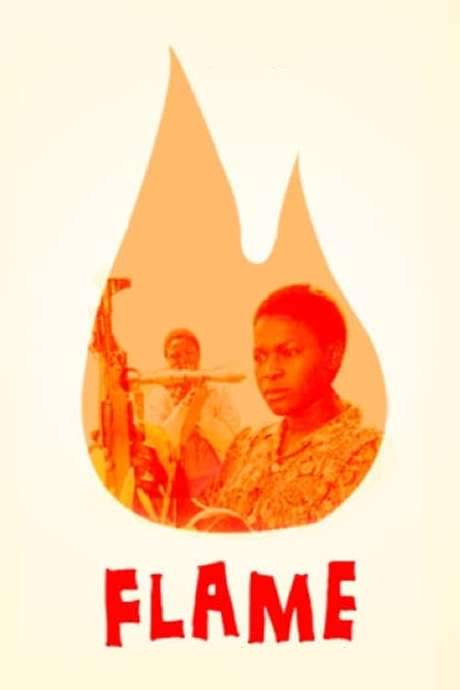
Flame (1996) movie poster

Characters & Themes

Flame (1996) Characters, Setting & Themes Explained

Release, runtime and language
1996 · 88 mins · English
Loading streaming availability…
Directed by
Ingrid Sinclair
Starring
Dick 'Chinx' Chingaira, Ulla Mahaka, Marian Kunonga, Norman Madawo, Moise Matura

Set in the 1970s in former Rhodesia (now Zimbabwe), the film follows the indigenous resistance against white oppressors as the war spreads to remote villages. Two childhood friends, Florence and Nyasha, enlist with the guerrillas, adopting the noms de guerre Flame and Liberty, only to discover that the struggle is far more brutal and complex than they imagined.

On this page (8)
  1. 1 Where to watch
  2. 2 Characters explained (3)
  3. 3 Where & when it takes place
  4. 4 Themes & meaning (3)
  5. 5 Character & meaning questions
  6. 6 Movie threads
  7. 7 Movies like Flame
  8. 8 Every angle
Loading streaming availability…

3 main characters · contains spoilers

Flame Characters Explained: Who Is Who

The main characters of Flame (1996), heroes and villains: what drives them, how they change over the course of the story and what each of them reveals about the film's bigger ideas.

  • Florence (Flame) - Marian Kunonga

    An impulsive teenage peasant girl who runs away to join ZANLA after her father is detained. She adopts the revolutionary persona 'Flame' to reflect her passionate nature and commitment to the cause. Her arc moves from idealistic fervor to hardened guerrilla grit, while motherhood and loss test her resolve.

    • 🔥 Protagonist
    • 🧠 Driven
    • 💪 Resilient
  • Nyasha (Liberty) - Ulla Mahaka

    Florence's ally who takes the nom de guerre 'Liberty' to embody independence. She uses her intelligence background to navigate the movement and later secures a civilian post, illustrating a path from collective struggle to individual career. Her arc contrasts revolutionary solidarity with personal autonomy.

    • 🧭 Intelligence
    • 👭 Ally
    • 💼 Administrative
  • Che - Moise Matura

    A ZANLA political commissar described as unscrupulous. He abuses power and exerts coercive control within the camp, contributing to Florence's trauma. His death during an air strike marks a brutal turning point in the narrative and in Florence's arc.

    • 💣 Antagonist
    • ⚖️ Manipulative
    • 💔 Abuser

Last updated: October 04, 2025 at 15:17

Was this helpful?

Setting

Where and When Does Flame Take Place?

The setting of Flame (1996): the year and time period, the places and locations, and how they shape the characters, the mood and the tension of the story.

Time period

Late 1970s to mid-1980s

Set during the Rhodesian Bush War era, the events begin in the late 1970s and extend into the early 1980s, with the post-war period continuing into the mid-1980s. It follows Florence and Nyasha from youth in the countryside to combatants in a guerrilla camp, and finally through the early years of independence under Mugabe. The timeline anchors personal journeys to a turbulent national transition from colonial conflict to post-independence governance.

Location

Mashonaland countryside, Zimbabwe, Mozambique (ZANLA training camp), Harare, Zimbabwe

The story unfolds across the rural Mashonaland countryside and a ZANLA training camp in Mozambique, with key action spanning border crossings and camp life. The landscape is stark and rugged, underscoring the harsh realities of guerrilla training and exile. The narrative later returns to urban Zimbabwe, notably Harare, as the fighters transition from the warfront to civilian life.

  • 🌍 Zimbabwe
  • 🗺️ Mozambique
  • 🏞️ Rural countryside

Last updated: October 04, 2025 at 15:17

Was this helpful?

3 major themes

Flame Meaning: Themes & Message Explained

What is Flame (1996) really about? The emotional, social and philosophical themes the film keeps returning to, its symbolism and the message beneath the surface.

  • Female Friendship

    Florence and Nyasha form a powerful bond that sustains them through peril, training, and trauma. The film centers their solidarity as a source of strength in a male-dominated conflict. It explores how shared purpose can empower young women to redefine their futures, even when the costs are high.

  • War and Trauma

    The narrative foregrounds the brutal realities of guerrilla warfare, including violence and loss. Florence's pregnancy and the air strike that claims her child illustrate how war scars individuals and shapes decisions. The film traces how trauma reshapes identity, loyalty, and the cost of fighting for a cause.

  • Post-independence Disillusionment

    Even after the war and Mugabe's ascent, veterans grapple with neglect and disillusionment in the new order. The story examines the difficulty of Adjusting to civilian life and the gap between revolutionary ideals and post-war realities. It portrays how political change can erode the sense of communal purpose that drove the struggle.

Last updated: October 04, 2025 at 15:17

Was this helpful?

Character & theme questions

Flame Characters & Meaning: Your Questions Answered

The questions people ask about Flame (1996): who the characters really are, their relationships, what the symbols mean, where it takes place and what the movie is really about. Each answer contains spoilers.

Q1

Where is the story primarily set?

The film is set primarily in former Rhodesia, now Zimbabwe, during the Bush War era. Key locations include the rural Mashonaland countryside, a ZANLA training camp in Mozambique, and the urban capital of Harare. These settings in Flame underscore the transition from guerrilla training to civilian life.

Foreshadowing: The stark rugged landscape hints at the harsh realities of exile and combat.

  • setting
  • zimbabwe
  • mozambique
  • mashonaland
  • harare
  • location
Q2

What historical period does the narrative cover?

The narrative covers the late 1970s to the mid-1980s, spanning the Rhodesian Bush War and early independence. This timeline anchors personal journeys to the turbulent national transition from colonial conflict to post-independence governance. Flame uses this era to explore the cost of liberation.

Foreshadowing: The timeline moves from youthful idealism to the disillusionment of the mid-1980s.

  • time period
  • rhodesian bush war
  • independence
  • 1970s
  • 1980s
  • era
Q3

Who are the central characters driving the story?

The central characters are Florence and Nyasha, two childhood friends who enlist as guerrillas. Florence adopts the name Flame, while Nyasha chooses Liberty, reflecting their distinct roles in the resistance. Their bond sustains them through the trauma and complexity of war.

Foreshadowing: Their childhood friendship foreshadows the solidarity needed to survive the conflict.

  • characters
  • florence
  • nyasha
  • protagonists
  • friends
  • guerrillas
Q4

What do the noms de guerre Flame and Liberty symbolize?

Flame reflects Florence's passionate nature and commitment to the cause, while Liberty embodies Nyasha's desire for independence. These names in Flame signal their revolutionary personas and evolving identities within the movement. They mark the shift from peasant girls to committed combatants.

Foreshadowing: The names hint at the divergent paths they will take after the war ends.

  • names
  • symbolism
  • flame
  • liberty
  • identity
  • revolution
Q5

How does the film explore female friendship?

The film centers female solidarity as a source of strength in a male-dominated conflict. Florence and Nyasha's bond sustains them through peril, training, and trauma, empowering them to redefine their futures. Flame portrays this shared purpose as essential for survival amidst high costs.

Foreshadowing: Early scenes of unity foreshadow their reliance on each other during brutal moments.

  • friendship
  • solidarity
  • women
  • bond
  • trauma
  • support
Q6

What perspective does the movie take on guerrilla warfare?

The movie foregrounds the brutal realities of guerrilla warfare, including violence, loss, and coercion. It traces how trauma reshapes identity and loyalty, showing the high cost of fighting for a cause. Flame does not shy away from the scars war leaves on individuals.

Foreshadowing: The training camp environment hints at the violence and loss to come.

  • war
  • violence
  • guerrilla
  • trauma
  • conflict
  • reality
Q7

How is post-independence Zimbabwe portrayed?

Post-independence is portrayed through veterans grappling with neglect and disillusionment in the new order. The story examines the gap between revolutionary ideals and post-war realities under Mugabe's early governance. Flame highlights how political change can erode communal purpose.

Foreshadowing: Early idealism contrasts sharply with the corruption encountered later.

  • independence
  • disillusionment
  • mugabe
  • politics
  • veterans
  • society
Q8

What motivates Florence to join the resistance?

Florence is motivated by the detention of her father and an impulsive desire to fight oppression. She adopts the persona Flame to reflect her passionate nature and commitment to the indigenous resistance. Her arc moves from idealistic fervor to hardened guerrilla grit.

Foreshadowing: Her initial anger foreshadows the hardened resolve needed for survival.

  • motivation
  • florence
  • father
  • resistance
  • idealism
  • cause
Q9

How does Nyasha's path differ from Florence's?

Nyasha uses her intelligence background to navigate the movement and later secures a civilian post. Her arc contrasts revolutionary solidarity with personal autonomy, illustrating a path to individual career stability. In Flame, she embodies independence more practically than Florence.

Foreshadowing: Her focus on intelligence hints at her future adaptability in civilian life.

  • nyasha
  • path
  • autonomy
  • career
  • intelligence
  • difference
Q10

What role does the character Che play in the camp?

Che serves as a ZANLA political commissar described as unscrupulous within the training camp. He abuses power and exerts coercive control, contributing significantly to Florence's trauma. His presence in Flame marks a brutal turning point in the narrative.

Foreshadowing: His authoritative presence hints at the internal corruption within the movement.

  • che
  • commissar
  • antagonist
  • abuse
  • power
  • camp
Q11

What is the overall emotional tone of the film?

The overall tone is dark and unflinching, with high intensity due to relentless depictions of atrocities and loss. Pacing varies from rapid action to slower reflective disillusionment in the post-war period. Flame carries a heavy emotional weight anchored by themes of betrayal.

Foreshadowing: The stark landscape sets the tone for the dark events to follow.

  • tone
  • dark
  • intensity
  • emotion
  • pacing
  • mood
Q13

How does the war impact personal identity?

The war reshapes identity through trauma, loyalty tests, and the cost of fighting for a cause. Florence's pregnancy and loss illustrate how conflict scars individuals and shapes decisions. Flame shows how revolutionary personas can conflict with personal reality.

Foreshadowing: The adoption of new names hints at the fragmentation of original identity.

  • identity
  • trauma
  • loss
  • pregnancy
  • change
  • self
Q14

What message does the ending convey about the struggle?

The ending conveys a bittersweet message where the war is won but the personal cost is immense. Characters are left alienated in a corrupt new state, symbolized by their hollow recitation of the struggle continues. Flame suggests liberation failed to deliver on its promises.

Foreshadowing: Early hope contrasts with the hollow victory at the conclusion.

  • ending
  • message
  • bittersweet
  • victory
  • alienation
  • promise
Q15

What real-world conflict inspired the story?

The story is inspired by the Rhodesian Bush War and the indigenous resistance against white oppressors. It follows the spread of war to remote villages and the transition to independence under Mugabe. Flame grounds its narrative in this turbulent national history.

Foreshadowing: The historical setting foreshadows the political complexities faced by veterans.

  • conflict
  • rhodesia
  • history
  • resistance
  • inspiration
  • real-event

Movie threads

More Movies Like Flame, by Mood & Story

Curated lists built around what makes Flame tick: the same mood, the same kind of story or the same emotional payoff. Each list explains why these movies belong together.

Movies about revolutionary disillusionment like Flame

Where the fight for freedom leads to personal and political betrayal. If you were moved by Flame's portrayal of the cost of war and political betrayal, explore more movies like it. This thread gathers powerful dramas where characters' revolutionary ideals are shattered by the harsh realities of combat and corruption, perfect for fans of gritty historical stories.

  • grim
  • disillusioned
  • somber
  • determined
  • traumatic
  • political
  • Tone: dark, disillusioned
  • Pacing: variable, from urgent to reflective
Why these movies?

The story pattern: This thread features stories that begin with fervent idealism and a clear enemy, charting a journey through the visceral horrors of conflict towards a climax of profound disillusionment. The narrative arc is often defined by a loss of innocence and the painful realization that the victors can be as corrupt as the oppressors they replaced.

Why they belong together: These films are grouped by their shared focus on the emotional and political downfall of revolutionaries. They share a dark tone, high emotional intensity, and a bittersweet or bleak ending that questions the very nature of the struggle, creating a cohesive experience of historical and personal tragedy.
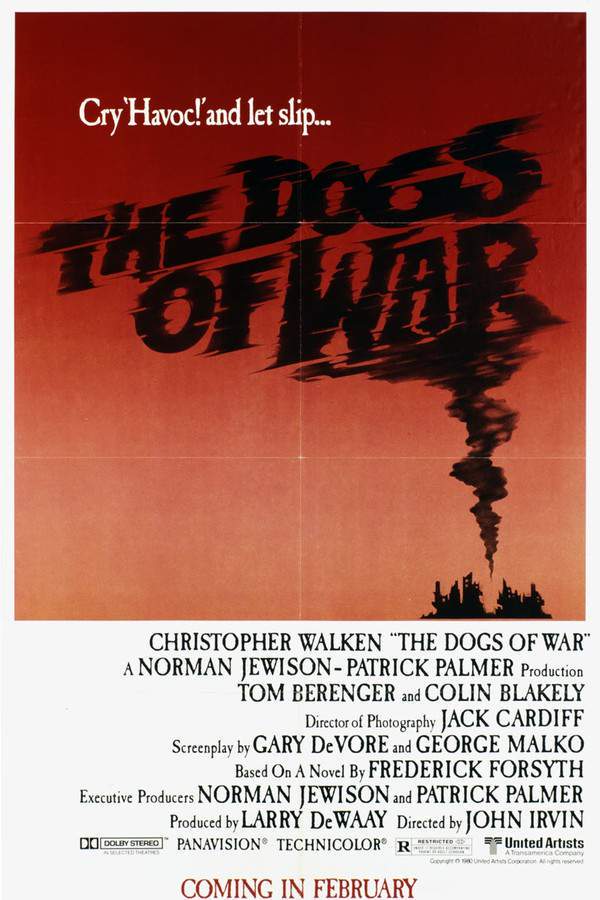
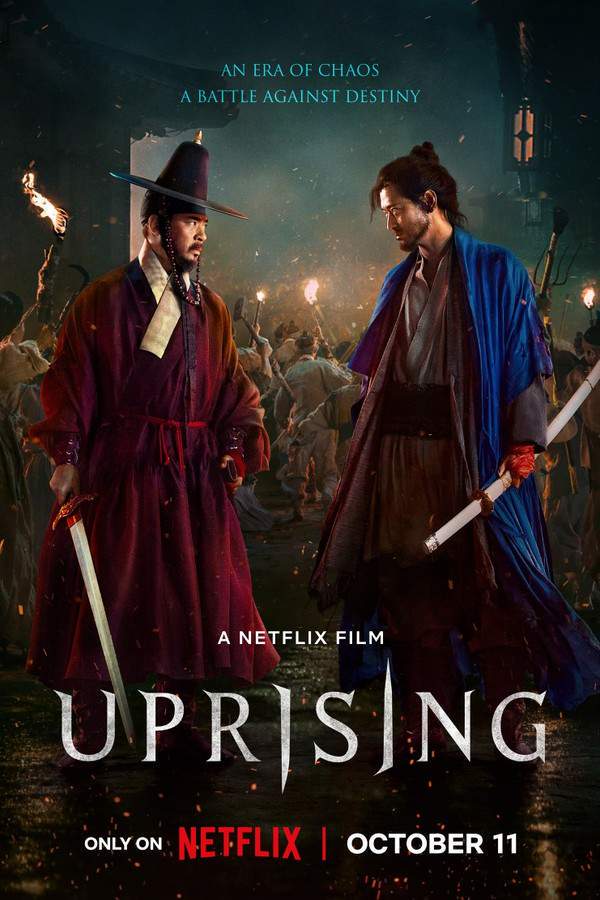
Grim female-led war stories similar to Flame

Intense stories of women bonding and surviving the trauma of warfare. Seeking more powerful films like Flame that center on women's experiences in war? This collection features stories of female soldiers and civilians facing immense trauma, strengthened by their bonds with each other. Find similar movies about friendship, survival, and the grim reality of combat.

  • grim
  • traumatic
  • determined
  • sad
  • oppressive
  • female friendship
  • Tone: dark, oppressive, somber
  • Pacing: variable
Why these movies?

The story pattern: Narratives in this thread typically follow a pair or group of women whose friendship is their primary anchor as they navigate the chaos and brutality of war. The plot often involves traumatic events such as violence and loss, putting their bond to the ultimate test and exploring themes of resilience and alienation.

Why they belong together: These movies share a specific, intense vibe: a dark tone, high emotional stakes, and a focus on the psychological impact of war on women. The central dynamic of female friendship provides an emotional core amidst the grim setting, making the journeys feel deeply personal and universally resonant.

If you liked this

Movies Like Flame

Similar movies to Flame: the same genre, themes or kind of story. Each one comes with its own plot summary, timeline and ending explained.

Browse all movie summaries

Every angle

Flame (1996) Explained: Plot, Timeline & Characters

Everything about Flame in one place: what happens in the plot summary, the timeline in chronological order, the characters and meaning and a spoiler-free summary. What's After the Movie adds the cast, box office and post-credit scenes.

Coming soon on iOS and Android

The Plot Explained Movie Summary App

Plot summaries, endings explained and timelines on your phone. Catch up on any movie in minutes, save your favorites and never miss a twist again.

Be the first to know when we launch. Your email stays private, always.

Learn more about the app