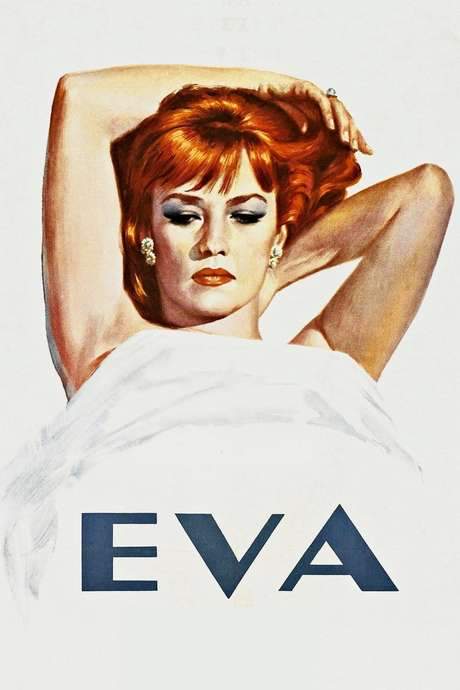
Eva, an upper-class housewife played by Gudrun Landgrebe, grows restless with her arrogant husband and begins to crave a bold, new path in life. The prospect of becoming a call girl tempts her, and she partners with the street-smart madam Gabriele Lafari who guides her through the basics. Together they set out to find clients, turning their evenings into a careful quest for money and autonomy.
As Eva dives deeper into this unfamiliar world, she meets a charming man who she falls in love with, Mathieu Carrière as Chris, and they end up at his house for a late-night romantic tryst. The encounter soon reveals itself to be more complicated than a simple affair: he is a gigolo, and the two of them unexpectedly begin sharing a life that includes a lavish penthouse large enough for both of them to offer their services separately. The glamorous space becomes the stage for Eva’s growing appetite for control and performance, while Chris struggles to reconcile his feelings with the money and power that accompany Eva’s work.
What follows is a gradual, unsettling shift as Eva moves into the world of sado-masochism. She discovers a deep, almost scientific satisfaction in dominion and pain, and she begins to take pleasure in controlling others. A defining moment comes in a stark scene where a man, hiding under a table, reveals his hands sticking out; Eva, calm and precise, steps down with her stiletto heels and slowly crushes his hands, a calculated expression of inner satisfaction crossing her face. This new persona—a dominatrix—begins to redefine how she sees herself and how others perceive her.
Meanwhile, Chris grows increasingly jealous. He wants to know what is happening upstairs and how Eva can earn so much money from hurting people. Eva’s blunt explanation—that the money comes from the pain she inflicts, and that more pain means more money—only fuels his unease. He also becomes wary of a boyfriend/client she has maintained for years, a thread that tightens the tension between them. The atmosphere in the upstairs world grows denser, and the power dynamic between Eva and the men she dominates intensifies.
One day, Chris slips upstairs and witnesses Eva in another dominating scene, this time with a man tied to a chair. His face registers a mix of disbelief and hurt, while Eva’s features reply with a quiet, undeniable pride—an unspoken declaration of “this is what I truly am.” He attempts to pull her away from it all, showering her with furs and talking about a conventional marriage, hoping to reclaim the life they might have had. Eva counters with a darker determination, even confessing that she’s dreamed about hitting him, and in that dream, he appears to enjoy it.
The relationship seems poised for a romantic ending, but fear and greed cloud the couple’s future. Chris panics, takes all their money, and sinks it into a restaurant project that Eva refuses to participate in. When she tries to walk away, he lashes out, throwing her against a wall, dousing her with alcohol, and setting her on fire. The violence marks a brutal turning point, but the film’s final image resolves into an oblique, stubborn persistence: Eva remains unscathed, outwardly content, and accompanied by her friend—the sex worker and madame—as they are ultimately ejected from a bar Chris owns.