Plot Explained Spoilers guaranteed!
Plot Explained

Browse by genre

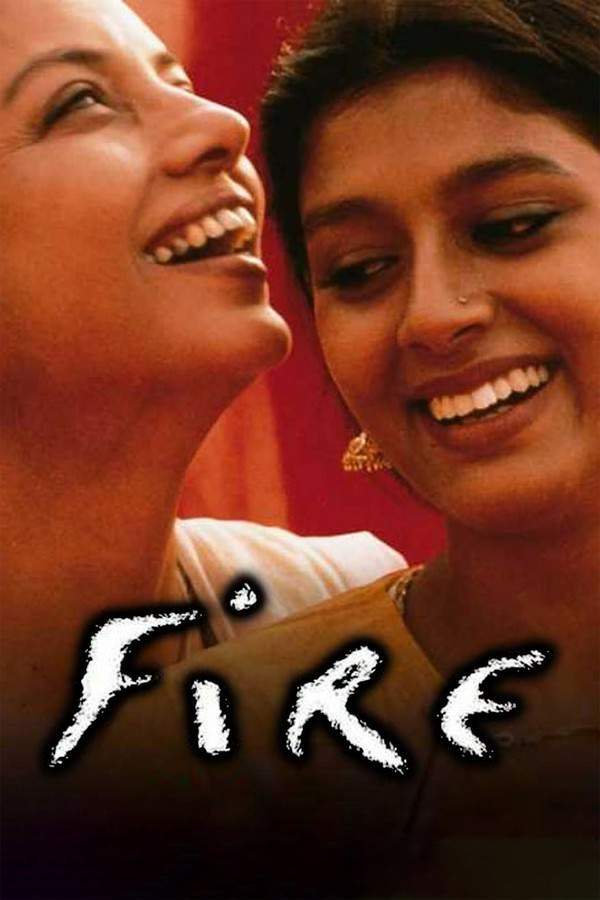
Fire (1997) movie poster

Characters & Themes

Fire (1997) Characters, Setting & Themes Explained

Release, runtime and language
1997 · 104 min · Hindi
Directed by
Deepa Mehta
Starring
Shabana Azmi, Nandita Das

Two women in India, Sita and Radha, seek comfort and understanding as they navigate difficult marriages. Sita endures a cruel arranged marriage, while Radha is constrained by her husband's strict beliefs. Their connection deepens as they confront the unhappiness in their relationships and explore an unexpected path toward freedom and love, offering each other strength and a chance at a different kind of life.

On this page (6)
  1. 1 Characters explained (4)
  2. 2 Where & when it takes place
  3. 3 Themes & meaning (3)
  4. 4 Character & meaning questions
  5. 5 Movie threads
  6. 6 Every angle

4 main characters · contains spoilers

Fire Characters Explained: Who Is Who

The main characters of Fire (1997), heroes and villains: what drives them, how they change over the course of the story and what each of them reveals about the film's bigger ideas.

  • Radha

    Radha is bound by tradition and a loveless marriage, enduring infertility and ritual suppression. She gradually asserts her voice and, with Sita, seeks a space where desire and dignity can coexist. Her resilience grows as she navigates the conflicts within the family.

    • ❤️ Forbidden love
    • 🧭 Resilience
    • 🌿 Repression
  • Sita

    Sita is a newly married woman suffocated by neglect and domestic drudgery who finds solace and solidarity in Radha. Her defiance evolves into a partnership that challenges the household’s power dynamics. She embodies the push for autonomy and self-definition.

    • 💪 Determination
    • 🕊️ Rebellion
    • 🔥 Passion
  • Ashok

    Ashok is the brother-in-law who has been emotionally distant and controlling, strengthened by Swamiji’s teachings. He reacts with horror when confronted with Radha and Sita’s relationship and confronts his own suppressed desires. His presence intensifies the tension around duty and desire.

    • 👔 Control
    • 🧭 Hypocrisy
    • 🗡️ Jealousy
  • Biji

    Biji is the paralysed, speechless mother who witnesses the unfolding events from a position of authority. She disapproves of the affair but cannot intervene, her silent presence underscoring the clash between care, duty and personal longing.

    • 💬 Silence
    • 🛡️ Tradition
    • 🏠 Caregiver

Last updated: October 04, 2025 at 08:06

Was this helpful?

Setting

Where and When Does Fire Take Place?

The setting of Fire (1997): the year and time period, the places and locations, and how they shape the characters, the mood and the tension of the story.

Time period

late 20th century

The narrative unfolds in a contemporary Indian context, where arranged marriages and gender roles dictate everyday life. Religious influence and family duty define what is considered acceptable behavior. Over the course of the story, years pass within the same household, heightening the tension between desire and tradition.

Location

India

The film unfolds within a traditional Indian joint family in a rural backdrop, beginning with Radha seated in a mustard field. The home doubles as a space of daily labor and domestic care, where a small grocery and video rental store anchors the family. The setting contrasts intimate desires with rigid social codes, highlighting how place shapes personal choices.

  • 🏡 Domestic life
  • 🌾 Rural setting
  • 🕰️ Traditional norms

Last updated: October 04, 2025 at 08:06

Was this helpful?

3 major themes

Fire Meaning: Themes & Message Explained

What is Fire (1997) really about? The emotional, social and philosophical themes the film keeps returning to, its symbolism and the message beneath the surface.

  • Forbidden Love

    Radha and Sita’s bond challenges the boundaries of marriage and social expectation. Their relationship becomes a quiet revolt against patriarchal norms, offering relief from long-standing suppression. The romance is treated with tenderness and secrecy, highlighting the courage required to pursue love beyond convention. It catalyzes a rupture that drives both women toward a chance at freedom.

  • Freedom and Identity

    The women seek an escape from the stifling home and its rules, forging a bond that fuels their sense of self. Their solidarity provides courage to question accepted roles and envision a different life. The narrative frames freedom as a shared goal, even when the world resists change. The escape becomes a decisive act toward autonomy.

  • Tradition vs Autonomy

    The film pits inherited customs against personal choice. Ashok’s asceticism and Swamiji’s teachings show how ritual can suppress natural desires. Radha’s infertility and the ritual pressure reveal the social costs of obedience. The lovers’ rebellion exposes the price of denying sexuality and the possibility of transformation.

Last updated: October 04, 2025 at 08:06

Was this helpful?

Character & theme questions

Fire Characters & Meaning: Your Questions Answered

The questions people ask about Fire (1997): who the characters really are, their relationships, what the symbols mean, where it takes place and what the movie is really about. Each answer contains spoilers.

Q1

Where is the movie Fire set?

Fire is set in a traditional Indian joint family home in rural India. The story begins in a mustard field and unfolds within a domestic space that includes a small grocery and video rental store. The setting contrasts intimate personal desires with rigid social codes, showing how place shapes the characters' choices and constraints.

  • setting
  • india
  • rural
  • joint family
  • location
Q2

When does Fire take place?

Fire takes place in the late 20th century in contemporary India. The time period is characterized by arranged marriages, strict gender roles, and religious influence on daily life. Years pass within the same household, heightening the tension between personal desire and traditional expectations.

  • time period
  • era
  • contemporary
  • 1990s
  • india
Q3

What is the main theme of Fire?

The film explores several interconnected themes including forbidden love, freedom and identity, and the tension between tradition and personal autonomy. The central theme centers on how women navigate oppressive marriages and find courage to pursue self-definition. The movie examines the social costs of suppressing natural desires and the transformative power of love and solidarity.

  • theme
  • forbidden love
  • freedom
  • autonomy
  • tradition
Q4

What does the Forbidden Love theme mean in Fire?

The Forbidden Love theme depicts Radha and Sita's relationship as a quiet revolt against patriarchal norms. Their connection offers relief from years of emotional suppression and represents the courage required to pursue love beyond social convention. This romance becomes a decisive force that drives both women toward freedom, challenging the boundaries of marriage and societal expectations.

  • forbidden love
  • romance
  • same-sex relationship
  • rebellion
Q5

How is Freedom and Identity explored in the movie?

Freedom and Identity manifests through the women's escape from a stifling home and its oppressive rules. Their bond fuels a growing sense of self and provides the courage to question accepted roles. The narrative frames freedom as a shared goal, depicting the escape as a decisive act toward autonomy and self-definition in a world that resists change.

  • freedom
  • identity
  • escape
  • autonomy
  • self-discovery
Q6

What is the Tradition vs Autonomy theme about in Fire?

The Tradition vs Autonomy theme illustrates the conflict between inherited customs and personal choice. Characters like Ashok represent how religious devotion and ritual can suppress natural desires. Radha's infertility and the ritual pressure around it reveal the social costs of obedience. The film shows how denying sexuality leads to suffering, while rebelling against tradition can lead to transformation.

  • tradition
  • autonomy
  • customs
  • duty
  • social expectations
Q7

Who is Radha in the film?

Radha is a woman bound by tradition and a loveless marriage, enduring infertility and ritual suppression within the joint family. Throughout the story, she gradually asserts her voice and finds dignity through her connection with Sita. Her resilience grows as she navigates family conflicts, eventually seeking a space where desire and self-worth can coexist.

  • radha
  • character
  • wife
  • marriage
Q8

Who is Sita in the movie?

Sita is a newly married woman who suffocates under neglect and domestic drudgery. She finds solace and solidarity in Radha, and their partnership evolves into defiance that challenges household power dynamics. Sita embodies the push for autonomy and self-definition, ultimately becoming an equal partner in the women's quest for freedom.

  • sita
  • character
  • wife
  • marriage
Q9

Who is Ashok in Fire?

Ashok is Radha's brother-in-law, an emotionally distant and controlling man whose behavior is shaped by Swamiji's teachings. He represents the patriarchal force that enforces tradition and suppresses desire. When confronted with Radha and Sita's relationship, Ashok reacts with horror and must confront his own suppressed desires, intensifying the story's exploration of duty versus personal longing.

  • ashok
  • brother-in-law
  • control
  • religion
Q10

Who is Biji in the story?

Biji is the paralysed, speechless mother of the household who witnesses events from a position of authority. Unable to intervene physically or verbally, she represents the older generation's view, disapproving of the affair yet unable to stop it. Her silent presence underscores the clash between familial duty, care, and personal longing.

  • biji
  • mother
  • authority
  • household
Q11

What is the family home like in Fire?

The family home serves as both a domestic space for daily labor and care and a business running a small grocery and video rental store. It embodies the traditional Indian joint family structure where multiple generations live together. The home represents both confinement and the site where the women's rebellion unfolds, with intimate spaces contrasting against rigid social codes.

  • home
  • household
  • joint family
  • domestic space
Q12

What does Fire say about marriage?

Fire presents marriage as a restrictive institution where women endure emotional neglect and suppression. Both Radha and Sita suffer in arranged marriages defined by duty rather than love. The film argues that traditional marriage can trap women in cycles of oppression, while true fulfillment requires breaking those boundaries. The women's relationship becomes an act of resistance against marital confinement.

  • marriage
  • arranged marriage
  • oppression
  • women
  • duty

Movie threads

More Movies Like Fire, by Mood & Story

Curated lists built around what makes Fire tick: the same mood, the same kind of story or the same emotional payoff. Each list explains why these movies belong together.

Movies about intimate liberation from oppression like Fire

Stories of intimate bonds formed under the weight of social and personal confinement. Discover movies like Fire that follow characters breaking free from oppressive structures. These stories often feature strong emotional bonds, slow-burn pacing, and a powerful journey from confinement to self-discovery and hope.

  • claustrophobic
  • intimate
  • defiant
  • melancholic
  • liberating
  • quiet
  • Tone: bittersweet, melancholic, liberating
  • Pacing: slow, character-driven
Why these movies?

The story pattern: The narrative pattern involves characters living under significant pressure—be it tradition, religion, or a toxic relationship—who find strength and a chance at freedom through a profound, intimate connection with another person. The journey is internal and emotional, culminating in a defiant, hard-won liberation.

Why they belong together: Movies in this thread share a core dynamic of claustrophobic oppression giving way to tender, intimate hope. They focus on emotional weight, quiet defiance, and the transformative power of connection, resulting in a bittersweet but ultimately uplifting experience.


Slow burn melancholic dramas with hopeful endings like Fire

Quiet, character-focused dramas where deep sadness gives way to cautious hope. If you liked the slow, sad, but ultimately hopeful journey in Fire, explore these similar films. They feature heavy emotional themes, a quiet and intimate tone, and a narrative that builds toward a meaningful, positive resolution.

  • melancholic
  • slow burn
  • intimate
  • lonely
  • quiet
  • hopeful
  • Tone: melancholic, bittersweet, hopeful
  • Pacing: slow burn, atmospheric
Why these movies?

The story pattern: The narrative unfolds slowly, prioritizing atmosphere and internal emotional states over rapid plot. Characters grapple with heavy, often lonely circumstances, and the story arc moves from a place of deep sadness or confinement toward a carefully earned, emotionally resonant happy or hopeful conclusion.

Why they belong together: These films are grouped by a specific emotional rhythm: a slow-burn build of melancholic tension that is resolved with a clear, hopeful payoff. They balance heavy subject matter with a heartening conclusion, creating a deeply satisfying and bittersweet viewing experience.

Every angle

Fire (1997) Explained: Plot, Timeline & Characters

Everything about Fire in one place: what happens in the plot summary, the timeline in chronological order, the characters and meaning and a spoiler-free summary. What's After the Movie adds the cast, box office and post-credit scenes.

Coming soon on iOS and Android

The Plot Explained Movie Summary App

Plot summaries, endings explained and timelines on your phone. Catch up on any movie in minutes, save your favorites and never miss a twist again.

Be the first to know when we launch. Your email stays private, always.

Learn more about the app