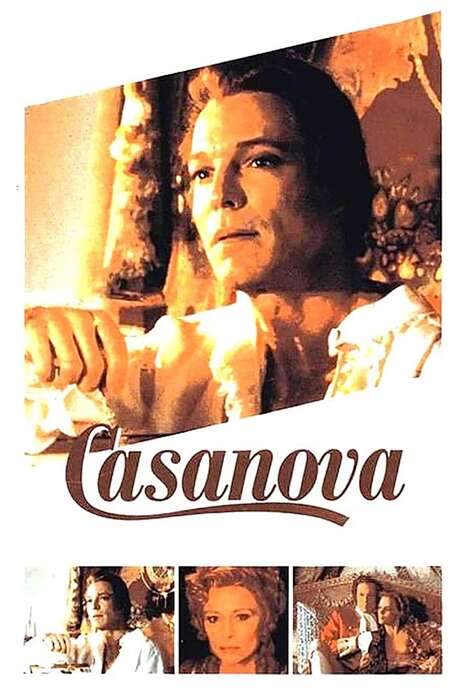
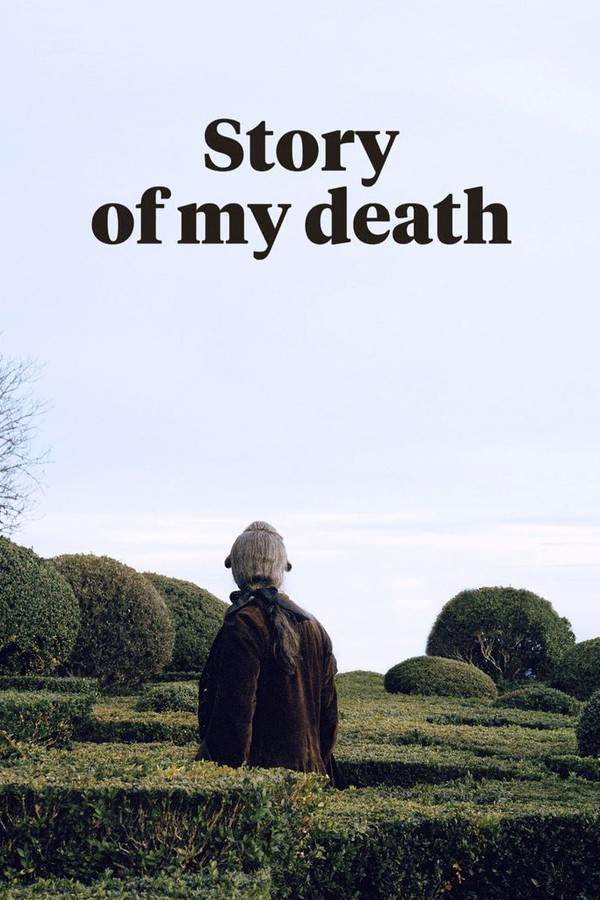
Casanova ventures to one of Venice's islands for a peculiar encounter involving a fake nun, all arranged for the entertainment of a wealthy voyeur. While there, he becomes increasingly frustrated because the man overseeing this voyeurism shows little interest in Casanova's own pursuits, particularly his research into alchemy and his elaborate schemes. Disappointed, Casanova rows back to the mainland only to be arrested and brought before the High Court, accused of his notorious reputation for debauchery.
During his incarceration, Casanova reflects on his romantic escapades. He recalls a flirtation with a dressmaker and later, a more intense affair with Anna Maria, a junior employee who suffers from fainting spells that often require bloodletting. Casanova manages a daring escape from prison by climbing onto the roof, after which he exiles himself from Venice. His travels lead him to the court of Madame d'Urfé in Paris. The aged Madame, captivated by Casanova’s supposed knowledge of alchemy, hopes to transform her soul through ritualistic intercourse with him.
Casanova’s journey continues as he reunites with his brother, inviting a new complication when he seduces his brother’s girlfriend. Two years later, in Forlì, Casanova becomes involved with a hunchbacked figure at a court, while also caring for a beautiful young woman named Henriette. They pledge fidelity, but the morning after, Henriette vanishes mysteriously. Du Bois, the hunchback, informs Casanova that Henriette has been reclaimed by a distant court and warns him not to pursue her.
Later, in London, Casanova’s luck falters again. He is robbed by two women and, overwhelmed by despair, attempts to drown himself in the Thames. However, his attention is diverted by visions of a giantess and dwarves; he follows them to a frost fair where he engages in a humorous arm-wrestling match with the giantess, who turns out to be a princess. He also watches her bathe with the dwarves, paying for the spectacle.
Casanova’s adventures take him to Rome, where he attends an eccentric party at Lord Talou’s palace. There, he demonstrates his stamina by winning a bet for how many orgasms he can produce within an hour. His travels then lead him to Bern, where he falls for Isabella, the daughter of an alchemist. However, she misses their appointment to go to Dresden, prompting Casanova to indulge in an orgy instead. During a brief visit to Dresden, he encounters his estranged mother in a theater, adding a bittersweet moment to his wandering life.
Moving on to Württemberg, Casanova hopes for recognition as a writer and inventor but finds himself frustrated by the court’s hedonistic and chaotic atmosphere. There, he meets Rosalba, a mechanical doll with whom he dances and later shares an intimate moment. Now aged and living in Dux at the castle of Count Waldstein, Casanova finds life more burdensome than ever. Surrounded by mockery and hostility, he reclines in an armchair, exhausted, and reflects on recent dreams. In this dreamlike reverie, he envisions himself back in Venice, chasing the ghosts of past lovers who gradually vanish into the ether. As the dream concludes, a magnificent stagecoach beckons him to join its passengers.
Finally, he reunites with Rosalba once more, and they dance together, symbolizing the enduring yet elusive nature of his passions and memories. Throughout his extraordinary life filled with love, adventure, longing, and regret, Casanova’s story is one of constant pursuit—not only of pleasure but also of meaning in a world that often confounds him.