Plot Explained Spoilers guaranteed!
Plot Explained

Browse by genre

Europe ’51 (1952) movie poster

Spoiler-Free Summary

Europe ’51 (1952) Spoiler-Free Summary – What It's About

Release, runtime and language
1952 · 118 mins · Italian
Loading streaming availability…
Directed by
Roberto Rossellini
Starring
Alexander Knox, Giulietta Masina, Ingrid Bergman, Marcella Rovena, Alfred Brown, Teresa Pellati

A privileged, self‑absorbed socialite in post‑war Rome is haunted by the death of her young son. To cope with her grief and seek purpose, she throws her wealth and energy into caring for the city’s impoverished and ill. Her single‑minded crusade strains her marriage, isolates her from friends, and prompts doubts about her mental stability, creating a starkly realistic portrait of moral awakening.

On this page (7)
  1. 1 Where to watch
  2. 2 What it is about
  3. 3 Is it worth watching?
  4. 4 After you watch
  5. 5 Movie threads
  6. 6 Movies like Europe ’51
  7. 7 Every angle
Loading streaming availability…

Spoiler-free summary · safe to read

What Is Europe ’51 About? (No Spoilers)

The plot of Europe ’51 (1952) without spoilers: what it is about, who it follows and where it takes place, told without the twists or the ending. Enough to decide whether it is your next watch, not enough to ruin it.

In the aching aftermath of World War II, Rome trembles between reconstruction and lingering hardship. The city’s streets buzz with the clatter of labor strikes, the murmur of political debate, and the quiet desperation of families struggling to survive amid ruined buildings and rationed supplies. Against this backdrop of a nation trying to redefine itself, the glittering world of affluent expatriates moves in stark contrast, their elegant salons a fragile veneer over a society still raw from conflict.

Irene Girard arrives in this charged atmosphere as a well‑to‑do socialite whose privileged life has been shattered by the sudden loss of her young son. Consumed by grief, she begins to channel her sorrow into a relentless drive to aid the city’s most vulnerable—children left without parents, the sick crowded into cramped quarters, and mothers forced to work under brutal conditions. Her once‑comfortable existence is rapidly transformed into a mission that feels both a personal redemption and an urgent moral imperative.

Her devotion places her at odds with her husband, George, an American industrialist whose own ambitions and expectations clash with her new purpose. Meanwhile, her cousin André, a fervent Communist journalist, offers a glimpse of the broader ideological battles shaping post‑war Italy, further complicating her relationships and deepening her sense of isolation. Friends and acquaintances begin to view her increasingly erratic dedication with a mixture of admiration and unease, prompting whispered questions about the stability of her mind.

The film’s tone is unflinching and intimate, painting a portrait of a woman whose quest for compassion forces her to confront the uneasy realities of a society still healing. It balances the stark realism of Rome’s streets with a lyrical exploration of love, loss, and the search for meaning amidst chaos, leaving the audience to wonder how far a single heart can stretch before it is either broken or reborn.

Last updated: December 05, 2025 at 09:38

Was this helpful?

What to expect

Is Europe ’51 Worth Watching? What It Feels Like

Is it dark, sad, slow, intense or confusing? The mood of Europe ’51 (1952) in a few tags, without a word about how it ends. Each tag opens a list of movies that feel the same.

After you watch

Seen Europe ’51? Now Read the Spoilers

Once you have watched Europe ’51 (1952), come back for the full story: the plot summary with spoilers, the timeline in chronological order, the characters and meaning.

Movie threads

More Movies Like Europe ’51, by Mood & Story

Curated lists built around what makes Europe ’51 tick: the same mood, the same kind of story or the same emotional payoff. Each list explains why these movies belong together.

Grief-driven transformations into radical empathy like in Europe ’51

Stories where profound personal tragedy sparks a complete reinvention of self and purpose. A collection of movies like Europe ’51, where characters shattered by loss rebuild their lives through radical acts of compassion. If you liked the story of Irene's charitable crusade born from grief, explore these similar journeys of moral and spiritual rebirth.

  • grieving
  • saintly
  • devastating
  • morally complex
  • sacrificial
  • socially conscious
  • Tone: melancholic, reverent, anguished
  • Pacing: slow, deliberate, meditative
Why these movies?

The story pattern: This narrative pattern follows a character, often a woman, experiencing a devastating personal loss. To cope, they reject their former life and immerse themselves in charitable or selfless work, leading to a spiritual awakening. The central conflict arises not from external villains, but from the friction between their newfound purpose and the expectations of society, family, and institutions, culminating in a bittersweet validation of their sacrifice.

Why they belong together: Movies are grouped here by their shared focus on grief as a catalyst for profound change, a melancholic tone, and a slow, contemplative exploration of moral and spiritual crises. They deliver a heavy emotional experience centered on sacrifice and the societal resistance to radical goodness.

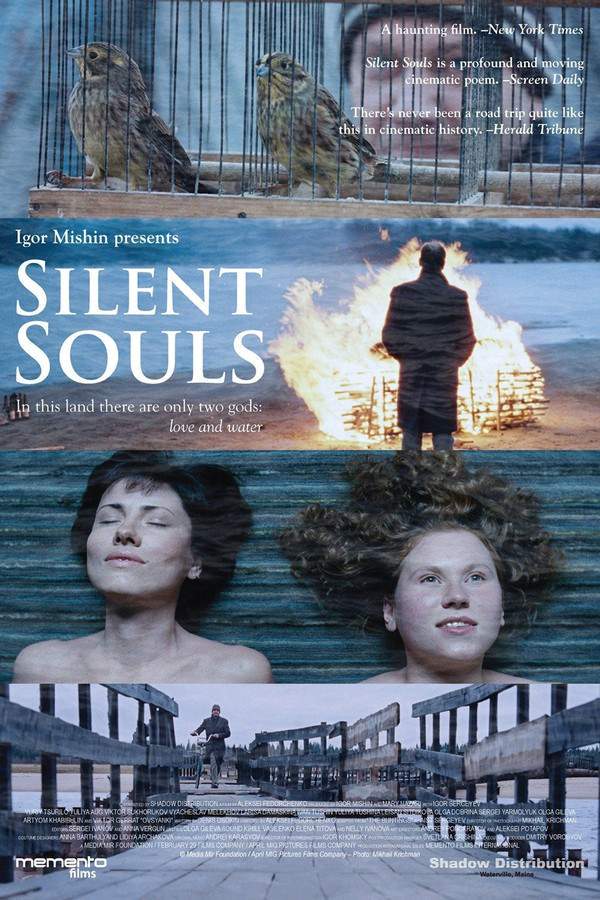
Slow-burn social conscience dramas like Europe ’51

Character-driven stories that build a fierce critique of social injustice with deliberate power. Discover movies like Europe ’51 that offer a slow, powerful look at social injustice. These character-driven dramas share a melancholic tone and heavy emotional weight, exploring themes of poverty, class, and moral responsibility similar to Irene's journey in post-war Rome.

  • socially conscious
  • oppressive
  • somber
  • morally anguished
  • realistic
  • thought-provoking
  • Tone: melancholic, sober, critical
  • Pacing: slow, deliberate, immersive
Why these movies?

The story pattern: The narrative unfolds slowly, often through the perspective of a privileged or sheltered individual who becomes aware of a grave social ill. Their investigation or involvement is met with resistance from their own social circle and the established powers. The story builds not with action, but with escalating moral conviction and the psychological toll of confronting an indifferent system, leading to an ending that is often bittersweet or bleak.

Why they belong together: These films are united by their shared slow pacing, high emotional weight, and a melancholic tone used to explore serious social themes. They prioritize immersive realism and moral gravity over fast-paced plots, creating a cohesive, thought-provoking cinematic experience.

If you liked this

Movies Like Europe ’51

Similar movies to Europe ’51: the same genre, themes or kind of story. Each one comes with its own plot summary, timeline and ending explained.

Browse all movie summaries

Every angle

Europe ’51 (1952) Explained: Plot, Timeline & Characters

Everything about Europe ’51 in one place: what happens in the plot summary, the timeline in chronological order, the characters and meaning and a spoiler-free summary. What's After the Movie adds the cast, box office and post-credit scenes.

Coming soon on iOS and Android

The Plot Explained Movie Summary App

Plot summaries, endings explained and timelines on your phone. Catch up on any movie in minutes, save your favorites and never miss a twist again.

Be the first to know when we launch. Your email stays private, always.

Learn more about the app