Plot Explained Spoilers guaranteed!
Plot Explained

Browse by genre

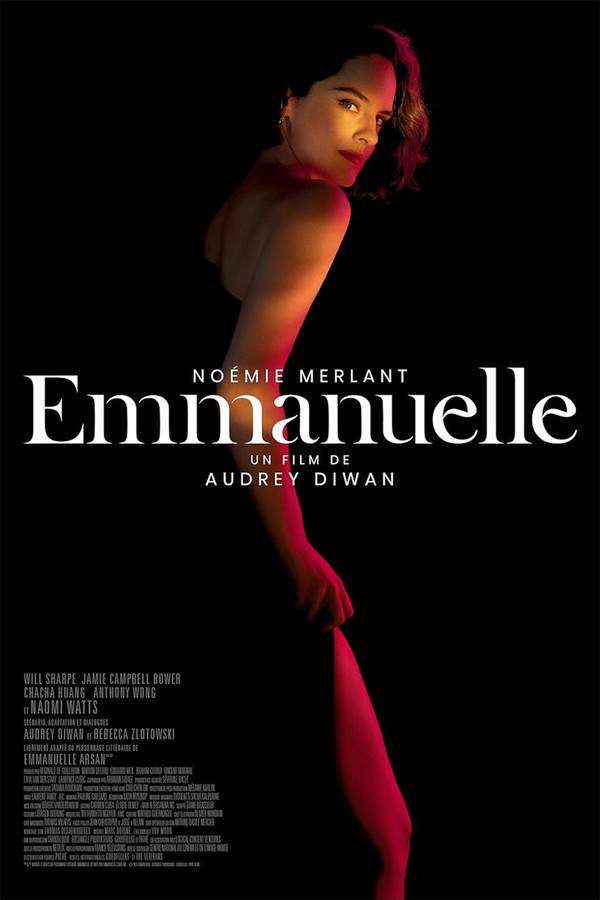
Emmanuelle (1974) movie poster

Characters & Themes

Emmanuelle (1974) Characters, Setting & Themes Explained

Release, runtime and language
1974 · 95 mins · French
Loading streaming availability…
Directed by
Just Jaeckin
Starring
Sylvia Kristel, Alain Cuny, Christine Boisson, Gabriel Briand, Gregory, Yves Rousset-Rouard

Let’s you feel good without feeling bad An employee at the French Embassy in Bangkok invites his wife to join him – and enjoy the benefits of their open marriage.

On this page (9)
  1. 1 Where to watch
  2. 2 Characters explained (6)
  3. 3 Where & when it takes place
  4. 4 Themes & meaning (3)
  5. 5 Character & meaning questions
  6. 6 The book behind the movie
  7. 7 Movie threads
  8. 8 Movies like Emmanuelle
  9. 9 Every angle
Loading streaming availability…

6 main characters · contains spoilers

Emmanuelle Characters Explained: Who Is Who

The main characters of Emmanuelle (1974), heroes and villains: what drives them, how they change over the course of the story and what each of them reveals about the film's bigger ideas.

  • Emmanuelle (Sylvia Kristel)

    A curious, sexually adventurous wife who travels to Bangkok with her diplomat husband. She confesses to past trysts and begins a journey of erotic exploration with multiple partners, oscillating between vulnerability and bold pursuit of pleasure. Her experiences drive the film’s exploration of desire and autonomy.

    • 💃 Sensual awakening
    • 🌍 Travel
    • 🔥 Hedonism
  • Marie-Ange (Christine Boisson)

    A young, confident woman who introduces Emmanuelle to new sexual experiences and openly challenges conventional norms. She is provocative and uninhibited, acting as a catalyst for Emmanuelle’s expanding circle of encounters. Her boldness pushes Emmanuelle toward greater exploration.

    • 🌺 Youth
    • 💋 Provocation
    • 🎭 Shamelessness
  • Mario (Alain Cuny)

    An older, powerful man who advocates lust over guilt and orchestrates Emmanuelle’s experiences. He coerces and teaches through provocative scenarios, including an opium den and a boxing match to determine a sexual partner. His philosophy and actions drive a core tension around control and desire.

    • 🗝️ Manipulation
    • 🏛️ Power
    • 🔥 Hedonism
  • Bee (Marika Green)

    A French archaeologist who stands apart from expatriate circles and engages in a private, initially reciprocal encounter with Emmanuelle. She is independent and reserved, later choosing distance over continued involvement. Her presence anchors a counterpoint to the overt sensationalism around other relationships.

    • 🧭 Independence
    • 🪨 Archaeology
    • 💬 Reserved
  • Jean (Gregory)

    Emmanuelle’s diplomat husband, whose questions about fidelity reveal the tensions of their marriage. He alternates between concern and encouragement, ultimately pushing Emmanuelle toward pursuing her desires. His role highlights the negotiation of duty and personal freedom in their partnership.

    • 🧭 Diplomacy
    • 💼 Duty
    • 🔥 Curiosity
  • Ariane

    Emmanuelle’s squash partner who is shown as jealous of Bee and wary of how relationships unfold. She offers consolation sex as part of the complex web of affections, reflecting competition and insecurity within the circle. Ariane serves as a foil to Emmanuelle’s evolving independence.

    • 🎭 Jealousy
    • 🏸 Sport
    • 🔗 Love triangle

Last updated: October 04, 2025 at 14:15

Was this helpful?

Setting

Where and When Does Emmanuelle Take Place?

The setting of Emmanuelle (1974): the year and time period, the places and locations, and how they shape the characters, the mood and the tension of the story.

Time period

1970s

The narrative unfolds in the 1970s, a decade known for shifting sexual mores and broader international travel. The setting reflects the era’s liberal attitudes toward sexuality among expatriates and travelers. Fashion, nightlife, and social norms depicted in the film emphasize a period of experimentation and freedom.

Location

Paris, Bangkok

Paris appears as the starting point of Emmanuelle’s journey, but the bulk of the action unfolds in Bangkok, a city of neon nightlife and Western expatriates. The film portrays Bangkok’s cosmopolitan scene, including river markets and clandestine venues like opium dens, that frame Emmanuelle’s sexual exploration. Watsai klong and surrounding expatriate circles provide the backdrop for her encounters, blending Western decadence with local settings.

  • 🌍 Cosmopolitan
  • 🕌 Expatriate life
  • ✈️ Travel

Last updated: October 04, 2025 at 14:15

Was this helpful?

3 major themes

Emmanuelle Meaning: Themes & Message Explained

What is Emmanuelle (1974) really about? The emotional, social and philosophical themes the film keeps returning to, its symbolism and the message beneath the surface.

  • Sexual Liberation

    Emmanuelle’s travels to Bangkok set the stage for a journey beyond traditional norms. The story presents a range of sexual experiences as she seeks pleasure and self-discovery. While this liberation brings excitement, it also highlights potential emotional costs and the complexity of desire.

  • Power and Control

    Power dynamics are central, especially in the relationship with Mario, who treats sexual encounters as performances and lessons. Monogamy is challenged as Emmanuelle is guided toward lust rather than restraint, leading to coercive situations and contested agency. The narrative probes how control can be exercised through influence and spectacle.

  • Voyeurism

    The film examines gaze and exposure, with characters watching and being watched as desires unfold. Encounters occur within a web of observation—between Emmanuelle, Marie-Ange, Bee, and Mario—creating a mosaic of private fantasies and public display. This dynamic questions the boundaries between intimacy and performance.

Last updated: October 04, 2025 at 14:15

Was this helpful?

Character & theme questions

Emmanuelle Characters & Meaning: Your Questions Answered

The questions people ask about Emmanuelle (1974): who the characters really are, their relationships, what the symbols mean, where it takes place and what the movie is really about. Each answer contains spoilers.

Q1

Where is Emmanuelle set?

The majority of Emmanuelle takes place in Bangkok, Thailand, where the protagonist joins her diplomat husband at the French Embassy. Paris appears briefly as her starting point, but the film focuses on Bangkok's cosmopolitan expatriate scene, depicting locations like river markets, opium dens, and neon-lit nightlife venues.

  • bangkok
  • thailand
  • setting
  • paris
  • expatriate
  • locations
Q2

What time period does Emmanuelle take place in?

Emmanuelle is set in the 1970s, a decade characterized by shifting sexual mores and increased international travel. The film reflects the era's liberal attitudes toward sexuality among Western expatriates and travelers, with fashion, nightlife, and social norms emphasizing experimentation and freedom.

  • 1970s
  • time period
  • era
  • 1970s sexuality
  • decade
Q3

What is the main theme of Emmanuelle?

Sexual liberation is the central theme, as Emmanuelle travels to Bangkok and embarks on a journey beyond traditional marital norms. The film presents a range of sexual experiences as she seeks pleasure and self-discovery, exploring the excitement of liberation while also highlighting potential emotional costs and the complexity of desire.

  • sexual liberation
  • theme
  • desire
  • self-discovery
  • pleasure
Q4

Who is Mario in Emmanuelle?

Mario is an older, powerful man who acts as a central figure in Bangkok's expatriate circles. He advocates lust over guilt and orchestrates many of Emmanuelle's sexual experiences through provocative scenarios and lessons. His philosophy and actions drive much of the film's tension around control and desire, with his approach ranging from influential to coercive.

  • mario
  • character
  • power
  • control
  • influence
Q5

Who is Marie-Ange in Emmanuelle?

Marie-Ange is a young, confident woman who introduces Emmanuelle to new sexual experiences and openly challenges conventional norms. She acts as a catalyst for Emmanuelle's expanding circle of encounters, pushing her toward greater exploration through her boldness and provocative attitude.

  • marie-ange
  • character
  • catalyst
  • norm breaking
Q6

How does Emmanuelle explore voyeurism?

Voyeurism is a key theme, with the film examining gaze and exposure throughout. Characters frequently watch and are watched as desires unfold, creating a web of observation among Emmanuelle, Marie-Ange, Bee, and Mario. This dynamic questions the boundaries between intimacy and performance, blending private fantasies with public display.

  • voyeurism
  • gaze
  • observation
  • watching
  • performance
Q7

What is the relationship between Emmanuelle and Jean?

Jean is Emmanuelle's diplomat husband working at the French Embassy in Bangkok. Their marriage operates under an open arrangement, with Jean alternately expressing concern and encouragement about Emmanuelle's fidelity. His role highlights the negotiation between duty and personal freedom within their partnership.

  • jean
  • husband
  • diplomat
  • marriage
  • open relationship
Q8

Who is Bee in Emmanuelle?

Bee is a French archaeologist who stands apart from Bangkok's expatriate circles. She engages in a private, initially reciprocal encounter with Emmanuelle but later chooses distance over continued involvement. Her character serves as a counterpoint to the overt sensationalism of other relationships, being more independent and reserved.

  • bee
  • archaeologist
  • character
  • independent
  • reserved
Q9

How does Emmanuelle portray power and control?

Power dynamics are central to the film, particularly in the relationship between Mario and Emmanuelle. Mario treats sexual encounters as performances and lessons, guiding Emmanuelle toward lust rather than restraint. The narrative explores how control can be exercised through influence and spectacle, including coercive situations that complicate questions of agency.

  • power
  • control
  • coercion
  • influence
  • mario
Q10

What is Bangkok like in Emmanuelle?

The film portrays Bangkok as a city of neon nightlife and Western expatriate presence, providing a backdrop of cosmopolitan decadence. Key settings include river markets, clandestine venues like opium dens, and the surrounding expatriate circles around Watsai klong. The setting blends Western decadence with local Thai environments.

  • bangkok
  • nightlife
  • opium den
  • expatriate
  • markets
Q11

What is the tone and style of Emmanuelle?

Emmanuelle maintains a neutral, detached, almost documentary-like perspective on sexual exploration rather than offering strong moral judgment. The pacing is steady and methodical, moving from one encounter or philosophical conversation to the next. The presentation is more intellectual and sensual than emotionally draining, treating its subject matter as thematic provocation.

  • tone
  • style
  • documentary
  • neutral
  • presentation
Q12

What is the ending of Emmanuelle about?

The ending of Emmanuelle is ambiguous, with Emmanuelle awaiting the 'next Emmanuelle,' suggesting a cyclical nature to sexual exploration without clear resolution. This open conclusion implies that the journey of discovery continues indefinitely, leaving questions of emotional catharsis unresolved.

  • ending
  • ambiguous
  • cycle
  • resolution
  • conclusion

Movie threads

More Movies Like Emmanuelle, by Mood & Story

Curated lists built around what makes Emmanuelle tick: the same mood, the same kind of story or the same emotional payoff. Each list explains why these movies belong together.

Movies with a clinical exploration of eroticism like Emmanuelle

Movies that examine sexuality with a detached, observational perspective. If you liked the detached, observational perspective on sexual freedom in Emmanuelle, discover more movies that examine eroticism intellectually. These films share a similar neutral tone, steady pacing, and provocative themes, making them great choices for viewers seeking thoughtful, sensual stories without heavy emotional melodrama.

  • sensual
  • contemplative
  • provocative
  • voyeuristic
  • detached
  • clinical
  • Tone: neutral, provocative, detached
  • Pacing: steady, deliberate
Why these movies?

The story pattern: Stories in this thread often follow a character's linear journey into a world of alternative sexuality or moral ambiguity. The narrative unfolds methodically, punctuated by encounters and debates that serve to explore a theme rather than build traditional dramatic tension. The emotional journey is often secondary to the intellectual or sensory one.

Why they belong together: These films are grouped by their shared neutral tone and observational approach to intimate subject matter. They possess a similar pacing that feels steady and deliberate, and an emotional weight that is medium, allowing for provocative content without overwhelming the viewer. The overall vibe is one of sensual contemplation rather than heated drama.

Voyeuristic movies about exploring taboo worlds like Emmanuelle

Stories that invite the audience to observe hidden or transgressive subcultures. For viewers who enjoyed the voyeuristic journey into the world of open marriage and sexual politics in Emmanuelle, this list highlights similar films. These movies pull you into hidden subcultures and transgressive lifestyles with a steady, observational pace, perfect for those seeking provocative and liberating cinematic experiences.

  • voyeuristic
  • provocative
  • liberating
  • detached
  • transgressive
  • immersive
  • Tone: provocative, liberating, ambiguous
  • Pacing: steady, immersive
Why these movies?

The story pattern: The narrative pattern often involves an outsider or initiate being introduced to a new, morally complex world. The story is structured around a series of revelations and encounters that challenge conventional norms. The ending is frequently ambiguous, reflecting the ongoing nature of the exploration rather than a neat resolution.

Why they belong together: These movies share a core vibe of voyeurism and liberation. They are united by their focus on topics like sexual exploration and moral ambiguity, and moods such as provocative and detached. The pacing is consistently steady, allowing the audience to absorb the unfamiliar world, while the complexity tends to be straightforward, focusing on the central journey.

If you liked this

Movies Like Emmanuelle

Similar movies to Emmanuelle: the same genre, themes or kind of story. Each one comes with its own plot summary, timeline and ending explained.

Browse all movie summaries

Every angle

Emmanuelle (1974) Explained: Plot, Timeline & Characters

Everything about Emmanuelle in one place: what happens in the plot summary, the timeline in chronological order, the characters and meaning and a spoiler-free summary. What's After the Movie adds the cast, box office and post-credit scenes.

Coming soon on iOS and Android

The Plot Explained Movie Summary App

Plot summaries, endings explained and timelines on your phone. Catch up on any movie in minutes, save your favorites and never miss a twist again.

Be the first to know when we launch. Your email stays private, always.

Learn more about the app