
Edmond Was a Donkey
Year: 2012
Runtime: 15 mins
Language: English
Director: Franck Dion
Edmond is a misfit at the office. When his co-workers pull a prank giving him donkey ears, Edmond realizes his true nature: he, in fact, is a real donkey.
Where to Watch Edmond Was a Donkey?
Find where to stream, rent, or buy Edmond Was a Donkey (2012) in the US with current JustWatch availability, up-to-date pricing, and platform listings for subscription, rental, and digital purchase options.









Warning: spoilers below!
Haven’t seen Edmond Was a Donkey yet? This summary contains major spoilers. Bookmark the page, watch the movie, and come back for the full breakdown. If you're ready, scroll on and relive the story!
Timeline – Edmond Was a Donkey (2012)
Trace every key event in Edmond Was a Donkey (2012) with our detailed, chronological timeline. Perfect for unpacking nonlinear stories, spotting hidden connections, and understanding how each scene builds toward the film’s climax. Whether you're revisiting or decoding for the first time, this timeline gives you the full picture.
Last updated: October 03, 2025 at 10:33
Edmond Was a Donkey (2012) Timeline Questions Answered – Chronology FAQ
Find frequently asked questions about the Edmond Was a Donkey (2012) timeline, including chronological order, nonlinear jumps, cause-and-effect links, and scene sequence clarifications. This timeline FAQ helps explain when key events happen, how moments connect, and why the story unfolds in that specific order.
Why did Edmond see a real donkey in the mirror after the prank?
When Edmond puts on the onion-printed donkey ears and looks in the mirror, he sees a full-grown donkey staring back instead of himself. This moment represents the psychological break that occurs when the prank touches something deeper within him, a profound sense of not fitting in and being fundamentally different from those around him. The mirror doesn't show a physical transformation but rather reveals his inner perception of himself as an outsider. The ears simply serve as the catalyst that unlocks this hidden identity he has always felt but never expressed.
The summary notes Edmond's life was already colorless with a loveless marriage, suggesting he felt alienated long before the ears appeared.
Why did Edmond break into the zoo to find other donkeys?
After wearing the donkey ears for some time, Edmond becomes genuinely convinced he is a donkey and desperately seeks belonging among his own kind. The zoo visit represents his deepest need to escape the isolation he feels among humans, whom he later refers to as 'horses.' He believes that if he can only be with real donkeys, he will finally be accepted for what he truly believes he is. This act demonstrates how far his psychological transformation has progressed and how urgently he needs to find a community that recognizes his identity.
His decision to keep wearing the ears after the prank shows his growing attachment to the donkey identity.
What happened to Edmond at the mental health facility?
Edmond is confined in a mental health facility after being discovered at the zoo. The staff administer electroconvulsive therapy and insist that he is not a donkey. The treatment appears successful, Edmond seems freed from the ears and the delusion. However, this apparent recovery proves temporary, as he later relapses. This sequence suggests the treatment suppressed his belief without addressing the underlying emotional needs that drove him to identify as a donkey in the first place.
His wife's initial dismissal of the situation left Edmond to process his feelings alone, hinting at unresolved emotional isolation.
Why did Edmond relapse at the subway station?
On his way back to work, Edmond experiences a profound relapse at the subway station. He hallucinates a former fellow inpatient, who believed he was a chicken, unfolding wings and taking flight. More intensely, the crowds around him become overwhelming, their movement and noise transforming into the sound of stampeding horses. This moment represents the moment when his carefully constructed human mask completely collapses under the pressure of urban anonymity and his unresolved psychological state.
The earlier scene at the mental health facility showed he was only superficially 'cured' rather than truly healed.
What was the significance of the chicken patient in Edmond's hallucination?
The chicken patient represents another person who, like Edmond, became trapped in a fixed delusion about their true identity. When this patient appears in Edmond's hallucination at the subway station, unfolding wings and flying away, it symbolizes the possibility of escape that Edmond cannot achieve. The chicken patient 'flies free' while Edmond remains earthbound and trapped, highlighting Edmond's inability to transcend his own psychological imprisonment. This hallucination also reinforces the film's theme that those who believe they are something society deems 'impossible' face inevitable suffering.
The mental health facility contained other patients with similar identity delusions, establishing this as a recurring motif.
Why did Edmond's boss support him after his hospitalization?
Edmond's boss, who has always admired his dedication and efficiency, fights to restore him to his previous position at work. This support suggests that despite Edmond's psychological crisis, his professional competence remained recognized. However, this redemption proves short-lived. The boss's support represents the possibility of acceptance within the human world, but it ultimately fails to provide Edmond with the belonging he seeks. The workplace cannot replace the community he longs for, and Edmond returns to his archive position isolated among dusty files.
Edmond's meticulous work in the archives was established early as his primary identity within the human world.
Why did Edmond die crushed between two motorized shelves?
Edmond dies by being crushed between two motorized shelves in the office archive room. This tragic death represents the ultimate consequence of his impossible position, he can never be accepted as a donkey by society, yet he cannot fully return to being human. The motorized shelves are impersonal, mechanical forces that crush him, symbolizing how society's machinery grinds down those who refuse to conform. His death is both a final act of despair and an ironic escape, as it finally removes him from a world where he could never belong.
His earlier statement that he will never be accepted by 'the crowd' foreshadows this fatalistic conclusion.
What does the final meadow scene with the donkey mean?
The film closes with a donkey standing peacefully in a wild meadow, free and serene. This final image is deliberately ambiguous, it could represent Edmond's soul finally finding freedom after death, or it could be a symbolic fantasy his mind created in his final moments. The meadow represents a place where identity is not judged, where a donkey can simply exist without needing to prove itself. This bittersweet ending suggests that the belonging Edmond sought might only be achievable beyond the human world, in a realm untouched by societal expectations and the dismissive gazes of others.
Throughout the film, Edmond associates donkeys with authenticity and freedom, contrasting them with the suffocating human world.
Why did the crowds at the subway sound like horses to Edmond?
Edmond refers to other people as 'horses' throughout the film. At the subway station, this metaphor becomes visceral when the noise and movement of the crowd is dubbed with the sound of running horses. This represents how Edmond has completely separated himself from humanity, he no longer sees people as people but as a different species entirely. The horse imagery also suggests he perceives humans as powerful, overwhelming, and dangerous forces that will trample him. The stampede metaphor captures his feeling of being hunted and crushed by the masses he cannot escape.
His decision to identify as a donkey rather than human established the foundational 'us vs. them' division.
Why did Edmond make paper donkey ears after his treatment?
After his apparent recovery through electroconvulsive therapy, Edmond returns to work and quickly crafts a new pair of paper donkey ears, placing them back on his head. This act demonstrates that the treatment only suppressed his delusion without addressing its root cause. The paper ears are fragile and improvised compared to the tailor-made ones, but they still provide him 'fragile relief' from his alienation. This relapse shows that his need to wear the ears was never about the object itself, it was about having an identity that felt authentic to him, even if that identity was socially unacceptable.
The treatment at the mental health facility only addressed symptoms, not the underlying emotional isolation.

Explore Movie Threads
Discover curated groups of movies connected by mood, themes, and story style. Browse collections built around emotion, atmosphere, and narrative focus to easily find films that match what you feel like watching right now.
Movies about metaphorical identity crises like Edmond Was a Donkey
Stories where characters' inner turmoil is manifested as a literal, surreal transformation.Explore movies like Edmond Was a Donkey where characters experience a profound identity crisis that takes on a symbolic, almost fable-like form. If you enjoyed the surreal yet poignant exploration of self in Edmond, you'll find similar stories of transformation and alienation here.
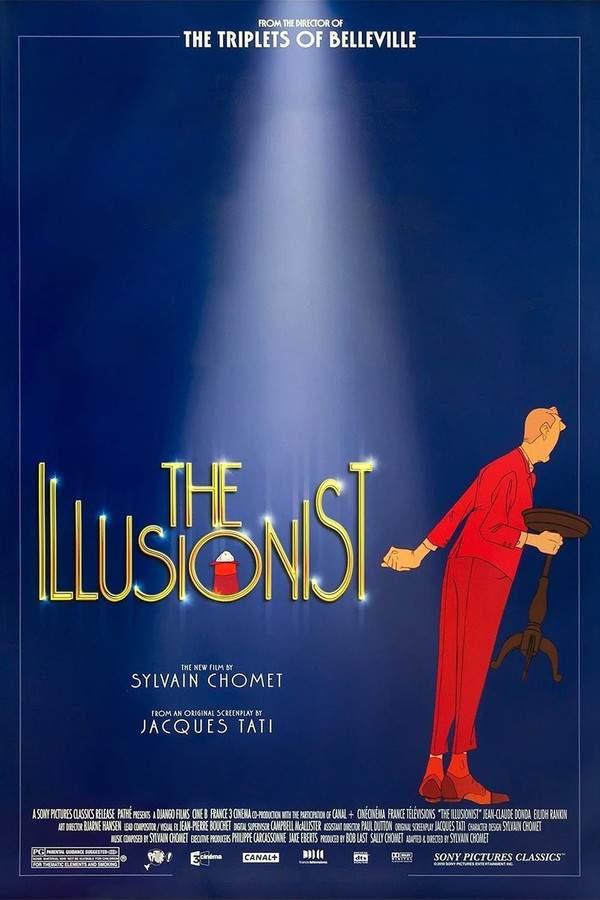
The Illusionist
2010
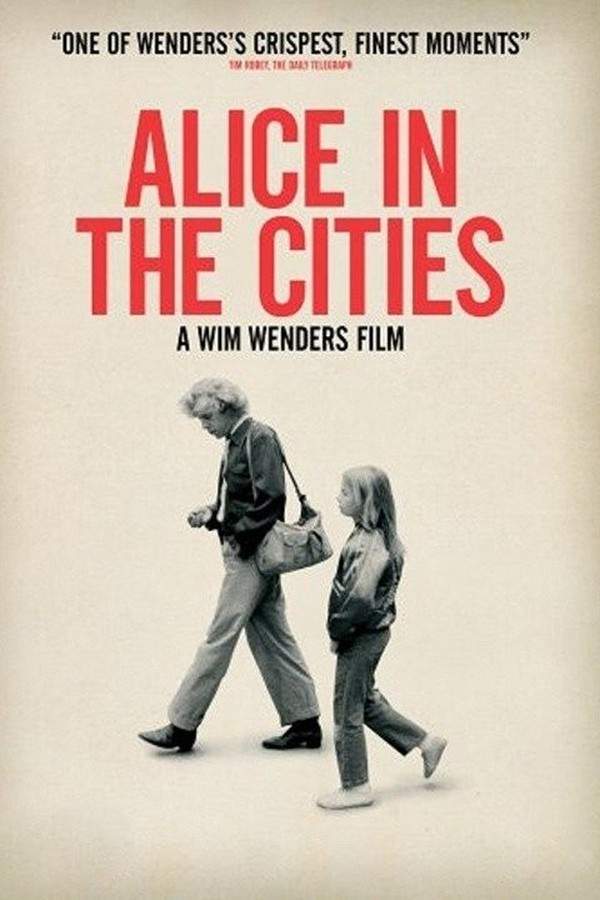
Alice in the Cities
1974
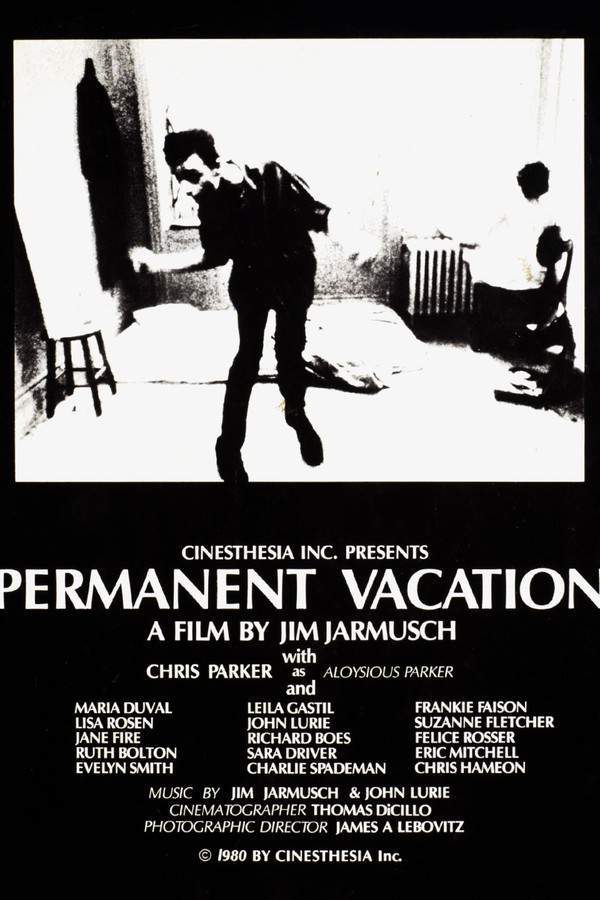
Permanent Vacation
1981
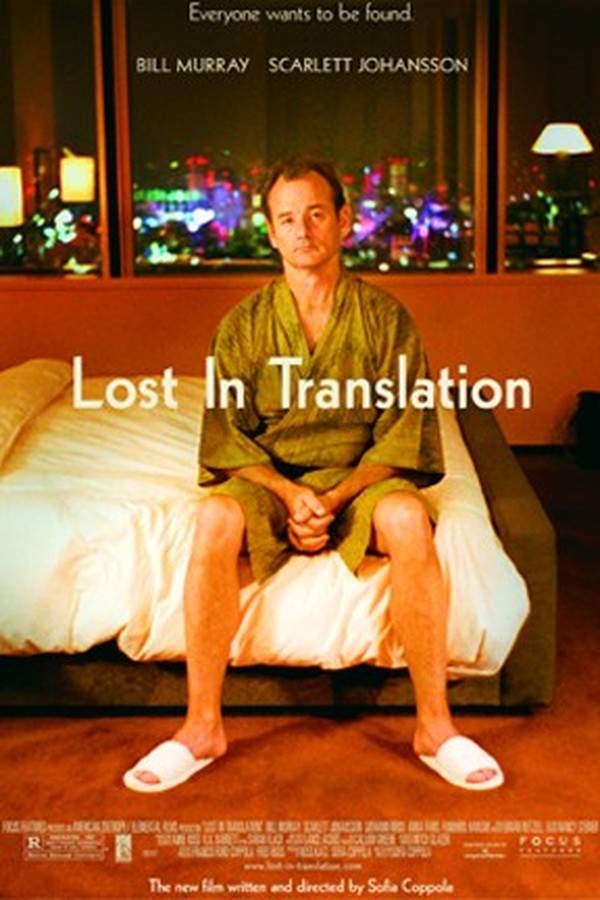
Lost in Translation
2003

Kumiko, The Treasure Hunter
2015

Lost
2005
Rabbit Hole
2010

Bokeh
2017
Somewhere
2010
Silent Souls
2011

The Insatiable Moon
2011
Edmond Was a Donkey
2012

The Forest for the Trees
2003
Drifting
1983
Linear
2009
Narrative Summary
Narratives in this thread follow a character who feels profoundly out of place in their world. An external catalyst triggers an internal realization, leading to a surreal metamorphosis that literalizes their deepest insecurities or true nature. The plot is often a straightforward, linear journey of acceptance or surrender to this new state of being.
Why These Movies?
These movies are grouped by their shared use of potent, simple metaphors to explore complex psychological states. They blend melancholic realism with dreamlike allegory, creating a unique space for reflection on themes of conformity, mental health, and the search for belonging.
Movies about quiet despair and institutional life like Edmond Was a Donkey
Stories of gentle souls crushed by systems, finding a bittersweet peace in surrender.Discover films similar to Edmond Was a Donkey that explore themes of quiet despair, social alienation, and confinement within institutional systems. If you were moved by Edmond's poignant journey and bittersweet conclusion, these movies capture a comparable mood of gentle suffering and melancholic release.
Distant
2004
Get Low
2010
Treeless Mountain
2009
The Ignorant Fairies
2002
28 Hotel Rooms
2012

South Solitary
2010
Edmond Was a Donkey
2012

Peony Pavilion
2001

Sentimental Destinies
2000

Boys and Girls
1983

Year of Enlightment
1986

The Unbearable Lightness of the Revolution
2021

Tea and Sympathy
1956

Somewhere I Have Never Travelled
2009

Grey Gardens
2009
Narrative Summary
The narrative pattern involves a sensitive protagonist who is systematically worn down by a rigid environment. Their struggle is internal and quiet, often ending with them being institutionalized or finding a form of escape that is both a tragedy and a liberation. The ending is typically bittersweet, balancing loss with a strange sense of freedom.
Why These Movies?
These films share a specific emotional mix: a slow-burning melancholic tone, a medium but deeply internalized intensity, and a focus on the claustrophobic feeling of being trapped by societal expectations. They resonate with a sense of profound loneliness and the search for a place to belong, even if that place is one of surrender.
Unlock the Full Story of Edmond Was a Donkey
Don't stop at just watching - explore Edmond Was a Donkey in full detail. From the complete plot summary and scene-by-scene timeline to character breakdowns, thematic analysis, and a deep dive into the ending - every page helps you truly understand what Edmond Was a Donkey is all about. Plus, discover what's next after the movie.
Edmond Was a Donkey Summary
Read a complete plot summary of Edmond Was a Donkey, including all key story points, character arcs, and turning points. This in-depth recap is ideal for understanding the narrative structure or reviewing what happened in the movie.

Characters, Settings & Themes in Edmond Was a Donkey
Discover the characters, locations, and core themes that shape Edmond Was a Donkey. Get insights into symbolic elements, setting significance, and deeper narrative meaning - ideal for thematic analysis and movie breakdowns.


