
Edmond Was a Donkey
Year: 2012
Runtime: 15 mins
Language: English
Director: Franck Dion
Edmond is a misfit at the office. When his co-workers pull a prank giving him donkey ears, Edmond realizes his true nature: he, in fact, is a real donkey.
Where to Watch Edmond Was a Donkey?
Find where to stream, rent, or buy Edmond Was a Donkey (2012) in the US with current JustWatch availability, up-to-date pricing, and platform listings for subscription, rental, and digital purchase options.









Warning: spoilers below!
Haven’t seen Edmond Was a Donkey yet? This summary contains major spoilers. Bookmark the page, watch the movie, and come back for the full breakdown. If you're ready, scroll on and relive the story!
Timeline & Setting – Edmond Was a Donkey (2012)
Explore the full timeline and setting of Edmond Was a Donkey (2012). Follow every major event in chronological order and see how the environment shapes the story, characters, and dramatic tension.
Last updated: October 03, 2025 at 06:44
Main Characters – Edmond Was a Donkey (2012)
Meet the key characters of Edmond Was a Donkey (2012), with detailed profiles, motivations, and roles in the plot. Understand their emotional journeys and what they reveal about the film’s deeper themes.
Last updated: October 03, 2025 at 06:44
Major Themes – Edmond Was a Donkey (2012)
Explore the central themes of Edmond Was a Donkey (2012), from psychological, social, and emotional dimensions to philosophical messages. Understand what the film is really saying beneath the surface.
Last updated: October 03, 2025 at 06:44
Edmond Was a Donkey (2012) Character & Theme Questions Answered – Info FAQ
Browse frequently asked questions about Edmond Was a Donkey (2012) focused on characters, relationships, themes, symbols, setting, and story context. This movie info FAQ gives spoiler-aware explanations for character arcs, world details, and thematic interpretation so readers can better understand what the film is really about.
Why does Edmond start wearing the donkey ears?
Edmond begins wearing the donkey ears after his colleagues force them on him as a prank. Rather than removing them, he chooses to keep them, turning the joke into a personal declaration of identity. This choice reflects his deep longing to be seen and accepted for who he believes he truly is, even when others view it as delusion.
What does the office represent in the movie?
The office represents a sterile, colorless world of routine and conformity where Edmond feels invisible. Its mundane, repetitive nature highlights his sense of alienation and sets the stage for his dramatic transformation when the donkey ears disrupt the predictable office life.
Why is Edmond sent to a mental health facility?
Edmond is committed to a mental health facility after his behavior becomes increasingly erratic and he fully embraces his identity as a donkey. The staff administer electroconvulsive therapy and insist he is not a donkey, attempting to restore what they consider normalcy. The film critiques this institutional approach as a quick-fix that prioritizes conformity over understanding individual identity.
Why does Edmond go to the zoo?
Edmond visits the zoo seeking genuine belonging among real donkeys, hoping to find a place where his identity is accepted without judgment. This moment underscores his desperate search for community and his belief that he would be understood among those he considers his true kind.
Is Edmond actually a donkey or just pretending?
The film leaves this question deliberately ambiguous, exploring whether identity is something we choose to wear or something others perceive in us. Edmond believes he is truly a donkey, but the mental health staff and society at large refuse to acknowledge this identity, creating a central tension about the nature of selfhood.
What does the ending meadow represent?
The meadow at the film's end offers a symbolic escape where Edmond experiences freedom from social judgment. Though his physical death is tragic, the image of a wild, free donkey suggests his spirit has finally found the belonging and peace that human society denied him.
How does Edmond's wife respond to his transformation?
Edmond's wife initially finds the donkey ears amusing and treats the change as a quirky joke. However, as the situation escalates and Edmond's behavior becomes more extreme, she grows wary and concerned, highlighting the strain that unexplainable change places on intimate relationships when one partner's reality diverges from consensus.
What is the movie saying about belonging?
The film explores belonging as an impossible goal when others refuse to recognize one's chosen identity. Edmond's search for acceptance leads him to crowds, the zoo, and ultimately isolation. His story suggests that true belonging cannot exist without external recognition, and when society denies identity, the only escape is through symbolic or literal death.
What role does Edmond's boss play in the story?
Edmond's boss represents the tension between workplace empathy and institutional stability. He initially admires Edmond's dedication and attempts to help him return to his previous position, showing how power dynamics can both support and hinder someone struggling with social stigma. His efforts underscore the fragility of Edmond's social standing.
Is this a children's animated movie?
Despite being an animated film, Edmond Was a Donkey is a serious drama dealing with heavy themes of identity crisis, mental health, alienation, and institutionalization. Its quiet, reflective pacing and symbolic, fable-like quality create emotional distance, making it appropriate for mature audiences interested in psychological allegory rather than conventional animation.
When does the movie take place?
The movie does not specify a clear time period, appearing to exist in a somewhat timeless, ambiguous setting. The office environment, subway system, and general city atmosphere suggest a contemporary urban world, but the lack of specific technological or cultural markers keeps the narrative in a floating present that emphasizes its universal, fable-like quality.

Explore Movie Threads
Discover curated groups of movies connected by mood, themes, and story style. Browse collections built around emotion, atmosphere, and narrative focus to easily find films that match what you feel like watching right now.
Movies about metaphorical identity crises like Edmond Was a Donkey
Stories where characters' inner turmoil is manifested as a literal, surreal transformation.Explore movies like Edmond Was a Donkey where characters experience a profound identity crisis that takes on a symbolic, almost fable-like form. If you enjoyed the surreal yet poignant exploration of self in Edmond, you'll find similar stories of transformation and alienation here.
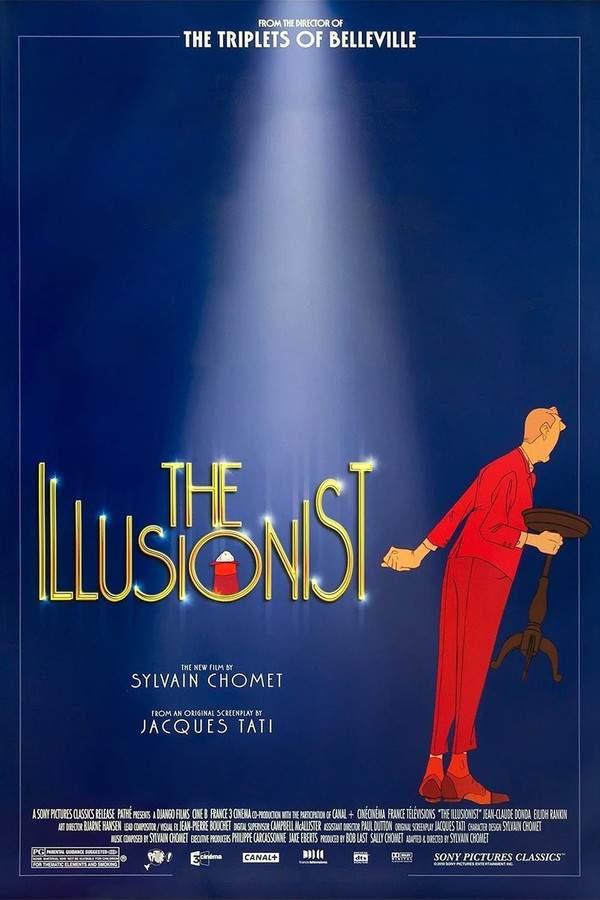
The Illusionist
2010
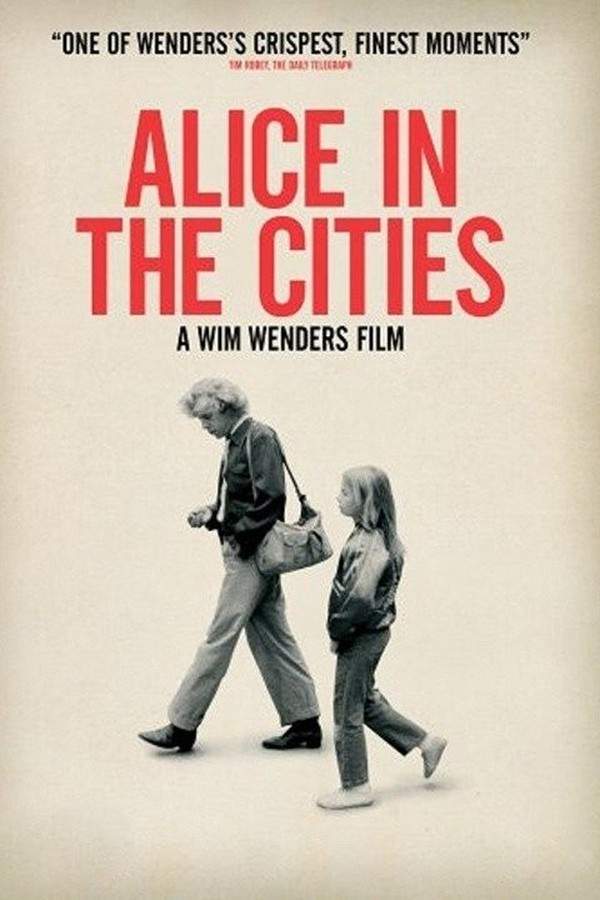
Alice in the Cities
1974
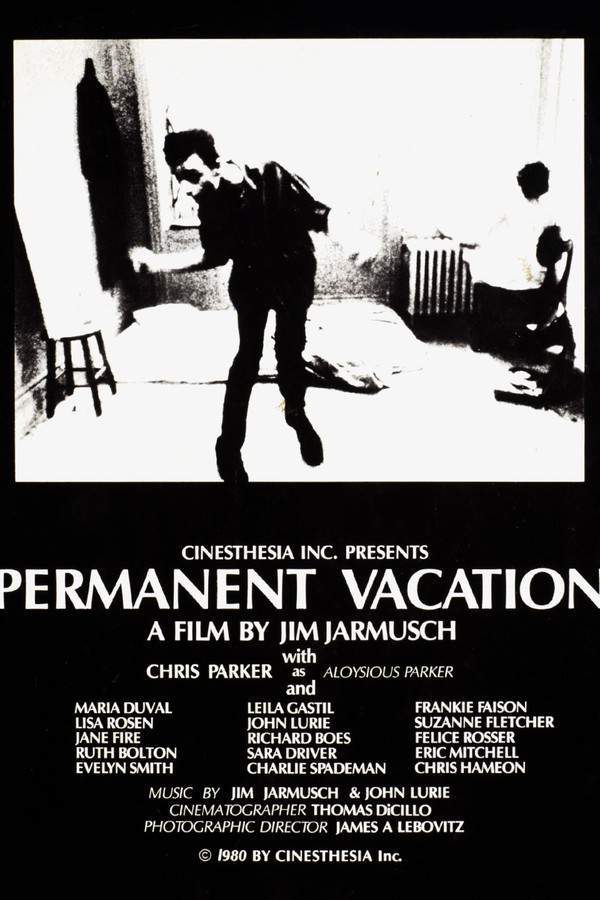
Permanent Vacation
1981
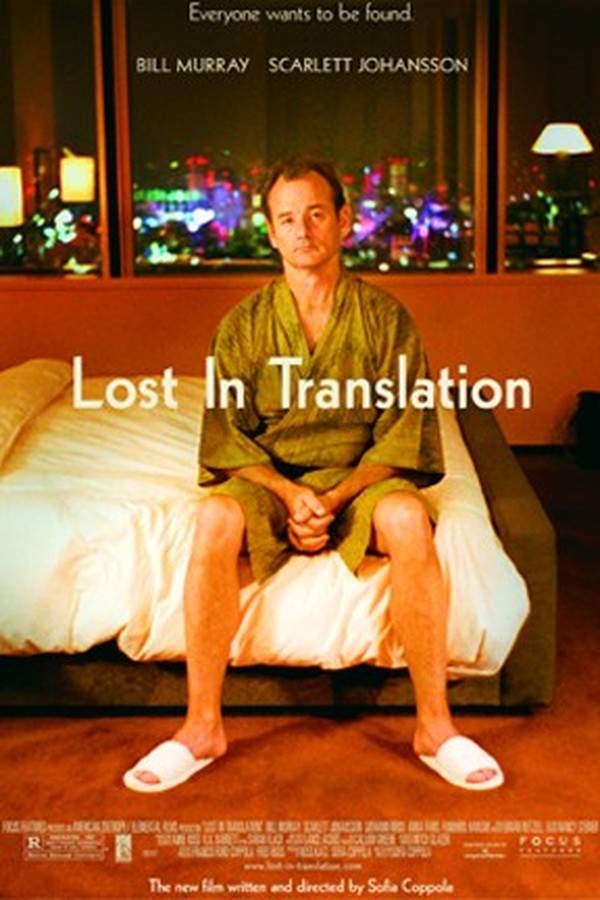
Lost in Translation
2003
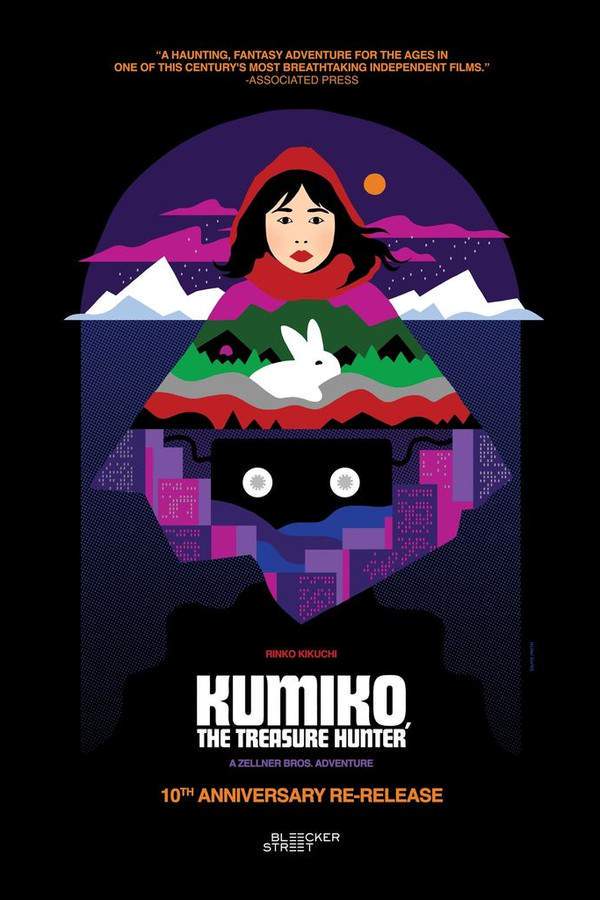
Kumiko, The Treasure Hunter
2015

Lost
2005
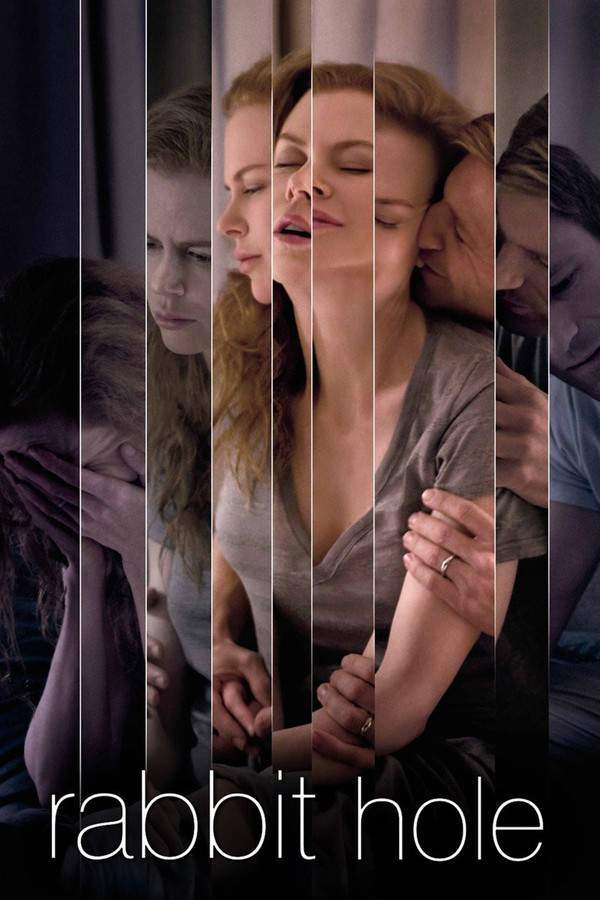
Rabbit Hole
2010

Bokeh
2017
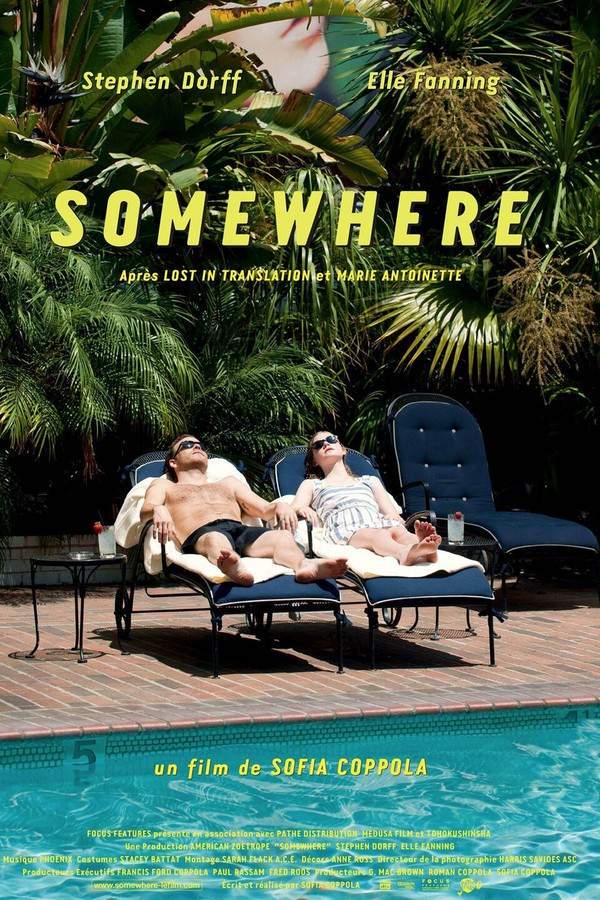
Somewhere
2010
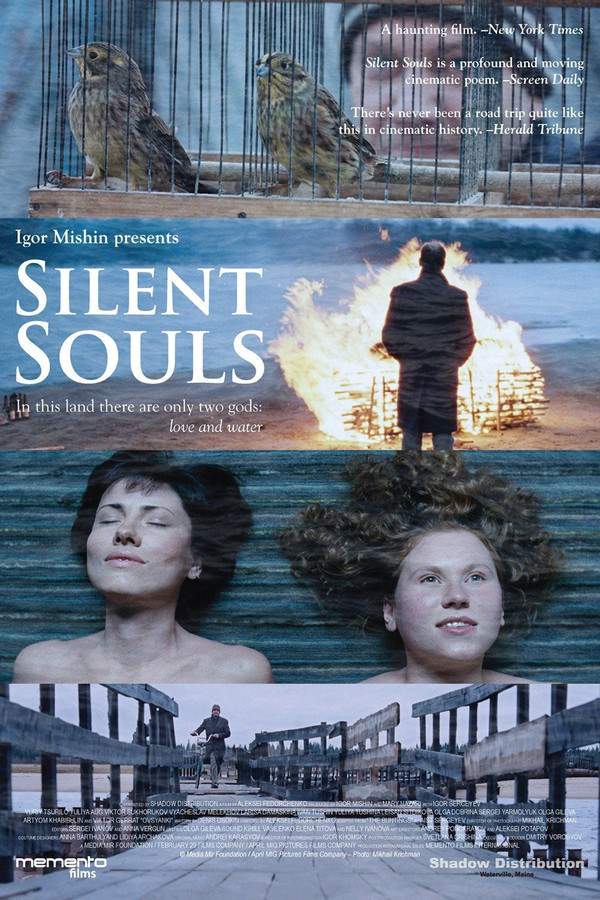
Silent Souls
2011

The Insatiable Moon
2011
Edmond Was a Donkey
2012

The Forest for the Trees
2003
Drifting
1983
Linear
2009
Narrative Summary
Narratives in this thread follow a character who feels profoundly out of place in their world. An external catalyst triggers an internal realization, leading to a surreal metamorphosis that literalizes their deepest insecurities or true nature. The plot is often a straightforward, linear journey of acceptance or surrender to this new state of being.
Why These Movies?
These movies are grouped by their shared use of potent, simple metaphors to explore complex psychological states. They blend melancholic realism with dreamlike allegory, creating a unique space for reflection on themes of conformity, mental health, and the search for belonging.
Movies about quiet despair and institutional life like Edmond Was a Donkey
Stories of gentle souls crushed by systems, finding a bittersweet peace in surrender.Discover films similar to Edmond Was a Donkey that explore themes of quiet despair, social alienation, and confinement within institutional systems. If you were moved by Edmond's poignant journey and bittersweet conclusion, these movies capture a comparable mood of gentle suffering and melancholic release.
Distant
2004
Get Low
2010
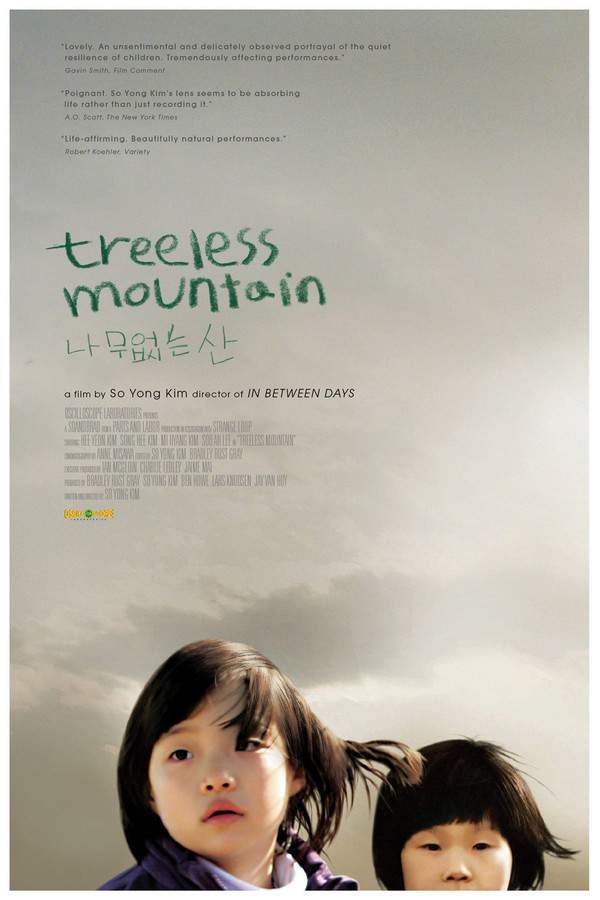
Treeless Mountain
2009
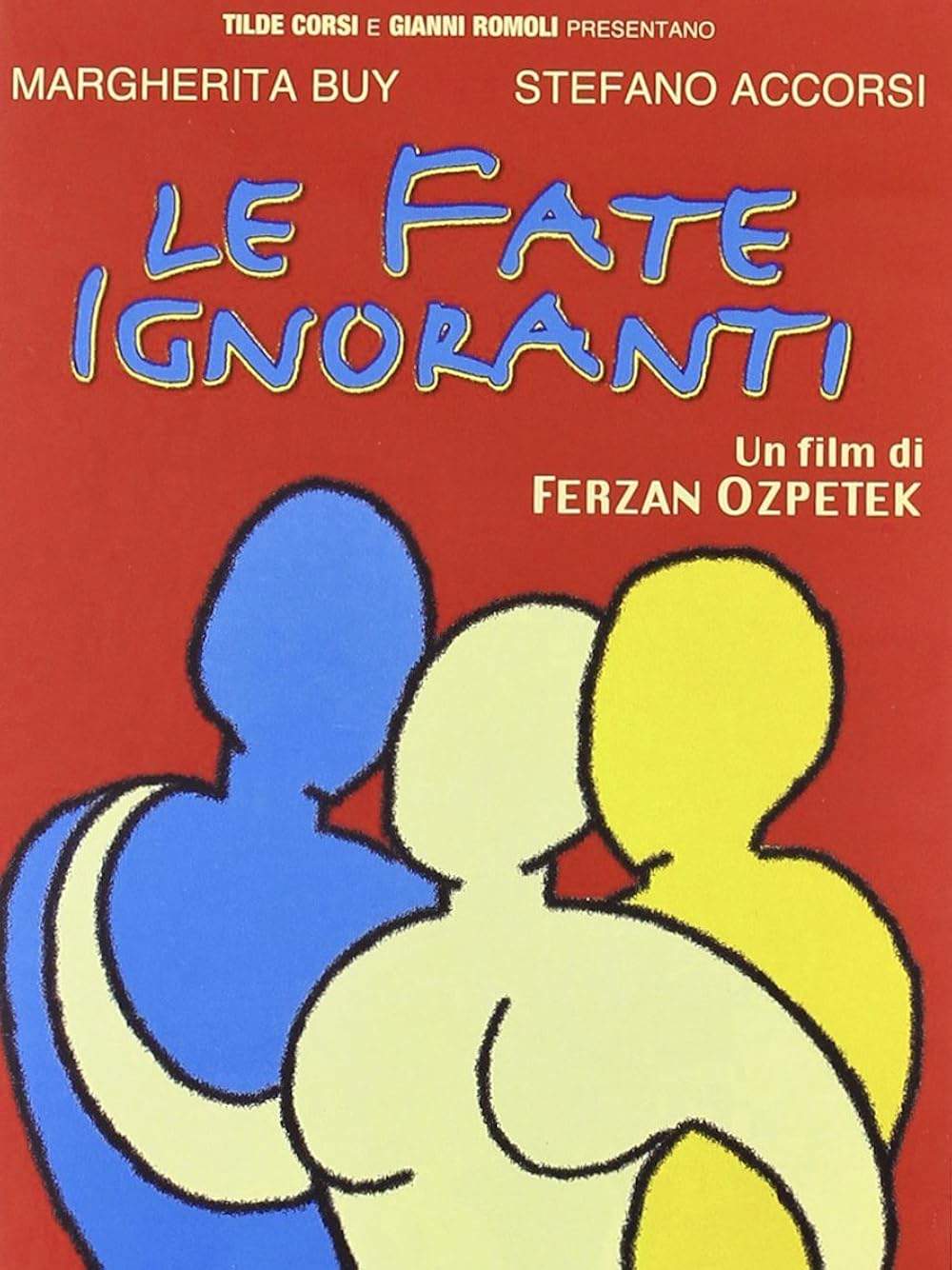
The Ignorant Fairies
2002
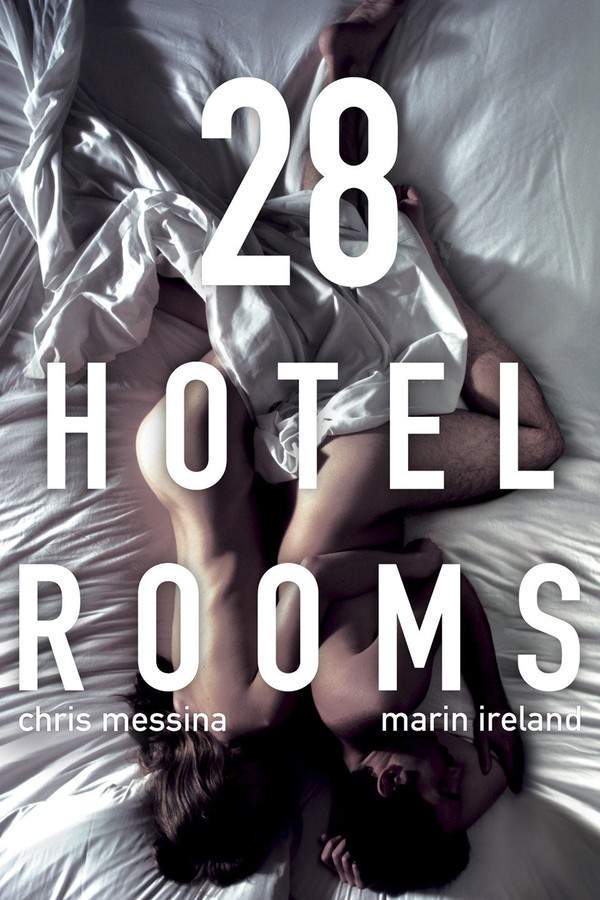
28 Hotel Rooms
2012

South Solitary
2010
Edmond Was a Donkey
2012

Peony Pavilion
2001

Sentimental Destinies
2000

Boys and Girls
1983

Year of Enlightment
1986

The Unbearable Lightness of the Revolution
2021

Tea and Sympathy
1956

Somewhere I Have Never Travelled
2009

Grey Gardens
2009
Narrative Summary
The narrative pattern involves a sensitive protagonist who is systematically worn down by a rigid environment. Their struggle is internal and quiet, often ending with them being institutionalized or finding a form of escape that is both a tragedy and a liberation. The ending is typically bittersweet, balancing loss with a strange sense of freedom.
Why These Movies?
These films share a specific emotional mix: a slow-burning melancholic tone, a medium but deeply internalized intensity, and a focus on the claustrophobic feeling of being trapped by societal expectations. They resonate with a sense of profound loneliness and the search for a place to belong, even if that place is one of surrender.
Unlock the Full Story of Edmond Was a Donkey
Don't stop at just watching - explore Edmond Was a Donkey in full detail. From the complete plot summary and scene-by-scene timeline to character breakdowns, thematic analysis, and a deep dive into the ending - every page helps you truly understand what Edmond Was a Donkey is all about. Plus, discover what's next after the movie.
Edmond Was a Donkey Summary
Read a complete plot summary of Edmond Was a Donkey, including all key story points, character arcs, and turning points. This in-depth recap is ideal for understanding the narrative structure or reviewing what happened in the movie.

Edmond Was a Donkey Timeline
Track the full timeline of Edmond Was a Donkey with every major event arranged chronologically. Perfect for decoding non-linear storytelling, flashbacks, or parallel narratives with a clear scene-by-scene breakdown.


