Inspired by the true story of one of America’s most gruesome killers, the film revisits Ed Gein, the “Butcher of Plainfield.” Decades after his crimes inspired characters such as Norman Bates, Buffalo Bill and Leatherface, the narrative delves into Gein’s macabre deeds in 1950s rural Wisconsin, exposing the horrifying mind behind the murders that shocked the nation.
Find where to stream, rent, or buy Ed Gein: The Butcher of Plainfield (2007) in the US with current JustWatch availability, up-to-date pricing, and platform listings for subscription, rental, and digital purchase options.
Warning: spoilers below!
Haven’t seen Ed Gein: The Butcher of Plainfield yet? This summary contains major spoilers. Bookmark the page, watch the movie, and come back for the full breakdown. If you're ready, scroll on and relive the story!
Trace every key event in Ed Gein: The Butcher of Plainfield (2007) with our detailed, chronological timeline. Perfect for unpacking nonlinear stories, spotting hidden connections, and understanding how each scene builds toward the film’s climax. Whether you're revisiting or decoding for the first time, this timeline gives you the full picture.
Last updated: October 09, 2025 at 16:31
Find frequently asked questions about the Ed Gein: The Butcher of Plainfield (2007) timeline, including chronological order, nonlinear jumps, cause-and-effect links, and scene sequence clarifications. This timeline FAQ helps explain when key events happen, how moments connect, and why the story unfolds in that specific order.
After his mother's death, Ed became deeply isolated and despondent. He began exhuming bodies from local graves as a macabre way to cope with his grief, specifically seeking women who reminded him of his deceased mother. His only friend Jack reluctantly helped him procure these bodies, which Ed used as a substitute for the family he lost.
Early scenes establish Ed's withdrawal from society and his obsessive fixation on his mother's death, setting the psychological foundation for his later crimes.
Jack had been Ed's only friend and the reluctant accomplice in his body-digging activities. During his 1957 psychotic break and violent spree, Ed turned on Jack and murdered him along with his other victims. The killing represents how Ed's violence ultimately consumed everyone around him, including those who tried to help him.
Jack's reluctant involvement in Ed's earlier crimes hinted at the danger he was in by being close to someone so unstable.
After abducting and murdering bartender Sue Layton in his barn, Ed used her flesh to construct a disturbingly detailed "woman suit", a wearable garment made from human skin. This macabre creation was the culmination of his obsession with creating a surrogate woman, directly inspired by his need to replace his deceased mother.
Ed's earlier body-digging and fixation on women who resembled his mother foreshadowed his progression to creating human flesh garments.
Ed abducted Vera Mason, a hardware store owner, as part of his escalating spree of kidnapping women. The timing coincided with Vera's son Deputy Bobby Mason being away in another county with his girlfriend Erica, leaving Vera vulnerable. Ed targeted her similarly to his other victims, a lonely woman he could abduct.
The narrative establishes Ed's pattern of targeting isolated women, making Vera's abduction a continuation of his established behavior.
When Erica confronts Ed in the woods asking if he has any compassion, Ed reveals his nihilistic philosophy: his own compassion died with his family, and life is hollow because everyone ultimately dies. He views humanity as merely flesh without inherent meaning or value, a chilling worldview that explains his ability to commit such brutal acts without remorse.
Earlier scenes show Ed's emotional detachment and the emptiness left by his mother's death, foreshadowing his complete moral collapse.
Ed was formally charged with two of the ten murders attributed to him, but was found unfit to stand trial due to his mental state. He was committed to a mental institution rather than facing criminal prosecution, where he remained for the rest of his life until his death from cancer in 1984.
The film establishes Ed's obvious mental instability and psychotic break, which ultimately led to his legal classification as unfit to stand trial.
After Ed abducted the wounded Erica while Bobby crashed his car seeking help, Bobby and the sheriff pursued Ed into the woods. During the confrontation, Bobby managed to save Erica from Ed, and the sheriff and Erica convinced Ed not to kill her. The authorities then restrained Ed, ending his immediate threat to Erica's life.
Bobby's determination to return to Plainfield upon learning of his mother's disappearance created the setup for the final woods confrontation.
A witness reported seeing what appeared to be a woman's feet dangling from the back of Ed's truck, which prompted police to investigate. Officers then swept Ed's farm and uncovered the remains of both Sue Layton and Vera Mason, providing the concrete evidence needed to close in on Ed as he had fled with Erica.
Earlier scenes of Ed's careless movement of bodies and the growing police investigation gradually built toward this breakthrough.
Ed's obsession with his deceased mother was the central psychological driver of his crimes. After her death, he became consumed by grief and began seeking women who physically resembled her as a way to fill the void she left. This fixation progressed from digging up bodies to abducting and murdering women who could serve as surrogates for the mother he lost.
The film opens by establishing Ed's devastating relationship with his overbearing mother and his subsequent withdrawal after her death.
While Ed was credited with ten murders in total, he was only formally charged with two of them. The film depicts him killing Becky (a stranded motorist), the graveyard security guard, his friend Jack, bartender Sue Layton, and abducting Vera Mason and Erica. His exact body count remains debated, but the film presents him as responsible for a significant murder spree in Plainfield.
The timeline shows Ed's violence escalating from one killing to multiple victims during his 1957 spree.
Discover curated groups of movies connected by mood, themes, and story style. Browse collections built around emotion, atmosphere, and narrative focus to easily find films that match what you feel like watching right now.
Chilling explorations of the minds and methods behind infamous killers.If you were fascinated by the grim exploration of Ed Gein’s life, you’ll find more movies like it here. This section features similar true crime stories and psychological deep dives into infamous killers, focusing on their disturbing backgrounds and the chilling reality of their actions.
Films in this thread typically follow a chronological or investigative structure, tracing the killer's descent into madness, their specific criminal methodology, and the impact of their actions on a community. The narrative is driven by character pathology rather than a conventional hero's journey.
Movies are grouped here for their shared commitment to grim, fact-based storytelling that centers on the killer's perspective. They create an unsettling experience by methodically exploring the 'how' and 'why' behind monstrous acts, often with a steady, oppressive pacing.

Stories of a fractured mind spiraling into violence and horror.For viewers who found the depiction of Ed Gein's mental disintegration compelling. This section collects other movies with similar themes of psychological collapse, exploring characters whose fractured minds lead them down a dark and violent path, blending horror with tragic character studies.
The narrative pattern follows a character's gradual or rapid psychological deterioration. It often explores triggers like trauma or isolation, showing how their perception of reality warps, leading to a point of no return. The structure is typically linear, building tension as the character's sanity erodes.
These films share a core focus on the internal process of madness. They are united by a bleak tone, heavy emotional weight, and a pacing that steadily builds a sense of dread and inevitability around the character's tragic fate.
Don't stop at just watching - explore Ed Gein: The Butcher of Plainfield in full detail. From the complete plot summary and scene-by-scene timeline to character breakdowns, thematic analysis, and a deep dive into the ending - every page helps you truly understand what Ed Gein: The Butcher of Plainfield is all about. Plus, discover what's next after the movie.
Read a complete plot summary of Ed Gein: The Butcher of Plainfield, including all key story points, character arcs, and turning points. This in-depth recap is ideal for understanding the narrative structure or reviewing what happened in the movie.
Discover the characters, locations, and core themes that shape Ed Gein: The Butcher of Plainfield. Get insights into symbolic elements, setting significance, and deeper narrative meaning - ideal for thematic analysis and movie breakdowns.
Discover movies like Ed Gein: The Butcher of Plainfield that share similar genres, themes, and storytelling elements. Whether you’re drawn to the atmosphere, character arcs, or plot structure, these curated recommendations will help you explore more films you’ll love.
Ed Gein: The Butcher of Plainfield (2007) Plot Summary & Movie Recap
Ed Gein: The Butcher of Plainfield (2007) Scene-by-Scene Movie Timeline
Ed Gein: The Butcher of Plainfield (2007) Spoiler-Free Summary & Key Flow
Movies Like Ed Gein: The Butcher of Plainfield – Similar Titles You’ll Enjoy
Dahmer (2002) Film Overview & Timeline
Ed Gein (2001) Full Summary & Key Details
Murder-Set-Pieces (2005) Full Movie Breakdown
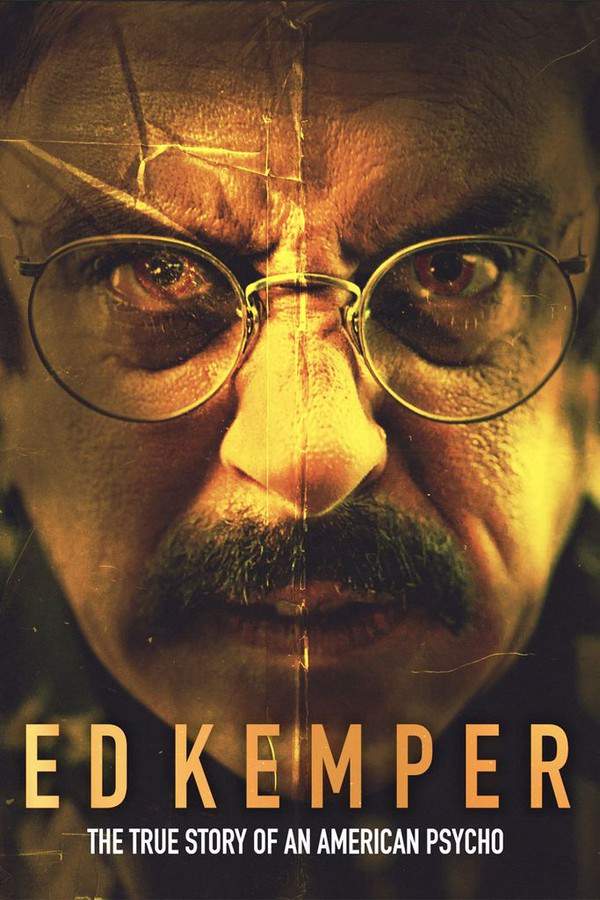
Ed Kemper (2025) Movie Recap & Themes
Gacy (2003) Plot Summary & Ending Explained
The Butcher (2006) Full Summary & Key Details
B.T.K. Killer (2005) Plot Summary & Ending Explained
Ed Gein: The Ghoul of Plainfield (2004) Story Summary & Characters
The Mutilator (1984) Spoiler-Packed Plot Recap
Cemetery of Terror (1985) Plot Summary & Ending Explained
The Horror Show (1989) Ending Explained & Film Insights
Butchers (2020) Ending Explained & Film Insights
The Secret Life: Jeffrey Dahmer (1993) Film Overview & Timeline
The Strangler (1964) Movie Recap & Themes
Psycho: The Lost Tapes of Ed Gein (1000) Full Movie Breakdown