
Echoes of the Rainbow
Year: 2010
Runtime: 117 mins
Language: Chinese
Director: Alex Law Kai-Yui
In 1969 a turbulent Hong Kong neighborhood provides the backdrop for a tight‑knit, grassroots community. Young Big Ears, an eight‑year‑old with sticky fingers, narrates his family's life: his parents run the local shoe shop, and his older brother Desmond is the golden child—star athlete with top‑tier grades. Amid the turmoil, love and family become their shelter.
Warning: spoilers below!
Haven’t seen Echoes of the Rainbow yet? This summary contains major spoilers. Bookmark the page, watch the movie, and come back for the full breakdown. If you're ready, scroll on and relive the story!
Timeline & Setting – Echoes of the Rainbow (2010)
Explore the full timeline and setting of Echoes of the Rainbow (2010). Follow every major event in chronological order and see how the environment shapes the story, characters, and dramatic tension.
Last updated: October 03, 2025 at 10:15
Main Characters – Echoes of the Rainbow (2010)
Meet the key characters of Echoes of the Rainbow (2010), with detailed profiles, motivations, and roles in the plot. Understand their emotional journeys and what they reveal about the film’s deeper themes.
Last updated: October 03, 2025 at 10:15
Major Themes – Echoes of the Rainbow (2010)
Explore the central themes of Echoes of the Rainbow (2010), from psychological, social, and emotional dimensions to philosophical messages. Understand what the film is really saying beneath the surface.
Last updated: October 03, 2025 at 10:15
Echoes of the Rainbow (2010) Character & Theme Questions Answered – Info FAQ
Browse frequently asked questions about Echoes of the Rainbow (2010) focused on characters, relationships, themes, symbols, setting, and story context. This movie info FAQ gives spoiler-aware explanations for character arcs, world details, and thematic interpretation so readers can better understand what the film is really about.
Where is the story set?
The film takes place in a modest shoe shop on Wing Lee Street in Sheung Wan, a working-class urban district of Hong Kong. This small family business serves as an intimate stage where daily life unfolds amid crowded streets and bustling markets, reflecting the grassroots community of late 1960s Hong Kong.
When does the movie take place?
The story is set in 1969, during the late 1960s in colonial Hong Kong. This era was marked by rapid social change and visible economic contrasts, shaping opportunities for some while exposing working families to financial pressure and uncertainty.
What does 'time is the greatest thief' mean in the film?
This recurring refrain serves as the film's central metaphor, capturing how memory fades and youth slips away unexpectedly. The narrative uses memory to measure what remains after loss, framing the family's journey from bright promise to hardship as an inevitable passage of time.
What role does family play in the story?
Family loyalties anchor the entire narrative as the Law family navigates love, ambition, and illness together. The parents' determination to maintain care and stability is tested by external pressures and by Desmond's deteriorating health, with Chun-yi's devotion adding warmth and resilience to the family portrait.
Who is Desmond Law?
Desmond Law Chun-yat is the elder son of the Law family - a standout student, gifted musician, and champion runner who is beloved by classmates and teachers. His promising trajectory is abruptly challenged by his girlfriend Flora's departure and later by leukemia, representing the fragile balance between potential and real-world obstacles.
Who narrates the story?
Law Chun-yi, also known as Big Ears, is the younger brother who narrates the story years later. He is an eight-year-old with sticky fingers who loves his elder sibling and provides a compassionate, observational lens on the family's events, framing time and memory as central to his childhood.
Who is Flora and what is her significance?
Flora is Desmond's girlfriend from an affluent family whose departure to the United States unsettles the family's routine and accelerates changes in Desmond's life. Her absence marks a turning point in the household's emotional landscape and highlights the social divide between her background and the Law family's struggles.
What does the title 'Echoes of the Rainbow' represent?
The title evokes the transient beauty and hope that emerges from difficult circumstances. In the context of the film, it reflects the bittersweet nature of memory - the colorful moments of youth and promise that echo long after they have faded, much like the lingering impressions left by a rainbow after the storm has passed.
What is the tone of the film?
The film blends a predominantly bittersweet tone, combining warmth of family life and youthful romance with harsh realities of illness and social inequality. The emotional weight is medium - balanced by nostalgic warmth and a focus on cherishing memory, concluding with a tender reflection that provides a sense of enduring love rather than pure bleakness.
What is the family's occupation?
Mr. and Mrs. Law run a small shoe shop on Wing Lee Street, a modest family business that represents their struggle for cultural and financial stability in a harsh urban environment. The shop serves as both the family's livelihood and the intimate setting where family life unfolds.

Explore Movie Threads
Discover curated groups of movies connected by mood, themes, and story style. Browse collections built around emotion, atmosphere, and narrative focus to easily find films that match what you feel like watching right now.
Nostalgic Family Dramas like Echoes of the Rainbow
Affectionate looks back at simpler times tinged with the ache of loss.If you enjoyed the bittersweet, nostalgic feel of Echoes of the Rainbow, you'll appreciate these movies. This collection features tender stories about families and communities, often set in the past, where cherished memories are shadowed by hardship or loss, similar to the emotional journey in the film.
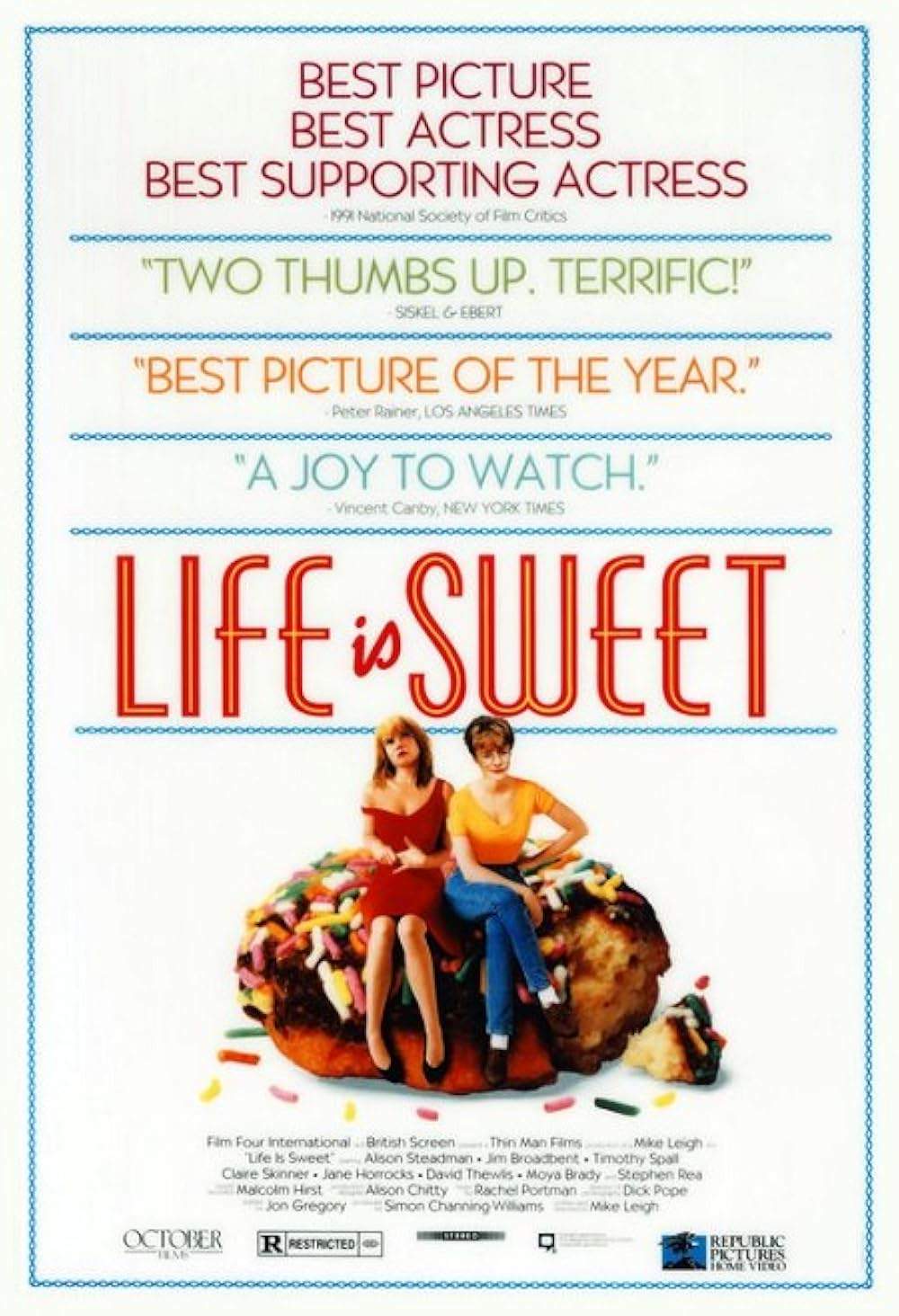
Life Is Sweet
1991
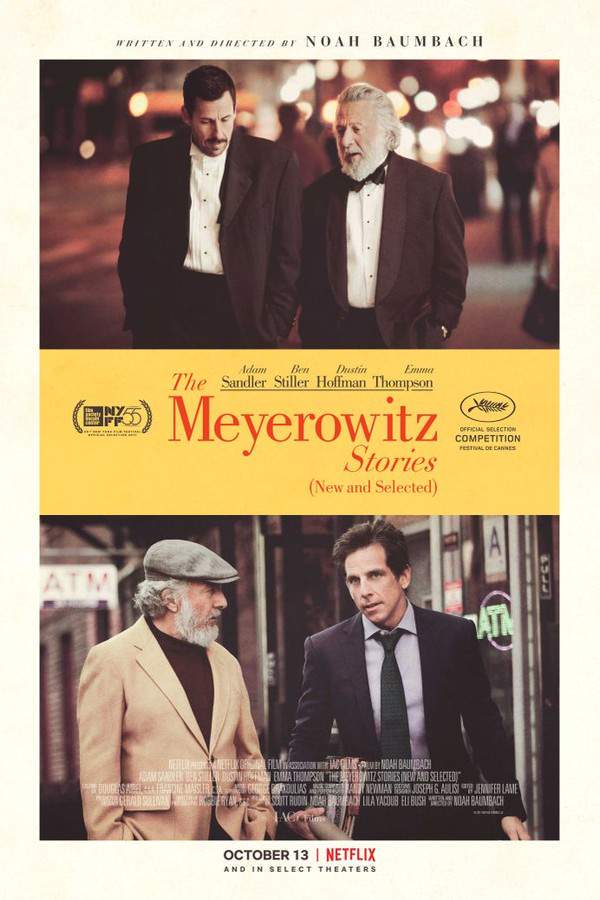
The Meyerowitz Stories (New and Selected)
2017
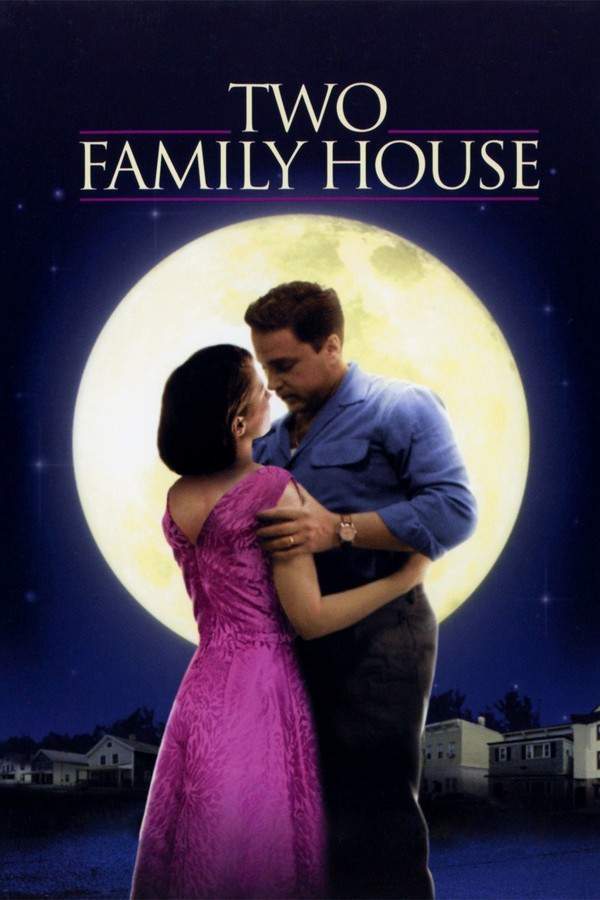
Two Family House
2000

Delicacy
2012
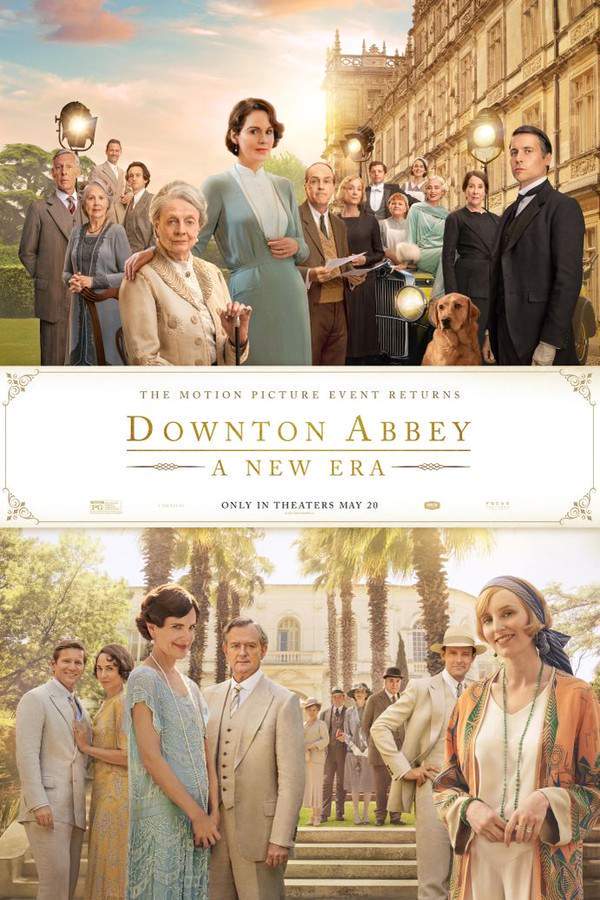
Downton Abbey: A New Era
2022
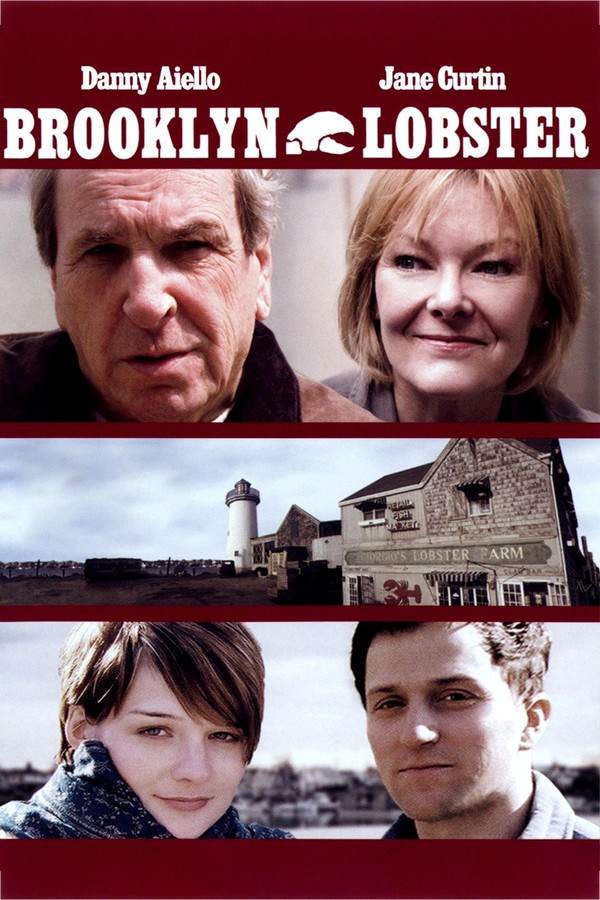
Brooklyn Lobster
2005
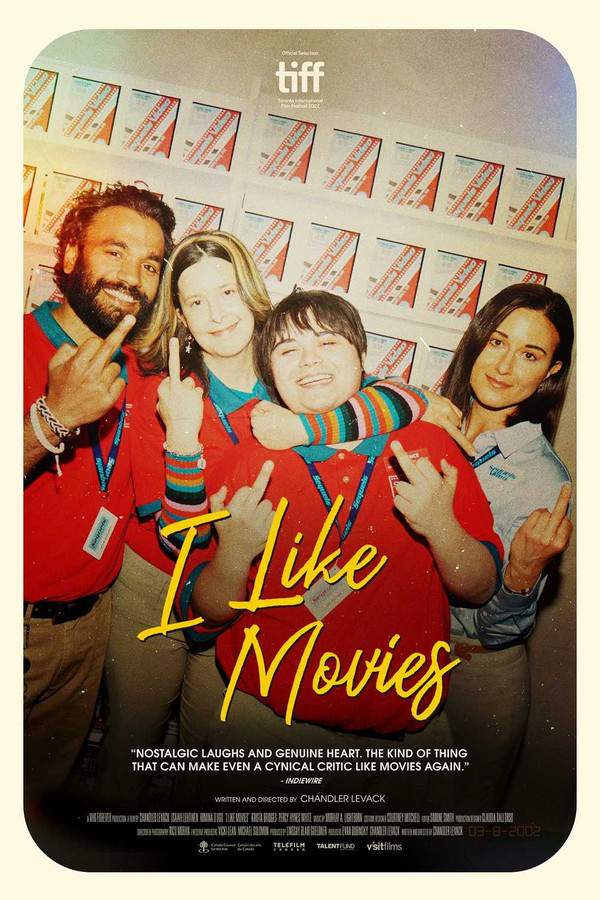
I Like Movies
2024
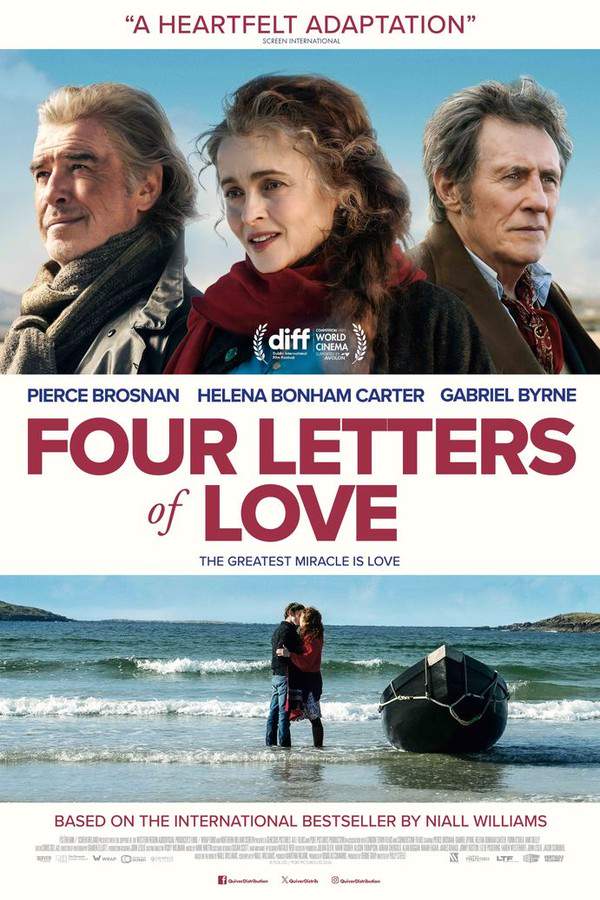
Four Letters of Love
2025

Some Girls
1988

Fanny
1961

This Happy Breed
1944

The Evening Star
1996

My Family
1995

On Borrowed Time
1939

Regretting You
2025
Narrative Summary
Stories in this thread typically follow a straightforward, character-driven narrative that builds intimacy with a family or small community. A foundation of warmth and everyday life is established, which is later challenged by a tragic event—often an illness or historical upheaval—leading to a reflective, bittersweet conclusion that emphasizes the enduring power of love and memory.
Why These Movies?
Movies are grouped here for their shared ability to evoke a powerful sense of nostalgia and their bittersweet emotional core. They blend tender, even humorous, depictions of close-knit relationships with a melancholic acknowledgment of life's inevitable hardships, creating a deeply sentimental and resonant viewing experience.
Coming-of-Age Stories with Family Tragedy like Echoes of the Rainbow
A youthful narrator witnesses joy and sorrow unfolding within their family.For viewers who liked the childhood perspective and family tragedy in Echoes of the Rainbow, this list finds similar movies. These films feature young narrators facing the illness or loss of a loved one, blending youthful innocence with mature themes in a straightforward, emotionally engaging narrative.
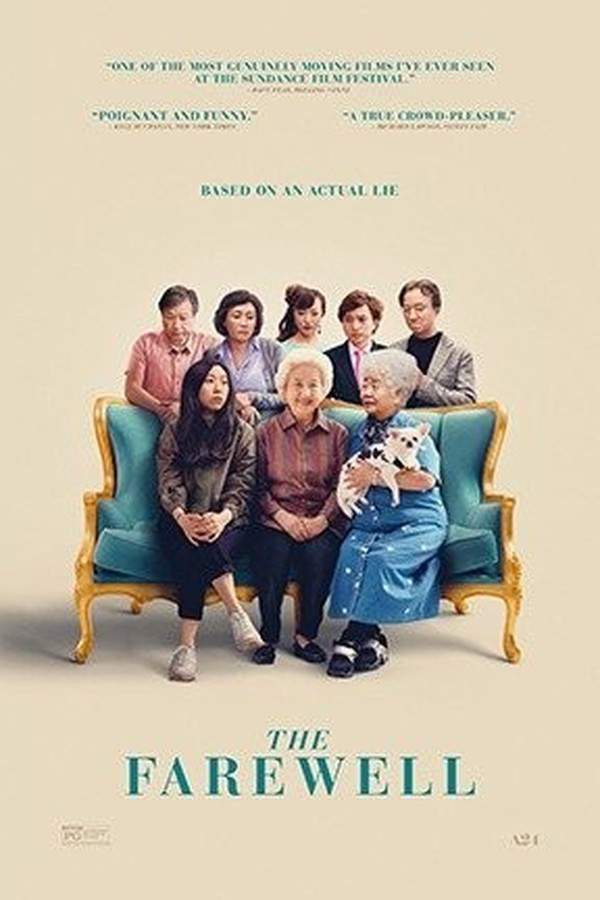
The Farewell
2019
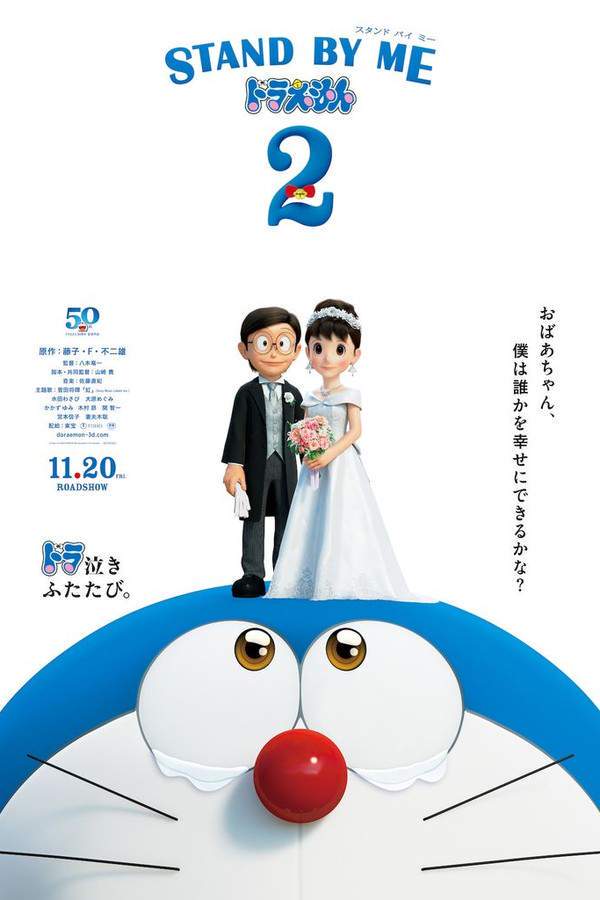
Stand by Me
1986
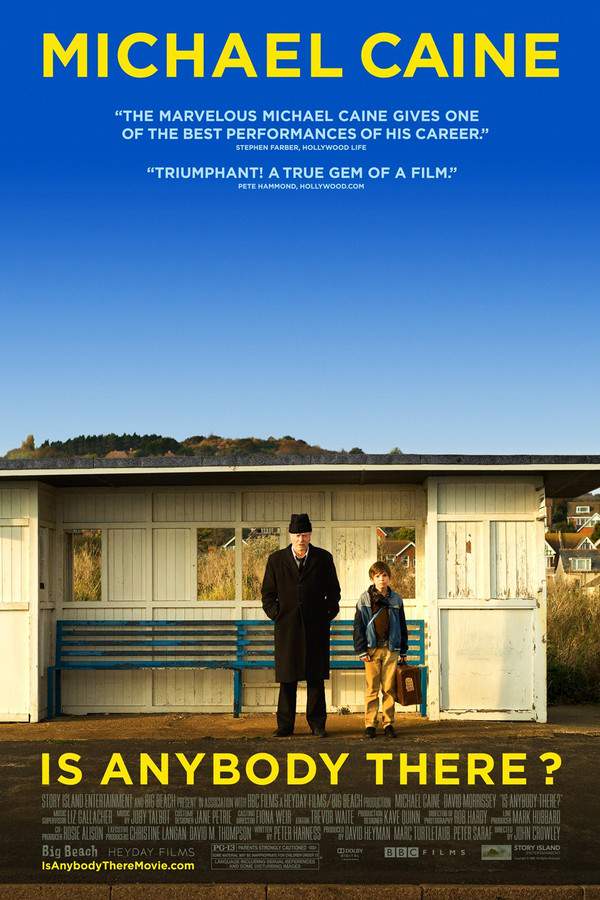
Is Anybody There?
2009
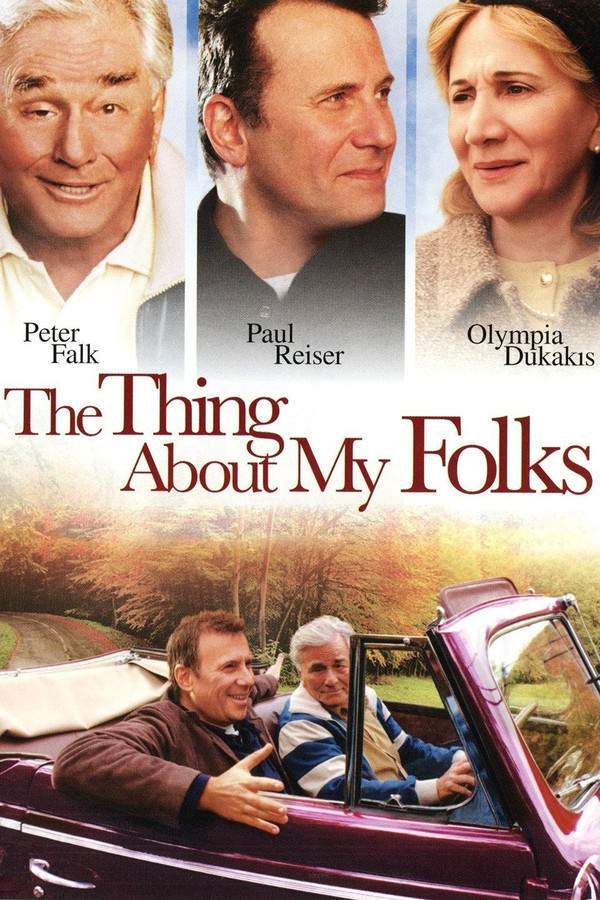
The Thing About My Folks
2005
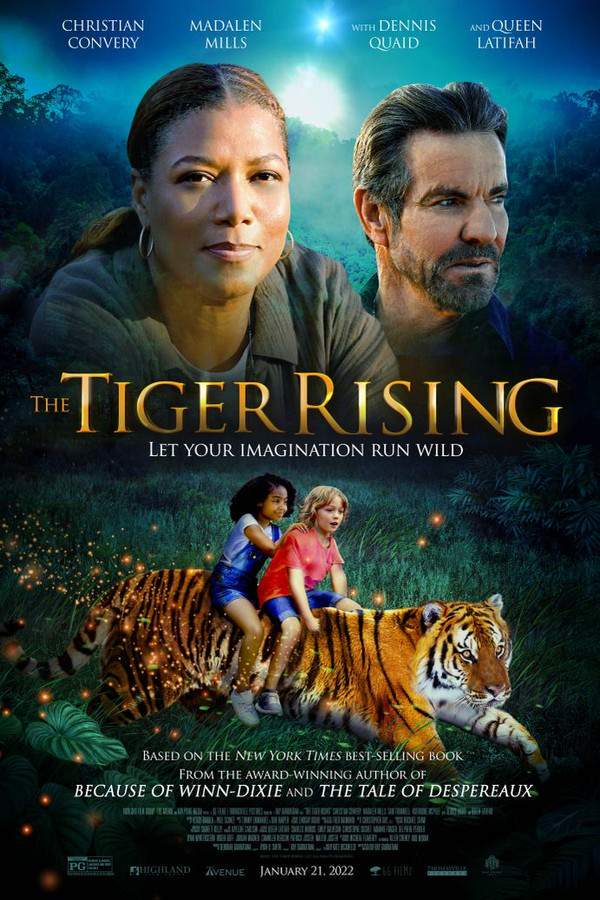
The Tiger Rising
2022
The Ultimate Gift
2007
The Children's Train
2024

Children of Heaven
2012

Not Suitable For Children
2012
Echoes of the Rainbow
2010

School of Life
2005
Paradise
1991
The Evening Star
1996
On Borrowed Time
1939

20th Century Girl
2022
Narrative Summary
The narrative pattern involves a child or young adolescent observing their family, often idolizing an older sibling or parent. A central conflict, such as a terminal illness, shatters this youthful idealization, forcing a rapid maturation. The story is linear and focused on emotional truth, leading to an ending that is sad yet enriched by the love that preceded the loss.
Why These Movies?
These movies share a specific narrative lens and emotional arc: a child's-eye view of family crisis. They connect through their blend of youthful mischief and profound sorrow, their straightforward storytelling, and their powerful exploration of how grief shapes a young person's understanding of the world.
Unlock the Full Story of Echoes of the Rainbow
Don't stop at just watching - explore Echoes of the Rainbow in full detail. From the complete plot summary and scene-by-scene timeline to character breakdowns, thematic analysis, and a deep dive into the ending - every page helps you truly understand what Echoes of the Rainbow is all about. Plus, discover what's next after the movie.
Echoes of the Rainbow Summary
Read a complete plot summary of Echoes of the Rainbow, including all key story points, character arcs, and turning points. This in-depth recap is ideal for understanding the narrative structure or reviewing what happened in the movie.

Echoes of the Rainbow Timeline
Track the full timeline of Echoes of the Rainbow with every major event arranged chronologically. Perfect for decoding non-linear storytelling, flashbacks, or parallel narratives with a clear scene-by-scene breakdown.


How does the film portray social inequality?
The film exposes the social gaps of 1960s Hong Kong, where wealthier circles enjoy advantages while everyday burdens fall on working families. Encounters with a boastful British policeman reveal how external power structures threaten the Law family's security, and the contrast between Flora's affluent background and the family's financial struggles intensifies this sense of injustice.