Plot Explained Spoilers guaranteed!
Plot Explained

Browse by genre

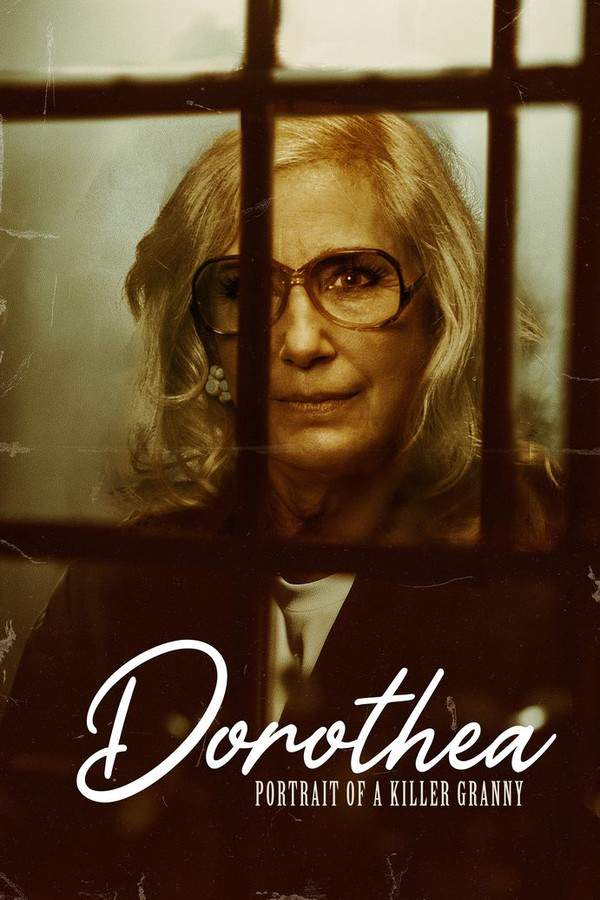
Dorothea (2025) movie poster

Characters & Themes

Dorothea (2025) Characters, Setting & Themes Explained

Release, runtime and language
2025 · 1 h 40 m · English
Loading streaming availability…
Starring
Robert Miano, Lew Temple, Ezra Buzzington, Cassandra Gava, Cyril O'Reilly, William Salyers

A chilling true‑crime story that follows notorious serial killer Dorothea Puente, an elderly woman who preys on the vulnerable, murders with cold indifference, and hides her victims in her own garden. Her deceptive smiles mask a ruthless evil, leaving viewers questioning the true face of kindness.

On this page (7)
  1. 1 Where to watch
  2. 2 Characters explained (6)
  3. 3 Where & when it takes place
  4. 4 Themes & meaning (3)
  5. 5 Character & meaning questions
  6. 6 Movie threads
  7. 7 Every angle
Loading streaming availability…

6 main characters · contains spoilers

Dorothea Characters Explained: Who Is Who

The main characters of Dorothea (2025), heroes and villains: what drives them, how they change over the course of the story and what each of them reveals about the film's bigger ideas.

  • Dorothea Puente

    played by Susan Priver

    Dorothea is a charming, elderly boarding-house operator who disguises her predatory nature behind a grandmotherly demeanor. She poisons trust and uses vulnerable tenants as cash cows, burying their bodies in her backyard. The present-day prison framing reveals her calculated control and lack of remorse.

    • 🕰️ Serial killer
    • 🏚️ Boarding house operator
  • Queenie

    played by Elina Madison

    Queenie is the younger cellmate who listens to Dorothea’s recounting of her past. She serves as a quiet observer and emotional counterpart to the tale, highlighting the human cost of Dorothea’s crimes. Her presence helps anchor the audience to the narrative.

    • 🗣️ Witness
    • 🎭 Inmate
  • Judy Moise

    played by Silvia Spross

    A social worker who begins to suspect foul play at the F Street boarding house. Persistent and compassionate, she informs investigators and serves as the catalyst for uncovering the murders. Her determination drives the pursuit of truth.

    • 🧭 Investigator
    • 🧡 Social worker
  • John Cabrera

    played by Cyril O'Reilly

    A detective who partners with colleagues to uncover the killings. Practical and wary, he navigates the complexity of Dorothea’s facade and pushes the investigation forward. His contributions help connect social reports to physical evidence.

    • 🕵️ Detective
    • ⚖️ Law enforcement
  • Billy 'Hurricane' Hodges

    played by Lew Temple

    Dorothea’s handyman, recruited to help with the manual labor of the crimes. He is rugged and complicit in building the burial sites, representing the darker side of seemingly ordinary help. His involvement underscores the working-class complicity in the capital crimes.

    • 🛠️ Laborer
    • 🪚 Accomplice
  • Detective Terry Brown

    played by Brandon Kirk

    Another detective who contributes to the investigation, working alongside Cabrera to piece together evidence. He helps close gaps between social worker concerns and police action. His role emphasizes collaborative law enforcement.

    • 🕵️ Investigator
    • ⚖️ Law enforcement

Last updated: August 02, 2026 at 13:00

Was this helpful?

Setting

Where and When Does Dorothea Take Place?

The setting of Dorothea (2025): the year and time period, the places and locations, and how they shape the characters, the mood and the tension of the story.

Time period

1980s

The bulk of the action unfolds in the 1980s Sacramento boarding house, where Dorothea manipulates tenants. Flashbacks reveal the crimes as the present-day prison recollection unfolds, linking personal history to the investigation. The era’s social context and subsequent investigation into fraud and murder are woven into the narrative.

Location

Sacramento, California, California State Prison

The story centers on a boarding house on F Street in Sacramento, where Dorothea Puente welcomed vulnerable residents. The setting contrasts a homey, grandmotherly demeanor with hidden crimes, highlighting urban California life in the 1980s. The narrative also opens in a California State Prison, framing the tale as a confession-like retelling of past horrors.

  • 🏙️ Urban California
  • 🏚️ Boarding house
  • 🗺️ Sacramento setting

Last updated: August 02, 2026 at 13:00

Was this helpful?

3 major themes

Dorothea Meaning: Themes & Message Explained

What is Dorothea (2025) really about? The emotional, social and philosophical themes the film keeps returning to, its symbolism and the message beneath the surface.

  • Deception

    The film juxtaposes a warm, trustworthy facade with brutal criminal acts. Dorothea’s careful manipulation of tenants and social workers exposes how appearances can mask danger. The investigation gradually uncovers the truth behind smiles, kindness, and calculated killings.

  • Exploitation

    Criminal gain drives the killings as Dorothea cashes in on Social Security checks. Vulnerable residents are lured into her home under the pretense of care, then discarded when they are no longer useful. The story critiques how financial dependence can become a weapon.

  • Facade vs Reality

    The narrative repeatedly contrasts domestic warmth with murderous acts hidden behind the doors of a boarding house. Dorothea’s dual identity prompts viewers to question trust and motive. The unraveling of this facade exposes a chilling disconnect between surface benevolence and private crime.

Last updated: August 02, 2026 at 13:00

Was this helpful?

Character & theme questions

Dorothea Characters & Meaning: Your Questions Answered

The questions people ask about Dorothea (2025): who the characters really are, their relationships, what the symbols mean, where it takes place and what the movie is really about. Each answer contains spoilers.

Q1

Where is Dorothea set and why does the location matter?

Dorothea is set primarily in Sacramento, California, centered on a boarding house on F Street where the real-life killer operated in the 1980s. The urban California setting grounds the story in a recognizable neighborhood, making the contrast between a cozy, grandmotherly home and hidden murders more disturbing. The narrative also opens in a California State Prison, framing the boarding-house crimes as a confession-like retelling.

  • Sacramento
  • F Street
  • boarding house
  • California
  • setting
  • urban
Q2

When does the story in Dorothea take place?

The main events unfold in 1980s Sacramento, when Dorothea Puente ran her boarding house and exploited vulnerable tenants. Flashbacks reveal the killings during this era, while a present-day prison framework intercuts those memories as Dorothea recounts her crimes. The 1980s social context, including Social Security fraud and limited oversight of boarding homes, shapes why her scheme went undetected for so long.

  • 1980s
  • time period
  • era
  • Sacramento
  • Social Security
Q3

What are the main themes explored in Dorothea?

The film centers on three core themes: deception, exploitation, and the gap between facade and reality. It shows how a warm, trustworthy exterior can hide brutal criminal acts, how financial motives like cashing Social Security checks drive murder, and how domestic warmth can conceal cold-blooded violence. Together these themes ask viewers to question who they trust and how easily kindness can be weaponized.

  • themes
  • deception
  • exploitation
  • facade
  • reality
  • true crime
Q4

Who is Dorothea Puente in the film?

Dorothea Puente is the central figure, a charming, elderly boarding-house operator who masks a predatory nature behind a grandmotherly demeanor. She lures vulnerable tenants into her home, exploits them financially, and buries the ones she no longer needs in her backyard. The film portrays her as calculated and remorseless, recounting her crimes from a present-day prison cell.

  • Dorothea Puente
  • serial killer
  • boarding house
  • Sacramento
  • true crime
Q5

What role does Queenie play in the story?

Queenie is Dorothea's younger cellmate, serving as the quiet listener to whom Dorothea recounts her past crimes. She functions as an emotional anchor for the audience, reacting to the revelations and highlighting the human cost of the killings. Her presence in the prison framing device helps turn the story into a confession-like retelling rather than a simple flashback.

  • Queenie
  • cellmate
  • prison
  • framing device
  • listener
Q6

Who is Judy Moise and how does she drive the investigation?

Judy Moise is a persistent, compassionate social worker who begins to suspect foul play at the F Street boarding house. She notices discrepancies in tenant welfare and paperwork, then brings her concerns to investigators. Her determination serves as the catalyst that connects social-service red flags to the police inquiry, ultimately helping uncover the buried bodies.

  • Judy Moise
  • social worker
  • investigation
  • catalyst
  • F Street
Q7

What does Dorothea say about exploitation of vulnerable people?

The film critiques how financial dependence can become a weapon, portraying Dorothea as someone who lures impoverished, isolated tenants with the pretense of care, then collects their Social Security checks after killing them. It frames vulnerability, not trust, as the entry point for her crimes. By targeting people least likely to be missed or believed, the story exposes how society's margins enable predators.

  • exploitation
  • vulnerable
  • Social Security
  • manipulation
  • poverty
Q8

Who is Billy 'Hurricane' Hodges in the film?

Billy 'Hurricane' Hodges is Dorothea's handyman, a rugged working-class man recruited to handle the manual labor behind her crimes, including digging the graves in her backyard. He represents the ordinary-seeming help that enables the boarding-house horror, complicating the idea that only overtly dangerous people participate in capital crimes. His involvement underscores how complicity can hide in plain sight.

  • Billy Hurricane Hodges
  • handyman
  • accomplice
  • burial
  • working-class
Q9

How does the film contrast Dorothea's facade with her reality?

The film repeatedly contrasts domestic warmth with murderous acts hidden behind the doors of her boarding house, building tension between what Dorothea shows the world and what she actually does. Her grandmotherly charm, her cooking, and her role as a landlady are juxtaposed with cold, calculated killing. This disconnect forces viewers to question how easily trust can be manufactured and how thin the line is between benevolence and evil.

  • facade
  • reality
  • deception
  • trust
  • grandmotherly
  • true crime
Q10

How does the prison framing device shape the story?

The film opens in a California State Prison in the present day, where Dorothea recounts her crimes to her cellmate Queenie. This framing turns the narrative into a confession-style retelling, with flashbacks filling in the 1980s Sacramento boarding-house events. The structure creates a chilling distance, letting viewers see both the aging killer and the acts she describes at the same time, which amplifies the film's bleak, oppressive tone.

  • prison framing
  • flashback
  • narrative structure
  • confession
  • nonlinear
Q11

What genre is Dorothea and what tone does it set?

Dorothea is a true crime film that blends crime, horror, and thriller elements. The tone is dark, heavy, and oppressive, with a slow, methodical pace rather than frantic momentum. It leans on the horror of hidden bodies and the unsettling contrast between a warm grandmotherly facade and cold-blooded murder, creating sustained dread rather than jump-scare intensity.

  • genre
  • true crime
  • horror
  • thriller
  • tone
  • dark
Q12

Who are Detectives Cabrera and Brown in the investigation?

John Cabrera and Terry Brown are the detectives who partner up to uncover the murders at the F Street boarding house. Cabrera is practical and wary, pushing past Dorothea's facade to follow the evidence, while Brown helps close gaps between social worker concerns and police action. Together they represent the collaborative law-enforcement effort that ultimately connects financial fraud, missing tenants, and the bodies in the garden.

  • John Cabrera
  • Terry Brown
  • detectives
  • investigation
  • police
  • law enforcement

Movie threads

More Movies Like Dorothea, by Mood & Story

Curated lists built around what makes Dorothea tick: the same mood, the same kind of story or the same emotional payoff. Each list explains why these movies belong together.

Movies like Dorothea: When Kindness Becomes a Weapon

Films where gentle smiles and warm exteriors mask predatory, ruthless intent. Movies like Dorothea that explore how warm, trustworthy-seeming characters exploit the vulnerable. These horror and thriller films reveal predators hiding behind grandmotherly smiles, caregiver roles, and quiet domestic spaces. Perfect for viewers who loved Dorothea's chilling portrait of deception, manipulation, and the disturbing gap between appearance and reality in true crime stories.

  • deceptive warmth
  • predatory normalcy
  • exploitation
  • creepy kindness
  • domestic horror
  • manipulation
  • Tone: dark, unsettling
  • Pacing: steady, methodical
Why these movies?

The story pattern: Stories in this thread typically unfold through the slow unmasking of a beloved or trusted figure. The narrative often alternates between the predator's warm public persona and glimpses of their cold private brutality, building dread through contrast rather than jump scares. Investigation or victim perspectives gradually expose the lie, and by the time the truth surfaces, the body count and the betrayal feel insurmountable. Redemption is rare; resolution usually comes through arrest, death, or the bleak realization that systems failed to protect the vulnerable.

Why they belong together: These films share a defining pattern: the killer or manipulator is presented as ordinary, kind, even pitiable, and their violence erupts from a place the audience did not expect. They match Dorothea's horror of predatory normalcy and its grim tone. Pacing is steady and methodical rather than chaotic, letting the disturbing details accumulate. Endings tend to be bleak, leaving viewers disturbed rather than satisfied, and the subject matter — exploitation of trust, abuse of vulnerable populations, body disposal in familiar spaces — produces the same heavy emotional weight.

True crime movies like Dorothea with bleak, disturbing endings

Heavy true crime films that descend into the disturbing psychology of real-world killers. True crime movies like Dorothea that deliver heavy, dark narratives about real serial killers and the victims they left behind. These bleak, methodical thrillers and horror films explore criminal psychology, slow investigations, and the disturbing exploitation of vulnerable people. Ideal for fans of Dorothea who want grim, oppressive crime stories without hopeful resolutions.

  • true crime
  • grim
  • oppressive
  • disturbing
  • suspenseful
  • bleak
  • Tone: bleak, oppressive, dark
  • Pacing: steady, methodical
Why these movies?

The story pattern: Films in this thread often open with the aftermath or its near edge — a body discovered, a confession beginning, a dying killer recounting crimes — and then rewind into the violence through flashbacks or interrogation scenes. The investigation arcs are deliberate and sometimes unresolved, prioritizing atmosphere and emotional weight over tidy closure. Characters include investigators haunted by what they uncover, victims reduced to painful portraits, and perpetrators whose ordinariness or charisma makes them harder to dismiss. Endings tend to be bleak: killers imprisoned but unrepentant, systems that failed the vulnerable, or justice that feels hollow.

Why they belong together: These movies are grouped for their shared commitment to the true crime genre's heaviest, most uncomfortable corners. They match Dorothea's HIGH intensity, DARK tone, STEADY pacing, BLEAK ending feel, and HEAVY emotional weight. Many focus on serial killers, manipulation, exploitation, and the psychology of predators — themes that recur throughout Dorothea. The result is a viewing experience that is consistently oppressive, disturbing, and suspenseful, designed for audiences who want crime stories without glamor, hope, or easy answers.

Every angle

Dorothea (2025) Explained: Plot, Timeline & Characters

Everything about Dorothea in one place: what happens in the plot summary, the timeline in chronological order, the characters and meaning and a spoiler-free summary. What's After the Movie adds the cast, box office and post-credit scenes.

Coming soon on iOS and Android

The Plot Explained Movie Summary App

Plot summaries, endings explained and timelines on your phone. Catch up on any movie in minutes, save your favorites and never miss a twist again.

Be the first to know when we launch. Your email stays private, always.

Learn more about the app