Plot Explained Spoilers guaranteed!
Plot Explained

Browse by genre

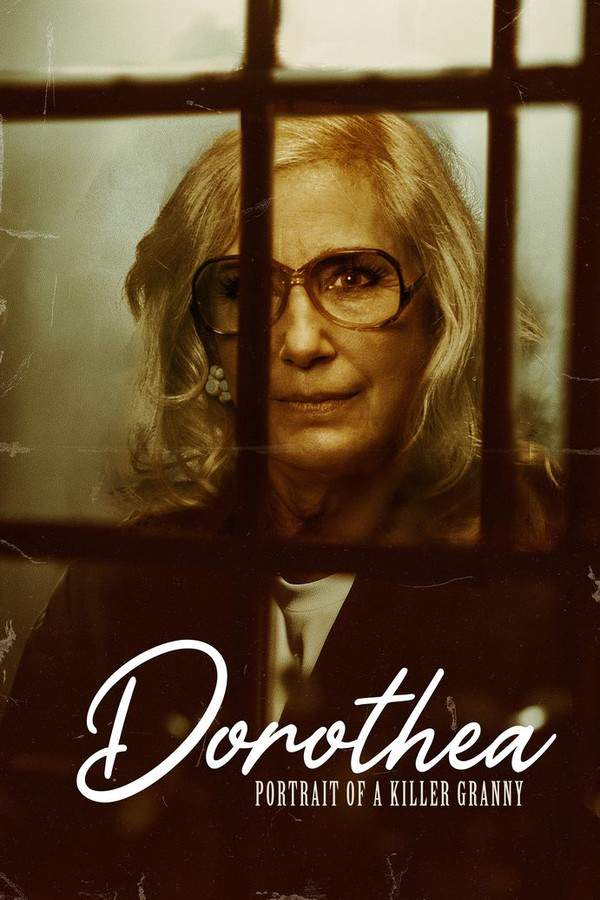
Dorothea (2025) movie poster

Plot Summary

Dorothea (2025) Plot Summary Explained

Release, runtime and language
2025 · 1 h 40 m · English
Loading streaming availability…
Starring
Robert Miano, Lew Temple, Ezra Buzzington, Cassandra Gava, Cyril O'Reilly, William Salyers

A chilling true‑crime story that follows notorious serial killer Dorothea Puente, an elderly woman who preys on the vulnerable, murders with cold indifference, and hides her victims in her own garden. Her deceptive smiles mask a ruthless evil, leaving viewers questioning the true face of kindness.

On this page (5)
  1. 1 Where to watch
  2. 2 What happens: full plot
  3. 3 Plot questions answered
  4. 4 Movie threads
  5. 5 Every angle
Loading streaming availability…

Full plot summary · contains spoilers

What Happens in Dorothea: Full Plot Summary

The whole story of Dorothea (2025) explained, from the opening scene to the final frame: every key event, every twist and what it all adds up to. Read it as a quick recap before the sequel, to check a scene you missed, or to finally understand what really happened.

At a California State Prison, an elderly and dying Dorothea Puente recounts her past to a younger cellmate named Queenie. Through flashbacks to the 1980s, Puente runs a boarding house on F Street in Sacramento, where she appears as a warm, grandmotherly figure who welcomes vulnerable tenants. Yet behind this compassionate image lies a brutal pattern: she murders her residents, exploiting their vulnerabilities and burying their bodies in her backyard garden. To handle the demanding labor and the digging for graves, she hires a local handyman, Billy 'Hurricane' Hodges. When social worker Judy Moise grows wary of the disappearances, she informs detectives John Cabrera and Laurence Kaufman, who uncover the crimes and trace them back to the killer in the community. The investigation reveals that Dorothea Puente used her position to prey on defenseless people, a calculated scheme driven by cashing Social Security disability checks. Framed by a present-day prison setting, the film contrasts the calm, everyday life she projected with the harsh reality of her actions, inviting reflection on manipulation, vulnerability, and the desire for control.

Last updated: August 02, 2026 at 13:01

Was this helpful?

Plot questions answered

Dorothea Plot Explained: Your Questions Answered

The questions people ask most about Dorothea (2025): what happens in the confusing scenes, why the characters do what they do, the twists, hidden details and what the ending means. Each answer contains spoilers.

Q1

Why does Dorothea specifically target vulnerable tenants?

Dorothea Puente targeted vulnerable tenants because they were the least likely to be missed or investigated. The film shows her boarding house attracting elderly and mentally disabled residents who had no close family members actively checking on them, which allowed disappearances to go unnoticed for extended periods. Their dependence on her for shelter and care also gave her complete control over their daily lives, making it easy to isolate them before committing the murders.

Foreshadowing: Early flashbacks emphasize how Dorothea's warmth was directed specifically at people society had already overlooked, hinting that her kindness was strategic rather than genuine.

  • dorothea puente
  • vulnerable tenants
  • boarding house
  • exploitation
  • isolation
Q2

What was Dorothea's financial motive for killing her tenants?

Dorothea's primary financial motive was cashing her victims' Social Security disability checks after they disappeared. The film reveals that once a tenant was killed and buried, she could continue collecting their government benefits without anyone verifying whether the person was still alive. This made each murder not just an act of cruelty but a calculated financial transaction that could be repeated as long as no one investigated.

Foreshadowing: The boarding house routine is shown collecting and managing tenants' mail early on, quietly establishing how easily their financial identities could be exploited.

  • social security
  • disability checks
  • financial motive
  • dorothea puente
  • exploitation
Q3

Who is Billy 'Hurricane' Hodges and why did he help Dorothea?

Billy 'Hurricane' Hodges is a local handyman hired by Dorothea to manage the physical demands of running the boarding house. According to the film, his duties extended well beyond ordinary maintenance to include digging graves and helping conceal the aftermath of the killings. His willingness to assist suggests he was paid for his labor and complicit in the cover-up, deepening the web of collaboration behind the crimes.

Foreshadowing: His nickname 'Hurricane' is introduced early, hinting at the destructive force his presence ultimately brings into the boarding house.

  • billy hodges
  • hurricane
  • handyman
  • accomplice
  • digging graves
Q4

How did Dorothea manage to hide bodies in her backyard for so long?

Dorothea relied on Billy 'Hurricane' Hodges to handle the demanding physical labor of digging and maintaining the burial sites in her backyard garden. The film shows the backyard gradually transforming into a network of hidden graves, while the surface remained a normal-looking garden that neighbors rarely had reason to inspect closely. The combination of an accomplice doing the work and a quiet residential setting allowed the scheme to continue undetected for an extended period.

Foreshadowing: The garden is shown early as Dorothea's pride, subtly setting up its later role as the crime's most disturbing feature.

  • backyard graves
  • hiding bodies
  • garden
  • dorothea puente
  • burial
Q5

What does the rat infestation in the backyard reveal about the crimes?

The rat infestation depicted in the film is more than a nuisance; it signals that something decaying is buried beneath the garden soil. Dorothea and Hodges are shown battling the pest problem as part of their ongoing maintenance of the burial sites, which confirms that bodies were actively decomposing underground. This detail also underscores how grotesque the operation had become, with killers forced to manage the literal fallout of their crimes.

Foreshadowing: The first hints of the infestation appear shortly after the digging scenes, subtly tying the rodent problem to what lies beneath the surface.

  • rat infestation
  • backyard
  • decomposition
  • graves
  • dorothea puente
Q6

How did social worker Judy Moise figure out something was wrong at the boarding house?

Judy Moise became suspicious because inconsistencies in tenant care and unexplained disappearances did not align with Dorothea's reputation as a caregiver. The film portrays her as the first outside professional to notice the gap between Dorothea's public image and the reality of her clients vanishing. Once her concerns crossed a threshold, she brought them directly to detectives John Cabrera and Laurence Kaufman, which triggered the formal investigation.

Foreshadowing: Earlier scenes show Judy asking routine questions that Dorothea deflects with charm, quietly establishing that her patience for scrutiny was wearing thin.

  • judy moise
  • social worker
  • suspicion
  • investigation
  • dorothea puente
Q7

What role does Queenie play in the prison scenes?

Queenie is Dorothea's younger cellmate in the present-day prison timeline and serves as the audience's stand-in throughout the flashbacks. The film uses her listening presence to frame Dorothea's confession, turning the story into a direct recounting rather than a detached investigation. Queenie's role reinforces the theme that the truth about Dorothea only emerges when someone is finally willing to sit and listen without being deceived by her charm.

Foreshadowing: Queenie's quiet, observant demeanor in the opening scene hints that she will be the one person in the film to actually hear Dorothea out.

  • queenie
  • prison cellmate
  • frame narrative
  • dorothea puente
  • confession
Q8

How were detectives Cabrera and Kaufman able to connect the crimes to Dorothea?

Detectives John Cabrera and Laurence Kaufman built their case after Judy Moise reported her concerns about the F Street boarding house. Once they began investigating, they uncovered a clear pattern of disappearances tied to Dorothea's residents that could no longer be explained as routine moves or hospital transfers. The breakthrough came when authorities excavated her backyard and discovered buried bodies, which physically linked her directly to the victims.

Foreshadowing: The detectives are shown early reviewing paperwork that does not quite add up, foreshadowing the pattern they will later confirm.

  • detectives
  • cabrera
  • kaufman
  • investigation
  • evidence
Q9

Why does the film use a prison flashback structure instead of telling the story chronologically?

The prison flashback structure lets the audience experience Dorothea's crimes through her own narration while contrasting her calm present-day demeanor with the brutality of her 1980s actions. This framing device also places a dying killer at the center of the story, which immediately tells viewers that her warm facade will be exposed as a lie. By ending where the crimes are already known, the film focuses on understanding how she deceived an entire community rather than on whether she would be caught.

Foreshadowing: The opening prison scene shows Dorothea still smiling gently at Queenie, foreshadowing the contrast between that softness and the violence to come.

  • flashback structure
  • frame narrative
  • prison
  • dorothea puente
  • nonlinear storytelling
Q10

Why does the film portray Dorothea as a grandmotherly figure before revealing her crimes?

Establishing Dorothea as a warm, grandmotherly figure is essential to understanding how she was able to operate undetected for so long. The film deliberately mirrors the real-world deception that made her infamous, showing her smiling at neighbors, inviting vulnerable people in, and presenting herself as a caretaker. Only after this image is firmly established does the story peel it back, making the reveal of the murders far more disturbing because the audience, like the community, has been lulled into trusting her.

Foreshadowing: Small moments of Dorothea alone show a noticeably harder expression that contradicts her public warmth, foreshadowing the truth behind the mask.

  • grandmotherly facade
  • deception
  • manipulation
  • dorothea puente
  • kindness
Q11

Why did it take so long for anyone to notice the disappearances?

The disappearances went unnoticed for so long because Dorothea deliberately chose tenants with little or no family involvement, meaning no one was actively checking on them. The film emphasizes that her victims were largely forgotten by society, which meant there was no one to raise alarms when they stopped being seen. Combined with her respected reputation in the Sacramento community, this made it easy for her to explain away each disappearance as a move, a hospital stay, or a natural event.

Foreshadowing: Early scenes show Dorothea assuring visitors that former tenants have 'moved on to family,' foreshadowing the lies she would use to cover each killing.

  • disappearances
  • invisibility
  • vulnerable victims
  • dorothea puente
  • neglect
Q12

What happens after the bodies are discovered in Dorothea's backyard?

Once the bodies were discovered in the backyard, the case shifted from suspicion to confirmed criminal wrongdoing, and Dorothea was ultimately exposed as a serial killer who exploited her tenants for profit. The film shows the community and investigators confronting the reality that someone they had trusted had been murdering vulnerable people under their noses. The discovery also closes the 1980s investigation arc and returns the story to the prison timeline, where the dying Dorothea recounts her crimes to Queenie.

Foreshadowing: The growing unease among neighbors in earlier scenes foreshadows the moment the truth physically surfaces in the garden.

  • graves discovered
  • arrest
  • exposure
  • dorothea puente
  • investigation outcome
Q13

What does the ending in prison reveal about Dorothea's character?

The ending in California State Prison reveals that Dorothea remains composed and reflective even as she is dying, recounting her murders without visible remorse. By returning to her present-day cell after the 1980s investigation concludes, the film underscores that the gentle persona she projected never truly existed; it was always a tool of manipulation. Her willingness to narrate the story calmly reinforces the film's central idea that her evil was not impulsive but deeply calculated.

Foreshadowing: Her calm tone in the opening prison scene foreshadows that even at the end, she will not show the emotional weight her crimes deserve.

  • prison ending
  • dorothea puente
  • remorse
  • manipulation
  • true crime
Q14

How exactly did Dorothea's Social Security scheme work?

Once a tenant was killed and secretly buried, Dorothea was able to continue collecting their Social Security disability benefits because no official had confirmed their death. The film shows her managing the tenants' mail and paperwork as part of her caregiving routine, which gave her access to the information needed to keep the benefits flowing in their absence. The scheme only collapsed when outside investigators began verifying whether the supposed recipients were actually still alive.

Foreshadowing: Early scenes of Dorothea handling tenants' government paperwork foreshadow how easily she could redirect their benefits after their deaths.

  • social security scheme
  • benefits fraud
  • dorothea puente
  • disability checks

Movie threads

More Movies Like Dorothea, by Mood & Story

Curated lists built around what makes Dorothea tick: the same mood, the same kind of story or the same emotional payoff. Each list explains why these movies belong together.

Movies like Dorothea: When Kindness Becomes a Weapon

Films where gentle smiles and warm exteriors mask predatory, ruthless intent. Movies like Dorothea that explore how warm, trustworthy-seeming characters exploit the vulnerable. These horror and thriller films reveal predators hiding behind grandmotherly smiles, caregiver roles, and quiet domestic spaces. Perfect for viewers who loved Dorothea's chilling portrait of deception, manipulation, and the disturbing gap between appearance and reality in true crime stories.

  • deceptive warmth
  • predatory normalcy
  • exploitation
  • creepy kindness
  • domestic horror
  • manipulation
  • Tone: dark, unsettling
  • Pacing: steady, methodical
Why these movies?

The story pattern: Stories in this thread typically unfold through the slow unmasking of a beloved or trusted figure. The narrative often alternates between the predator's warm public persona and glimpses of their cold private brutality, building dread through contrast rather than jump scares. Investigation or victim perspectives gradually expose the lie, and by the time the truth surfaces, the body count and the betrayal feel insurmountable. Redemption is rare; resolution usually comes through arrest, death, or the bleak realization that systems failed to protect the vulnerable.

Why they belong together: These films share a defining pattern: the killer or manipulator is presented as ordinary, kind, even pitiable, and their violence erupts from a place the audience did not expect. They match Dorothea's horror of predatory normalcy and its grim tone. Pacing is steady and methodical rather than chaotic, letting the disturbing details accumulate. Endings tend to be bleak, leaving viewers disturbed rather than satisfied, and the subject matter — exploitation of trust, abuse of vulnerable populations, body disposal in familiar spaces — produces the same heavy emotional weight.

True crime movies like Dorothea with bleak, disturbing endings

Heavy true crime films that descend into the disturbing psychology of real-world killers. True crime movies like Dorothea that deliver heavy, dark narratives about real serial killers and the victims they left behind. These bleak, methodical thrillers and horror films explore criminal psychology, slow investigations, and the disturbing exploitation of vulnerable people. Ideal for fans of Dorothea who want grim, oppressive crime stories without hopeful resolutions.

  • true crime
  • grim
  • oppressive
  • disturbing
  • suspenseful
  • bleak
  • Tone: bleak, oppressive, dark
  • Pacing: steady, methodical
Why these movies?

The story pattern: Films in this thread often open with the aftermath or its near edge — a body discovered, a confession beginning, a dying killer recounting crimes — and then rewind into the violence through flashbacks or interrogation scenes. The investigation arcs are deliberate and sometimes unresolved, prioritizing atmosphere and emotional weight over tidy closure. Characters include investigators haunted by what they uncover, victims reduced to painful portraits, and perpetrators whose ordinariness or charisma makes them harder to dismiss. Endings tend to be bleak: killers imprisoned but unrepentant, systems that failed the vulnerable, or justice that feels hollow.

Why they belong together: These movies are grouped for their shared commitment to the true crime genre's heaviest, most uncomfortable corners. They match Dorothea's HIGH intensity, DARK tone, STEADY pacing, BLEAK ending feel, and HEAVY emotional weight. Many focus on serial killers, manipulation, exploitation, and the psychology of predators — themes that recur throughout Dorothea. The result is a viewing experience that is consistently oppressive, disturbing, and suspenseful, designed for audiences who want crime stories without glamor, hope, or easy answers.

Every angle

Dorothea (2025) Explained: Plot, Timeline & Characters

Everything about Dorothea in one place: what happens in the plot summary, the timeline in chronological order, the characters and meaning and a spoiler-free summary. What's After the Movie adds the cast, box office and post-credit scenes.

Coming soon on iOS and Android

The Plot Explained Movie Summary App

Plot summaries, endings explained and timelines on your phone. Catch up on any movie in minutes, save your favorites and never miss a twist again.

Be the first to know when we launch. Your email stays private, always.

Learn more about the app