Plot Explained Spoilers guaranteed!
Plot Explained

Browse by genre

Do You See Seoul? (2008) movie poster

Timeline

Do You See Seoul? (2008) Timeline Explained – Every Event in Order

Release, runtime and language
2008 · 84 mins · Korean
Directed by
Song Dong-yoon
Starring
Mun Ka-young, Jo Young-jin, Kim You-jung, Yoo Seung-ho, Choi Bum-ho, Yoon-jeong Choi

Set in 1976, a dedicated schoolteacher named Eun‑young organizes a field trip for her island class to a cookie factory in Seoul, despite parents’ objections. The journey succeeds, but once the children reach the sprawling, high‑tech capital, they become enthralled by futuristic bicycles and soon lose their way, highlighting the clash between their simple rural world and the bustling metropolis.

On this page (4)
  1. 1 Events in order (12)
  2. 2 Timeline questions answered
  3. 3 Movie threads
  4. 4 Every angle

12 events in order · contains spoilers

Do You See Seoul? Timeline: Events in Chronological Order

Every key event of Do You See Seoul? (2008) in order, scene by scene, with when and where it takes place. Use it to untangle flashbacks, time jumps and parallel storylines, to refresh your memory before the sequel or to find the exact scene you are thinking of.

  1. Present-day dream of a Sindo trip

    Gil-su, now a teacher in Seoul, faces the approach of summer vacation and longs to take his students on a trip to his homeland, Sindo. He encounters resistance from skeptical parents and weighs the risks of such an expedition. With a stubborn resolve, he decides to embark on the journey himself, using the idea as a bridge to memories of his childhood and his cherished teacher.

    When
    Present day
    Where
    Seoul
  2. Childhood on the island of Sindo

    The narrative shifts to 1976, where young Gil-su shoulders care for his little sister while his father struggles with alcoholism and his mother has left the family seeking a better life in Seoul. The island's daily life is fragile, shadowed by hardship and absence. Gil-su begins to take on responsibilities that will shape his future.

    When
    1976
    Where
    Sindo
  3. The island school and Eun-yong, the caring teacher

    On the island, Eun-yong is the caring teacher and the steady center of the children's world. She offers warmth and guidance to the kids, earning their trust despite the isolation of the island. Her presence frames the children's aspirations, including the possibility of visiting Seoul.

    When
    1976
    Where
    Sindo
  4. A visit to Seoul proposed by a cookie factory

    A Seoul cookie factory invites the island children to visit, igniting a burst of excitement among the youngsters. The prospect of seeing the city—and perhaps riding a real bicycle—becomes a powerful lure. The invitation also underscores the socioeconomic contrast between the island and the metropolis.

    When
    1976
    Where
    Sindo
  5. Parental concerns and resistance

    Despite the initial enthusiasm, many parents worry about money and the potential negative influence of city life on their children. Their opposition creates a significant obstacle to the trip. The kids, however, are determined to prove they can handle the journey with the help of their teacher.

    When
    1976
    Where
    Sindo
  6. Children band together to fund the trip

    Driven by hope, the kids band together to earn the funds needed for the trip, pooling their modest resources and taking on small tasks around the island. Eun-yong offers encouragement, guiding their plan and teaching them about responsibility. The effort reinforces the bond between classmates and their mentor.

    When
    1976
    Where
    Sindo
  7. Gil-su's personal motive: finding his mom

    For Gil-su, the journey to Seoul also carries a personal longing: the wish to find his mother who left when he was young. The trip becomes a search for family as well as adventure. The emotional stake adds weight to the boys' and girls' preparations.

    When
    1976
    Where
    Sindo
  8. The parents finally agree to let them go

    After a series of challenges and assurances, the parents consent to the trip, allowing the children to travel to Seoul. The plan moves forward despite lingering fears about safety and finances. The headstrong enthusiasm of the kids, reinforced by Eun-yong's support, carries the moment.

    When
    1976
    Where
    Sindo
  9. Departure: first-ever train ride to Seoul

    The children set off on their journey to Seoul by train, marking a rite of passage from island life to the bustle of the city. The ride is filled with curious anticipation and the sounds of stations and landscapes rushing by. For many, it is the first time stepping foot on a train and leaving the island behind.

    When
    1976
    Where
    Train (Sindo to Seoul)
  10. Lost in the big city

    The journey does not go as planned when Gil-su, his sister, and their friend Yoon-bok become separated and lost in Seoul. The situation creates serious challenges for their dedicated teacher, who must improvise to keep the children safe and navigate the unfamiliar urban maze. Tension rises as hope and panic collide in the crowded streets.

    When
    1976
    Where
    Seoul
  11. The teacher's tough duties in the city

    As the search unfolds, the teacher faces serious challenges while trying to keep the trio safe and guide them back toward safety. He leverages his resolve, patience, and the lessons Eun-yong taught on the island to navigate the crisis. The episode tests his limits and underlines the responsibilities that shaped him.

    When
    1976
    Where
    Seoul
  12. Back to the present: memory shaping the future

    Back in the present day, Gil-su contemplates the memory of the trip and how it informs his choices as an educator. The experience fuels his dream to take his own students to Sindo someday. The story returns to the idea that past and present are entwined in shaping a teacher's path.

    When
    Present day
    Where
    Seoul

Last updated: February 17, 2026 at 19:56

Was this helpful?

Timeline questions answered

Do You See Seoul? Timeline Explained: Your Questions Answered

When does it happen, and why in that order? The questions people ask about the chronology of Do You See Seoul? (2008): time jumps, flashbacks, cause and effect between scenes and the correct order of events, each answered with spoilers.

Q1

Why did Gil-su's mother leave the family?

Gil-su's mother left the family to seek a better life in Seoul. The family struggled financially on the island due to the father's alcoholism, and his mother made the difficult decision to leave in hopes of finding work and sending money back. This abandonment is a central emotional wound that drives Gil-su's personal motivation for the trip - he hopes to find her in Seoul.

Foreshadowing: The film hints at the family's hardship early on through scenes of the father's drinking and the sparse living conditions on the island.

  • mother
  • abandonment
  • Seoul
  • poverty
  • family separation
Q2

Why did the island parents resist sending their children to Seoul?

The parents worried primarily about two things: money and the corrupting influence of the city. The trip would cost money they didn't have, and they feared their children would be exposed to urban dangers and lose their simple island values. Their concerns reflected the socioeconomic divide between rural island life and the bustling metropolis.

Foreshadowing: The parents' resistance is established early when the cookie factory invitation arrives, showing the tension between opportunity and fear.

  • parents
  • opposition
  • money
  • city
  • rural vs urban
Q3

How did the children raise money for the Seoul trip?

The children banded together and pooled their modest resources, taking on small tasks around the island to earn money. They worked collectively to fund the trip themselves, demonstrating determination and responsibility. Their teacher Eun-yong encouraged and guided their efforts, teaching them about teamwork and perseverance.

Foreshadowing: The children's resourcefulness is shown through their collective effort, highlighting the film's theme of youthful determination.

  • children
  • fundraising
  • trip
  • money
  • effort
Q4

Why did Gil-su and his friends get lost in Seoul?

The three children - Gil-su, his sister, and their friend Yoon-bok - became separated from the group in the large, unfamiliar city. Seoul was overwhelming compared to their small island, with crowded streets and complex transportation. Their separation created a crisis that tested their teacher's abilities to keep them safe.

Foreshadowing: The film establishes early on how different Seoul is from their island world, foreshadowing their vulnerability in the big city.

  • lost
  • Seoul
  • children
  • city
  • separation
Q5

What was Gil-su hoping to find in Seoul?

Beyond the excitement of the cookie factory visit, Gil-su had a personal hope: to find his mother who had left the family years earlier. The trip represented both adventure and an opportunity for reunion with his absent mother, adding emotional weight to his journey.

Foreshadowing: Gil-su's personal motive is introduced early when the trip is announced, showing his mixed emotions about traveling to the city where his mother went.

  • mother
  • search
  • reunion
  • Gil-su
  • hope
Q6

Why did Gil-su become a teacher in Seoul as an adult?

Gil-su was inspired by his own teacher Eun-yong on the island, who showed him kindness, guidance, and belief in the children's potential despite their difficult circumstances. The positive influence of that mentorship stayed with him into adulthood, leading him to pursue teaching and eventually wanting to take his own students on meaningful trips.

Foreshadowing: The film clearly establishes Eun-yong's impact on Gil-su's life through her warm guidance and encouragement throughout the 1976 storyline.

  • teacher
  • mentorship
  • inspiration
  • Eun-yong
  • Gil-su
Q7

Why were the children so excited about seeing a bicycle in Seoul?

The children on the isolated island of Sindo had never seen a real bicycle. The bicycle represented the modern, advanced world of Seoul - something completely foreign to their rural existence. The chance to see and perhaps ride one became a powerful symbol of the excitement and possibility the city represented.

Foreshadowing: The allure of the bicycle is mentioned when the cookie factory invitation arrives, highlighting the contrast between island simplicity and urban technology.

  • bicycle
  • Seoul
  • excitement
  • modernity
  • island life
Q8

How did the teacher find the lost children in Seoul?

The dedicated teacher had to improvise and navigate the unfamiliar urban maze of Seoul to search for the three missing children. He used his resolve and patience, drawing on the lessons Eun-yong had taught him about responsibility and care. The search was challenging in the crowded, vast city.

Foreshadowing: The crisis unfolds after the children get separated, testing everything the teacher learned from his own childhood mentor.

  • teacher
  • search
  • lost children
  • Seoul
  • rescue
Q9

Why does the film switch between present day and 1976?

The dual timeline structure shows how Gil-su's childhood experiences directly shaped his adult life. The present-day scenes show him as a teacher in Seoul wanting to take students to Sindo, while the 1976 flashbacks reveal the formative trip that inspired his career choice. This structure emphasizes how past and present are intertwined in shaping his path.

Foreshadowing: The film opens with the present-day storyline, establishing Gil-su's dream before revealing the childhood memories that created it.

  • timeline
  • structure
  • memory
  • past
  • present
  • reflection
Q10

Why did Gil-su's father struggle with alcoholism?

The film portrays the father as struggling with alcoholism likely due to the harsh realities of island life - poverty, isolation, and the strain of raising children alone after his wife left. His drinking is presented as a coping mechanism for the family's difficulties, though it adds to the children's hardship.

Foreshadowing: The father's condition is evident from early scenes showing his drinking and the family's struggles.

  • father
  • alcoholism
  • poverty
  • struggle
  • family
Q11

Does Gil-su find his mother in Seoul?

The summary indicates Gil-su hoped to find his mother during the trip, but the film's tone is bittersweet, suggesting the journey brought mixed results. The emotional resolution acknowledges both the success of the adventure and the enduring emotional gaps in Gil-su's life, implying that some wounds from family separation remain unhealed.

Foreshadowing: The bittersweet ending reflects the film's overall tone of balancing hope with loss throughout.

  • mother
  • reunion
  • ending
  • resolution
  • bittersweet

Movie threads

More Movies Like Do You See Seoul?, by Mood & Story

Curated lists built around what makes Do You See Seoul? tick: the same mood, the same kind of story or the same emotional payoff. Each list explains why these movies belong together.

Bittersweet Childhood Journeys like in Do You See Seoul?

Hopeful adventures tinged with melancholy and the loss of innocence. Movies like 'Do You See Seoul?' that explore pivotal childhood trips and coming-of-age adventures. If you enjoyed the bittersweet mix of hope and melancholy in a child's journey, you'll find similar heartfelt stories here.

  • coming of age
  • nostalgic
  • heartfelt
  • hopeful
  • melancholic
  • small-scale adventure
  • Tone: bittersweet, nostalgic
  • Pacing: steady, character-driven
Why these movies?

The story pattern: These narratives follow children on a journey, often a field trip or quest, that introduces them to a world larger than their own. The plot revolves around their initial wonder and excitement, which is challenged by obstacles or realizations that highlight a gap between their simple world and a more complex reality, leading to a bittersweet maturation.

Why they belong together: Movies are grouped here for their shared focus on a child's perspective during a transformative journey. The central theme is the juxtaposition of youthful hope with melancholic undertones, creating a specific, resonant emotional experience centered on growth and the fleeting nature of innocence.
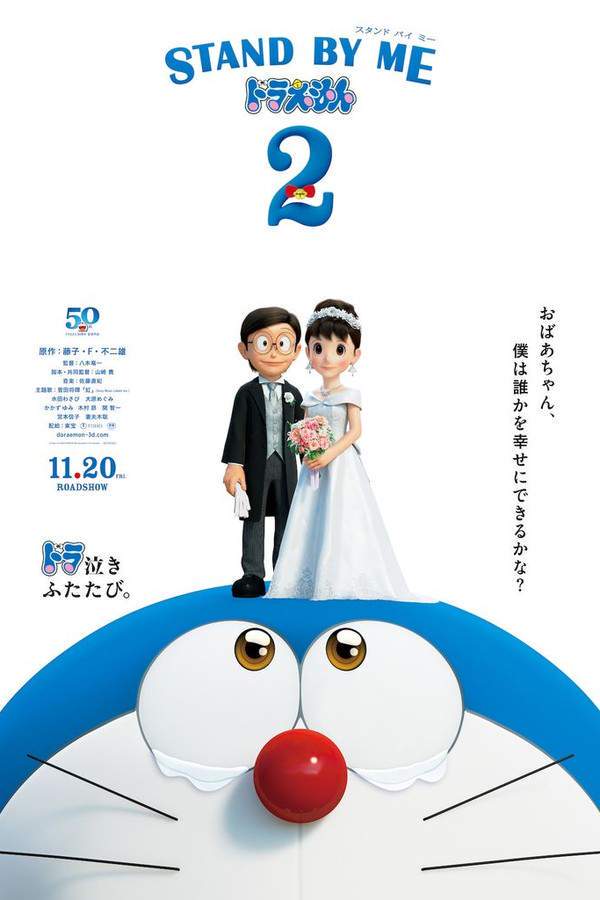
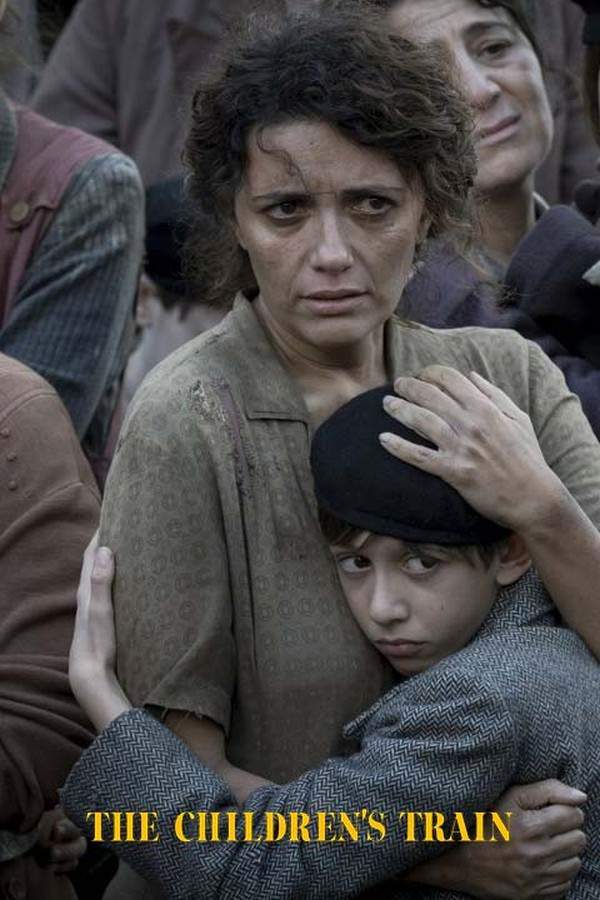
Movies about Rural vs Urban Innocence like Do You See Seoul?

Simple lives collide with the overwhelming pace of the modern world. Films similar to 'Do You See Seoul' that depict the cultural clash between rural simplicity and urban complexity. If you liked the theme of innocence encountering the modern world, discover more stories with this poignant contrast.

  • cultural clash
  • nostalgic
  • anxious
  • heartfelt
  • small-town
  • innocence
  • Tone: hopeful, melancholic, anxious
  • Pacing: steady
Why these movies?

The story pattern: The narrative pattern involves characters deeply rooted in a simple, often idyllic, rural life who are thrust into a fast-paced, technologically advanced urban environment. The conflict arises from the culture shock and the characters' attempts to navigate this alien world, often leading to reflections on belonging and identity.

Why they belong together: These films share a central thematic conflict between two contrasting worlds. The emotional core is the sense of wonder, anxiety, and sometimes loss, experienced by characters as their innocence meets the impersonal nature of metropolitan life.

Every angle

Do You See Seoul? (2008) Explained: Plot, Timeline & Characters

Everything about Do You See Seoul? in one place: what happens in the plot summary, the timeline in chronological order, the characters and meaning and a spoiler-free summary. What's After the Movie adds the cast, box office and post-credit scenes.

Coming soon on iOS and Android

The Plot Explained Movie Summary App

Plot summaries, endings explained and timelines on your phone. Catch up on any movie in minutes, save your favorites and never miss a twist again.

Be the first to know when we launch. Your email stays private, always.

Learn more about the app