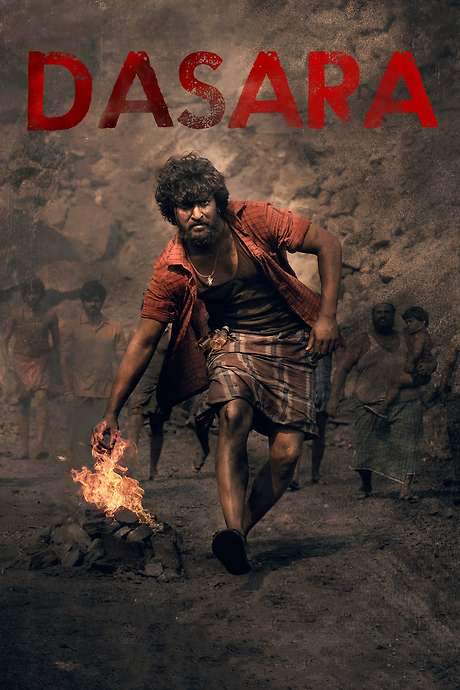
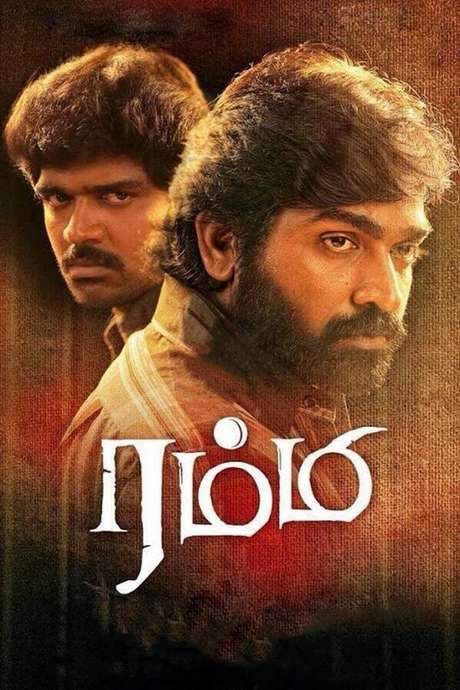
Raghavan and Velu work as cooks in a bustling non-vegetarian hotel, where daily life blends camaraderie with the rough edges of their present circumstances. When Raghavan falls for Geetha, the daughter of a wealthy man, the romance immediately meets the weight of social divides. Geetha’s father looks down on him as a poor man and assails the relationship, but Raghavan responds with quiet resolve: he will become rich within a year to prove that love can bridge class.
A parallel thread follows Aishwarya, a daughter from another affluent family. She runs away with her lover Raju, who works as a driver for her household, hoping to forge a future away from prying eyes. Raju claims that his friend Dinesh will help them, but a disturbing premonition haunts him—the dream of being killed by Aishwarya’s family, which leads to Raju’s sudden disappearance. Moved by Aishwarya’s plight, Raghavan steps in to help, and his sense of justice pushes him to confront Dinesh and his henchmen. In a tense sequence, Raghavan and his ally Meenakshi escape to Rajapalayam, seeking safety and a new plan.
The story then takes a sudden turn as Raghavan finds himself in a village near Tirunelveli where the locals dub him “Duraisingam.” He has no memory of who Duraisingam is, but a woman confirms that he is the grandson of this legendary do-gooder. The film shifts into a vivid flashback that reveals Duraisingam as a pillar of mercy who fights for the poor, challenging Kandhavel, a powerful gangster with political ambitions who desires to become a minister. Duraisingam’s arc is brutal and poignant: he clashes with Kandhavel, cannot bring himself to kill him because of a vow to his wife, and watches as Kandhavel’s machine of power damns his family. Kandhavel retaliates by ordering his men to kill Duraisingam and his family. The violence is devastating—the lives of Duraisingam’s sons are taken, and the infant born to the elder son is lost to the chaos. Duraisingam ultimately surrenders to the police after killing Kandhavel’s brothers and severely injuring Kandhavel himself.
Back in the present, Raghavan learns from a jail visit that Duraisingam died years earlier, a revelation that ripples through his own sense of identity. Kandhavel’s anger grows when Dinesh dies from injuries sustained in the skirmish with Raghavan while protecting Aishwarya. In a bid to neutralize the threat, Kandhavel orders a new round of killings against Raghavan and Meenakshi.
A car chase becomes a turning point: the vehicle carrying Raghavan and Aishwarya careens toward a riverbed, but both survive and seek refuge in the abandoned mill of Aishwarya’s family. There, a tense confrontation unfolds as Aishwarya’s father and relatives close in, intending harm. Raghavan adopts a bold ruse—he acts as a kidnapper and demands a ransom—only to draw out the truth and expose loyalties. Meenakshi’s father and relatives confront them, knocking Raghavan to the ground, but their anger dissolves into understanding once Aishwarya speaks plainly about her situation and Raghavan’s sincere motives.
The mill becomes the crucible for the final showdown. Kandhavel arrives with his men and a brutal fight erupts between his faction and Aishwarya’s family. Raghavan holds his ground, fighting with the resilience born of years of struggle, and he manages to overpower most of Kandhavel’s men. Yet, in a moment of mercy that echoes Duraisingam’s vow, he spares Kandhavel, honoring the older vow that shaped his grandfather’s legacy.
In the climactic aftermath, Aishwarya ultimately accepts the life path her family has chosen for her and marries the groom arranged by her relatives. Meanwhile, the bond between Raghavan and Geetha is rekindled, and his personal arc converges with his family’s past as Duraisingam’s grandson. The tale closes with a quiet resolution: the living reconcile the past with the present, and Raghavan steps into a future where love, loyalty, and justice continue to guide his choices.