Plot Explained Spoilers guaranteed!
Plot Explained

Browse by genre

Diary of a Country Priest (1951) movie poster

Timeline

Diary of a Country Priest (1951) Timeline Explained – Every Event in Order

Release, runtime and language
1951 · 115 mins · French
Directed by
Robert Bresson
Starring
Yvette Etiévant, Nicole Maurey, Serge Bento, Claude Laydu, Antoine Balpêtré, Jean Danet

An inexperienced, frail priest of humble origins arrives in the isolated French village of Ambricourt and is assigned to its parish. His austere habits and aloof manner alienate the townspeople, and students at the nearby girls’ school mock his Bible lessons. When he intervenes in a local family feud, the effort spirals into scandal, and his worsening health deepens his crisis of faith.

On this page (6)
  1. 1 Events in order (12)
  2. 2 Timeline questions answered
  3. 3 Movie threads
  4. 4 Movies like Diary of a Country Priest
  5. 5 Categories
  6. 6 Every angle

12 events in order · contains spoilers

Diary of a Country Priest Timeline: Events in Chronological Order

Every key event of Diary of a Country Priest (1951) in order, scene by scene, with when and where it takes place. Use it to untangle flashbacks, time jumps and parallel storylines, to refresh your memory before the sequel or to find the exact scene you are thinking of.

  1. The diary, diet and daily Mass

    In the village of Ambricourt, the new parish priest keeps a diary in which he confesses insecurities about his faith, inexperience, and worsening health. Only Miss Louise attends daily Mass, highlighting his isolation and the fragility of his situation. He sustains himself on a sparse diet of bread, wine, and sugar due to an undiagnosed stomach ailment.

    Where
    Ambricourt
  2. Seeking funds and mentor's counsel

    He asks the Count of Ambricourt for funds to start a Catholic youth club and a sports program to win over the villagers. His mentor, the seasoned priest of Torcy, counsels him to project strength and to earn obedience through respect rather than affection. This advice foreshadows a clash between idealism and the demands of village politics.

    Where
    Ambricourt (Count's estate)
  3. Countess's crisis and the affair begins

    The Count and Countess mourn their late son, and the Count begins an affair with Louise, Chantal's governess. Both Countess and Chantal are aware of the affair, with the Countess accepting it while Chantal grows resentful. The priest becomes entangled in the drama through Louise's complaints and fragile domestic tensions.

    Where
    Count's estate, Ambricourt
  4. Louise begs for transfer as pressure mounts

    Louise complains to the priest that Chantal mistreats her, prompting the priest to plan a talk with the Count. The Count initially welcomes the priest but grows cold when the subject turns to Chantal and Louise's affair, signaling that he expects the priest to look the other way. Louise suggests that the priest request a transfer to another parish.

    Where
    Ambricourt (Count's estate)
  5. Health deterioration and an unsolved diagnosis

    As his health deteriorates, the priest struggles to maintain faith and purpose. The Torcy priest directs him to see Dr. Delbende, who examines his abdomen but offers no diagnosis. Later, Dr. Delbende commits suicide, a tragedy that echoes the village's despair and underscores the fragility of even trusted healers.

    Where
    Ambricourt
  6. Chantal's crisis and boarding school plan

    To remove Chantal from the looming drama, the Count and Louise plan to send her to boarding school. Chantal seeks the priest's guidance but he detects a suicidal impulse beneath her bravado and struggles to offer solace. She leaves the meeting more unsettled than reassured.

    Where
    Ambricourt (Chantal's home / Count's estate)
  7. The note and the priest's intimidation

    The priest visits Chantal to discuss her distress, but he unintentionally intimidates her into handing over her suicide note. She submits, though her terror is evident, and privately vows to ruin him in retaliation for the perceived manipulation.

    Where
    Ambricourt
  8. Counseling the Countess and her death

    The priest goes to the embittered Countess on Chantal's behalf and urges reconciliation with God, insisting that God is not a torturer. That night, the Countess writes a note of thanks and dies of a heart condition. Chantal overhears the exchange and falsely accuses the priest of driving her mother to despair.

    Where
    Ambricourt (Countess's residence)
  9. Investigation and the seal of confession

    The Count arranges for a church investigator to interrogate the priest, hoping to force his exile. The priest refuses to exonerate himself with the Countess's letter, suggesting it may be protected by the seal of confession. The confrontation deepens the priest's isolation in the village.

    Where
    Ambricourt (Count's estate / church)
  10. Chantal's confession and the secret

    Chantal taunts the priest with a vow to sin for sin's sake, but she ultimately confesses that she was moved by the comfort he gave her mother. She asks for his 'secret,' and he replies that it is a lost one, hinting that others will find and lose it in turn as they pass it on.

    Where
    Ambricourt
  11. Terminal cancer and the final days

    After a hemorrhage, the priest travels to Lille for diagnosis and learns he has terminal stomach cancer. He visits his former classmate Dufrety, who now lives with a woman out of wedlock, and faints in his flat. Dufrety's partner cares for him as he dies, and the priest asks for absolution before passing away.

    Where
    Lille (hospital/clinic) and Dufrety's flat
  12. Final absolution and grace

    In his last exchange, Dufrety questions whether an ex-priest can perform rites, but the dying priest replies that it does not matter and proclaims that all is grace. His final words affirm a religious philosophy of mercy beyond clerical status.

    Where
    Dufrety's flat, Lille

Last updated: October 09, 2025 at 10:43

Was this helpful?

Timeline questions answered

Diary of a Country Priest Timeline Explained: Your Questions Answered

When does it happen, and why in that order? The questions people ask about the chronology of Diary of a Country Priest (1951): time jumps, flashbacks, cause and effect between scenes and the correct order of events, each answered with spoilers.

Q1

Why does the priest keep a diary throughout the film?

The priest keeps a diary because he is inexperienced and struggles with his faith, using it as a way to confess his insecurities, doubts, and personal struggles. The diary serves as his only outlet for honest self-reflection in a village where he feels isolated and unwelcome, with only Miss Louise attending his daily Mass.

  • diary
  • confession
  • faith struggles
  • isolation
Q2

Why does the Countess tolerate the Count's affair with Louise?

The Countess is embittered and withdrawn from God following the death of her young son years earlier. This tragedy has left her emotionally detached and indifferent to her husband's infidelity. She accepts the affair not out of approval but from a profound spiritual and emotional numbness.

  • Countess
  • affair
  • grief
  • son death
  • withdrawal
Q3

Why does the priest take Chantal's suicide note from her?

The priest takes the note because, following his mentor's counsel to project strength, he attempts to intervene when he senses Chantal's suicidal distress. However, his approach unintentionally intimidates her into handing it over, which she experiences as a violation. She subsequently vows to destroy him in retaliation.

  • Chantal
  • suicide note
  • intimidation
  • mentor advice
Q4

What causes the Countess to die right after the priest visits her?

The Countess dies of a heart condition that night, not because of anything the priest said. The priest had come to urge her to reconcile with God, offering comfort by insisting God is not a torturer. She is moved enough to send a thank-you note, but her underlying heart condition proves fatal.

  • Countess
  • death
  • heart condition
  • reconciliation
  • comfort
Q5

Why doesn't the priest use the Countess's letter to defend himself against the investigation?

The priest refuses to use the Countess's thank-you letter because he believes it may be protected by the seal of confession, or at least by the confidentiality of pastoral counsel. He chooses to accept the accusations rather than violate what he considers a sacred trust, even at the cost of his reputation and position.

  • confession seal
  • letter
  • investigation
  • sacrament
  • confidentiality
Q6

Why does Dr. Delbende commit suicide?

The priest of Torcy explains that Dr. Delbende lost his faith and feared God's judgment, leading him to despair. Despite being a trusted healer in the village, Delbende could not reconcile his own spiritual crisis, and this loss of faith ultimately drove him to take his own life.

  • Dr Delbende
  • suicide
  • loss of faith
  • despair
  • judgment
Q7

What is the 'secret' the priest tells Chantal he has lost?

When Chantal asks for his secret, the priest replies it is 'a lost secret' - something he once possessed but can no longer access. He suggests it will be found and lost again by others who come after him, hinting at the transmission of faith and spiritual insight as something elusive that must be continually rediscovered by each generation.

  • secret
  • faith
  • transmission
  • spiritual wisdom
  • lost and found
Q8

What does 'All is grace' mean in the priest's final words?

In his dying moments, the priest tells Dufrety that it doesn't matter whether an ex-priest can give absolution, declaring 'All is grace.' This affirms his belief that salvation and divine mercy extend beyond clerical status and institutional religion, embracing even broken priests and imperfect people.

  • grace
  • absolution
  • mercy
  • forgiveness
  • final words
Q9

Why does the priest go to Dufrety at the end of the film?

After being diagnosed with terminal stomach cancer in Lille, the priest seeks out his former seminary classmate Dufrety, who left the priesthood to live with a woman out of wedlock. Despite their different paths, the dying priest goes to him for companionship and spiritual comfort in his final days, showing his belief in grace beyond religious boundaries.

  • Dufrety
  • terminal illness
  • Lille
  • former priest
  • companionship
Q10

Why does the priest's mentor advise him to project strength rather than seek affection?

The experienced priest of Torcy advises the young priest to project strength and earn obedience through respect rather than affection because he believes a priest must command authority to be effective. This counsel reflects the practical demands of village politics, though it conflicts with the young priest's idealistic desire to connect authentically with his congregation.

  • Torcy priest
  • mentor
  • counsel
  • authority
  • respect
  • affection
Q11

Why does Chantal falsely blame the priest for her mother's death?

Chantal overhears the exchange between the priest and her mother and misinterprets it, telling her father that the priest drove his wife to despair. This accusation is motivated by her pre-existing resentment toward the priest for taking her suicide note and her general hostility toward him throughout the film.

  • Chantal
  • false accusation
  • misunderstanding
  • revenge
Q12

Why is the priest so isolated in Ambricourt?

The priest is isolated because his austere habits, aloof manner, and humble origins alienate the villagers. His strict diet of bread, wine, and sugar due to his undiagnosed illness, combined with his proposed youth club and sports program, fail to win over a community that views him with suspicion and contempt.

  • isolation
  • villagers
  • austere manner
  • rejection
  • alienation

Movie threads

More Movies Like Diary of a Country Priest, by Mood & Story

Curated lists built around what makes Diary of a Country Priest tick: the same mood, the same kind of story or the same emotional payoff. Each list explains why these movies belong together.

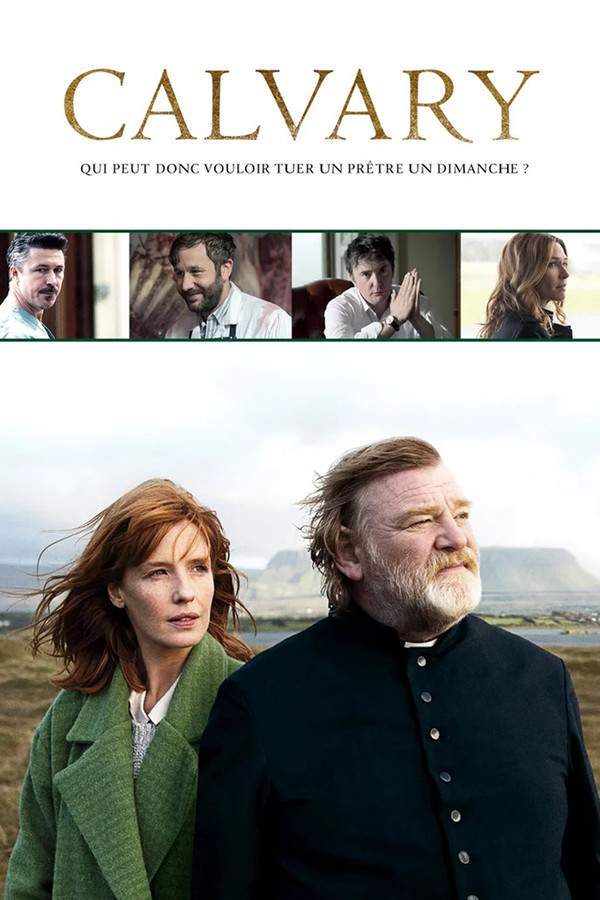
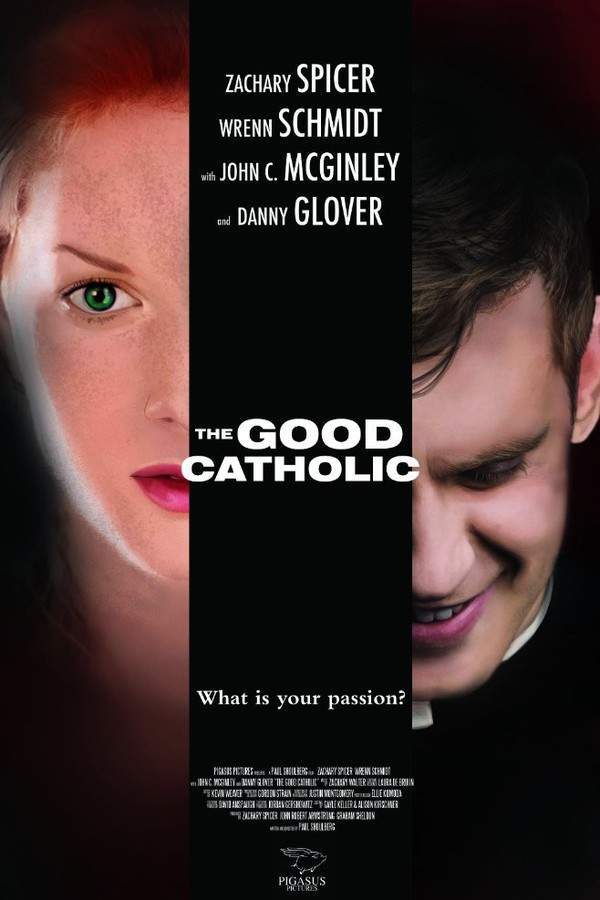
Movies about spiritual crises like Diary of a Country Priest

Stories of profound inner turmoil and a struggle to find grace in darkness. If you were moved by the profound spiritual struggle in Diary of a Country Priest, this collection features films that explore similar themes of faith, doubt, and existential despair. Discover other movies like Diary of a Country Priest where characters grapple with moral collapse, illness, and the search for grace in a bleak world.

  • somber
  • introspective
  • despairing
  • meditative
  • spiritual
  • isolated
  • Tone: melancholic, somber, introspective
  • Pacing: slow, contemplative
Why these movies?

The story pattern: Narratives in this thread follow a solitary protagonist, often physically or socially isolated, as they confront a fundamental crisis. The plot is less about external events and more about an internal, psychological journey marked by doubt, suffering, and a difficult, often bittersweet, resolution.

Why they belong together: These films are grouped together for their shared focus on heavy emotional weight, melancholic tone, and a meditative pacing that allows the viewer to inhabit the character's profound internal struggle. They share a core theme of grappling with ultimate questions in the face of suffering.
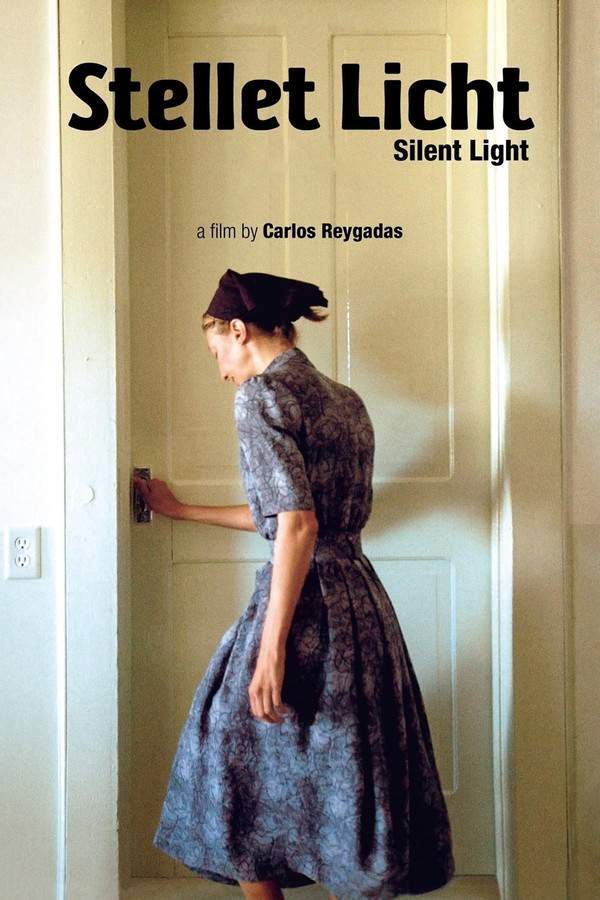
Slow burn movies about isolation like Diary of a Country Priest

Meditative journeys where physical and emotional isolation lead to a transformative end. For viewers who appreciated the slow, meditative pace and themes of isolation in Diary of a Country Priest, this list highlights similar films. Find movies like Diary of a Country Priest that feature solitary figures in stark settings, grappling with alienation, mortality, and a bittersweet sense of acceptance.

  • isolated
  • austere
  • meditative
  • somber
  • decaying
  • introspective
  • Tone: melancholic, austere, bittersweet
  • Pacing: very slow, meditative
Why these movies?

The story pattern: The narrative pattern involves a character entering or existing within a confined, often hostile environment. The slow pacing emphasizes the weight of their solitude and the gradual progression of their physical or spiritual decay, culminating in an ending that blends profound loss with a hard-won, transcendent realization.

Why they belong together: These movies share a specific combination of a slow, deliberate pacing that creates a meditative vibe, a focus on a single isolated protagonist, and the intertwining of physical and spiritual decline. The collective experience is one of quiet observation leading to a heavy, often bittersweet emotional impact.

If you liked this

Movies Like Diary of a Country Priest

Similar movies to Diary of a Country Priest: the same genre, themes or kind of story. Each one comes with its own plot summary, timeline and ending explained.

Browse all movie summaries

Categories

Movie Lists Featuring Diary of a Country Priest

Diary of a Country Priest appears in these hand-built movie categories. Each one groups movies by a specific mood, theme or story type, with their plot summaries and endings explained.

View all movie categories

Every angle

Diary of a Country Priest (1951) Explained: Plot, Timeline & Characters

Everything about Diary of a Country Priest in one place: what happens in the plot summary, the timeline in chronological order, the characters and meaning and a spoiler-free summary. What's After the Movie adds the cast, box office and post-credit scenes.

Coming soon on iOS and Android

The Plot Explained Movie Summary App

Plot summaries, endings explained and timelines on your phone. Catch up on any movie in minutes, save your favorites and never miss a twist again.

Be the first to know when we launch. Your email stays private, always.

Learn more about the app