















Plot Explained Spoilers guaranteed!
Plot Explained

Browse by genre

Devil’s Doorway (1950) movie poster

Timeline

Devil’s Doorway (1950) Timeline Explained – Every Event in Order

Release, runtime and language
1950 · 84 mins · English
JustWatch #21,345 6
Directed by
Anthony Mann
Starring
Edgar Buchanan, Rhys Williams, Roy Butler, William Bailey, Louis Calhern, Spring Byington

M.G.M. presents a Great Drama of Flaming Frontiers ! A Native American Civil War hero returns home to fight for his people.

On this page (6)
  1. 1 Where to watch
  2. 2 Events in order (13)
  3. 3 Timeline questions answered
  4. 4 Movie threads
  5. 5 Movies like Devil’s Doorway
  6. 6 Every angle

Where to watch

Where to Watch Devil’s Doorway (1950)

Where can you watch Devil’s Doorway? Stream, rent or buy it in the US, including on AMC+, Philo and Sundance Now: current JustWatch availability with up-to-date prices.

Streaming availability powered by JustWatch

13 events in order · contains spoilers

Devil’s Doorway Timeline: Events in Chronological Order

Every key event of Devil’s Doorway (1950) in order, scene by scene, with when and where it takes place. Use it to untangle flashbacks, time jumps and parallel storylines, to refresh your memory before the sequel or to find the exact scene you are thinking of.

  1. Poole returns to Medicine Bow facing hostility

    Lance Poole, a Shoshone Civil War veteran and Medal of Honor recipient, returns to Medicine Bow, Wyoming, to restart his life. The mostly white townspeople resent that Poole and his father own a large, valuable tract of land. Their prejudice foreshadows the hostility that will frame his fight to keep his home.

    Where
    Medicine Bow, Wyoming
  2. Doctor refuses to treat Poole's father; father dies

    A town doctor refuses to treat Poole's father, underscoring the entrenched prejudice against Poole's family. Poole's father dies as a result, leaving Poole without support in a town that already shuns him. Poole's inability to even buy a drink in the saloon further illustrates the social isolation he endures.

    Where
    Medicine Bow, Wyoming
  3. Poole barred from the saloon

    Poole is barred from purchasing a drink at the local saloon due to discriminatory attitudes. The denial exemplifies how prejudice cuts him off from everyday life in Medicine Bow. The incident compounds the sense that Poole has no easy place in the town.

    Where
    Medicine Bow, Wyoming – local saloon
  4. Attorney Coolan exploits homesteading loophole to seize land

    Bigoted attorney Verne Coolan exploits a loophole in a homesteading law to strip Poole of his property. The legal maneuver heightens tension and frames the ensuing struggle as a battle over land and dignity. Poole must confront this legal assault to defend his family's stake.

    Where
    Medicine Bow, Wyoming
  5. Orrie Masters attempts to help but falters on signatures

    Poole seeks help from Orrie Masters, a capable female attorney, hoping to overturn the unfair law. Masters attempts to gather petition signatures but fails to obtain the necessary number. The setback leaves Poole in a precarious legal position as Coolan's control over the land grows.

    Where
    Masters's office, Medicine Bow, Wyoming
  6. Coolan mobilizes sheepherders to expel Poole by force

    Coolan mobilizes sheepherders and organizes confrontational actions to expel Poole by force. The plan escalates tensions and sets up a direct clash at Poole's property. Poole and his supporters prepare to defend the land against an organized eviction.

    Where
    Poole's land, Medicine Bow, Wyoming
  7. Shoshone tribesmen join Poole, fortify a cabin

    Shoshone tribesmen come to Poole's aid and fight beside him, using his cabin as a makeshift fort. The alliance shows Poole's dual identity as a veteran who commands respect from his people and his white neighbors alike. The barricaded cabin becomes the focal point of the resistance.

    Where
    Poole's cabin, near Medicine Bow, Wyoming
  8. Masters calls in the U.S. Cavalry for a truce

    Orrie Masters summons the U.S. Cavalry hoping to secure a truce and prevent further bloodshed. The cavalry arrives with the intent to mediate, but the situation remains volatile. The attempt at peace collapses when loyalties tilt toward Coolan and the town.

    Where
    Near Poole's cabin, Medicine Bow, Wyoming
  9. Cavalry sides with Coolan and the town

    The cavalry, however, sides with Coolan and the townspeople, undermining Masters's effort and leaving Poole isolated. This reversal confirms the town's biases and seals Poole's precarious position. The siege continues with Poole's forces outnumbered.

    Where
    Outside the barricade near Poole's land, Medicine Bow, Wyoming
  10. Poole kills Coolan, wounded at barricade

    Poole defeats Coolan and kills him during the confrontation, but he is seriously wounded at the Shoshone barricade. The victory is bittersweet as Poole pays a heavy personal price. The loss intensifies the sense of tragedy surrounding his stand.

    Where
    Shoshone barricade, Medicine Bow region
  11. Poole entrusts survivors to the male child

    With survivors gathered, Poole entrusts the responsibility for the surviving women and children to the lone male child. The boy leads the group away from the barricade toward the nearby reservation. Poole's act affirms his final concern for the vulnerable in the aftermath of conflict.

    Where
    Near the barricade, toward the reservation, Medicine Bow region
  12. Poole dons uniform and salutes the commander

    Poole dons his Civil War sergeant major uniform and walks out to the cavalry commander and his former lawyer. In a ceremonial moment, the commander salutes Poole first, honoring the Medal of Honor tradition. Poole's dignity in defeat underscores the complex mix of respect and tragedy surrounding his sacrifice.

    Where
    Edge of the barricade, Medicine Bow
  13. Poole dies from his wounds

    Poole dies from his wounds soon after the confrontation. His death marks the culmination of his lifelong fight to protect his land and his people. The film closes on the somber note of a veteran's sacrifice and the cost of prejudice.

    Where
    Barricade site, Medicine Bow region

Last updated: February 24, 2026 at 09:57

Was this helpful?

Timeline questions answered

Devil’s Doorway Timeline Explained: Your Questions Answered

When does it happen, and why in that order? The questions people ask about the chronology of Devil’s Doorway (1950): time jumps, flashbacks, cause and effect between scenes and the correct order of events, each answered with spoilers.

Q1

Why does the town doctor refuse to treat Poole's father?

The doctor refuses treatment because of deep-seated racial prejudice against Poole's Shoshone heritage. This act of medical discrimination directly leads to his father's death, demonstrating how institutional bias extends beyond social customs into life-or-death situations. The refusal underscores the town's commitment to marginalizing Poole and his family at every opportunity.

Foreshadowing: The hostile welcome Poole receives upon returning home hints at the depth of racial hatred he will face.

  • racial discrimination
  • medical refusal
  • prejudice
  • poole family
Q2

How does Verne Coolan legally steal Poole's land?

Verne Coolan exploits a loophole in the homesteading law, using his position as an attorney to manipulate legal technicalities. The law was likely intended to encourage settlement, but Coolan twists it into a weapon against Poole, who already possesses and works the land. This legal maneuver represents how the system itself becomes a tool of oppression, allowing those with power to take what they want under the guise of legality.

Foreshadowing: The mention of 'cruel economics of land and power' early in the film sets up this legal battle.

  • verne coolan
  • homesteading law
  • land theft
  • legal loophole
Q3

Why can't Orrie Masters gather enough signatures to help Poole?

Orrie Masters fails to collect the required petition signatures because the townspeople's prejudice outweighs their willingness to support a Shoshone man, even one who served his country. The signatures represent a barrier built not on merit or law, but on the community's collective discrimination. This failure reveals how the legal system is inaccessible to those the town wishes to exclude.

Foreshadowing: Masters's determination to help from the start is undermined by the town's entrenched hostility.

  • orrie masters
  • petition signatures
  • legal failure
  • discrimination
Q4

Why do the Shoshone tribesmen help Poole fight?

The Shoshone tribesmen join Poole because they share his struggle for land and dignity, they understand what it means to have their territory taken and their people marginalized. Poole's status as a Civil War hero and Medal of Honor recipient commands their respect, and they recognize his fight as their own. This alliance transforms his individual struggle into a collective resistance against the same oppressive forces.

Foreshadowing: The film's opening establishes Poole as both a respected veteran and an outsider in his hometown.

  • shoshone tribesmen
  • alliance
  • land struggle
  • tribal support
Q5

Why does the U.S. Cavalry side with Coolan and the town?

The U.S. Cavalry sides with Coolan and the townspeople because they represent the existing power structure and institutional racism of the era. Even though Masters summons them hoping for a neutral broker, the cavalry's loyalties lie with the white community that holds authority. This betrayal confirms that the federal forces meant to maintain order are themselves complicit in the oppression of Native Americans.

Foreshadowing: Masters's hope for cavalry intervention is undermined by the film's consistent portrayal of systemic prejudice.

  • u.s. cavalry
  • Institutional racism
  • betrayal
  • power structure
Q6

Why does Poole kill Coolan during the confrontation?

Poole kills Coolan as the climax of a desperate fight to protect his remaining land, his family, and the Shoshone allies who have joined him. Coolan has organized armed sheepherders to forcibly expel Poole, turning a legal dispute into violent confrontation. Poole's act is one of survival and resistance, he kills the man who has systematically tried to destroy him, though the victory costs him his life.

Foreshadowing: Coolan's mobilization of sheepherders signals the transition from legal battle to violent conflict.

  • verne coolan
  • killing
  • self defense
  • survival
Q7

What does the final salute mean between Poole and the cavalry commander?

The cavalry commander salutes Poole first, acknowledging his Medal of Honor status as a fellow soldier and recognizing his courage and sacrifice. This moment creates a poignant irony, Poole receives military respect from the very force that failed to protect him and his people. The salute represents a brief recognition of his dignity as a warrior, even as the system he served has betrayed him.

Foreshadowing: Poole's return in his Civil War uniform establishes his military credentials from the start.

  • medal of honor
  • military salute
  • dignity
  • cavalry commander
Q8

Why does Poole entrust the surviving women and children to a young boy?

Poole entrusts the survivors to the lone male child because he is the only one capable of leading them to safety toward the reservation. This act shows Poole's final concern is for the vulnerable, ensuring the women and children escape the barricade before he faces the cavalry. The child represents the next generation and the hope that some will survive to continue the fight for their people.

Foreshadowing: The Shoshone barricade is described as the 'last line of defense,' making evacuation necessary.

  • child survivor
  • reservation
  • protection
  • final act
Q9

Why is Poole barred from buying a drink at the saloon?

Poole is barred from the saloon because the establishment enforces the town's racial discrimination, Native Americans are not welcome as customers. This small act of exclusion epitomizes how Poole is denied even the most basic social interactions and community belonging. The saloon refusal compounds his isolation, showing that prejudice reaches into every aspect of daily life in Medicine Bow.

Foreshadowing: The 'chilly welcome' upon Poole's return establishes the pervasive hostility from the start.

  • saloon discrimination
  • social exclusion
  • racial prejudice
  • medicine bow
Q10

What is the significance of Poole having earned the Medal of Honor?

The Medal of Honor represents a profound irony, Poole served and sacrificed for the United States in the Civil War, earning the nation's highest military honor, yet returns home to face discrimination and dispossession from that same nation. His uniform, which he dons for the final confrontation, symbolizes this contradiction between the respect he earned as a soldier and the rejection he experiences as a Shoshone man.

Foreshadowing: Poole's status as a Medal of Honor recipient is established immediately upon his return.

  • medal of honor
  • civil war veteran
  • military service
  • irony

Movie threads

More Movies Like Devil’s Doorway, by Mood & Story

Curated lists built around what makes Devil’s Doorway tick: the same mood, the same kind of story or the same emotional payoff. Each list explains why these movies belong together.

Tragic Frontier Justice movies like Devil’s Doorway

Stories where heroes fight systemic injustice on a bleak and violent frontier. If you appreciated the bleak struggle against systemic injustice in Devil’s Doorway, this thread gathers similar movies. Discover powerful stories about heroic figures fighting for land rights and dignity on unforgiving frontiers, often ending in tragic but resonant sacrifice.

  • tragic
  • grim
  • oppressive
  • hopeless
  • tense
  • melancholic
  • Tone: bleak, grim, tragic
  • Pacing: steady, deliberate
Why these movies?

The story pattern: The narrative follows a principled hero, often an outsider, who challenges an entrenched and prejudiced system in a frontier or historical setting. Despite their courage, the forces arrayed against them are too powerful, leading to their ultimate defeat or sacrifice, highlighting the brutal reality of the time.

Why they belong together: Movies are grouped here because they share a specific blend of historical frontier conflict, a focus on systemic oppression, and a profoundly bleak, tragic arc. They offer a sobering look at the failure of justice and the heavy emotional weight of fighting a losing battle.

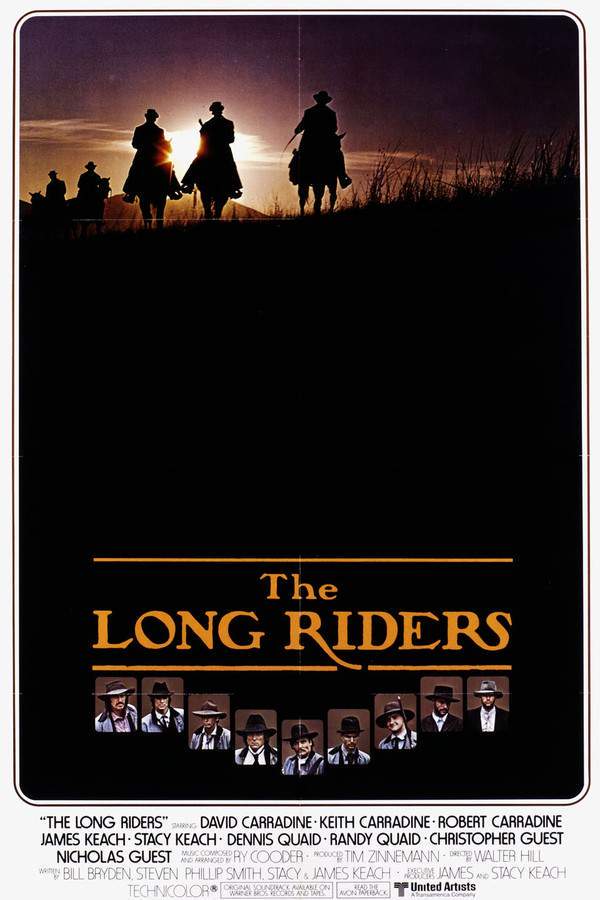
Bleak Social Realism films like Devil’s Doorway

Grim dramas exposing systemic injustice and the crushing weight of reality. Fans of the heavy, realistic portrayal of racial injustice in Devil’s Doorway will find similar movies here. This thread features straightforward, intense dramas focused on legal battles, systemic oppression, and the grim realities faced by marginalized characters, often culminating in tragic outcomes.

  • grim
  • oppressive
  • tragic
  • hopeless
  • tense
  • resigned
  • Tone: bleak, grim, oppressive
  • Pacing: steady, deliberate
Why these movies?

The story pattern: The narrative pattern involves a clear, direct conflict between an individual or group and an unjust societal system. There are few subplots; the focus remains on the escalating injustices and the psychological toll on the characters, leading to an ending that reinforces the harsh truths of the world.

Why they belong together: These films are united by their commitment to portraying social issues with stark realism and a heavy, bleak tone. They share a similar emotional intensity and pacing, creating a coherent viewing experience for those seeking impactful stories about difficult truths.

If you liked this

Movies Like Devil’s Doorway

Similar movies to Devil’s Doorway: the same genre, themes or kind of story. Each one comes with its own plot summary, timeline and ending explained.

Browse all movie summaries

Every angle

Devil’s Doorway (1950) Explained: Plot, Timeline & Characters

Everything about Devil’s Doorway in one place: what happens in the plot summary, the timeline in chronological order, the characters and meaning and a spoiler-free summary. What's After the Movie adds the cast, box office and post-credit scenes.

Coming soon on iOS and Android

The Plot Explained Movie Summary App

Plot summaries, endings explained and timelines on your phone. Catch up on any movie in minutes, save your favorites and never miss a twist again.

Be the first to know when we launch. Your email stays private, always.

Learn more about the app