
Detroit Metal City
Year: 2008
Runtime: 104 mins
Language: Japanese
Director: Toshio Lee
Soichi Negishi moves to Tokyo hoping to launch a career in stylish Swedish‑style pop, but he unexpectedly becomes the frontman of the outrageous death‑metal group Detroit Metal City (DMC). He is forced to perform as the flamboyant, masked “demon emperor” Johannes Krauser II, a role he despises yet excels at, revealing his hidden talent for extreme metal.
Warning: spoilers below!
Haven’t seen Detroit Metal City yet? This summary contains major spoilers. Bookmark the page, watch the movie, and come back for the full breakdown. If you're ready, scroll on and relive the story!
Timeline – Detroit Metal City (2008)
Trace every key event in Detroit Metal City (2008) with our detailed, chronological timeline. Perfect for unpacking nonlinear stories, spotting hidden connections, and understanding how each scene builds toward the film’s climax. Whether you're revisiting or decoding for the first time, this timeline gives you the full picture.
Last updated: February 17, 2026 at 19:56
Detroit Metal City (2008) Timeline Questions Answered – Chronology FAQ
Find frequently asked questions about the Detroit Metal City (2008) timeline, including chronological order, nonlinear jumps, cause-and-effect links, and scene sequence clarifications. This timeline FAQ helps explain when key events happen, how moments connect, and why the story unfolds in that specific order.
Why does Negishi stay in Detroit Metal City even though he despises the band?
Negishi cannot walk away because he feels obligated to the other band members and the label that backs them. The manager Yasuko Matsuyuki constantly pulls him back into performances, and contractual obligations keep him tied to the group. Additionally, the reality of making ends meet in Tokyo leaves him with few financial alternatives.
Early scenes show Negishi struggling financially, which initially pushes him toward the metal band.
How did Negishi become the frontman of Detroit Metal City?
Negishi moved to Tokyo hoping to launch a pop career, but financial pressures forced him to take whatever work was available. He ended up as the lead singer and guitarist of Detroit Metal City, adopting the onstage persona Johannes Krauser II - a demonic character said to have harmed his parents. Despite his quiet, shy nature, he discovered he had a hidden talent for extreme metal performance.
The timeline establishes that Negishi's pop dreams clash with the reality of needing to make money.
What is the difference between Negishi and Krauser II?
Soichi Negishi is a shy, quiet musician who dreams of performing Swedish-style pop music. Johannes Krauser II is his stage persona - a brutal, demonic terrorist from hell who headlines Detroit Metal City's performances. The character is a satirical exaggeration of death metal conventions. Over time, Krauser has become so popular that the line between the two identities has blurred, with Krauser overshadowing Negishi's real artistic ambitions.
The band's early performances already show the stark contrast between Negishi's quiet demeanor and Krauser's explosive stage presence.
Why does the Krauser persona become so popular?
Krauser II's popularity stems from the band's satirical take on metal music. DMC's songs celebrate immoral and illegal behavior and narrate Krauser's criminal exploits, which audiences find entertaining as a parody of extreme metal. The more audiences embrace the brutal frontman, the more Negishi feels trapped in a role he never chose, creating a cycle where Krauser's success directly undermines Negishi's true aspirations.
The band's songs are described from the start as parodic exaggerations of the genre.
Why are Negishi's pop songs ignored or ridiculed?
Negishi's original pop songs, which he performs on the street, represent his true artistic passion but are looked down upon by the music industry that props up Detroit Metal City. Bystanders and critics ridicule his earnest pop performances while the metal persona that he dislikes brings him fame and success. This irony forms the core of his internal conflict - the more popular Krauser becomes, the further his genuine musical aspirations fade.
Early scenes establish Negishi's pop dreams and the contrast between his street performances and DMC's sold-out shows.
What triggers Negishi's attempts to escape DMC?
Negishi's attempts to break free are driven by his growing frustration over a personal career that never took off beyond street performances of his original pop songs. As Krauser's voice grows louder and more influential, the gap between Negishi's private ambitions and the public persona he must perform widens. His rage fuels both his guitar work and his desperation to reclaim his true artistic identity, leading to repeated but futile attempts to escape.
The accumulating frustration from being stuck in the metal persona while his pop dreams fade triggers each escape attempt.
What is Yasuko Matsuyuki's role in the story?
Yasuko Matsuyuki is the manager of the label that backs Detroit Metal City. She plays a关键 role in keeping Negishi trapped in the DMC cycle by constantly pulling him back into performances and ensuring the band continues. Her control over his career represents the commercial forces that demand he maintain the profitable Krauser persona, even as it destroys his personal artistic goals.
The manager's influence is first shown when she ensures Negishi cannot walk away after initial attempts to leave.
Does Negishi escape the Krauser persona at the end?
The ending is bittersweet and unresolved. The story closes with Negishi still struggling to become a successful pop musician while Krauser's popularity remains dominant. The narrative emphasizes the futility of breaking the vicious circle, suggesting he does not fully escape the persona he despises. However, he has found a measure of success, leaving his fate open-ended with a mix of professional achievement and personal dissatisfaction.
The escalating tension between the two identities reaches its peak in the final act without a clear resolution.
How does Negishi's frustration affect his metal performances?
Negishi's mounting rage over his stunted pop career and forced participation in DMC becomes fuel for his guitar work and stage presence. His pain transforms into powerful performances as Krauser, creating a paradox where his unhappiness drives the very thing he hates. The line between artist and persona blurs further as his frustration increasingly powers the Krauser persona's success.
The most intense performances coincide with Negishi's lowest moments of frustration.
What does the film satirize about the music industry?
The film satirizes the tension between authenticity and spectacle in the music industry. It shows how commercial demands can trap artists in personas that conflict with their true artistic vision. The comedy derives from the stark contrast between Negishi's shy nature and his extreme stage persona, highlighting how the music business often rewards image and shock value over genuine artistic expression.
The entire narrative框架 frames the music industry as a machine that demands a different kind of voice from artists.

Explore Movie Threads
Discover curated groups of movies connected by mood, themes, and story style. Browse collections built around emotion, atmosphere, and narrative focus to easily find films that match what you feel like watching right now.
Movies about unwilling alter egos like Detroit Metal City
Characters trapped by a professional persona they secretly despise.If you liked the hilarious identity crisis in Detroit Metal City, you'll enjoy these movies about characters forced to live a double life. Discover other comedies where protagonists must maintain outrageous personas that clash with their real, more timid selves.

The Meanest Man in the World
1943
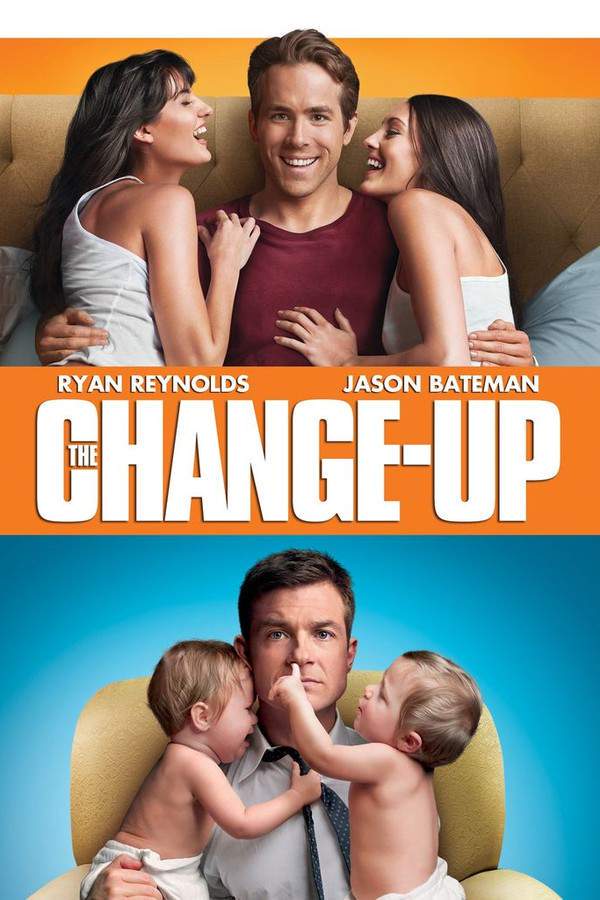
The Change-Up
2011

The Half-Naked Truth
1932

Das Ka Dhamki
2023

The Animal
2001

The Inspector-General
1952

Sube y baja
1959

How to Lose Friends & Alienate People
2008
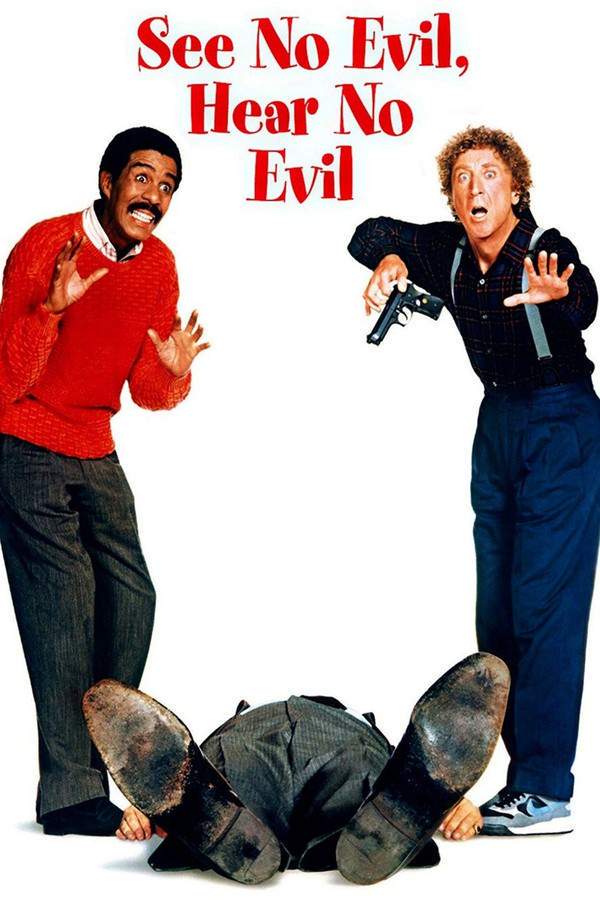
See No Evil, Hear No Evil
1989

Incognito from St.Petersburg
1978

Trial and Error
1997

Dutiful But Dumb
1941
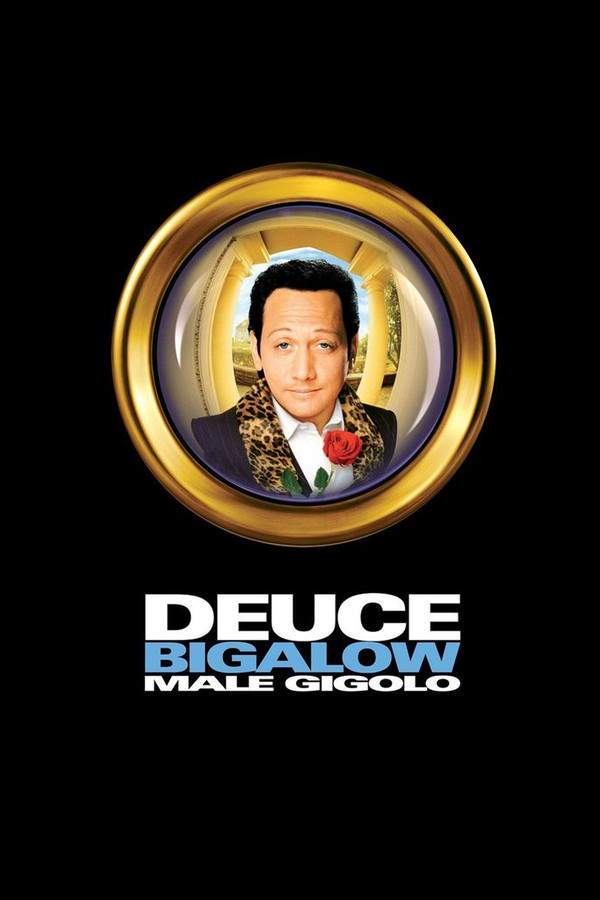
Deuce Bigalow: Male Gigolo
1999

Nothing to Lose
1997
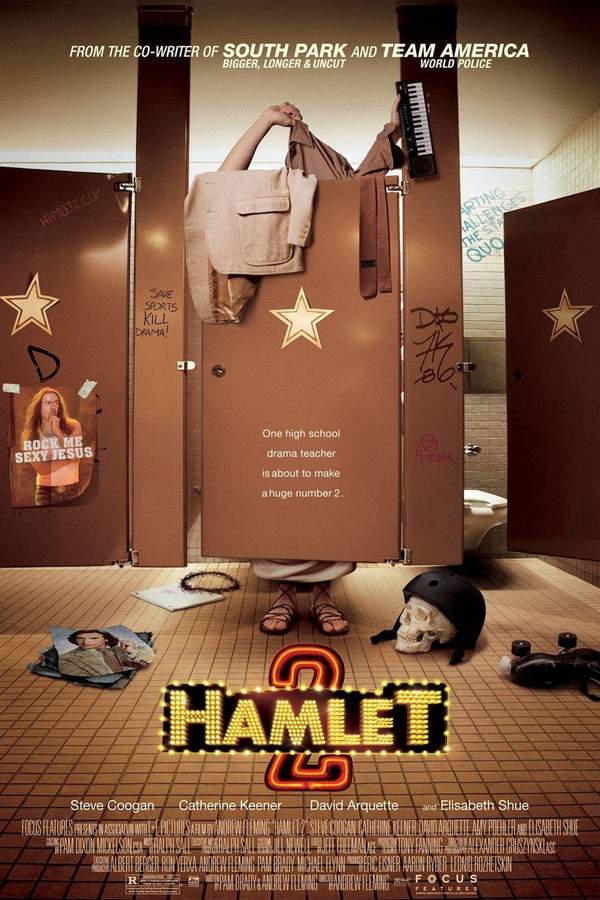
Hamlet 2
2008
Narrative Summary
The narrative follows a character who, through circumstance, achieves success in a role they find absurd or distasteful. They struggle to reconcile this public identity with their private self, often trying to escape it, only to be repeatedly pulled back by the demands of their newfound fame or talent.
Why These Movies?
These films are grouped together because they share the core comedic tension of a fractured identity. They explore the absurdity and often bittersweet reality of being adored for a version of yourself you wish you could abandon, all while maintaining a light, satirical tone.
Absurdist performance satires similar to Detroit Metal City
Hilarious send-ups of artistic extremes and subculture fanaticism.Fans of Detroit Metal City's parody of heavy metal culture will love these satirical movies. Explore comedies that hilariously exaggerate the worlds of music, art, and performance, capturing the ridiculous extremes of passion and fandom.

Alien Autopsy
2006

Fear of a Black Hat
1994
Detroit Metal City
2008

Some Kind of a Nut
1969
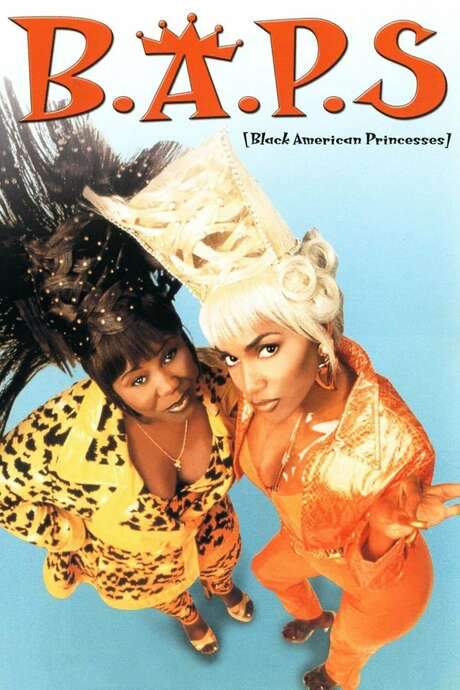
B.A.P.S
1997
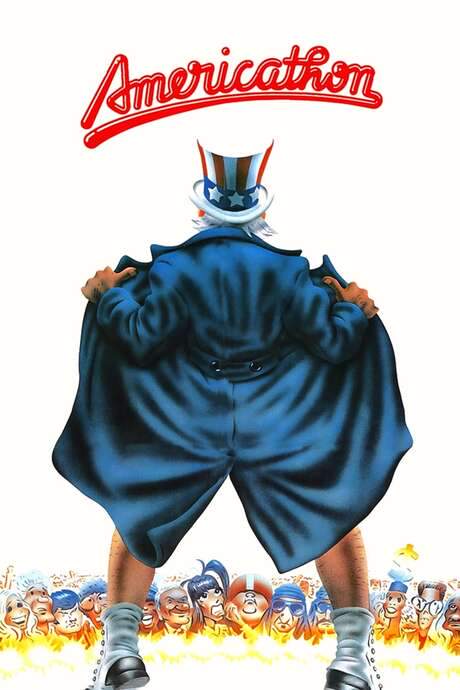
Americathon
1979
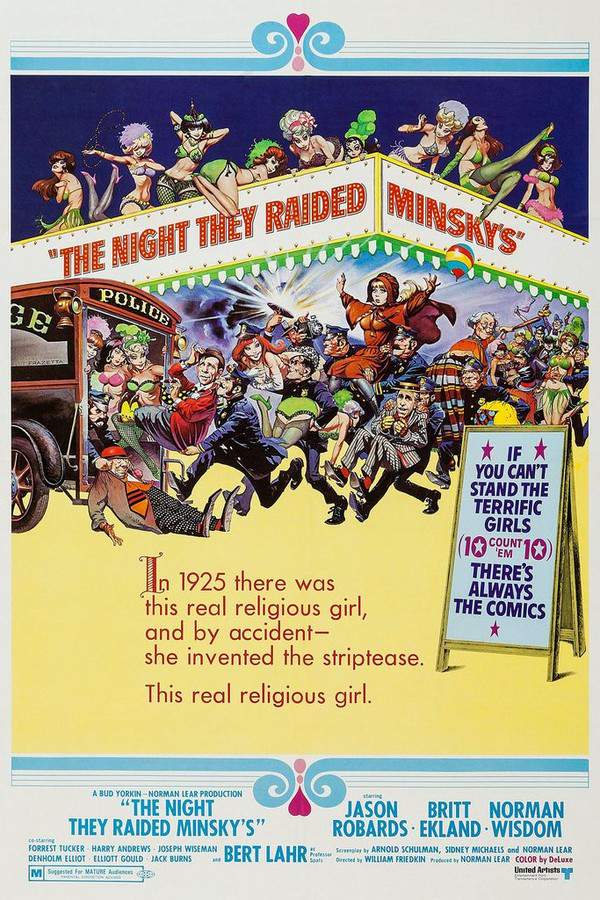
The Night They Raided Minsky's
1968

The Monitors
1969

Waiting for the Hearse
1985

People Just Do Nothing: Big in Japan
2021
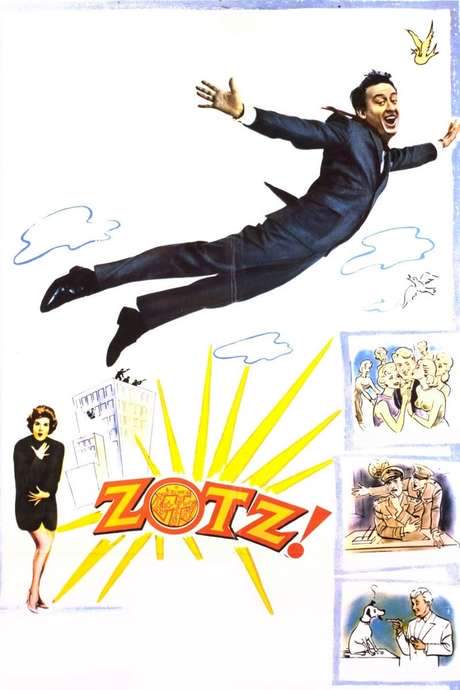
Zotz!
1962

Quasi
2023

The Bubble
2022

Medusa: Dare to Be Truthful
1991
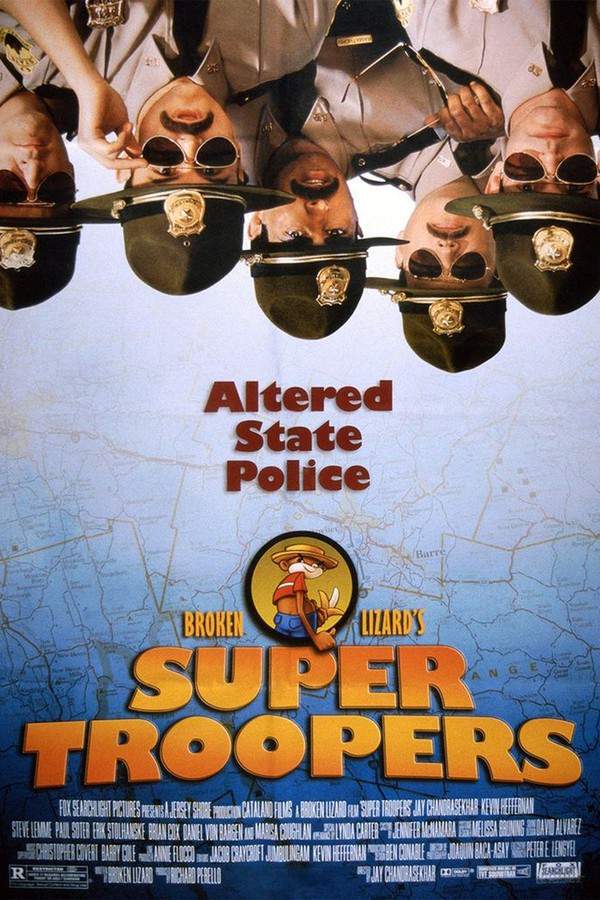
Super Troopers
2002
Narrative Summary
These stories often center on an outsider or reluctant participant thrust into an exaggerated subculture. The plot revolves around the clash between the over-the-top ideals of the art form and the protagonist's more grounded perspective, leading to chaotic and farcical situations.
Why These Movies?
This thread unites movies that share a specific comedic target: the inherent ridiculousness of intense subcultures. They thrive on high-energy, frantic pacing and a satirical mood, using absurdity to explore themes of artistic integrity, commercialism, and fan obsession.
Unlock the Full Story of Detroit Metal City
Don't stop at just watching - explore Detroit Metal City in full detail. From the complete plot summary and scene-by-scene timeline to character breakdowns, thematic analysis, and a deep dive into the ending - every page helps you truly understand what Detroit Metal City is all about. Plus, discover what's next after the movie.
Detroit Metal City Summary
Read a complete plot summary of Detroit Metal City, including all key story points, character arcs, and turning points. This in-depth recap is ideal for understanding the narrative structure or reviewing what happened in the movie.

Characters, Settings & Themes in Detroit Metal City
Discover the characters, locations, and core themes that shape Detroit Metal City. Get insights into symbolic elements, setting significance, and deeper narrative meaning - ideal for thematic analysis and movie breakdowns.


Similar Movies to Detroit Metal City
Discover movies like Detroit Metal City that share similar genres, themes, and storytelling elements. Whether you’re drawn to the atmosphere, character arcs, or plot structure, these curated recommendations will help you explore more films you’ll love.
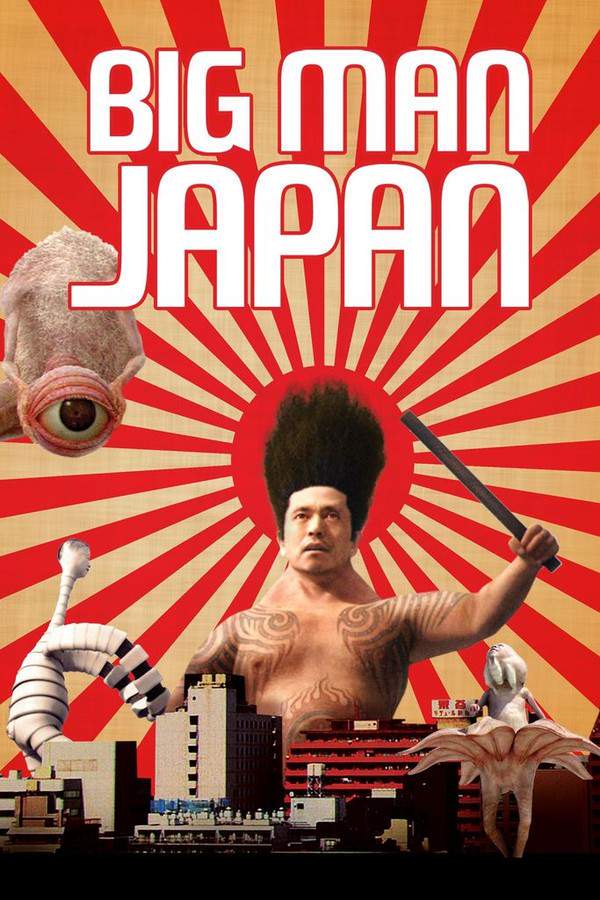
Big Man Japan
2009
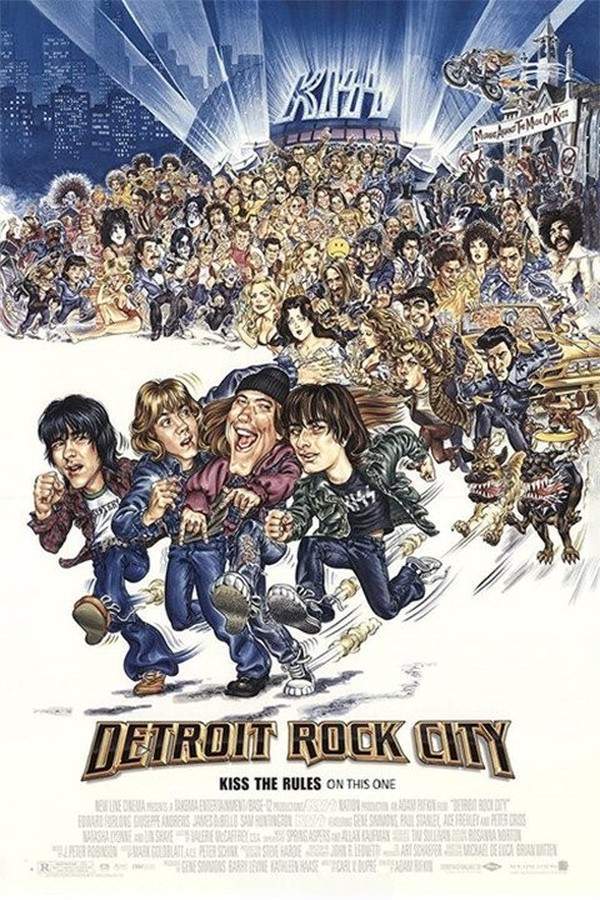
Detroit Rock City
1999
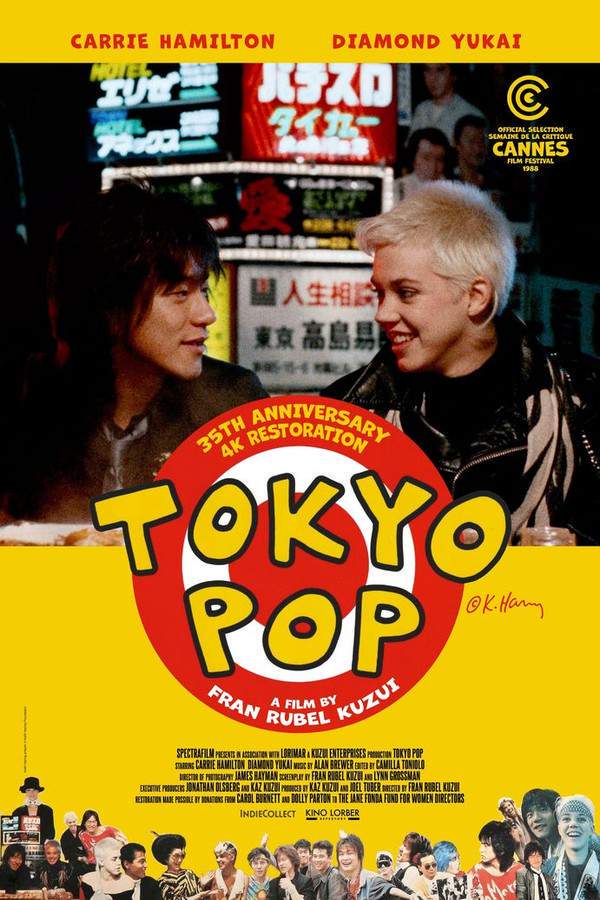
Tokyo Pop
1988
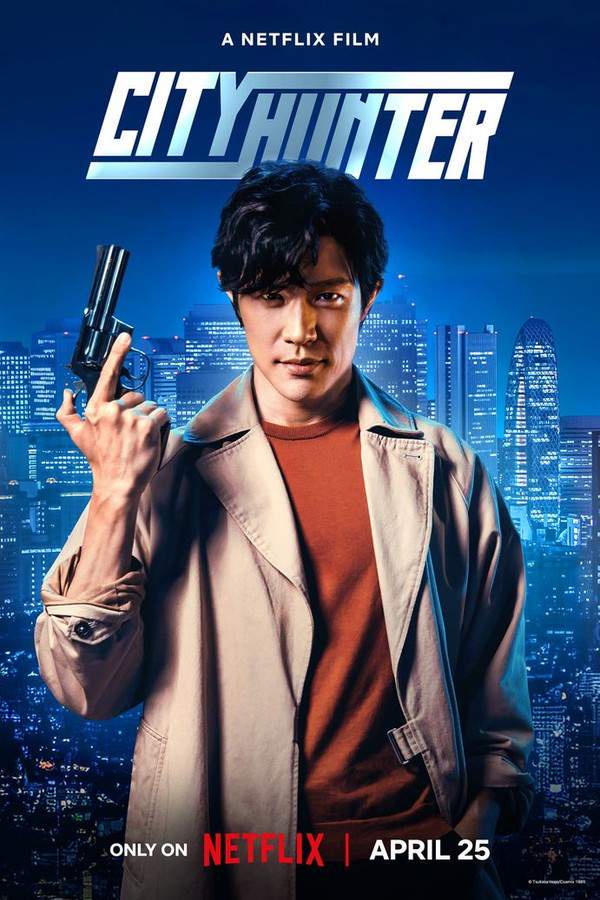
City Hunter
2024

Bakuman
2015

Doomed Megalopolis
1000

Roaring Fire
1981

Demon City Shinjuku
1988

The Tokyo Mighty Guy
1960

Full Metal Yakuza
1997

Doberman Cop
1977

Metal Messiah
1978

Dioxin from Fish!
1992

Detroit Metal City
1000

The Wicked City
1992
Explore More About Movie Detroit Metal City
Detroit Metal City (2008) Plot Summary & Movie Recap
Detroit Metal City (2008) Scene-by-Scene Movie Timeline
Detroit Metal City (2008) Spoiler-Free Summary & Key Flow
Movies Like Detroit Metal City – Similar Titles You’ll Enjoy
Big Man Japan (2009) Ending Explained & Film Insights
Detroit Rock City (1999) Film Overview & Timeline
Tokyo Pop (1988) Full Summary & Key Details
City Hunter (2024) Detailed Story Recap
Bakuman (2015) Detailed Story Recap
Doomed Megalopolis (1000) Film Overview & Timeline
Roaring Fire (1981) Full Summary & Key Details
Demon City Shinjuku (1988) Complete Plot Breakdown
The Tokyo Mighty Guy (1960) Ending Explained & Film Insights
Full Metal Yakuza (1997) Plot Summary & Ending Explained
Doberman Cop (1977) Ending Explained & Film Insights
Metal Messiah (1978) Complete Plot Breakdown
Dioxin from Fish! (1992) Detailed Story Recap
Detroit Metal City (1000) Complete Plot Breakdown
The Wicked City (1992) Plot Summary & Ending Explained