Plot Explained Spoilers guaranteed!
Plot Explained

Browse by genre

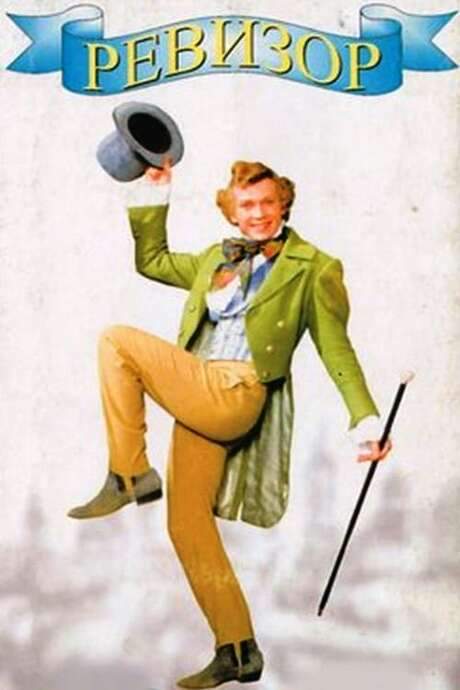
The Inspector-General (1952) movie poster

Plot Summary

The Inspector-General (1952) Plot Summary Explained

Release, runtime and language
1952 · 132 mins · Russian
Directed by
Vladimir Petrov
Starring
Alexander Polinsky, Ivan Ryzhov, Tamara Nosova, Anatoliy Kubatskiy, Elena Ponsova, Yuriy Tolubeev

Khlestakov, a flamboyant but penniless con man, arrives in a provincial Russian town where officials anxiously await a secret inspector from St. Petersburg. Mistaken for that envoy, he exploits the mistake, extorting bribes from the governor and courting both his wife and daughter, exposing the local corruption and hypocrisy until the genuine inspector finally appears.

On this page (5)
  1. 1 What happens: full plot
  2. 2 Plot questions answered
  3. 3 Movie threads
  4. 4 Movies like The Inspector-General
  5. 5 Every angle

Full plot summary · contains spoilers

What Happens in The Inspector-General: Full Plot Summary

The whole story of The Inspector-General (1952) explained, from the opening scene to the final frame: every key event, every twist and what it all adds up to. Read it as a quick recap before the sequel, to check a scene you missed, or to finally understand what really happened.

In a small provincial town, the mood is set for a quick, comic inspection of local government when Mayor Anton Antonovich Skvoznik-Dmukhanovsky Yuri Tolubeyev learns of a warning letter about a government inspector arriving incognito. The film stays faithful to Gogol’s satirical play, tracing how vanity, self-importance, and bureaucratic fear ripple through a town that chases appearances more than truth. The tension starts as a rumor, but the town’s officials quickly twist rumors into reality, preparing for a visit they fear they cannot survive.

Two landowners, Bobchinsky and Dobchinsky, while dining at an inn, encounter a man named Khlestakov Igor Gorbachyov and mistakenly identify him as the inspector. Their misidentification snowballs, as they rush to convince others and play up the appearance of authority. The supposed inspector is actually a low-level bureaucrat from St. Petersburg, traveling to Saratov with his servant Osip, who accompanies him in a tight spot after losing all their money in a card game. Stranded and unable to pay for lodging or meals, Khlestakov finds himself at the center of a town ready to treat him as a guest of honor, even as he remains a stranger to their troubles.

From the moment the mayor believes the traveler to be a figure of high rank, an elaborate charade unfolds. Khlestakov is invited on tours of the town’s establishments, treated to a lavish feast in his supposed honor, and welcomed into the mayor’s home. The newly crowned center of attention soon discovers the seductive power of flattery and status, reveling in the illusion of importance. His bold, improvisational charm grows more rampant as he realizes his audience’s eagerness to believe in his imagined prestige.

Emboldened by this social rise, Khlestakov embellishes his story, claiming to be a friend of the great poet Alexander Pushkin and, almost fantastically, a field marshal. He takes advantage of his moment in the sun, pursuing the mayor’s wife and the daughter, and he borrows over 1,000 rubles from the officials who are swept up in the illusion. The deceit moves at a gleeful pace until it reaches a tipping point: he promises to marry the mayor’s daughter before suddenly leaving town, an exit that recalibrates the town’s self-image with the blunt sting of reality.

The turning point arrives during a celebration for the engagement, when the postmaster delivers a letter from Khlestakov that exposes his true identity. The room, previously buzzing with pride, curdles into shock as the officials confront the consequences of their own credulity and vanity. Into this moment of upheaval steps the town’s sense of decorum, suddenly threatened by the imminent arrival of the actual government inspector from St. Petersburg. A gendarme announces the official arrival, and the film draws to a close with the mayor and his officials frozen in fear and awe, left to process the consequences of their own gullibility.

Throughout, the film leans into the sharp humor and social critique that Gogol laid out: a portrait of a community that polices appearances more than truth, where money and ambition blur moral lines, and where a single impostor’s ruse reveals broader truths about power and suspicion. The performances sketch a lively, satirical ecosystem—one that remains faithful to the spirit of the original text while inviting contemporary audiences to reflect on how easily authority can be stitched together from illusion, charm, and fear.

Last updated: October 05, 2025 at 11:10

Was this helpful?

Plot questions answered

The Inspector-General Plot Explained: Your Questions Answered

The questions people ask most about The Inspector-General (1952): what happens in the confusing scenes, why the characters do what they do, the twists, hidden details and what the ending means. Each answer contains spoilers.

Q1

Why did Bobchinsky and Dobchinsky think Khlestakov was the inspector?

Bobchinsky and Dobchinsky encountered Khlestakov at an inn and, eager for gossip and paranoia from the mayor's warning, immediately assumed he must be the inspector because he was a traveler from St. Petersburg. Their eagerness to please and fear of authority made them jump to conclusions without any real evidence.

Foreshadowing: The officials had just received a warning letter about an inspector arriving incognito, making them hypersensitive to any stranger.

  • bobchinsky
  • dobchinsky
  • mistaken identity
  • inn
  • traveler
Q2

How did Khlestakov manage to borrow over 1,000 rubles from the officials?

Khlestakov exploited the officials' belief that he was a powerful inspector by accepting their hospitality and flattering them. When he asked to borrow money, they readily agreed hoping to gain favor and avoid exposure of their own corruption, not realizing he was a penniless nobody.

Foreshadowing: The officials were already terrified of the inspector's potential discoveries about their corruption.

  • money
  • bribes
  • rubles
  • corruption
  • favors
Q3

Why did the mayor believe Khlestakov was the inspector so quickly?

The mayor had just received a warning letter about an incoming inspector and was desperate to prepare. When Bobchinsky and Dobchinsky reported seeing a man from St. Petersburg, the mayor wanted to believe it was true so he could control the narrative and appease the inspector before any real inspection occurred.

Foreshadowing: The warning letter created paranoia that made the mayor see what he feared most.

  • mayor
  • skvoznik-dmukhanovsky
  • belief
  • authority
  • paranoia
Q4

Why did Khlestakov promise to marry the mayor's daughter?

Caught up in the fantasy of his imagined importance, Khlestakov made the promise partly to keep the charade going and partly because he was courting both the wife and daughter simultaneously. The promise was another improvisation in his ever-expanding deception, with no real intention of following through.

Foreshadowing: His lies had been escalating throughout the film, from claiming to know Pushkin to claiming to be nearly a field marshal.

  • marriage promise
  • daughter
  • mayor
  • deception
  • flirtation
Q5

What did Khlestakov's letter reveal about his identity?

The letter, sent by Khlestakov from somewhere along his journey, revealed his true identity as a low-level bureaucrat from St. Petersburg who had simply been passing through. It exposed that he was never the inspector and that his entire story was an elaborate bluff.

Foreshadowing: The officials had been so eager to believe in his importance that they never verified his claims.

  • letter
  • postmaster
  • identity exposure
  • revelation
Q6

Why did the officials fear the real inspector's arrival after exposing Khlestakov?

The officials realized they had been completely fooled by a nobody and had given him money, access to their families, and exposed their corruption. Now the actual inspector from St. Petersburg was genuinely coming, and they had no time to cover up their misconduct or prepare their defenses.

Foreshadowing: Their fear of the inspector had been the entire reason they fell for Khlestakov's deception in the first place.

  • gendarme
  • announcement
  • fear
  • consequences
  • authority
Q7

Why did Khlestakov leave town so abruptly after the engagement?

Khlestakov's entire scheme was built on improvisation with no real plan. As the charade grew more complex and risky, he likely realized he could not sustain the deception any longer and chose to escape with his borrowed money before anyone could discover the truth.

Foreshadowing: He had already taken too much and the situation was becoming unsustainable.

  • departure
  • escape
  • abandon
  • deception end
Q8

What does the film reveal about the town's corruption?

The film shows how the officials' own guilt and corruption made them vulnerable to deception. Their panic about the inspector stemmed from their awareness of bribes, embezzlement, and malpractice. A single imposter could manipulate them precisely because they had so much to hide.

Foreshadowing: The warning letter itself acknowledged problems that needed covering up.

  • corruption
  • bureaucracy
  • gullibility
  • power
  • critique
Q9

Why were the officials so willing to believe Khlestakov's lies?

The officials were desperate to believe Khlestakov was the inspector because they needed to control the narrative and protect themselves. Their vanity and self-importance made them eager to associate with someone powerful, while their fear made them too timid to question or verify his claims.

Foreshadowing: The town's obsession with appearances over truth was established early in the film.

  • lies
  • belief
  • gullibility
  • vanity
  • social climbing
Q10

How was Khlestakov able to stay in town without money?

Khlestakov had lost all his money in a card game and could not pay his bill at the inn. However, the officials immediately began treating him as a VIP, paying for his accommodation, food, and lavish feasts. His penniless state actually made him more receptive to their hospitality and allowed the deception to begin.

Foreshadowing: His servant Osip accompanied him, confirming they were truly stranded.

  • penniless
  • inn
  • no money
  • card game
  • servant osip

Movie threads

More Movies Like The Inspector-General, by Mood & Story

Curated lists built around what makes The Inspector-General tick: the same mood, the same kind of story or the same emotional payoff. Each list explains why these movies belong together.

Satirical Farces of Mistaken Identity like The Inspector-General

Chaotic comedies where a simple case of mistaken identity spirals into absurdity. If you enjoyed the gleeful chaos of The Inspector-General, you'll love these movies where a case of mistaken identity fuels a satirical farce. Discover similar comedies featuring charming impostors, anxious officials, and hilarious exposés of social corruption.

  • farce-like
  • satirical
  • anxious
  • gleeful
  • absurd
  • exposing
  • Tone: light, satirical, gleeful
  • Pacing: fast, chaotic
Why these movies?

The story pattern: A narrative built on a fundamental misunderstanding, where a character, often a charming rogue, is thrust into a role they don't deserve. They must improvise and deceive to maintain the ruse, leading to escalating absurdity and ultimately exposing the flaws and follies of the world around them before the truth is revealed.

Why they belong together: These movies are grouped by their shared foundation in mistaken identity, which drives a light-toned, fast-paced, and satirical plot. They create a specific humorous vibe of anxious glee, blending social commentary with farcical situations and often ending with a mixed sense of comedic comeuppance.

Gleeful Exposés of Bureaucratic Corruption like The Inspector-General

Humorous stories that skewer the vanity and incompetence of officialdom. Looking for more movies like The Inspector-General that humorously critique corrupt officials? This selection features satirical comedies focused on exposing the vanity and hypocrisy within bureaucratic systems, delivering laughs alongside sharp social commentary.

  • satirical
  • critical
  • exposing
  • absurd
  • farce-like
  • anxious
  • Tone: satirical, critical, light
  • Pacing: fast, steady
Why these movies?

The story pattern: The narrative follows a catalyst—often an outsider, impostor, or naive newcomer—who enters a closed, self-important system. Their presence, whether intentional or accidental, disrupts the status quo and reveals the deep-seated corruption, vanity, and incompetence of those in charge, leading to their humorous downfall.

Why they belong together: These films share a core thematic focus on satirizing bureaucracy and authority figures. They maintain a light emotional weight despite the serious subject matter, using fast-paced, straightforward plots and a gleeful tone to expose systemic flaws without becoming heavy or preachy.

If you liked this

Movies Like The Inspector-General

Similar movies to The Inspector-General: the same genre, themes or kind of story. Each one comes with its own plot summary, timeline and ending explained.

Browse all movie summaries

Every angle

The Inspector-General (1952) Explained: Plot, Timeline & Characters

Everything about The Inspector-General in one place: what happens in the plot summary, the timeline in chronological order, the characters and meaning and a spoiler-free summary. What's After the Movie adds the cast, box office and post-credit scenes.

Coming soon on iOS and Android

The Plot Explained Movie Summary App

Plot summaries, endings explained and timelines on your phone. Catch up on any movie in minutes, save your favorites and never miss a twist again.

Be the first to know when we launch. Your email stays private, always.

Learn more about the app