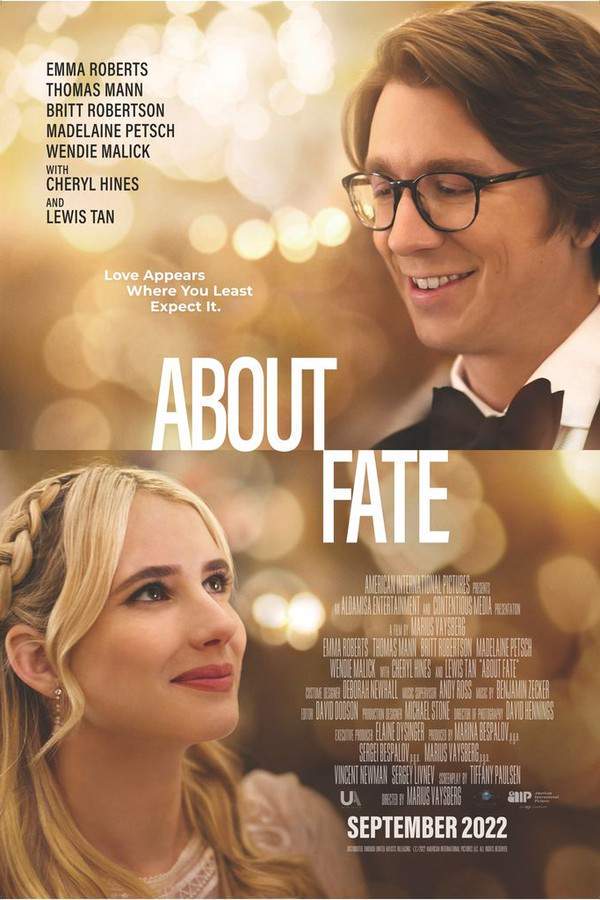
Tanya, a woman in her twenties, is at home busy getting dressed to meet Derek, a young man she has met twice. Her friend Richa flips through Derek’s pictures on social media and voices a sharp irritation that Tanya only seems to realize what she’s getting into after the two meetings. Tanya’s feelings flicker between doubt and a growing fondness for Derek, framed by a mix of excitement and unease about where this budding connection might lead.
As the two friends trade banter and suspicions, Derek phones to cancel the date, leaving Tanya hurt and unsettled. Richa tries to talk sense into her friend, urging caution and a step back, but Tanya’s impulse to even the score as a form of petty revenge grows louder. What starts as a harmless rebuke quickly spirals into something more calculated: Tanya engineers a plan to catfish Derek, spinning up multiple fake dating profiles and then failing to show up to encounters. The notion of pulling off one more prank lingers as a sense of mischief mingles with a genuine ache from the earlier rejection.
The idea intensifies when Tanya fabricates a new identity—a Russian model—and she lures Derek to a cafe located a four-hour drive away from where he sits. The next morning, Tanya and Richa stake out the cafe, a sly, almost clinical, act of surveillance as they watch Derek stand outside, nervously awaiting a meeting that will never happen. After some time, Derek, trying to step into the cafe, trips at the entrance. Tanya and Richa burst into laughter, amused by the clumsy stumble. Yet the moment shifts when a woman sitting diagonally across from him points out that he has a bleeding temple and offers a calm, quiet observation that his luck might be running thin.
Derek brushes the dust off and accepts the situation with a wry, almost resigned attitude. He asks his companion if he believes in luck, and his quiet, affirmative response—> I do—begins to ripple through the scene. The film cuts to a different horizon, where we see the same man at a beach, exchanging vows with the very woman who appeared to him in that unintended moment of connection. The wedding scene casts a new light on the earlier prank, hinting at a fate that diverges from Tanya’s plan and suggesting that Derek’s luck—and perhaps his lasting happiness—belongs to a path Tanya did not foresee.
Back in Tanya’s apartment, the mood shifts as she watches a video on her laptop: Derek and the mysterious woman, now clearly real to both audience and character, sealing their bond with a ceremony that seems almost cinematic in its certainty. The final frames linger on Tanya’s face as she folds the laptop shut, the implications settling like a quiet dusk. The film ends with Tanya confronting the reality that the arc she tried to shaping through manipulation has taken on a course of its own, leaving her to process the echoes of a prank that may have altered more than she intended.
This story moves through the tension between curiosity, loneliness, and the impulse to control outcomes in the digital age. It explores how a single impulsive act—meant to sting a rejected interest—can spiral into a revelation about desire, fate, and the unpredictable ways people find each other. The closing image invites reflection on the nature of luck and connection, leaving Tanya with a mirrored lesson: sometimes the life that unfolds is not the one you plot, but the one you witness and learn to accept.