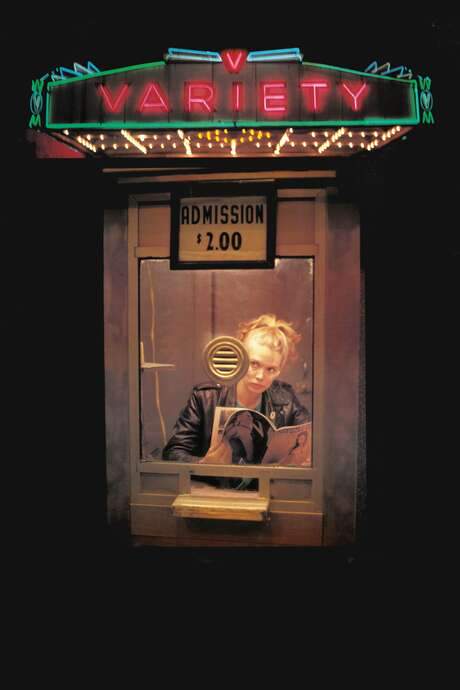
Year: 1977
Runtime: 95 mins
Language: Persian
Director: Parviz Sayyad
A young woman lives with her mother on a cul‑de‑sac. Each day she notices a solitary man standing at the street’s edge, staring into her window. As his quiet presence becomes a daily rhythm, she grows accustomed to him, the strange bond deepening until she eventually falls in love with the enigmatic stranger.
Warning: spoilers below!
Haven’t seen Dead End yet? This summary contains major spoilers. Bookmark the page, watch the movie, and come back for the full breakdown. If you're ready, scroll on and relive the story!
Read the complete plot breakdown of Dead End (1977), including all key story events, major twists, and the ending explained in detail. Discover what really happened, and what it all means.
In Tehran, a young girl, a recent high school graduate, shares a small house on a quiet dead-end street with her Mother. Her days drift between helping at home and studying for the university entrance exam, while the room fills with love songs she plays and the soft ache of longing for something more than her routine.
Alone in her room, she imagines a romance that could break the monotony of her days and softly drifts into thoughts of an ideal partner, letting hope tint the ordinary with a touch of possibility.
A handsome and mysterious man begins to appear in the margins of her life, always following, always waiting outside her window. Encouraged by her best friend, she convinces herself that this man is her admirer, and she falls for the idea with a blend of curiosity and yearning.
Their first real encounter unfolds in a local cafe, where the mysterious man asks about Brother. After this moment—and once he realizes that her brother does not live with them—the man ceases his quiet presence on the street, leaving the girl to wonder about what might have been.
One day, when her political activist brother is visiting, the man drops by their home. The girl, hopeful that this visit might bring news of a proposal, dresses in a wedding gown and applies makeup in anticipation of good news.
But the moment of truth arrives with a sudden commotion: the girl runs to the courtyard and sees the man, who is a government agent, Parviz Bahador taking away her brother. The scene marks a stark turning point, as the intimate dreams she nurtured collide with a chilling reality.
Last updated: February 18, 2026 at 23:46
Explore frequently asked questions about Dead End (1977) with spoiler-rich answers covering the full plot summary, major story beats, character motivations, hidden details, and ending meaning. This movie summary FAQ helps explain confusing scenes, plot twists, and narrative decisions in clear, searchable detail.
The man asks about her brother because he is actually a government agent investigating political activists. Once he learns the brother does not live with them, he loses interest in the girl as an informant's family member and stops his surveillance on the street. His inquiry reveals his real purpose was gathering intelligence on the brother, not genuine romantic interest.
Earlier scenes show the girl dreaming of romance while the man silently watches from the street, establishing a false narrative that contrasts with his true intentions.
After learning the brother does not live at the house, the man ceases his surveillance because his target was the activist brother, not the girl herself. His romantic presence was a cover for gathering information about the family's connection to political dissidents. Once he confirms the brother is not living there, he has no reason to continue watching her.
The man's persistent yet silent presence suggests something other than ordinary attraction from the beginning.
The man, Parviz Bahador, is a government agent sent to monitor and eventually apprehend the girl's brother, who is a political activist. His romantic surveillance was a disguise to gather intelligence on the family. He uses the pretense of romantic interest to observe the household without raising suspicion.
The mysterious man's consistent, silent watching creates an underlying tension that hints at something other than attraction.
The man returns specifically to arrest the activist brother. He knows the brother has come home and uses the opportunity to capture him. The timing appears coincidental to the girl because she interprets his visit through her romantic fantasies, but it is actually a planned operation to detain the political dissident.
The man's earlier inquiry about the brother at the cafe reveals he was tracking his movements all along.
The brother is a political activist involved in opposition to the Iranian government. This is why the authorities are watching the family and why the agent specifically targets him. His activism places the entire household at risk and explains the government's interest in their home.
The mother's concern and the brother's secretive visits hint at dangerous political involvement.
The girl believes the man's visit means he has come to propose marriage. Her best friend had convinced her that the mysterious watcher was her secret admirer, and she has nurtured this romantic fantasy throughout the story. She dresses in her wedding gown and applies makeup, desperately hoping for the proposal she imagined would rescue her from monotony.
Her daily dreams of an ideal man and love songs playing in her room establish her desperate need for romantic escape.
The government agent takes the brother away in custody, ending the film with a stark demonstration of state power. The girl discovers that the man she believed was her admirer is actually there to arrest her brother. Her romantic hopes are shattered as her family faces the threat of losing a member to political imprisonment.
The courtyard commotion and her rush outside build tension toward this devastating revelation.
The dead-end street represents the girl's trapped existence in a repressive society. Her life is confined to her small home, studies, and domestic duties, with no meaningful outlets or escape. The mysterious man appears at this literal dead end, suggesting her limited options and the illusion of romantic rescue as her only perceived way out.
The opening establishes her isolated, repetitive routine on this quiet street as the foundation of her yearning.
The girl rushes to the courtyard upon hearing the commotion and witnesses the man she believed was her admirer revealing himself as a government agent. Her romantic fantasies collapse instantly as she watches him take her brother away. The scene marks a sharp transition from naive hope to harsh disillusionment, completing her emotional arc from dreaming to bitter reality.
Her wedding gown and makeup contrast painfully with the chaos of the arrest, highlighting the tragic gap between her dreams and reality.
Discover curated groups of movies connected by mood, themes, and story style. Browse collections built around emotion, atmosphere, and narrative focus to easily find films that match what you feel like watching right now.
Where quiet tension builds into psychological dread through isolated observation.If you liked the tense, observational quality of Dead End, explore more movies where quiet tension builds psychological dread through isolation and surveillance themes.
These narratives typically follow isolated characters who become increasingly aware of being watched or trapped, with tension escalating through subtle changes in daily routines rather than dramatic events.
They share a commitment to psychological realism, using slow pacing and careful observation to create deeply unsettling experiences that feel both personal and politically resonant.
When romantic fantasies collide with devastating political or personal truths.If you appreciated how Dead End explores romantic fantasy meeting harsh truth, discover more films where idealized love crashes against political or psychological reality.
These films follow protagonists who construct elaborate romantic narratives as escape mechanisms, only to discover their illusions serve darker purposes or mask oppressive systems.
They share a specific emotional trajectory from romantic hope to disillusionment, using romance as a lens to explore broader political or psychological themes.
Don't stop at just watching - explore Dead End in full detail. From the complete plot summary and scene-by-scene timeline to character breakdowns, thematic analysis, and a deep dive into the ending - every page helps you truly understand what Dead End is all about. Plus, discover what's next after the movie.
Track the full timeline of Dead End with every major event arranged chronologically. Perfect for decoding non-linear storytelling, flashbacks, or parallel narratives with a clear scene-by-scene breakdown.
Discover the characters, locations, and core themes that shape Dead End. Get insights into symbolic elements, setting significance, and deeper narrative meaning - ideal for thematic analysis and movie breakdowns.