In a quiet Massachusetts town around 1970, an unemployed carpenter decides to try his hand at art theft, operating under the belief that it’s not a crime if you avoid detection. He meticulously plans his first major heist, but when unforeseen complications arise, his carefully constructed world begins to fall apart, leading him down a dangerous path.
Warning: spoilers below!
Haven’t seen The Mastermind yet? This summary contains major spoilers. Bookmark the page, watch the movie, and come back for the full breakdown. If you're ready, scroll on and relive the story!
Read the complete plot breakdown of The Mastermind (2025), including all key story events, major twists, and the ending explained in detail. Discover what really happened—and what it all means.
In 1970, in the town of Framingham, a down-on-his-luck carpenter named JB Mooney hatches a risky plan to steal four Arthur Dove paintings from the local art museum. Motivated by financial strain and a stubborn taste for something bigger than ordinary life, he borrows money from his parents and then borrows more from his wife’s family under the pretense of funding work. With that seed money, he enlists two partners, Guy Hickey and Ronnie Gibson, to pull off the heist. The trio makes it to the museum, where the theft unfolds with tense precision: Gibson unloads a gun on a student not far from a homework assignment and a security guard is overpowered, while the others act in concert to take the paintings.
Back home, the audacious act is immediately front-page enough to provoke a chilling reaction from J.B.’s family. He proudly displays one stolen canvas in his living room, only to pull it down again after his father, a respected judge, openly questions the thieves’ ambition and the whole enterprise seems to spiral into a larger moral drama. A makeshift plan forms as J.B. constructs a shipping container for the paintings and stashes them in the loft of a barn, yet the household atmosphere grows heavy with suspicion as local police and the FBI question every member of the Mooney clan. The investigation tightens when Gibson names J.B. as the mastermind during a bank-robbing arrest, a claim J.B. vehemently denies while struggling to protect his family.
Facing exposure, J.B. asks his furious wife to take their boys, Carl Mooney and Tommy Mooney, to his parents’ house. Yet the close bond of the family is tested when Tommy balks at leaving, complicating the expulsion from their fragile domestic circle. A crucial turning point comes when Guy Hickey calls to press for more money, and a later meeting with J.B. and Tommy turns out to be a trap: an organized crime outfit abducts J.B. and forces him to reveal the paintings’ precise location. The revelation thrusts J.B. into a precarious limbo, where he must choose between loyalty to old friends and the escalating danger surrounding the stolen art.
As the net tightens, J.B. escapes into hiding with two old friends from art school, Maude and Fred. While Fred seems exhilarated by the escapade, Maude intuits a deeper calculation: J.B.’s scheme might have been designed to use a familiar professor—an admirer of Dove—as a fence to move the paintings. Maude’s confrontation with J.B. is candid and practical; she urges him to leave, while he hesitates, torn between old loyalties and a safer path. He rejects a suggestion from Fred to lay low at his brother’s Toronto commune, choosing instead to press on toward Cleveland to stay with other friends. The plan falters when he learns those friends have already left town, forcing him to hitchhike his way toward Cincinnati.
The paintings themselves have a terse arc of their own, eventually turning up back at the museum, which leaves J.B. to reckon with the consequences of his actions. He reaches out to Terri, trying to rationalize everything and request money, but her dismissal is swift—she hangs up. With finances strained and the road ahead unclear, J.B. faces a final, stark choice: he cannot afford the bus fare to Toronto, and in a last-ditch scramble, he pockets an elderly woman’s purse and blends into a crowd of antiwar protesters. The rally erupts in chaos, the police crack down, and J.B. finds himself jailed in the back of a police van along with other protesters, a stark end to a plan built on ambition, frailty, and the unraveling of a family.
Last Updated: December 04, 2025 at 15:32
Discover curated groups of movies connected by mood, themes, and story style. Browse collections built around emotion, atmosphere, and narrative focus to easily find films that match what you feel like watching right now.
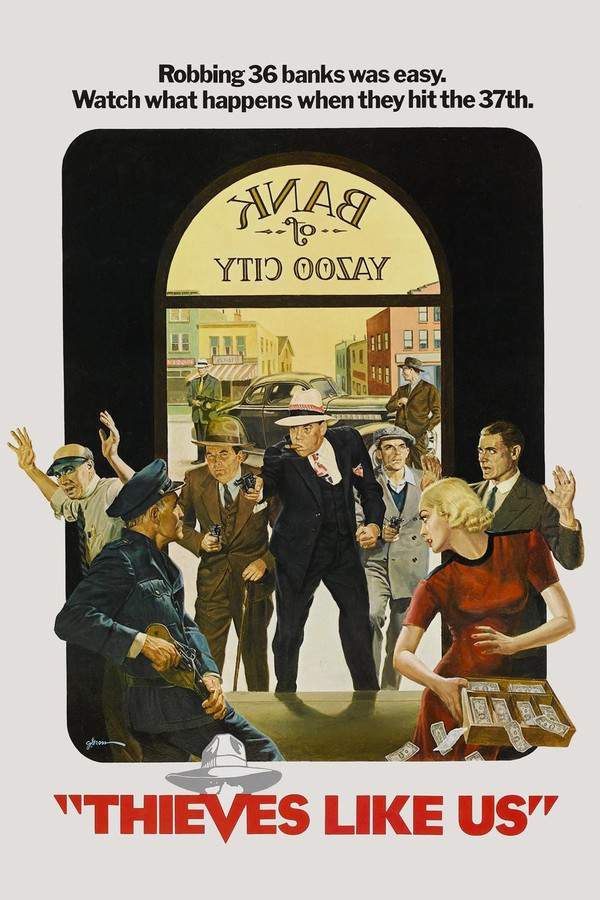
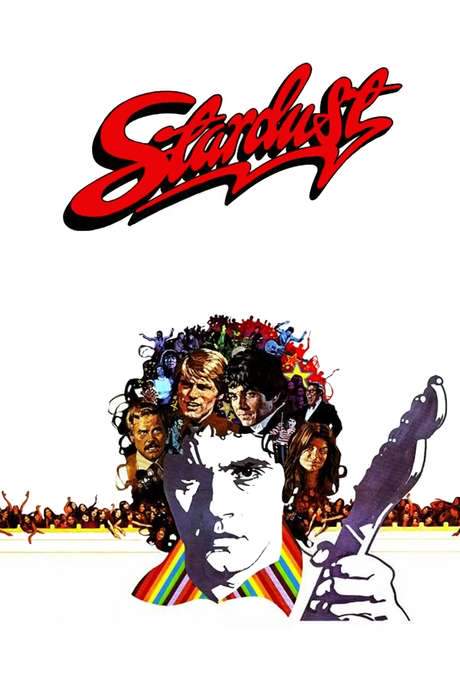
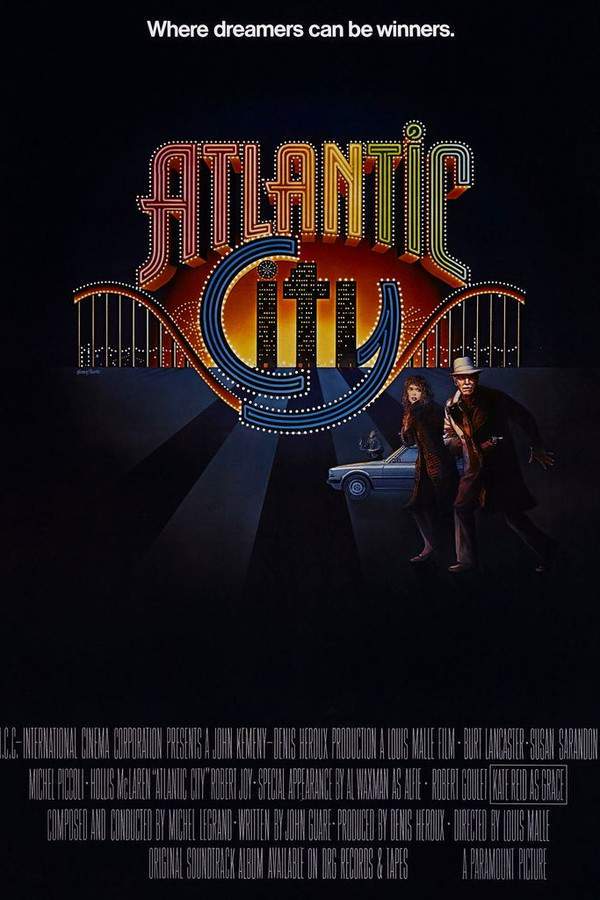
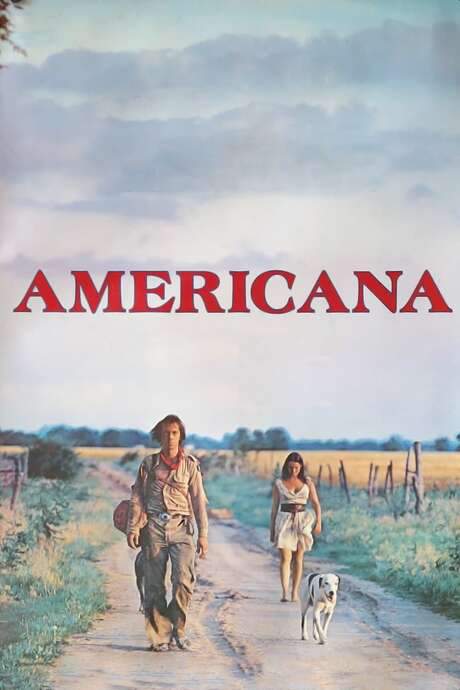
Stories of desperate, small-time criminals undone by their own ambition.If you liked watching the protagonist's life crumble in The Mastermind, discover other movies about desperate amateurs whose criminal plans lead to lonely, bleak endings. These similar crime drama stories capture the melancholy of a steady, irreversible downfall.
Narratives in this thread typically follow a linear, cause-and-effect structure where a protagonist's misguided decision to commit a crime sets off a chain of complications. The focus is less on the thrill of the act and more on the psychological and social disintegration that follows, culminating in a loss of everything they held dear.
These movies are grouped by their shared tone of melancholy and desperation, a steady pacing that emphasizes the grim inevitability of consequences, and a central theme of a flawed individual's moral and personal collapse. They offer a sobering look at crime and its human cost.
Character-driven crime stories set against the bleak backdrop of 1970s America.Fans of The Mastermind's 1970s setting and gritty realism will find more movies like it here. Discover similar character-driven crime stories that capture the tense, melancholic mood of America in the 70s, where desperation leads to bleak consequences.
Stories in this thread often use a straightforward narrative to anchor the viewer in a specific time and place. The era itself acts as a character, with its economic anxieties and social transitions fueling the protagonist's desperate actions and contributing to the overall sense of a world in decay.
These films are connected by their immersive 1970s American setting, a gritty and melancholic visual and emotional tone, and a focus on crime stemming from desperation rather than ambition. They share a medium intensity and a grounded, realistic approach to storytelling.
Don't stop at just watching — explore The Mastermind in full detail. From the complete plot summary and scene-by-scene timeline to character breakdowns, thematic analysis, and a deep dive into the ending — every page helps you truly understand what The Mastermind is all about. Plus, discover what's next after the movie.
Track the full timeline of The Mastermind with every major event arranged chronologically. Perfect for decoding non-linear storytelling, flashbacks, or parallel narratives with a clear scene-by-scene breakdown.
Discover the characters, locations, and core themes that shape The Mastermind. Get insights into symbolic elements, setting significance, and deeper narrative meaning — ideal for thematic analysis and movie breakdowns.
Get a quick, spoiler-free overview of The Mastermind that covers the main plot points and key details without revealing any major twists or spoilers. Perfect for those who want to know what to expect before diving in.
Visit What's After the Movie to explore more about The Mastermind: box office results, cast and crew info, production details, post-credit scenes, and external links — all in one place for movie fans and researchers.