

Plot Explained Spoilers guaranteed!
Plot Explained

Browse by genre

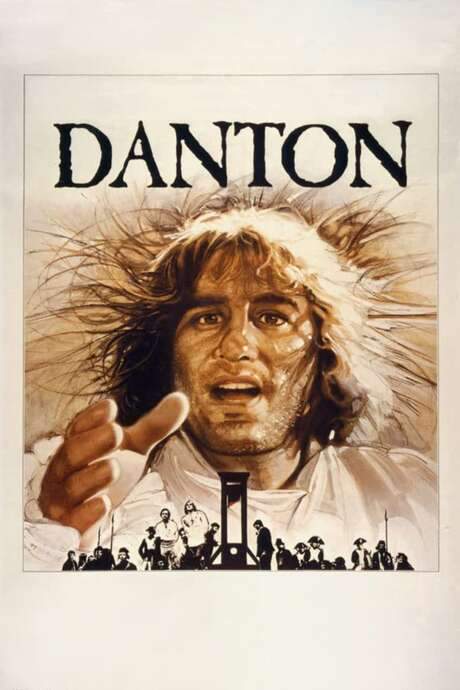
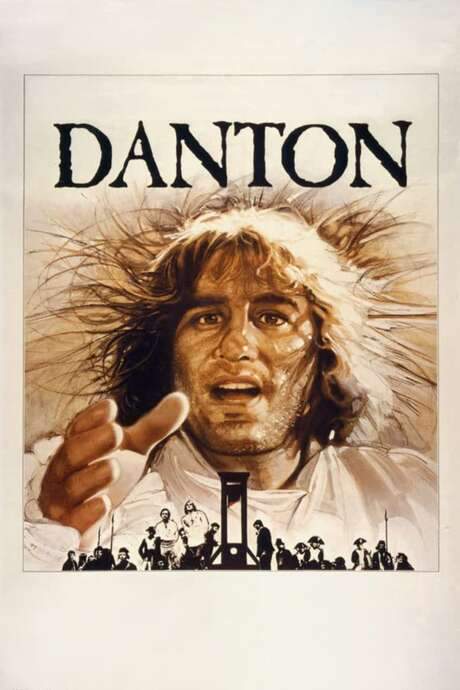
Danton (1983) movie poster

Timeline

Danton (1983) Timeline Explained – Every Event in Order

Release, runtime and language
1983 · 136 mins · French
JustWatch #9,076 10
Directed by
Andrzej Wajda
Starring
Jerzy Trela, Marek Kondrat, Angela Winkler, Gérard Depardieu, Andrzej Seweryn, Anne Alvaro

By 1793, former revolutionary allies Danton and Robespierre stand opposed: Robespierre now rules France, imposing the Reign of Terror through mass executions. Danton, a beloved spokesman of the people, returns from the countryside to Paris to challenge the brutality and demand citizens’ rights. In response, Robespierre orders Danton and his allies’ arrest and execution.

On this page (6)
  1. 1 Where to watch
  2. 2 Events in order (15)
  3. 3 Timeline questions answered
  4. 4 Movie threads
  5. 5 Movies like Danton
  6. 6 Every angle

Where to watch

Where to Watch Danton (1983)

Where can you watch Danton? Stream, rent or buy it in the US: current JustWatch availability with up-to-date prices.

Streaming availability powered by JustWatch

15 events in order · contains spoilers

Danton Timeline: Events in Chronological Order

Every key event of Danton (1983) in order, scene by scene, with when and where it takes place. Use it to untangle flashbacks, time jumps and parallel storylines, to refresh your memory before the sequel or to find the exact scene you are thinking of.

  1. Danton returns to Paris amid popular acclaim

    Danton arrives back in Paris in the cold spring of 1794 and is greeted by hungry, dispirited crowds who hail him as a hero. Robespierre watches from his flat as the people's praise for Danton sharpens the political rift between them. The scene establishes the mounting tension between personal loyalties and revolutionary power.

    When
    Spring 1794
    Where
    Paris streets
  2. Robespierre orders Desmoulins' print shop destroyed

    From his flat, Robespierre instructs Héron to destroy Desmoulins' printing operation, where pro-Danton circulars are being published. The move demonstrates Robespierre's willingness to suppress Danton's influence. The action heightens the sense that political combat is being fought with censorship and force.

    When
    That day
    Where
    Robespierre's flat, Paris
  3. Saint-Just urges Danton's execution

    While Robespierre is attended by his barber, Saint-Just urges him to have Danton guillotined. Robespierre resists, arguing that he does not wish to see his former ally erased. The exchange signals the personal and political conflict simmering within the leadership.

    When
    That day
    Where
    Robespierre's room
  4. Committee of Public Safety presses for Danton's elimination

    Robespierre attends a meeting of the Committee of Public Safety where other members push for the removal of Danton. He hesitates, aware of Danton's popularity with ordinary people. The committee's pressure pushes Robespierre toward a decisive move against his rival.

    When
    That day
    Where
    Committee of Public Safety
  5. Coup discussions with Westermann; Bourdon denounces Héron

    Before the National Convention's sitting, General Westermann discusses a coup with Danton, who disapproves and bets on popular support instead. He asks Bourdon to denounce Héron, leading to Héron's arrest. The episode showcases the volatile alliances shaping the crisis.

    When
    Before the National Convention session
    Where
    Paris political circles
  6. Danton hosts Robespierre; gruesome dinner ends with a street encounter

    That night, Danton invites Robespierre to an elaborate private dinner, hoping to sway him with wine and persuasion. Robespierre refuses to join the scheme, and as he leaves, Danton encounters armed men who are part of Westermann's coup plans and again declines to join them. The moment underscores how factions and loyalties fracture at all levels.

    When
    That night
    Where
    Private room of a Paris restaurant
  7. Robespierre confronts Desmoulins; Desmoulins' wife pleads

    Robespierre visits Desmoulins, who is furious about his destroyed print shop and refuses to listen to him. Desmoulins' wife pleads for her husband to live, hoping Robespierre can still be persuaded. Robespierre leaves empty-handed as the personal and political consequences deepen.

    When
    That night
    Where
    Desmoulins' home
  8. Arrest warrants issued for Danton and associates

    Robespierre returns to the Committee of Public Safety and orders a warrant for the arrest of Danton, Desmoulins, Westermann and several associates. The action marks a turning point as the political alliance fractures become legal jeopardy. The arrests provoke outrage and fear within the revolutionary leadership.

    When
    That night
    Where
    Committee of Public Safety
  9. Danton accepts arrest to protect the people

    Danton agrees to be arrested, choosing not to inflame further bloodshed and trusting that his oratory and the people's affection will offer protection. Bourdon, now aligned with Robespierre, helps shift the balance of support. The scene moves the actors toward a dramatic trial.

    When
    That night
    Where
    Paris
  10. National Convention reacts to the arrests

    The National Convention meets in the morning, outraged by the arrests and the threat to republican order. Robespierre defends the actions by labeling Danton an enemy of the Republic. Bourdon's switch in allegiance strengthens Robespierre's grip on power.

    When
    Next day morning
    Where
    National Convention
  11. Trial begins before the Revolutionary Tribunal

    In the Revolutionary Tribunal, the trial of Danton, Desmoulins and their allies opens amid the irregularities of hastily arranged proceedings. Danton's interruptions irritate the prosecutor Fouquier, who laments the lack of solid grounds for conviction. The trial reveals how politics and legal process have been fused for political ends.

    When
    That day
    Where
    Revolutionary Tribunal
  12. Decree to silence dissent; verdict read the next day

    On the day after the trial, Fouquier informs Robespierre that Danton's interruptions have turned the proceedings into a farce. Robespierre issues a decree that anyone who speaks out of turn will be removed from court, and the accused are soon bundled out as the guilty verdict is read. The verdict seals the political fate of the defendants.

    When
    Next day
    Where
    Revolutionary Tribunal
  13. Danton's despair on the eve of execution

    The day before their execution, Danton sinks into depression, not fearing death but lamenting that he has not truly served the people. His confidence wanes as he confronts the collapse of his revolutionary project. The mood in the prison chamber is heavy with impending catastrophe.

    When
    Day before execution
    Where
    Prison cell
  14. The condemned go to the scaffold

    Danton, Desmoulins, and Westermann are paraded through silent crowds to the scaffold and guillotined. Robespierre's long-held tension fractures into shock, and Saint-Just urges him toward dictatorship. Robespierre recoils, declaring that dictatorship would destroy democracy and that the Revolution's noble ideals have been fatally compromised.

    When
    Execution day
    Where
    Guillotine, Paris
  15. Robespierre contemplates dictatorship as ideals erode

    The film ends on Robespierre's horror at the possibility of becoming a dictator, recognizing that such power would erase the revolution's democracy. Saint-Just's provocations underscore a dangerous turn toward authoritarian rule. The Declaration's ideals are shown as irreversibly compromised in the wake of the executions.

    When
    After the executions
    Where
    Paris

Last updated: October 09, 2025 at 14:29

Was this helpful?

Timeline questions answered

Danton Timeline Explained: Your Questions Answered

When does it happen, and why in that order? The questions people ask about the chronology of Danton (1983): time jumps, flashbacks, cause and effect between scenes and the correct order of events, each answered with spoilers.

Q1

Why does Robespierre hesitate to have Danton executed?

Robespierre hesitates because Danton remains popular with ordinary people. Even though the Committee of Public Safety presses for Danton's elimination and Saint-Just urges immediate action, Robespierre fears that executing his former ally could destabilize the Republic and provoke public unrest. His hesitation reflects the tension between political necessity and personal loyalty.

Foreshadowing: Earlier scenes show Robespierre watching Danton return to Paris and observing the people's acclaim for him, foreshadowing this political calculation.

  • robespierre
  • danton
  • execution
  • hesitation
  • committee of public safety
Q2

Why does Bourdon switch sides and support Robespierre?

Bourdon switches sides because he calculates that Robespierre's faction is gaining power and that resisting would endanger his own survival. When the arrest warrants are issued, Bourdonaligns himself with Robespierre, helping shift the balance of support in the National Convention. His change demonstrates how political opportunism drives allegiances during the Terror.

Foreshadowing: Before the Convention, Bourdon agrees to denounce Héron at Danton's request, establishing his initial alignment before his later reversal.

  • bourdon
  • robespierre
  • betrayal
  • arrest
  • political alliance
Q3

Why does Danton refuse to join Westermann's coup?

Danton refuses to join Westermann's coup because he believes his popularity and his newspaper will protect him from harm. He trusts that the people's affection for him and his oratory skills are enough to counter Robespierre's moves. This confidence in the power of public support over illegal force becomes a critical character trait that ultimately leads to his downfall.

Foreshadowing: Danton's return to Paris is met with thunderous public acclaim, reinforcing his belief that the people will shield him.

  • danton
  • westermann
  • coup
  • refusal
  • popular support
Q4

Why is Danton so confident he won't be executed?

Danton believes his popularity with the masses and his reputation as a revolutionary hero will save him. He expects his oratory and the people's affection to protect him from the scaffold. This confidence leads him to accept arrest willingly rather than flee or incite uprising, thinking the trial will prove his innocence and expose Robespierre's tyranny.

Foreshadowing: The opening scenes establish Danton as a beloved spokesman of the people who returns to Paris to thunderous public acclaim.

  • danton
  • confidence
  • execution
  • trial
  • popularity
Q5

Why is Camille Desmoulins arrested alongside Danton?

Desmoulins is arrested because he is Danton's close ally and publisher of Le Vieux Cordelier, which circulated pro-Danton material. When Robespierre destroys Desmoulins' print shop, it fuels Desmoulins' fury and opposition. Robespierre attempts to persuade Desmoulins that Danton is using him, but Desmoulins rejects this. Consequently, both men are included in the arrest warrants.

Foreshadowing: Robespierre orders Héron to destroy Desmoulins' print shop, directly triggering the conflict that leads to Desmoulins' arrest.

  • desmoulins
  • arrest
  • danton
  • print shop
  • le vieux cordelier
Q6

What is the decree that silences Danton during his trial?

When Danton's constant interruptions threaten to turn the trial into a farce, Fouquier-Tinville informs Robespierre that the proceedings are collapsing. Robespierre then issues a decree that anyone who speaks out of order will be removed from court. Under this decree, the accused are literally bundled out as the guilty verdict is read, eliminating any chance of defense.

Foreshadowing: Throughout the trial, Danton's interruptions frustrate the prosecutors and threaten the appearance of due process.

  • trial
  • decree
  • silence
  • revolutionary tribunal
  • danton
Q7

Why does Robespierre reject Saint-Just's call for dictatorship?

After the executions, Saint-Just urges Robespierre to establish a dictatorship, but Robespierre recoils in horror. He recognizes that becoming a dictator would destroy the very democracy the Revolution claimed to defend. This moment represents the tragic irony of the Reign of Terror: the leader who oversaw mass executions ultimately rejects absolute power because it would betray the revolution's ideals.

Foreshadowing: Throughout the film, Robespierre's justifications center on protecting the Republic and revolutionary ideals.

  • robespierre
  • saint-just
  • dictatorship
  • rejection
  • democracy
  • ideals
Q8

Why does Robespierre ignore Lucile Desmoulins' plea for her husband's life?

Robespierre visits Desmoulins' home in an attempt to turn him against Danton, but Desmoulins refuses to listen. Lucile Desmoulins pleads for her husband's life, but Robespierre leaves empty-handed. Rather than being swayed by her emotional appeal, he returns to the Committee and issues the arrest warrant. His political calculus overrides personal appeals.

Foreshadowing: Lucile's earlier plea to her husband for calm foreshadows her desperate appeal to Robespierre.

  • lucile desmoulins
  • plea
  • robespierre
  • arrest
  • wife
Q9

Why is Héron arrested after Bourdon denounces him?

Danton asks Bourdon to denounce Héron and the secret police in the National Convention. This political move rattles the balance of power and leads to Héron's arrest. The denunciation represents Danton's strategy of using political channels to counter Robespierre's repression, rather than resorting to the coup that Westermann proposes.

Foreshadowing: Héron previously destroyed Desmoulins' print shop, making him a target for Danton's political counterattack.

  • heron
  • bourdon
  • arrested
  • denunciation
  • secret police
Q10

Why does Danton's dinner with Robespierre fail to resolve their conflict?

Danton invites Robespierre to an elaborate dinner hoping to sway him through persuasion and wine. However, Robespierre refuses to eat and the conversation remains candid and tense. After Robespierre leaves, Danton encounters armed men from Westermann's coup plot but again refuses to join them. The dinner fails because neither man can compromise their political position.

Foreshadowing: The dinner occurs against the backdrop of escalating political tension following the print shop destruction and committee pressures.

  • danton
  • robespierre
  • dinner
  • negotiation
  • political conflict
Q11

How are the revolution's ideals shown as compromised by the film's end?

The film ends with the ideals of the French Revolution profoundly compromised. After Danton and his allies are executed, a child recites the Declaration of the Rights of Man and of the Citizen, a haunting reminder of noble promises. Robespierre's rejection of dictatorship comes too late, his own actions have already hollowed out the revolution's democratic ideals through mass executions and political repression.

Foreshadowing: The opening establishes the Reign of Terror's brutality, with scarce bread and rain-soaked queues symbolizing the gap between revolutionary promises and reality.

  • revolution
  • ideals
  • compromised
  • declaration
  • ending
  • betrayed
Q12

What causes Danton's despair on the eve of his execution?

On the eve of execution, Danton sinks into depression not from fear of death, but from lamenting that he has not truly served the people he sought to champion. He contemplates his failure to protect the ordinary citizens who greeted him with such hope. This moment reveals his deeper concern was always for the people, not his own survival.

Foreshadowing: The opening scene shows Danton returning to Paris driven by concern for citizens who hunger not just for bread but for a voice they can trust.

  • danton
  • despair
  • execution
  • depression
  • people
  • failure

Movie threads

More Movies Like Danton, by Mood & Story

Curated lists built around what makes Danton tick: the same mood, the same kind of story or the same emotional payoff. Each list explains why these movies belong together.

Claustrophobic political dramas like Danton

Intense stories of ideological rivals trapped in a system of their own making. For viewers seeking movies like Danton, this collection features intense, dialogue-driven historical and political dramas. These films capture the grim, oppressive feel of power struggles where the setting becomes a prison and ideological battles end in personal tragedy.

  • tense
  • oppressive
  • grim
  • claustrophobic
  • somber
  • unsettling
  • Tone: tense, bleak, oppressive
  • Pacing: steady, deliberate
Why these movies?

The story pattern: These narratives often follow two figures who were once united by a common cause but are now pitted against each other by the logic of the revolution or system they helped build. The conflict is internal to the power structure, creating a sense of inescapable doom as personal loyalties clash with political necessity.

Why they belong together: Movies in this thread share a high-intensity, tense tone and a steady, deliberate pacing that builds towards a bleak conclusion. They are united by their focus on political martyrdom, the corruption of idealism, and the claustrophobic atmosphere of a regime turning on its founders.

Movies about tragic idealism like Danton

Sobering stories about the personal cost when noble principles collide with brutal reality. If you liked Danton's story of a revolutionary leader facing execution, this list includes similar movies about the martyrdom of ideals. These are heavy dramas exploring the personal downfall of figures who are betrayed by the cause they once embodied.

  • somber
  • melancholic
  • grim
  • heavy
  • tragic
  • unsettling
  • Tone: somber, melancholic, bleak
  • Pacing: steady, character-driven
Why these movies?

The story pattern: The narrative pattern follows a passionate idealist who gains influence but ultimately finds their principles are no match for the cynical machinations of power. Their journey is a downward spiral from popularity to persecution, culminating in their symbolic or literal sacrifice, which highlights the failure of their original dream.

Why they belong together: These films are grouped by their heavy emotional weight, bleak endings, and exploration of themes like betrayal and compromised ideals. They share a somber, melancholic mood and a steady pacing that allows the tragedy of the protagonist's fate to fully resonate with the viewer.

If you liked this

Movies Like Danton

Similar movies to Danton: the same genre, themes or kind of story. Each one comes with its own plot summary, timeline and ending explained.

Browse all movie summaries

Every angle

Danton (1983) Explained: Plot, Timeline & Characters

Everything about Danton in one place: what happens in the plot summary, the timeline in chronological order, the characters and meaning and a spoiler-free summary. What's After the Movie adds the cast, box office and post-credit scenes.

Coming soon on iOS and Android

The Plot Explained Movie Summary App

Plot summaries, endings explained and timelines on your phone. Catch up on any movie in minutes, save your favorites and never miss a twist again.

Be the first to know when we launch. Your email stays private, always.

Learn more about the app