Year: 1933
Runtime: 61 mins
Language: English
Director: Edgar G. Ulmer
His life of debauchery brought disease to his wife! An extramarital affair leads to a young couple contracting venereal disease.
Warning: spoilers below!
Haven’t seen Damaged Lives yet? This summary contains major spoilers. Bookmark the page, watch the movie, and come back for the full breakdown. If you're ready, scroll on and relive the story!
Explore the full timeline and setting of Damaged Lives (1933). Follow every major event in chronological order and see how the environment shapes the story, characters, and dramatic tension.
Last updated: February 20, 2026 at 00:04
Meet the key characters of Damaged Lives (1933), with detailed profiles, motivations, and roles in the plot. Understand their emotional journeys and what they reveal about the film’s deeper themes.
Last updated: February 20, 2026 at 00:04
Explore the central themes of Damaged Lives (1933), from psychological, social, and emotional dimensions to philosophical messages. Understand what the film is really saying beneath the surface.
Last updated: February 20, 2026 at 00:04
Browse frequently asked questions about Damaged Lives (1933) focused on characters, relationships, themes, symbols, setting, and story context. This movie info FAQ gives spoiler-aware explanations for character arcs, world details, and thematic interpretation so readers can better understand what the film is really about.
Damaged Lives is a 1933 drama that explores the devastating consequences of an extramarital affair. When a young couple engages in a casual sexual encounter, they contract syphilis, and the film follows how this life-changing disease affects their marriage, unborn child, and social standing. The story serves as a stark cautionary tale about infidelity and sexually transmitted diseases in the 1930s.
The film centers on four interconnected themes: love and consequences, where impulsive decisions ripple into trust and marriage issues; disease and stigma, exploring how illness can redefine reputations; medical hope, showing that syphilis can be treated with proper care; and double standards, critiquing societal hypocrisy around sexuality and responsibility.
Syphilis serves as both the central plot catalyst and a source of social commentary. The film uses the disease to explore how illness can destroy reputations and relationships. Characters face moral judgments from peers and fear of what others will think, while doctors reassure that treatment can restore normal life, offering a contrast to the surrounding moral panic.
Elise Cooper is the escort involved in the casual encounter that sets the film's events in motion. She learns she has syphilis and ultimately takes her own life. Her fate underscores the precarious position of women in the 1930s moral economy, where women faced harsher judgment than men for the same transgressions.
Laura Hall is the central female character tied to the film's protagonist through marriage or partnership. She faces the devastating revelation that the illness affects her unborn child and must navigate both emotional turmoil and social judgment. Her storyline represents the innocent party caught in the consequences of her partner's actions.
Dr. Vincent Leonard serves as the medical voice of reason in the film. As a medical professional, he provides clinical judgment and advises characters on diagnosis and treatment options when they confront syphilis. He embodies the film's theme of medical hope, emphasizing that awareness and proper care can lead to recovery.
Donald Bradley Sr. is a powerful corporate boss whose pressure on a junior executive sparks the central affair. His position highlights the workplace dynamic where ambition and personal risk intersect with consequences for personal lives. He represents the authoritative figure whose choices ripple outward, affecting those beneath him in the corporate hierarchy.
The double standards theme explores how society judges sexuality differently based on gender. While the couple grapples with guilt over the affair, their friends and social circle impose harsh judgments and expectations. The film critiques the gap between private desire and public opinion, showing how women faced harsher consequences than men for similar behavior.
Yes, the film introduces medical knowledge and treatment pathways as a central element. Doctors reassure characters that syphilis can be treated, emphasizing that awareness and proper medical care can restore normal life. The narrative frames medical intervention as a path back from distress, offering a contrast to the moral panic surrounding the disease.
Released in 1933, Damaged Lives arrived during a period when syphilis was heavily stigmatized and rarely discussed openly in mainstream media. The film was notable for addressing venereal disease directly, using personal stakes to explore how illness can redefine relationships and reputations. It reflected contemporary anxieties about sexuality, marriage, and medical science's ability to treat previously incurable diseases.
The film adopts a dark and serious tone, focusing on the devastating consequences of casual sexual encounter. The emotional weight is heavy as characters grapple with shame, anger, and suicidal ideation. The ending offers a bittersweet resolution, not happy, but a hesitant acceptance of treatment and a possible path forward, albeit scarred. The narrative serves as a stark cautionary tale about the dangers of infidelity and sexually transmitted diseases.
Discover curated groups of movies connected by mood, themes, and story style. Browse collections built around emotion, atmosphere, and narrative focus to easily find films that match what you feel like watching right now.
Stories where a single transgression unravels a life of stability.If you were gripped by the moral unraveling in Damaged Lives, explore other movies where a character's decisions lead to irreversible consequences, exploring themes of guilt, regret, and the high cost of transgression.
These narratives typically begin with a character in a state of normalcy or contentment. A critical mistake—infidelity, a crime, a lie—sets off a domino effect, exposing hidden vulnerabilities and societal pressures. The plot follows the inevitable downward spiral, forcing the protagonist to confront the ruin they have caused.
Movies are grouped here because they share a core structure of cause-and-effect moral decay. They create a heavy, anxious mood through a steady, deliberate pacing that allows the consequences to fully sink in. The tone is uniformly dark and serious, focused on the psychological toll of the character's actions.
Stories that find a sliver of hope after profound tragedy.If the hesitant hope at the end of Damaged Lives resonated with you, discover other films that balance heavy emotional weight with a bittersweet resolution, where characters find a way to endure after facing immense hardship.
The journey in these films is defined by a major crisis that shatters the characters' world. The majority of the story deals with the raw fallout, grief, and struggle. The ending provides a subtle shift, not a reversal of fortune, but a quiet acknowledgment of the pain and a tentative step toward a new, altered reality.
This thread unites movies that share a specific emotional arc: from devastation to a guarded, complex resolution. They are defined by their high emotional weight and a tone that blends dark realism with a glimmer of resilience. The pacing is steady, allowing the audience to feel the full weight of the tragedy before the nuanced conclusion.
Don't stop at just watching - explore Damaged Lives in full detail. From the complete plot summary and scene-by-scene timeline to character breakdowns, thematic analysis, and a deep dive into the ending - every page helps you truly understand what Damaged Lives is all about. Plus, discover what's next after the movie.
Read a complete plot summary of Damaged Lives, including all key story points, character arcs, and turning points. This in-depth recap is ideal for understanding the narrative structure or reviewing what happened in the movie.
Track the full timeline of Damaged Lives with every major event arranged chronologically. Perfect for decoding non-linear storytelling, flashbacks, or parallel narratives with a clear scene-by-scene breakdown.
Discover movies like Damaged Lives that share similar genres, themes, and storytelling elements. Whether you’re drawn to the atmosphere, character arcs, or plot structure, these curated recommendations will help you explore more films you’ll love.
Damaged Lives (1933) Plot Summary & Movie Recap
Damaged Lives (1933) Scene-by-Scene Movie Timeline
Damaged Lives (1933) Spoiler-Free Summary & Key Flow
Movies Like Damaged Lives – Similar Titles You’ll Enjoy
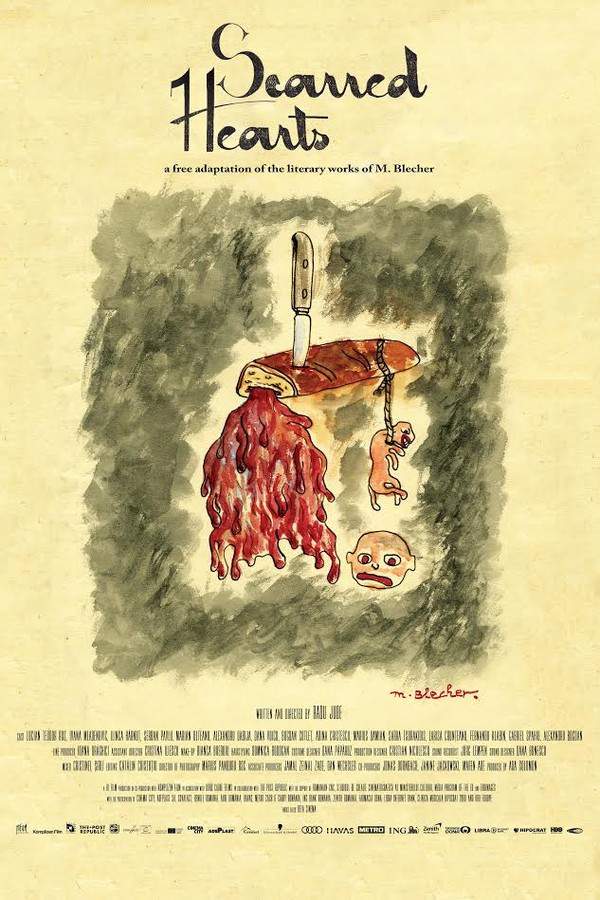
Scarred Hearts (2018) Story Summary & Characters
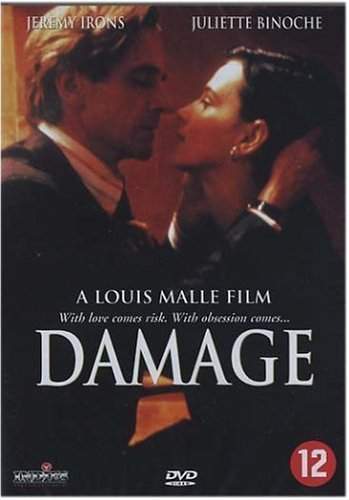
Damage (1993) Spoiler-Packed Plot Recap
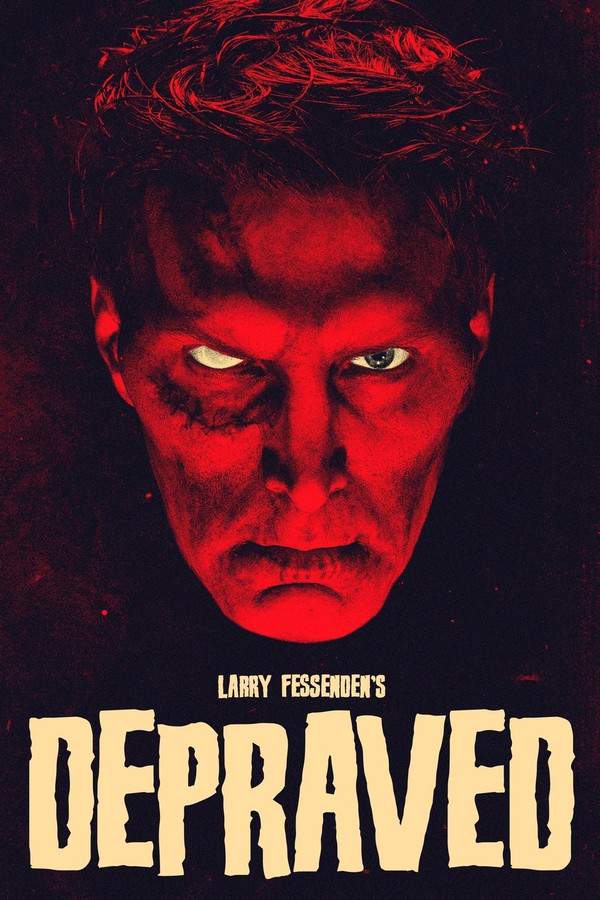
Depraved (2019) Plot Summary & Ending Explained
Damned Summer (2017) Complete Plot Breakdown
The Cool Lakes of Death (1982) Spoiler-Packed Plot Recap
Damnation (1988) Story Summary & Characters
Grievous Bodily Harm (1988) Ending Explained & Film Insights
Damned City! (1954) Detailed Story Recap
Doctor Glas (1968) Plot Summary & Ending Explained
Damned If You Don’t (1987) Detailed Story Recap
33 Scenes from Life (2008) Full Summary & Key Details
Damaged Goods (1937) Story Summary & Characters
Sex Madness (1938) Full Summary & Key Details
Bandaged (2009) Full Summary & Key Details
The Depraved (1957) Detailed Story Recap