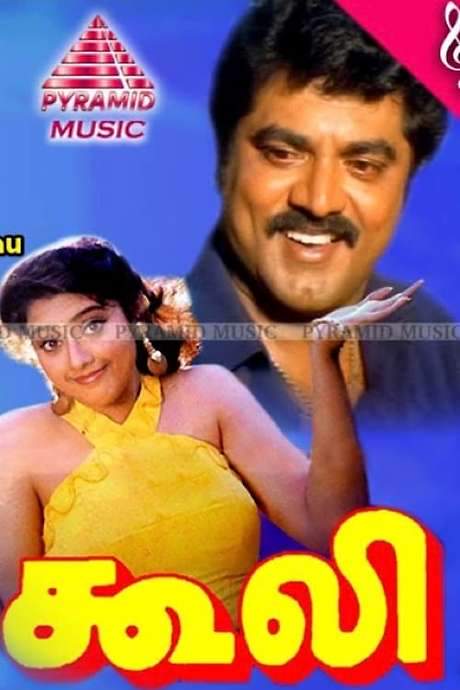
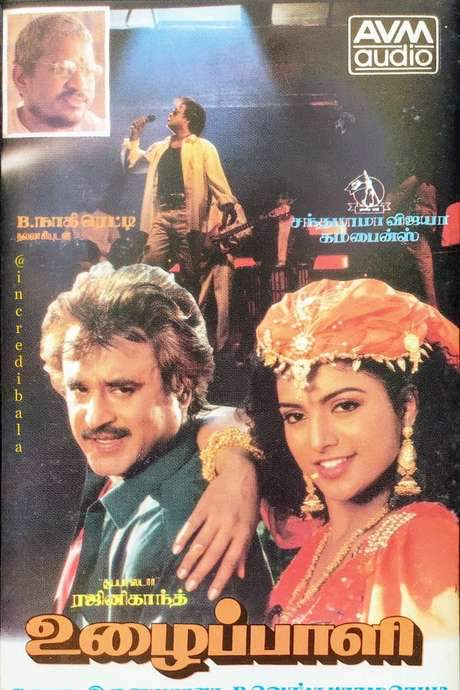
Radha Ravi portrays Loganathan, a wealthy factory owner who relies on money and influence to keep the workers in check. To blunt protests, he secretly bribes the union’s top leader, ensuring that salary talks tilt in his favor. Yet during negotiations, the union chief pretends to advocate for the workers while secretly answering to Loganathan, a manipulation that sets the stage for a tense power struggle.
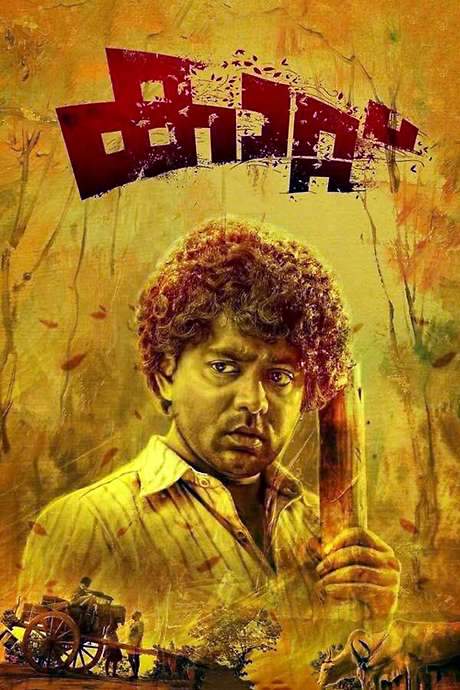
R. Sarathkumar steps into the shoes of Karna, a factory worker who rallies his colleagues around a fairer deal and ascends to become the new union leader. Karna’s rise is buoyed by the respect of his peers, who see in him a principled voice for fair pay and safer work conditions. His leadership marks a turning point in the factory’s chronic dispute with the owner.
Karna’s sister is a close friend of Vimala, Meena, Loganathan’s daughter, and Vimala admires Karna’s character. This familial link deepens the tension between the employer and the union, as personal loyalties collide with the fight for dignity at work. Loganathan, sensing the growing influence of Karna, attempts to sway him by hosting a party, gifting new clothes, and offering a car—gestures that are meant to soften Karna’s stance. But Karna rejects the pampering, discarding the clothes and wrecking the car, stating clearly that he would rather remain poor than compromise the factory workers’ fair treatment.
Loganathan’s son, who is aligned with him in business, falls in love with Karna’s sister, and the couple marries with Loganathan’s blessing. He sends his son to Mumbai to pursue business ventures, while Karna’s sister—now a strict businesswoman herself—leans into a hard-edged approach at home, keeping Karna at arm’s length and complicating family dynamics. Loganathan then deceives Karna’s sister, claiming he has cancer and needs money for treatment, a lie that strains family trust and accelerates shifts in the household’s balance of power.
Meanwhile, Karna and Vimala wed in defiance of Loganathan’s wishes, a union that solidifies Karna’s resolve and cements Vimala’s faith in his integrity. The newlyweds’ decision escalates the conflict, placing Vimala squarely in the middle of the owner’s schemes to maintain control over the factory.
Karna’s sister later suspends him for a day after he accidentally flips the wrong switch, causing a temporary halt in production. This misstep becomes a flashpoint that allows a rival worker—co-opted by Loganathan—to speak against Karna, framing the conflict as a personal betrayal rather than a principled stand for workers’ rights. The tainted narrative weakens Karna’s hold on the workers, who begin to doubt his motives.
The owner’s plan grows darker as he plots to burn the factory to trigger an insurance payout. The truth surfaces when a fights-within-the-workforce participant reveals Loganathan’s scheme, exposing the crisis behind the facade of industrial harmony. In a dangerous twist, Loganathan collaborates with the old union leader to murder Karna, hoping to silence the rising challenger once and for all. The old union leader, however, has his own score to settle with Loganathan, having been jailed earlier and feeling betrayed by the owner’s promises of help.
The confrontation reaches Loganathan’s home, where the old union leader attacks him and a jeep runs over Loganathan’s legs. Karna arrives in time to intervene and rescue his adoptive father figure, turning the tide of the confrontation and preventing a second tragedy from unfolding.
In the aftermath, Loganathan is left wheelchair-bound but morally transformed. The experience softens his heart and reconciles his relationship with Karna, culminating in Loganathan’s acceptance of Karna’s marriage to Vimala. The house and the factory settle into a new rhythm, built on a fragile but hopeful truce between labor and management, with a renewed emphasis on fairness and humanity in the workplace.
There is also a notable musical moment to spot: Nagendra Prasad makes a special appearance in the song "Ye Rammu Rammu," adding a lively interlude to the film’s emotional arc.