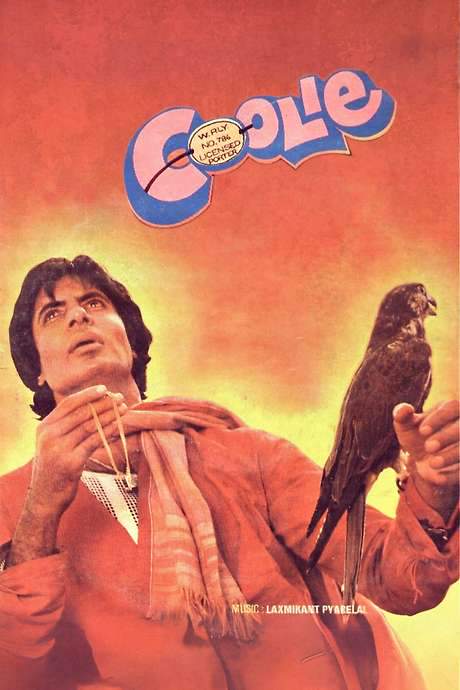
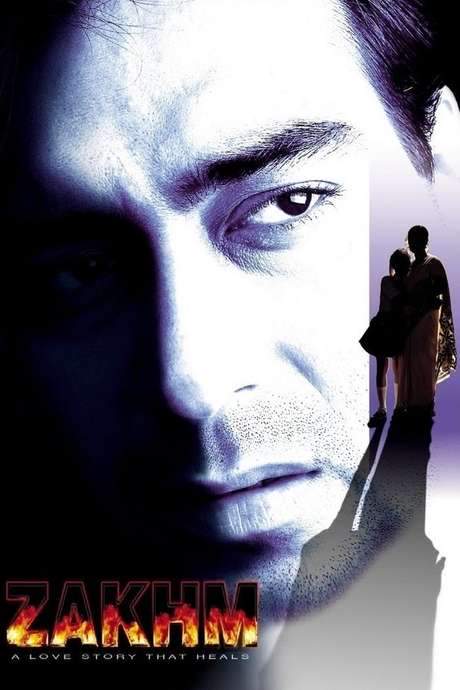
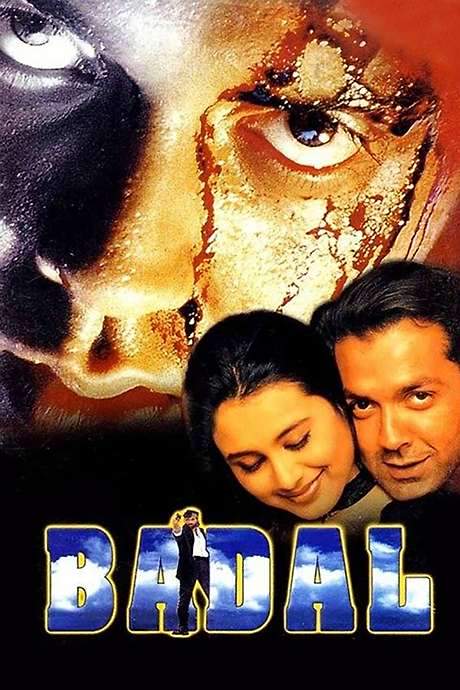
In 1953, Kader Khan Zafar Khan, a man of great wealth and a darker conscience, sets his sights on Waheeda Rehman Salma and pushes for marriage, even as Salma and her father stand firm in rejecting his advances. Zafar’s criminal past catches up with him, and after a string of offenses, he is imprisoned for ten years. When he is finally released, he discovers that Salma has moved on with a good man, Iqbal Khan. Enraged, Zafar murders Salma’s father and hatches a brutal plan to destroy her life. He floods the region where Salma lives, a catastrophe that nearly takes the life of Aslam Khan and leaves Salma with a fractured memory while tearing away her connection to her young son, Sunny.
On a crowded railway platform, a desperate Iqbal tries to chase Salma as she boards a train, but the moment slips away. In the wake of the disaster, Zafar not only abducts Salma but also manipulates public perception, declaring her his wife to the world. He even adopts an infant from Kanpur, a boy named Sunny, at the suggestion of a psychiatrist, with Salma expected to raise him as her own. Meanwhile, Iqbal’s uncle—who has lost his wife and son in the flood—begins to raise Iqbal as his own, despite their fragile family history and the new life they must build. In the depths of this upheaval, Iqbal and his uncle forge a bond born from necessity, and Iqbal pledges to become his uncle’s right arm as they move forward together.
Two decades pass. Iqbal has grown into a bold, charismatic leader among the local coolies, helming a social force that commands attention and respect. A tense clash with a man named Mr. Puri spirals into a blow that lands Iqbal behind bars, only to see him freed the same day. He channels the incident into a sweeping labor strike that brings the station to a standstill, drawing the attention of Sunny, a young reporter who chronicles the upheaval. While interviewing Sunny, Iqbal glimpses a photograph of Sunny’s mother and discovers with a jolt that she is Salma—his long-lost love and mother of Sunny.
Driven by a renewed determination, Iqbal returns to Salma’s home in an effort to reclaim the life they once shared. Yet Salma does not recognize him, a shock that drives Zafar into a white-hot fury. His henchmen, masquerading as police, brutalize Iqbal, and they subject Salma to psychiatric treatment aimed at erasing her memories. Sunny threatens to publish Zafar’s crimes in the papers if Salma is not returned, adding political pressure to the personal vendetta. Amid the chaos, Iqbal and Sunny grow closer; Iqbal finds love again with Rati Agnihotri Julie D’Costa, while Sunny rekindles a romance with his childhood sweetheart, Shoma Anand Deepa Iyengar. Meanwhile, Aslam—who has spent years unjustly imprisoned—finally gets released, and Julie comes to understand that Aslam was not responsible for her father’s murder; she learns instead that Zafar was the real conspirator behind the tragedy.
As a corrupt banking and housing scheme unravels, the coolies press their case, and a dramatic confrontation with Zafar escalates. Salma returns to the scene at a pivotal moment during an election standoff between the communist workers led by Iqbal and Zafar’s capitalist faction. Her testimony about Zafar’s crimes reopens old wounds and shakes the foundation of his power. In a surprising turn, the crowd spots an elderly man who is revealed to be Iqbal’s father, Aslam, and the birthmark on Sunny confirms that Sunny is indeed the son he believed he had lost in the flood. The family is finally reunited, a moment that infuriates Zafar and drives him to desperation.
In a brutal pursuit through the alleyways and rooftops, Iqbal and Sunny chase Zafar and his remaining criminals, with casualties along the way. Mr. Puri dies of a heart attack from the stress, and Vicky meets a grim end when he is knocked from a car and crushed by an oncoming truck. The climactic pursuit ends at the sacred Haji Ali Dargah, where a flying shroud settles on Iqbal’s chest, a sign of divine protection as he confronts Zafar. He mouths part of the azaan with every shot he takes, his faith and resolve carrying him forward. In a final act of defiance, Iqbal pushes Zafar from the parapet, killing him, before collapsing into his mother’s arms.
As the dust settles, people from all faiths come together to pray for Iqbal’s recovery. The wounds from years of betrayal and violence begin to heal as the community cheers his survival and the family’s reunion—an ending that underscores the film’s message of resilience, memory, and the enduring power of hope.
Note: This summary preserves key character names and plot turns, and uses actor links for the first mention of each principal character. If you’d like any adjustments to tone or pacing, I can tailor it further.