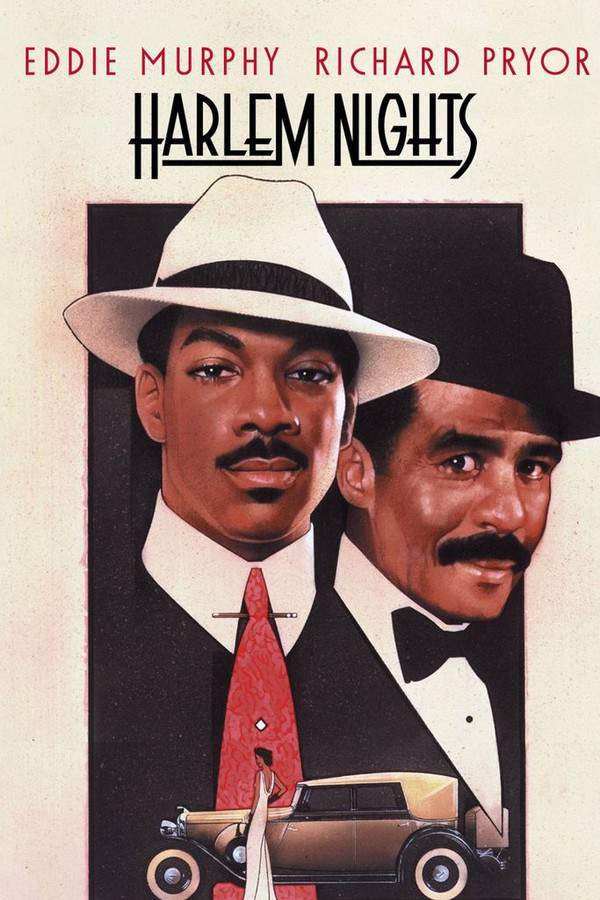
In Harlem, a string of strange murders rattles the neighborhood and baffles two seasoned detectives, Coffin Ed Johnson and Grave Digger Jones. The crimes stand out not for their gore but for a chilling calling card left at every scene: a blue steel straight razor. This razor isn’t just a weapon—it’s a troubling symbol tied to local lore about a vigilante who once tried to cleanse the streets of crime. As the case unfolds, the legend of Charleston Blue—who vanished years ago after clashing with powerful figures—reappears in whispers, and the idea of his comeback casts a long shadow over the investigation.
The mystery deepens as the razor becomes a missing item. With the blades vanishing and evidence pointing toward a suspect, attention shifts to Joe Painter, a local photographer who has begun dating Carol, the beloved niece of Caspar Brown. Joe Painter Peter De Anda seems to be orchestrating something larger than a simple vendetta, and his relationship with Carol adds a personal stake to the crime spree that has unsettled Harlem. The case tightens as the detectives chase a trail that blurs the line between personal grudges, neighborhood loyalty, and Old World legends.
Carol’s connection to Caspar Brown, a mafia errand boy played by Caspar Brown Maxwell Glanville, drags the investigation into the violent world of organized crime that quietly runs through the neighborhood. The uneasy alliances between small-time operators and larger criminal networks paint a picture of Harlem that is both intimate and dangerous. The detectives must navigate this maze of family ties, romantic entanglements, and criminal schemes to understand who is really pulling the strings behind the murders.
As Joe enlists the help of a group of brothers and invokes the spirit of Charleston Blue, Johnson and Jones begin to suspect that the plan isn’t what it first appears to be. What seems like a straightforward attempt to oust criminals from the area gradually reveals itself as part of a more complex plot—one that uses fear, myth, and a shared history of violence to mask a deeper motive. The investigation becomes a study in deception, where every ally might be hiding a motive and every clue could be a decoy.
Throughout the story, Harlem itself feels like a character, its night streets and crowded corners shaping the pace and mood of the pursuit. The two detectives operate with method and grit, chasing leads through tenement stairwells, dimly lit storefronts, and the whispered rumors that coil around the razor’s legacy. The tension remains high as the narrative interweaves crime, legend, and personal loyalty, forcing the investigators to question not only who committed the murders but why the razor’s legacy refuses to die.
In the end, the unraveling mystery hinges on who truly understands the cost of reviving a vigilante’s brand of justice. The truth about Joe Painter’s plan—its hidden aims, its real beneficiaries, and the extent to which it mirrors or corrupts Charleston Blue’s infamous past—comes to light through careful deduction, street-smarts, and a willingness to confront Harlem’s longest-held myths. The result is a story that stays grounded in its era and setting while maintaining a steady, neutral tone that lets the characters’ choices and the city’s atmosphere speak for themselves.