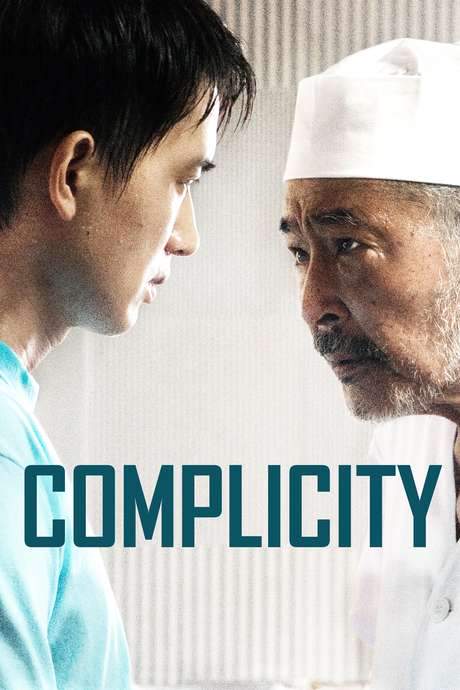
In Flushing, a bustling corner of Queens, a young undocumented immigrant named Robert toils in a Sichuan restaurant, earning a low wage while sending money back to his parents in Hong Kong. The film follows his quiet, relentless effort to find stability in a country that promises opportunity but often withholds it from outsiders like him. As he eyes the path to citizenship, he calculates a possible route: marry an American woman. Though he starts with hesitation, he becomes determined to find someone who will marry him for a green card, even as that plan tugs at his conscience.
Meanwhile, Robert pours energy into presenting a hopeful picture of his life in America to his family through letters that gloss over the harder realities of his day-to-day existence. These letters paint a version of success and security back home, masking the strain of his precarious status and the sacrifices he makes just to keep things afloat. On the floor of the restaurant, a fellow waiter named Sam falls deeper into debt, crafting a risky solution by pocketing communal tips to cover his own financial shortfalls. The atmosphere is tight, the stakes are personal, and every choice feels magnified by the shadow of immigration status.
Among the restaurant’s regulars are two young customers—a white man and his Asian-American girlfriend—who linger with a casual ease that contrasts with Robert’s careful, guarded world. Their presence becomes a lens through which he measures belonging and desire, glimpsing a different kind of life that seems tantalizingly close yet out of reach. Robert’s sympathetic boss, Mr. Lee, understands the business pressures of slow times, and he explains that sponsoring a worker like Robert could come with heavy tax penalties and a lengthy process—potentially five years—before any green card could be granted. The math of legality and the pull of a hopeful future weigh heavily on everyone.
To move his plan forward, Robert lets his street-smart friend Andy set him up with a shy white woman named Claire. The arrangement starts with practicality, but it quickly reveals a deeper disconnect: they have almost nothing in common beyond the paperwork that could secure his future. He candidly confesses the true motive behind the relationship—that it is about obtaining a green card—which leaves Claire distressed and ultimately ends their partnership. The personal cost of his strategy becomes more real as the day-to-day grind continues.
The restaurant’s fragile rhythm is shattered when Immigration and Customs Enforcement arrives for a raid, throwing the workers into a crisis they cannot easily escape. In the chaos, Robert narrowly hides in the walk-in freezer, a moment that crystallizes the peril of his situation and the perpetual fear that drives his decisions. He manages to return to work afterward, but the sense of uncertainty remains, and the future feels more precarious than ever.
As the raid exposes the vulnerability of immigrant labor, the film lingers on one small, human detail after another—the quiet conversations, the stolen glances, the unspoken hopes. With his immediate fate still unclear, Robert watches the couple he once observed from a distance—now facing a future together—as the young man proposes to his girlfriend. The scene is both intimate and emblematic: in a world where legality and love are entangled, every moment is charged with what might be possible if the rules didn’t insist on such hard boundaries.
Ultimately, the narrative leaves us with a thoughtful meditation on belonging, sacrifice, and the high price of chasing a dream in a landscape that often makes those dreams feel out of reach. The film invites readers to consider how immigration policies, economic pressures, and personal choices collide in the lives of ordinary people who are trying to build something lasting in a place that is supposed to be their new home.