In 19th century Paris, Sidonie-Gabrielle Colette leaves her rural life for the allure of the city when she marries the mysterious Willy. She begins writing a successful novel series featuring Claudine, a spirited young woman, but her husband claims authorship of her work. As Colette’s popularity grows, she challenges conventions and redefines literature, fashion, and personal freedom, ultimately seeking to claim her own voice and identity.
Find where to stream, rent, or buy Colette (2018) in the US with current JustWatch availability, up-to-date pricing, and platform listings for subscription, rental, and digital purchase options.
Warning: spoilers below!
Haven’t seen Colette yet? This summary contains major spoilers. Bookmark the page, watch the movie, and come back for the full breakdown. If you're ready, scroll on and relive the story!
Read the complete plot breakdown of Colette (2018), including all key story events, major twists, and the ending explained in detail. Discover what really happened, and what it all means.
Colette, Keira Knightley is a young woman from the rural Saint-Sauveur-en-Puisaye at the end of the 19th century who begins an affair with Willy. Willy, Dominic West, eventually brings Colette to Paris as his bride, with socialites expressing surprise that a libertine like him would marry. He calls himself a literary entrepreneur, relying on several ghostwriters to draft articles, yet his extravagant lifestyle and constant entertaining of high society drain his finances. To keep up appearances, he hires a ghostwriter to work on a novel while Colette manages his correspondence. When Colette discovers Willy with a prostitute, the couple separates, though he eventually persuades her to return, promising honesty.
Colette also recalls her days as a schoolgirl. As Willy grows ever more unable to pay his writers, he asks Colette to turn a set of her school stories into a novel. She drafts Claudine à l’école, but Willy rejects it for lacking a strong plot. Years pass, and some of Willy’s furniture is repossessed; he discovers the draft, suggests revisions, and the manuscript is published under Willy’s byline. Claudine à l’école becomes a bestseller, especially appealing to a female readership. With this first true hit, Willy tells his publisher that a sequel is coming, purchases a country house, and locks Colette in a room there to coerce her into writing. Initially objecting, Colette completes Claudine à Paris, which becomes another bestseller.
As Colette and Willy grow in fame, she attracts the notice of Georgie Raoul-Duval, a Louisiana debutante, and they begin an affair. Jealous, Willy also begins an affair with Georgie. Colette discovers this, and bases her next book, Claudine en ménage, on the episode. Fearing scandal, Georgie’s husband purchases and burns all copies of the book before sale, but does not purchase the copyright, allowing Willy to reprint and sell the work.
The Claudine books continue to find success, including a stage adaptation starring Polaire. Colette then begins an affair with Missy, who presents as male; they dance and develop an act at the Moulin Rouge that provokes a morally outraged response when they kiss onstage. Willy cites the act as a financial disaster and sells all rights to the Claudine books for 5,000 francs without Colette’s knowledge. Angered and feeling betrayed, Colette leaves Willy. Willy asks his employee Paul to burn the Claudine manuscripts; Paul returns them to Colette instead.
Colette emerges as a writer in her own right, beginning with The Vagabond, published under her byline, drawing on her music-hall experiences.
Last updated: June 27, 2026 at 15:37
Explore frequently asked questions about Colette (2018) with spoiler-rich answers covering the full plot summary, major story beats, character motivations, hidden details, and ending meaning. This movie summary FAQ helps explain confusing scenes, plot twists, and narrative decisions in clear, searchable detail.
Colette first shared her school memories with Willy, who then asked her to write a novel based on those experiences. She completed a draft titled Claudine à l'école, but Willy rejected it as lacking a strong plot. Years later, after some of Willy's furniture was repossessed due to financial trouble, he rediscovered the draft, suggested revisions, and oversaw its publication. The novel became a bestseller, particularly appealing to female readers.
The timeline shows Colette recounting her schoolgirl days to Willy, establishing the origin of the Claudine concept.
After the success of Claudine à l'école, Willy purchased a country house and forced Colette into a room to coerce her into writing the sequel, Claudine à Paris. He needed another bestseller to maintain their lifestyle and reputation. This coercive act represented Willy's attempt to control Colette's creative output and ensure continued financial gain from her work.
The timeline shows that after the first book's success, Willy tells his publisher a sequel is coming, creating pressure that leads to his extreme measure.
Colette began an affair with Missy, who presented as male, and they developed a provocative dance act at the Moulin Rouge. Their performance culminated in a kiss onstage, which provoked moral outrage from the audience. Willy cited the act as a financial disaster, using it as justification to sell all rights to the Claudine books without Colette's consent.
Earlier, the film establishes Colette's growing independence and willingness to challenge social conventions through her relationships.
Willy sold all rights to the Claudine books for 5,000 francs without telling Colette. He framed the Moulin Rouge scandal with Missy as a financial disaster and used this as justification to cash out the remaining value of the franchise. This act represented the final betrayal in a pattern of Willy taking control of Colette's creative work without her consent or knowledge.
The timeline shows the Moulin Rouge incident immediately preceding the rights sale, linking the two events directly.
Colette left Willy after discovering he had sold all rights to the Claudine books without her knowledge or consent. This betrayal, combined with years of exploitation, Willy claiming authorship, locking her in a room to force writing, and engaging in affairs, finally motivated her to end the marriage. The sale represented the ultimate misuse of her creative work.
The timeline shows Colette's anger and sense of betrayal immediately following the secret rights sale.
After leaving Willy, Colette emerged as a writer in her own right, beginning with The Vagabond, published under her own byline. The novel drew on her experiences in music halls and the performing world she had encountered during her time with Willy. This marked her transformation from collaborator to independent author, using her own life as creative material.
The film shows Colette's growing involvement with performance and music-hall culture throughout the narrative, providing the foundation for her later work.
Georgie Raoul-Duval's husband purchased and burned all copies of Claudine en ménage before sale because the book was based on his wife's affair with Willy. He wanted to suppress the scandalous content and protect his reputation. However, he only bought the copies, he did not purchase the copyright, allowing Willy to reprint and sell the work anyway.
The timeline establishes that Colette wrote the book drawing on the Georgie affair, directly connecting the real scandal to the fiction.
When Willy asked his employee Paul to burn the Claudine manuscripts as punishment after Colette left him, Paul refused and returned them to Colette instead. This act of loyalty provided Colette with the original manuscripts of her work, allowing her to maintain control over her creative legacy.
The timeline shows Paul returning the manuscripts directly to Colette, providing a hopeful counterpoint to Willy's final attempt at control.
Colette's affairs with Georgie Raoul-Duval and later with Missy represented her growing independence and exploration of her own desires. With Georgie, the affair also became creative material, she wrote Claudine en ménage based on the episode. With Missy, Colette found a partner who challenged gender conventions, and their relationship led to the provocative Moulin Rouge performance that symbolized Colette's rejection of societal expectations.
Earlier, Colette discovers Willy's infidelity with Georgie, establishing a pattern of affairs that Colette then reciprocates and transcends.
Colette initially separated from Willy after discovering him with a prostitute, but he eventually persuaded her to return by promising honesty. The reconciliation allowed Colette to continue developing her literary voice within the partnership, though the promise of honesty would prove hollow given Willy's continued affairs and ultimate betrayals.
The timeline shows the reconciliation leading directly to Colette's first major creative work on the Claudine novels.
The Claudine books became bestsellers, especially resonating with female readers, which brought both wealth and notoriety. Willy used the success to purchase a country house and maintain his lifestyle, but he also tightened control over Colette, eventually locking her in a room to force more writing. The success simultaneously empowered Willy's control and eventually provided Colette with the foundation to demand recognition as a writer in her own right.
The timeline shows the success leading to Willy's increased control, but also to Colette's growing public profile and eventual independence.
Discover curated groups of movies connected by mood, themes, and story style. Browse collections built around emotion, atmosphere, and narrative focus to easily find films that match what you feel like watching right now.
Creative women fight for their voice against societal constraints in historical eras.Discover films similar to Colette about creative women fighting for recognition in historical settings. If you liked Colette's journey of artistic rebellion and sensual awakening, you'll enjoy these stories of defiance and self-discovery.
These narratives follow creative individuals, often women, who begin constrained by societal or marital expectations but gradually awaken to their own talents and desires. The central conflict involves claiming ownership of one's work and identity against systems that seek to suppress them, culminating in personal and artistic triumph.
Movies are grouped here for their shared focus on artistic rebellion against patriarchal structures, sensual awakening, and the journey from oppression to creative independence, all set against richly detailed historical backdrops.
Inspiring true stories of individuals overcoming adversity to achieve personal victory.Find movies similar to Colette's true story of triumph over adversity. If you enjoyed Colette's journey from oppression to liberation, you'll appreciate these inspiring biographical dramas about remarkable individuals overcoming challenges.
These biographical films follow a steady chronological progression showing the protagonist's journey from constraint to freedom. The narrative builds gradually through challenges and setbacks toward a ultimately triumphant resolution where the main character achieves recognition and personal fulfillment.
These films share a medium-intensity, steady-paced approach to biographical storytelling with hopeful tones and happy endings. They focus on personal growth and triumph over adversity rather than heavy tragedy or complex plotting.
Don't stop at just watching - explore Colette in full detail. From the complete plot summary and scene-by-scene timeline to character breakdowns, thematic analysis, and a deep dive into the ending - every page helps you truly understand what Colette is all about. Plus, discover what's next after the movie.
Track the full timeline of Colette with every major event arranged chronologically. Perfect for decoding non-linear storytelling, flashbacks, or parallel narratives with a clear scene-by-scene breakdown.
Discover the characters, locations, and core themes that shape Colette. Get insights into symbolic elements, setting significance, and deeper narrative meaning - ideal for thematic analysis and movie breakdowns.
Discover movies like Colette that share similar genres, themes, and storytelling elements. Whether you’re drawn to the atmosphere, character arcs, or plot structure, these curated recommendations will help you explore more films you’ll love.
Colette (2018) Scene-by-Scene Movie Timeline
Colette (2018) Movie Characters, Themes & Settings
Colette (2018) Spoiler-Free Summary & Key Flow
Movies Like Colette – Similar Titles You’ll Enjoy
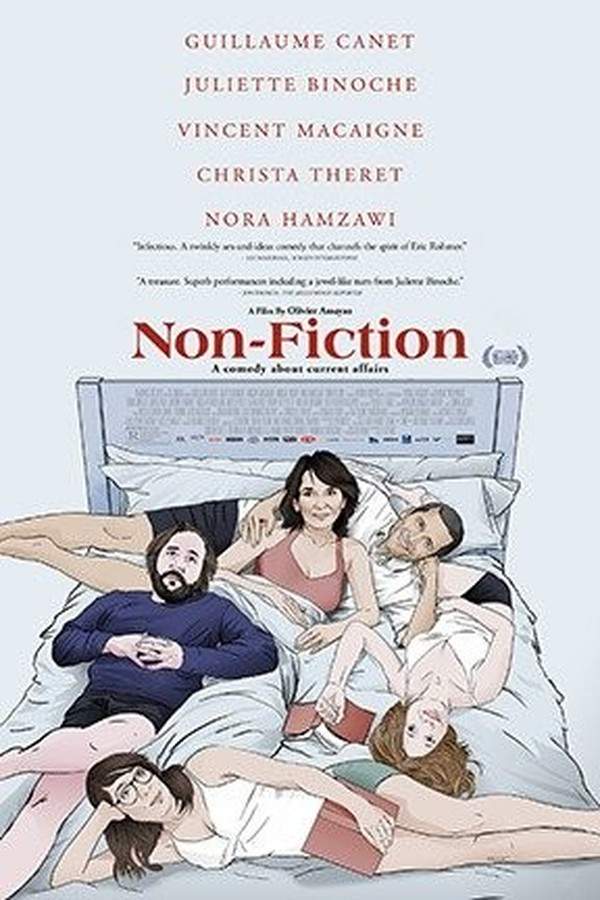
Non-Fiction (2019) Film Overview & Timeline
Dangerous Liaisons (2022) Full Movie Breakdown
Madame Claude (2021) Story Summary & Characters
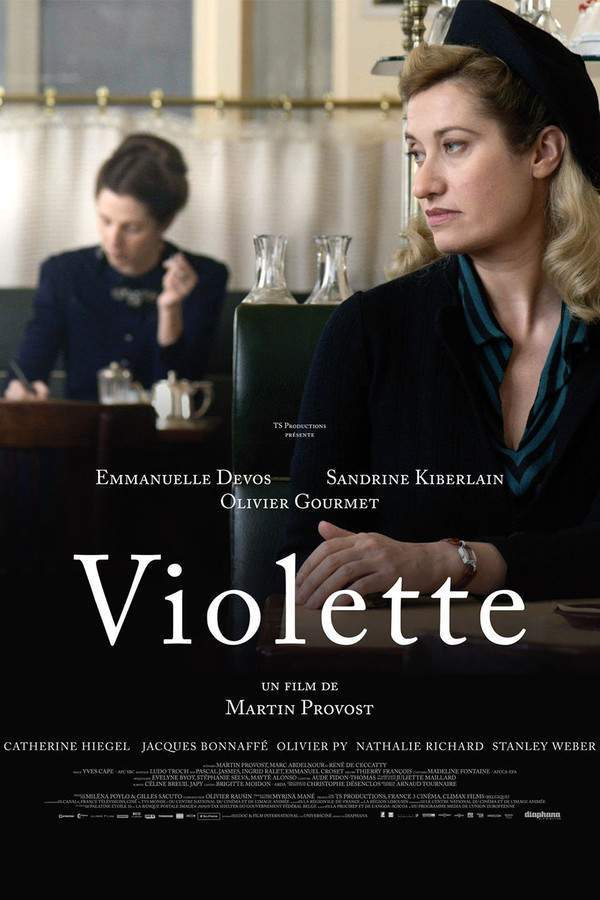
Violette (2014) Plot Summary & Ending Explained
Les Coquillettes (2013) Spoiler-Packed Plot Recap
Curiosa (2021) Full Movie Breakdown
Madame (2018) Movie Recap & Themes
Une manière de vivre (2019) Movie Recap & Themes
Curiosa (2019) Ending Explained & Film Insights
Becoming Colette (1991) Plot Summary & Ending Explained
Camille Claudel (1988) Spoiler-Packed Plot Recap
La Collectionneuse (1967) Plot Summary & Ending Explained
Camille: The Fate of a Coquette (1926) Full Summary & Key Details
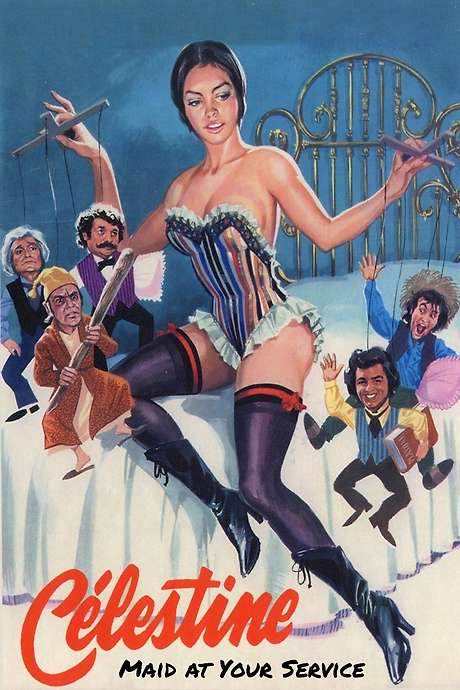
Celestine (1974) Film Overview & Timeline
Camille (1936) Film Overview & Timeline