Plot Explained Spoilers guaranteed!
Plot Explained

Browse by genre

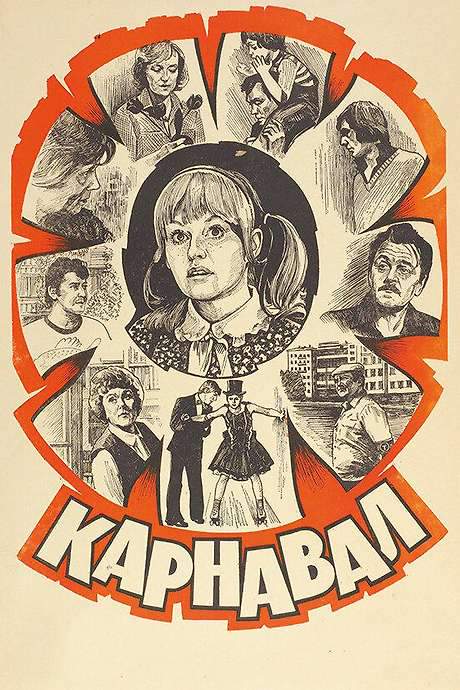
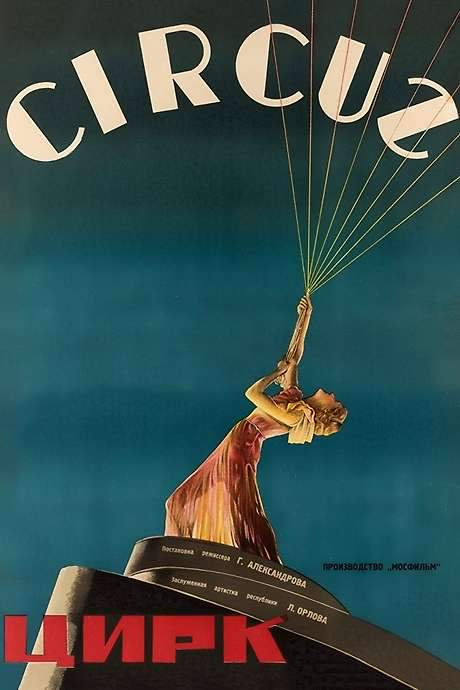
Circus (1936) movie poster

Timeline

Circus (1936) Timeline Explained – Every Event in Order

Release, runtime and language
1936 · 94 mins · Russian
Loading streaming availability…
Directed by
Grigori Aleksandrov
Starring
Aleksandr Komissarov, Emmanuil Geller, Lev Sverdlin, Lev Ivanov, Lyubov Orlova, Sergei Antimonov

When an American circus performer discovers she is the mother of a mixed‑race child, a wave of racism erupts and she becomes the center of a public scandal. Seeking escape, she relocates to the USSR, where she ultimately finds love, happiness and a new sense of refuge.

On this page (6)
  1. 1 Where to watch
  2. 2 Events in order (12)
  3. 3 Timeline questions answered
  4. 4 Movie threads
  5. 5 Movies like Circus
  6. 6 Every angle
Loading streaming availability…

12 events in order · contains spoilers

Circus Timeline: Events in Chronological Order

Every key event of Circus (1936) in order, scene by scene, with when and where it takes place. Use it to untangle flashbacks, time jumps and parallel storylines, to refresh your memory before the sequel or to find the exact scene you are thinking of.

  1. Escape from Lynch Mob

    Marion Dixon flees a lynch mob in a rural American town, clutching her baby as she fights to slip away. The fear of violence and the will to protect her child drive her into the uncertain future.

    When
    early 20th century
    Where
    rural American town
  2. Kneishitz's Exploitation Begins

    Franz von Kneishitz seizes Dixon's vulnerability and coerces her into becoming his lover, using blackmail to keep her under his control. The arrangement binds her to a man who profits from her talent and misery.

    When
    soon after escaping the mob
  3. Flight to Moscow as Guest Performer

    Dixon travels to Moscow to perform as a guest artist, entering a world of prestige and peril far from home. The environment tests her resolve as she navigates new dangers and opportunities.

    When
    early 1900s
    Where
    Moscow
  4. Martynov Brought to Design a New Act

    Ludvig, the Moscow circus director, hires Arctic explorer Ivan Martynov to craft a new act that will outshine Dixon's famous 'Trip to the Moon'. Martynov's presence signals a showdown of talent and ambition.

    When
    early 1900s
    Where
    Moscow Circus
  5. Dixon and Martynov Fall in Love

    Dixon and Martynov develop genuine affection, offering Dixon a glimpse of happiness she thought unattainable. Their growing bond complicates loyalty and stirs Kneishitz's jealousy and rage.

    When
    early 1900s
    Where
    Moscow
  6. Kneishitz's Physical Abuse

    Kneishitz's anger explodes in savage discipline as he beats Dixon with his whip. The cruelty underscores the power he wields over her and the danger she faces.

    When
    after Dixon's romance with Martynov
    Where
    backstage at the Moscow circus
  7. Letter Theft Stirs Chaos

    Kneishitz diverts Dixon's love letter to Skameikin, sowing jealousy and tearing at the fragile web holding the performances together. The circus is plunged into turmoil as loyalties collide.

    When
    mid-arc
    Where
    Moscow
  8. Rayechka Helps Dixon Escape

    Rayechka learns the truth about the lovers and aids Dixon in escaping Kneishitz's grasp. The act of defiance shifts Dixon from victim to survivor planning a future with Martynov.

    When
    mid-arc
    Where
    Moscow
  9. Late Arrival Forces a New Top Act

    Dixon and Martynov arrive late to the circus, forcing Ludvig to attempt the top act of 1903, the 'miracle of technology', to keep the audience engaged. The stakes rise as the show must go on.

    When
    1903
    Where
    Moscow Circus
  10. Trip to the Stratosphere Debuts

    Dixon and Martynov perform their dangerous 'Trip to the Stratosphere' act together, signaling their renewed partnership and defiance of Kneishitz's control. The crowd responds with awe as the romance anchors the spectacle.

    When
    1903
    Where
    Moscow Circus
  11. Kneishitz's Public Humiliation

    Kneishitz interrupts the performance to reveal Dixon's secret and demand Jimmy, but the audience rejects him, laughing at his racially charged tirade. The director Ludvig reframes the moment as a demonstration that race and purity have no place in the Soviet audience.

    When
    climax
    Where
    Moscow Circus
  12. Lullaby and May Day Ending

    A lullaby is sung to Jimmy by representatives of various Soviet ethnicities, uniting the crowd in a message of inclusion. Dixon and Martynov declare their love as Rayechka and Skameikin become engaged, and the film closes with a May Day parade under banners honoring Lenin and Stalin.

    When
    ending scene
    Where
    Moscow / May Day parade

Last updated: October 09, 2025 at 11:11

Was this helpful?

Timeline questions answered

Circus Timeline Explained: Your Questions Answered

When does it happen, and why in that order? The questions people ask about the chronology of Circus (1936): time jumps, flashbacks, cause and effect between scenes and the correct order of events, each answered with spoilers.

Q1

Why does Marion Dixon flee America with her baby?

Marion Dixon is forced to flee America after discovering she is the mother of a mixed-race child. A lynch mob attacks her in a rural American town, and she escapes with her infant son. The father's fate is left unstated but heavily implied to be killed, leaving her alone and in danger.

Foreshadowing: The film opens with this violent racist attack, establishing the oppression Dixon will ultimately escape.

  • lynch mob
  • mixed-race child
  • Marion Dixon
  • escape America
  • racial violence
Q2

Who is Franz von Kneishitz and what is his relationship with Marion?

Franz von Kneishitz is a German theatrical agent with a sinister appearance and fascist demeanor who exploits Marion Dixon's vulnerability after her escape. He coerces her into becoming his lover through blackmail, using her fame for his own ambitions while keeping her trapped through psychological and physical control.

Foreshadowing: His commanding mustache and menacing presence foreshadow his role as the film's primary antagonist.

  • Franz von Kneishitz
  • German agent
  • exploitation
  • coercion
  • blackmail
Q3

Why does Kneishitz steal Marion's letter to Martynov?

Kneishitz intercepts a love letter Marion writes to Ivan Martynov and redirects it to Shurik Skameykin, a circus worker. This malicious act creates jealousy and confusion among the characters, destabilizing the troupe and emotionally isolating Marion further while strengthening Kneishitz's control over her.

Foreshadowing: This betrayal sets up the climactic confrontation where Kneishitz's true nature is finally exposed.

  • love letter
  • theft
  • jealousy
  • manipulation
  • Kneishitz betrayal
Q4

What is the "Trip to the Moon" circus act?

The "Trip to the Moon" is Marion Dixon's famous circus performance, likely an elaborate aerial or stage illusion act that made her famous in America. The Moscow circus director Ludvig wants to create a new spectacular act to surpass this famous performance, eventually leading to the "Trip to the Stratosphere" collaboration between Marion and Martynov.

  • Trip to the Moon
  • circus act
  • aerial performance
  • Marion Dixon famous act
Q5

Why does Rayechka help Marion escape Kneishitz?

Rayechka, the daughter of circus director Ludvig, helps Marion escape after learning the truth about Kneishitz's manipulations. She discovers that Kneishitz stole Marion's letter and orchestrated the jealousy between the characters. Her act of defiance transforms Marion from victim to survivor, allowing her to pursue a future with Martynov.

Foreshadowing: Rayechka's own relationship with Skameykin mirrors Marion's journey toward genuine love versus coercion.

  • Rayechka help escape
  • Lu dvig daughter
  • Kneishitz truth
  • defiance rescue
Q6

What does Kneishitz reveal during the climax performance?

During the "Trip to the Stratosphere" performance, Kneishitz interrupts to reveal Marion's secret: she has a black son. He demands she return to him, launching into a Hitler-like racial tirade. However, the Soviet audience immediately rejects his racism, and director Ludvig declares that the Soviet people do not share Kneishitz's obsession with racial purity.

Foreshadowing: This confrontation represents the culmination of the film's thematic struggle between hatred and acceptance.

  • Kneishitz expose secret
  • racial tirade
  • climax performance
  • audience rejects racism
Q7

Why does the Soviet audience accept Marion and her son after Kneishitz's reveal?

The Soviet audience responds with warmth and acceptance rather than prejudice when Kneishitz reveals Marion has a black son. Director Ludvig publicly proclaims that the Soviet Union does not share racial hatred, and the crowd unites to protect the family. This scene represents the film's central message that the Soviet system embraces diversity.

Foreshadowing: The audience's rejection of racism contrasts directly with the lynch mob that opened the film.

  • Soviet audience acceptance
  • racial tolerance
  • community support
  • Jimmy protection
Q8

What is the significance of the multilingual lullaby at the end?

The ending features representatives of various Soviet ethnicities each singing a lullaby to Jimmy in their own language. This "International Lullaby" symbolizes unity across differences and declares a hopeful message of belonging. The scene also shows a Black American man in a Soviet naval officer's uniform with his white Russian wife, reinforcing the film's celebration of interracial solidarity.

Foreshadowing: This finale fulfills the film's promise that Jimmy will find acceptance where his mother once faced violence.

  • International Lullaby
  • multilingual song
  • unity
  • diversity
  • symbolism Jimmy
Q9

What happens at the May Day parade ending?

The film concludes with Marion and Rayechka marching together in the May Day parade, carrying banners bearing the faces of Lenin and Stalin. Simultaneously, Marion and Martynov declare their love while Rayechka and Skameykin become engaged. This public celebration ties personal redemption to the broader Soviet national narrative.

  • May Day parade
  • Lenin Stalin banners
  • wedding engagement
  • political ending unity
Q10

Why does Martynov not respond to Marion's letter?

Ivan Martynov never receives Marion's love letter because Kneishitz deliberately steals and redirects it. This causes Marion to believe Martynov has rejected her, nearly pushing her back into Kneishitz's grasp. The misunderstanding is only resolved when Rayechka discovers the truth and helps Marion escape.

Foreshadowing: This miscommunication artificially prolongs Marion's suffering before her eventual liberation.

  • Martynov letter not received
  • communication breakdown
  • Kneishitz manipulation
Q11

Why does Kneishitz physically abuse Marion?

Kneishitz beats Marion with a whip after discovering her romantic relationship with Martynov. This brutal punishment demonstrates the physical power he wields over her and underscores the abusive nature of their relationship. The attack occurs backstage at the Moscow circus, highlighting how Kneishitz uses violence to maintain control.

Foreshadowing: This abuse intensifies audience sympathy for Marion and increases anticipation for her eventual liberation.

  • physical abuse
  • whip attack
  • Kneishitz violence
  • backstage assault
Q12

How does the late arrival affect the circus performance?

When Marion and Martynov arrive late for the show, director Ludvig is forced to attempt the 'miracle of technology', the top act of 1903 originally meant for a later date. This risky decision raises the stakes for the performance and sets the stage for the climactic confrontation with Kneishitz.

Foreshadowing: The rushed production creates the chaotic circumstances that allow Kneishitz to interrupt the show.

  • late arrival circus
  • miracle of technology
  • 1903 top act
  • show must go on

Movie threads

More Movies Like Circus, by Mood & Story

Curated lists built around what makes Circus tick: the same mood, the same kind of story or the same emotional payoff. Each list explains why these movies belong together.

Movies about escaping persecution like Circus

Characters flee oppressive societies to build hopeful new lives and find love. If you enjoyed the journey of escape and refuge in Circus, explore these other movies where characters flee oppression. These films, like Circus, often feature hopeful tones, dramatic tension, and stories about building a new life, finding love, and achieving social acceptance in a foreign land.

  • hopeful
  • tense
  • triumphant
  • dramatic
  • romantic
  • uplifting
  • Tone: hopeful, dramatic, romantic
  • Pacing: steady, journey-focused
Why these movies?

The story pattern: The narrative pattern involves a protagonist facing grave social or political danger, leading to a decisive escape to a new environment. The central conflict shifts from external persecution to the internal challenges of adaptation, culminating in the discovery of community, safety, and romantic fulfillment.

Why they belong together: These movies are grouped together because they share a core emotional arc: moving from fear and isolation to hope and belonging. They balance tense, dramatic escapes with uplifting, romantic resolutions, creating a coherent experience of overcoming adversity through relocation.

Movies about artists and scandal like Circus

Public figures navigate intense social backlash and personal crisis. Fans of Circus's story of a performer caught in a public scandal will find similar themes here. These movies focus on the lives of artists, the clash between their public image and private struggles, and the intense social drama that unfolds from betrayal and prejudice.

  • dramatic
  • tense
  • oppressive
  • hopeful
  • melancholic
  • triumphant
  • Tone: dramatic, tense, hopeful
  • Pacing: steady, character-driven
Why these movies?

The story pattern: The narrative focuses on a celebrated artist whose life is upended by a personal revelation that triggers a public scandal. The story delves into the manipulation by antagonists, the loss of public favor, and the protagonist's arduous journey toward reclaiming their life and art on their own terms.

Why they belong together: These films share a specific dramatic structure where artistic talent intersects with social upheaval. They consistently feature medium intensity, a steady pace focused on personal drama, and a mix of oppressive social forces with a ultimately hopeful character journey.

If you liked this

Movies Like Circus

Similar movies to Circus: the same genre, themes or kind of story. Each one comes with its own plot summary, timeline and ending explained.

Browse all movie summaries

Every angle

Circus (1936) Explained: Plot, Timeline & Characters

Everything about Circus in one place: what happens in the plot summary, the timeline in chronological order, the characters and meaning and a spoiler-free summary. What's After the Movie adds the cast, box office and post-credit scenes.

Coming soon on iOS and Android

The Plot Explained Movie Summary App

Plot summaries, endings explained and timelines on your phone. Catch up on any movie in minutes, save your favorites and never miss a twist again.

Be the first to know when we launch. Your email stays private, always.

Learn more about the app