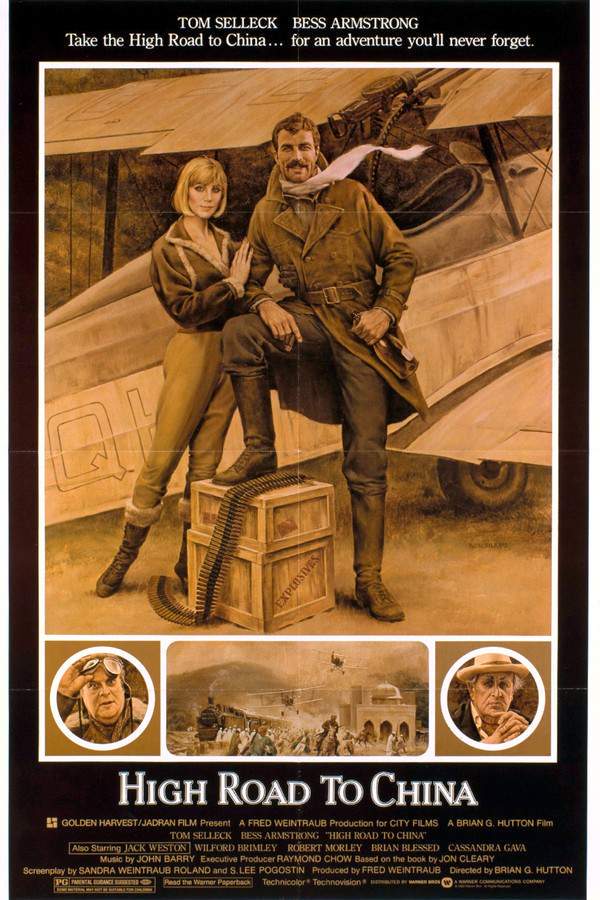
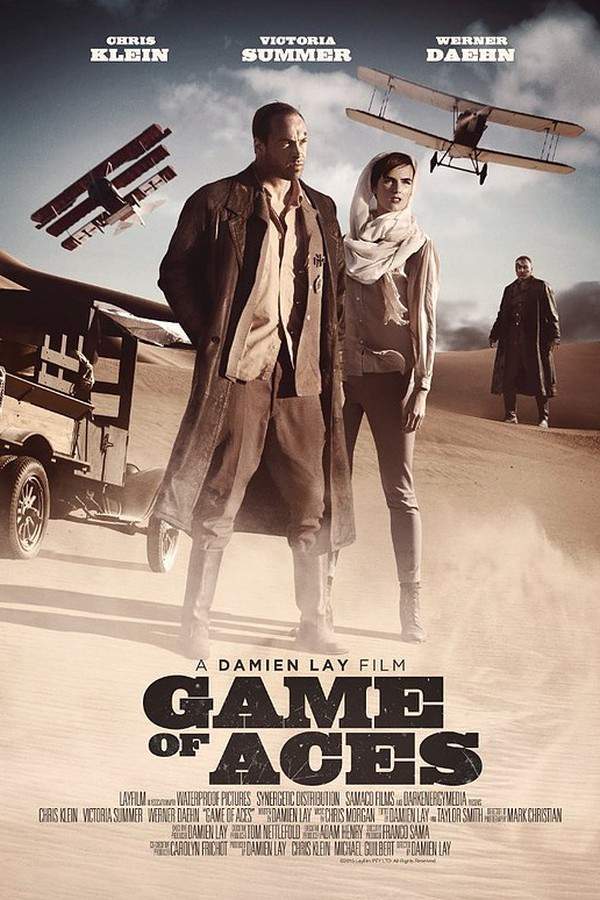
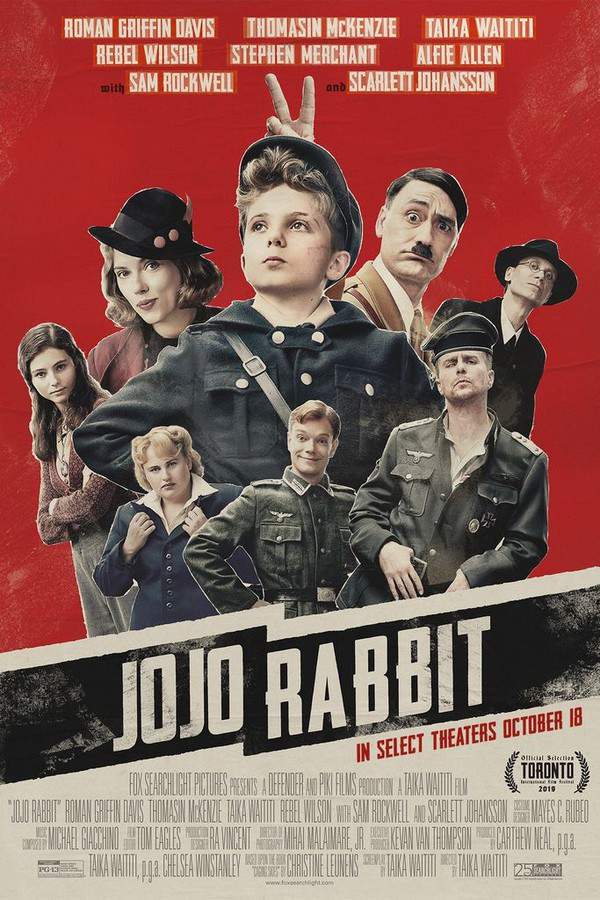
In 1916, during World War I, a German fighter ace Gunther von Beckman and a French ace Jo Cavalier collide high above the trenches, each certain the other will be their rival prisoner. What begins as a sharp, rivalrous exchange quickly spirals into a necessity to survive when artillery bursts split their fates apart. A tense, often comic moment arises as a young Adolf Hitler is teased by a frustrated First Lieutenant, hinting at the oddball mix of danger and farce that threads through the years. The moment is tiny, but it signals how the film blends history with human frailty, and how alliances can form in the most unlikely circumstances.
Fast forward to 1936, and [Jo Cavalier] reunites with his boxing teammates as they travel to Berlin for the Olympic Games. On the moving train, he crosses paths with Simon Rosenblum, the grandson of a formidable Rosenblum figure, and Gaby Delcourt, a sharp, ambitious reporter who is set to interview the dictator-in-wacth. When Simon’s grandfather fails to meet him at the station, Simon asks Jo to escort him to the family’s bookstore. A brisk confrontation with Gestapo agents at the shop forces Jo and the Rosenblums to seek refuge wherever they can, which becomes Jo’s hotel — the very place where Gaby also happens to be staying. As Jo shuffles between duty and attraction, he finds himself drawn to Gaby, even as the family tests his willingness to help them.
The next morning brings a reunion with an old ally: [Gunther von Beckman], now a Luftwaffe general. He persuades Jo to lend his car to the Rosenblums so they can slip toward Austria, while Jo contemplates the delicate balance between loyalty to his team, love for Gaby, and a growing sense of responsibility toward Simon. Yet a catastrophic blunder derails the plan, and the Rosenblums are captured again; only Simon escapes to call Gaby and tell Jo what happened. Jo’s resolve hardens: he will retrieve Simon, no matter the personal cost.
What follows is a tense flight through forests and police stations, a roadside chase, and a sudden, almost absurd turn of fate. The group is driven into a forest camp where a big, gentle bear—affectionately named Beethoven—enters the scene, adding a touch of whimsy to an otherwise perilous pursuit. Eventually, the Rosenblums are once more relegated to custody, but Jo’s steadfast refusal to abandon them pushes the story toward a dramatic crossroads. It is in these moments that the film steadies its tone: it blends caper-like misadventure with a father's devotion and a son’s oath.
When Gunther arrives to secure Jo’s help, the rescue plan grows more desperate. Jo refuses to abandon the Rosenblums and even uses Gunther as a bargaining chip, taking him hostage at a critical juncture as they hurtle toward the Austrian border. They push forward through a maze of mistaken identities and escalating tension, with the line between friend and foe increasingly blurred. The story then takes a surreal turn as they accidentally find themselves at the Berghof, Adolf Hitler’s residence, under the watchful eye of Angela Hitler, a complication introduced by the same versatile performer who plays the two Hitler-related roles. Their misplacement is a turning point: Jo sees Hitler in his personal office while the group improvises a plan to escape.
The strategy becomes a bold impersonation and a daring car raid. Jo dons an officer’s uniform he procures, and he outlines a daring scheme: steal Hitler’s personal car to outrun the pursuing forces, while Gunther creates a diversion by orchestrating a separate incident with Angela. The ensuing chase is chaos and comedy in equal measure, a high-stakes sprint that threads together past and present, history and legend. In the end, a dramatic collision of egos and destinies unfolds: Hitler’s car careens into a duck pond, and Jo, Gaby, Simon, and the Rosenblums slip away toward Austria, with Beethoven reappearing as a quiet symbol of the unpredictable, often gentle, interruptions that history sometimes needs.
The finale ties the fragments of the journey into a hopeful, if chaotic, escape toward safety, along with a sly wink about the real-world events that followed not long after. The film laces a story of wartime camaraderie with a lightness of touch, mixing action, romance, and humor as Jo faces impossible odds—yet refuses to abandon the people who trusted him. Along the way, the ensemble cast—Simon Rosenblum, Lazare Rosenblum, Gaby Delcourt, and others—gives the tale its emotional center, while the shadows of history loom in the corners of a Berlin that never quite stops being a stage for resilience, wit, and improbable heroism.
- The adventure is anchored by the steadfast courage of Jo Cavalier, whose personal loyalties clash with the clash of empires, and by the Rosenblum family, whose bond proves stronger than fear.
- The film blends the grit of war with the warmth of family, the spark of romance, and the sly humor that arises when people are pressed to improvise in extraordinary circumstances.
- Across two eras, the narrative invites viewers to reflect on duty, memory, and the ways in which ordinary people respond when history suddenly places them at its mercy.