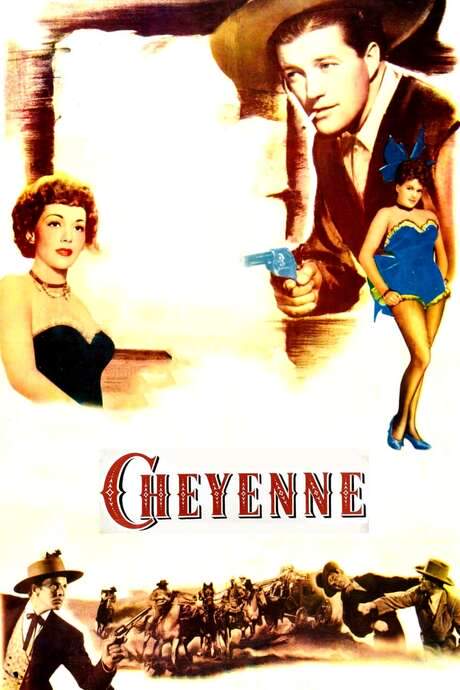
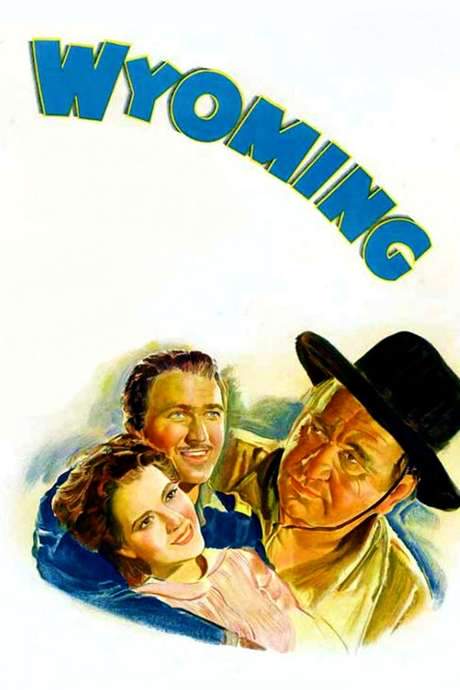
Jim Wylie Dennis Morgan is a gambler in Laramie, Wyoming Territory who sits under the cloud of Nevada warrants and the possibility of a fresh start. A Wells Fargo agent offers him a deal: help track down a notorious stagecoach raider known as “The Poet” and all pending charges will be dropped, with the added perk of a cash reward if the job proves successful. The risk is high, and the line between lawman and outlaw blurs as Jim weighs a potentially clean slate against the dangers that lie ahead.
His journey toward Cheyenne becomes unexpectedly crowded when a stagecoach carries two women: Ann Kincaid Jane Wyman and Emily Carson Janis Paige. The trip turns perilous when their coach is ambushed by The Sundance Kid Arthur Kennedy and his gang. In a cruel twist of fate, Sundance’s crew storms the strongbox, only to discover a mocking poem left by The Poet, a taunting reminder that the real prize might be more elusive than anyone anticipated.
To get close to the raiders, Jim adopts the ruse of The Poet himself, slipping into the outlaw circle that terrorizes the territory. This deception is fraught with personal peril because Ann is secretly married to the very outlaw whom Jim pretends to impersonate. The true Poet is Ed Landers Bruce Bennett, a trusted Wells Fargo employee who vows to pull one last job and then whisk Ann away to San Francisco, escaping justice with the funds and a new life.
The tension intensifies as Sundance finds his schemes continually outpaced by The Poet’s cunning, and three of Sundance’s men fall in the crossfire of the cat-and-mouse game. The fallout reveals a deeper layer of betrayal: Ann’s alliance with Jim is not merely professional—she sees a way to outsmart both her husband and the law, even as she navigates the uneasy loyalties between lovers, family, and the promise of a safer future.
As Jim grows closer to the truth about Landers, a crucial clue surfaces: a distinct perfume on Landers belongs to Emily, a scent that confirms Ann’s suspicions about her husband’s true plans and the danger that threatens her. The revelation strains every relationship in Cheyenne as trust fractures and motives come into clearer focus. In the ensuing confrontation, Landers is fatally shot by Jim during a tense moment that shifts the balance of power and loyalty.
With the immediate threat neutralized but the reward still on the line, Jim discovers that reclaiming The Poet’s stolen money is essential to sealing any victory—without it, there can be no payout and no absolution. The stakes rise even higher as Ann, deciding to take control of her fate, stages a parting gesture from the moving stage: she tosses Jim two sacks of money, money that could secure a future away from the law and away from the past.
In the end, Jim’s course is clear. He rides hard to catch up with Ann, propelled by the wind of opportunity and the bittersweet realization that justice, love, and survival in the frontier rarely come without compromise. The tale leaves a lasting impression of the fraught lines between obedience and improvisation, justice and mercy, all set against a rugged landscape where every new alliance can be as precarious as the next holdup.
Beneath the dust and the dust-ups, the story explores how deception can be a tool for survival, how loyalty can blur when survival hinges on who you trust, and how a gamble on freedom can pay off in unexpected ways. The film weaves together action, danger, and a web of intimate motives, creating a tapestry of moral ambiguity that lingers long after the final ride into the sunset.