





Plot Explained Spoilers guaranteed!
Plot Explained

Browse by genre

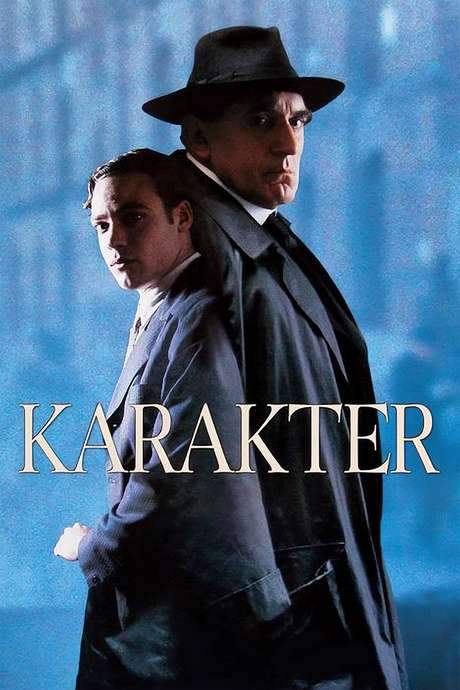
Character (1997) movie poster

Characters & Themes

Character (1997) Characters, Setting & Themes Explained

Release, runtime and language
1997 · 122 mins · Dutch
Directed by
Mike van Diem
Starring
Jan Decleir, Betty Schuurman, Tamar van den Dop, Janusz Chabior, Fedja van Huêt, Mark Rietman

In the Netherlands before World War II, the impoverished, illegitimate son of a powerful bailiff aspires to become a lawyer, confronting his father's constant scorn and relentless spite as he spends his life battling to earn his father's respect and prove his own worth.

On this page (8)
  1. 1 Where to watch
  2. 2 Characters explained (3)
  3. 3 Where & when it takes place
  4. 4 Themes & meaning (4)
  5. 5 Character & meaning questions
  6. 6 Movie threads
  7. 7 Movies like Character
  8. 8 Every angle

Where to watch

Where to Watch Character (1997)

Where can you watch Character? Stream, rent or buy it in the US, including on Amazon Video, Apple TV Store and Fandango At Home: current JustWatch availability with up-to-date prices.

Streaming availability powered by JustWatch

3 main characters · contains spoilers

Character Characters Explained: Who Is Who

The main characters of Character (1997), heroes and villains: what drives them, how they change over the course of the story and what each of them reveals about the film's bigger ideas.

  • Dreverhaven (Jan Decleir)

    A feared bailiff and domineering father figure who uses wealth, power, and intimidation to control those around him. His relentless pushback against his son shapes Katadreuffe’s entire life, and his final act (or the circumstances around it) reframes their feud as a question of legitimacy and legacy.

    • 🧭 Power
    • ⚖️ Authority
    • 🗡️ Control
  • Katadreuffe (Fedja van Huêt)

    An ambitious, self-made young lawyer who climbs from poverty through wit and sheer determination. His education is largely autodidactic—reading an incomplete encyclopedia and teaching himself English—allowing him to outpace rivals and win his bar exam. His lifelong struggle with his father fuels a complex mix of resentment and resilience.

    • 🎯 Ambition
    • 📚 Education
    • 💪 Resilience
  • Joba (Betty Schuurman)

    A taciturn mother who raises Katadreuffe after having a fraught past with Dreverhaven. Her quiet strength and distance from the world of the bailiff help shape her son’s independence and stubborn resolve. She repeatedly rejects offers of money or marriage, preserving dignity while bearing hardship.

    • 🧭 Independence
    • 🌫️ Silence
    • 👪 Motherhood

Last updated: October 04, 2025 at 18:42

Was this helpful?

Setting

Where and When Does Character Take Place?

The setting of Character (1997): the year and time period, the places and locations, and how they shape the characters, the mood and the tension of the story.

Time period

1930s

The events take place in the interwar period, a time of economic strain and social stratification in the Netherlands. Debt, work, and ambition shape daily life as traditional hierarchies are challenged. The narrative's timing lets power and law intersect with personal history, turning personal vendettas into public affairs.

Location

Rotterdam, Netherlands

In 1930s Rotterdam, a busy port city that blends wealth and hardship, the story unfolds amid offices, courthouses and docks. The urban landscape mirrors the climb and clashes of its characters, from the elite's privilege to the poverty that fuels their ambition. The film uses the city as a pressure cooker where personal scores become public matters.

  • 🏙️ City life
  • ⚖️ Law and debt
  • 💰 Class divide

Last updated: October 04, 2025 at 18:42

Was this helpful?

4 major themes

Character Meaning: Themes & Message Explained

What is Character (1997) really about? The emotional, social and philosophical themes the film keeps returning to, its symbolism and the message beneath the surface.

  • Power

    Dreverhaven uses his position to control and intimidate Katadreuffe, illustrating how power can shape a life and pin a person to a rigid social order. The film examines how authority is exercised through debt, law, and status. Katadreuffe’s ascent occurs within this coercive framework, challenging the balance of influence between father and son. The ending twist—wealth left to the son—reframes power as contingent on recognition and legitimacy.

  • Fatherhood

    The relationship between Dreverhaven and Katadreuffe sits at the story’s core, exploring what counts as fatherly care: protection, control, or mere blood relation. Dreverhaven’s initial refusal to acknowledge his son creates a lifelong hostility and a question of belonging. The revelation of Dreverhaven as the father—and the will, signed as 'Vader'—complicates notions of paternity. The film uses this dynamic to probe forgiveness, duty, and the price of absence.

  • Education

    Katadreuffe learns the law by self-teaching, turning a lack of formal schooling into an asset. His English-language encyclopedia becomes a window to opportunity, showing intellect as a path out of poverty. The contrast between autodidactic learning and conventional education drives his rise within a harsh system. This theme highlights persistence, ingenuity, and the selective nature of merit.

  • Justice

    The investigation gradually uncovers that Dreverhaven’s death is suicide rather than murder, blurring lines between justice and personal history. The will’s reveal—leaving wealth to Katadreuffe—redefines who truly benefits from law and legacy. The legal process serves as both obstacle and instrument in the son’s ascent. The film uses these twists to question what justice means when personal grievances shape public records.

Last updated: October 04, 2025 at 18:42

Was this helpful?

Character & theme questions

Character Characters & Meaning: Your Questions Answered

The questions people ask about Character (1997): who the characters really are, their relationships, what the symbols mean, where it takes place and what the movie is really about. Each answer contains spoilers.

Q1

Where does the story take place?

The film is set in Rotterdam during the 1930s, a bustling port city marked by stark class divisions. This urban environment serves as a pressure cooker where personal conflicts become public matters, reflecting the social stratification of the era. The setting of Character grounds the struggle between wealth and poverty in a tangible, historical reality.

Foreshadowing: The city's contrasting environments of wealth and hardship mirror the protagonist's climb.

  • rotterdam
  • setting
  • 1930s
  • class divide
  • location
Q2

What historical period does the movie depict?

The narrative unfolds in the interwar period of the 1930s, a time of economic strain and rigid social hierarchies in the Netherlands. This context shapes the characters' lives, where debt and ambition intersect with traditional power structures. The timeline in Character allows the story to explore how law and personal history collide during a time of societal tension.

Foreshadowing: Economic strain and social stratification set the stage for the conflict over debt and work.

  • 1930s
  • interwar period
  • netherlands
  • history
  • era
Q3

Who is Dreverhaven in the story?

Dreverhaven is a feared bailiff and the domineering father figure who uses his wealth and position to control those around him. His relentless opposition to his son defines the central conflict, turning their personal feud into a public battle of legitimacy. In Character, he represents the coercive power of the established elite against the aspiring outsider.

Foreshadowing: His use of position to control and intimidate foreshadows the lifelong hostility faced by his son.

  • dreverhaven
  • father
  • bailiff
  • antagonist
  • power
Q4

Who is Katadreuffe and what drives him?

Katadreuffe is the illegitimate son of Dreverhaven who aspires to become a lawyer despite his poverty and lack of formal schooling. Driven by a need to prove his worth and earn his father's respect, he relies on self-education and sheer determination to climb the social ladder. His journey in Character illustrates the resilience required to challenge a rigid social order.

Foreshadowing: His early aspiration to become a lawyer sets the path for his battle to earn respect.

  • katadreuffe
  • son
  • lawyer
  • ambition
  • protagonist
Q5

What is Joba's role in the narrative?

Joba is the taciturn mother who raises Katadreuffe independently after a fraught past with Dreverhaven. Her quiet strength and refusal to accept money or marriage preserve her dignity while shaping her son's stubborn resolve. In Character, she represents an alternative source of stability amidst the father's hostility.

Foreshadowing: Her repeated rejection of money or marriage preserves the dignity that shapes her son's independence.

  • joba
  • mother
  • independence
  • dignity
  • relationship
Q6

How does the movie explore power dynamics?

The film examines how authority is exercised through debt, law, and status, with Dreverhaven using his position to intimidate his son. Katadreuffe's ascent challenges this coercive framework, questioning the balance of influence between father and son. Character uses these dynamics to show how power can shape a life and pin a person to a rigid social order.

Foreshadowing: The intersection of power and law with personal history turns vendettas into public affairs.

  • power
  • authority
  • debt
  • law
  • status
  • control
Q7

What does the film say about fatherhood?

The relationship at the core of the story explores what counts as fatherly care, contrasting protection with control and mere blood relation. Dreverhaven's refusal to acknowledge his son creates a lifelong hostility that complicates notions of paternity and belonging. Character probes the price of absence and the complex duty tied to biological legacy.

Foreshadowing: The will signed as 'Vader' complicates notions of paternity and legitimacy at the end.

  • fatherhood
  • paternity
  • legacy
  • relationship
  • family
Q8

How is education portrayed in the story?

Katadreuffe learns the law through self-teaching, using an incomplete English-language encyclopedia as a window to opportunity. This autodidactic path highlights intellect as a means to escape poverty, contrasting with conventional education systems. In Character, persistence and ingenuity are shown as selective forms of merit within a harsh system.

Foreshadowing: The English-language encyclopedia becomes a window to opportunity for the self-taught protagonist.

  • education
  • self-teaching
  • encyclopedia
  • intellect
  • merit
Q9

What is the movie's stance on justice?

The narrative blurs lines between justice and personal history, revealing that a death is suicide rather than murder through gradual investigation. The legal process serves as both obstacle and instrument in the son's ascent, questioning what justice means when personal grievances shape public records. Character suggests that true benefit from law and legacy is often redefined by hidden truths.

Foreshadowing: The investigation gradually uncovers that the death is suicide rather than murder.

  • justice
  • law
  • suicide
  • murder
  • investigation
  • legacy
Q10

Why is the class divide important to the plot?

The urban landscape of Rotterdam mirrors the clashes between the elite's privilege and the poverty that fuels ambition. This divide creates the pressure cooker where personal scores become public matters, driving the conflict between the bailiff and his son. The class structure in Character is essential to understanding the stakes of the protagonist's climb.

Foreshadowing: The blend of wealth and hardship in the city mirrors the climb and clashes of its characters.

  • class divide
  • poverty
  • wealth
  • elite
  • social order
Q11

What does the title refer to in the context of the story?

The title alludes to the Dutch word 'Karakter,' which implies both moral character and legal identity or status. It reflects the protagonist's struggle to establish his own worth and legitimacy against his father's definition of him. In Character, the name underscores the dual battle for personal integrity and social recognition.

Foreshadowing: The struggle to prove worth and legitimacy frames the entire narrative arc.

  • title
  • meaning
  • karakter
  • identity
  • integrity
  • status
Q12

What is the emotional tone of the film?

The movie carries a melancholic tone established by the protagonist's lonely journey and the grim setting of the 1930s. Pacing is slow and methodical, focusing on character development and the accumulation of grievances rather than rapid twists. The emotional weight in Character is heavy, dealing with lifelong emotional abuse and a bittersweet resolution.

Foreshadowing: The grim setting and pervasive sadness of the fractured relationship establish the mood early.

  • tone
  • melancholic
  • mood
  • pacing
  • emotional weight
  • bittersweet

Movie threads

More Movies Like Character, by Mood & Story

Curated lists built around what makes Character tick: the same mood, the same kind of story or the same emotional payoff. Each list explains why these movies belong together.

Movies about lifelong parent conflicts like Character

Stories of protagonists battling a toxic parental figure across decades. If you liked the intense father-son feud in Character, explore more movies about lifelong struggles against oppressive parents. These dramas and family sagas feature protagonists whose entire lives are defined by a battle for respect and identity against a powerful, scornful parental force.

  • oppressive
  • driven
  • somber
  • tense
  • melancholic
  • familial strife
  • Tone: melancholic, tense, grim
  • Pacing: slow, character-driven
Why these movies?

The story pattern: The narrative typically spans a significant portion of the protagonist's life, charting their persistent, often solitary, struggle against a parent who embodies rejection and scorn. The conflict is the central engine of the plot, driving the protagonist's ambitions and personal failures, with resolutions that are often ambivalent or bittersweet, rarely offering clean victories.

Why they belong together: Movies are grouped here based on their deep exploration of a specific, enduring familial conflict. They share a heavy emotional weight, a melancholic or tense tone, and a focus on how parental rejection fuels a character's entire life trajectory.

Slow burn melancholic period dramas like Character

Deliberate, somber historical tales focused on personal hardship. Fans of the grim, pre-war atmosphere and slow, sorrowful pace of Character will appreciate these melancholic period dramas. These films use historical settings to explore intimate stories of struggle, class, and personal hardship with a heavy, deliberate tone.

  • melancholic
  • somber
  • gritty
  • austere
  • atmospheric
  • historical
  • Tone: melancholic, somber, gritty
  • Pacing: slow, deliberate, atmospheric
Why these movies?

The story pattern: Stories in this thread unfold methodically, often over an extended timeframe. They prioritize mood and character development over complex plotting, immersing the viewer in a somber world where social constraints and personal demons lead to a bittersweet or deeply felt conclusion.

Why they belong together: These movies share a specific combination of a historical setting, a slow, contemplative pacing, and a consistently melancholic or somber tone. The experience is defined by a gritty, atmospheric immersion into a character's hard-fought journey.

If you liked this

Movies Like Character

Similar movies to Character: the same genre, themes or kind of story. Each one comes with its own plot summary, timeline and ending explained.

Browse all movie summaries

Every angle

Character (1997) Explained: Plot, Timeline & Characters

Everything about Character in one place: what happens in the plot summary, the timeline in chronological order, the characters and meaning and a spoiler-free summary. What's After the Movie adds the cast, box office and post-credit scenes.

Coming soon on iOS and Android

The Plot Explained Movie Summary App

Plot summaries, endings explained and timelines on your phone. Catch up on any movie in minutes, save your favorites and never miss a twist again.

Be the first to know when we launch. Your email stays private, always.

Learn more about the app