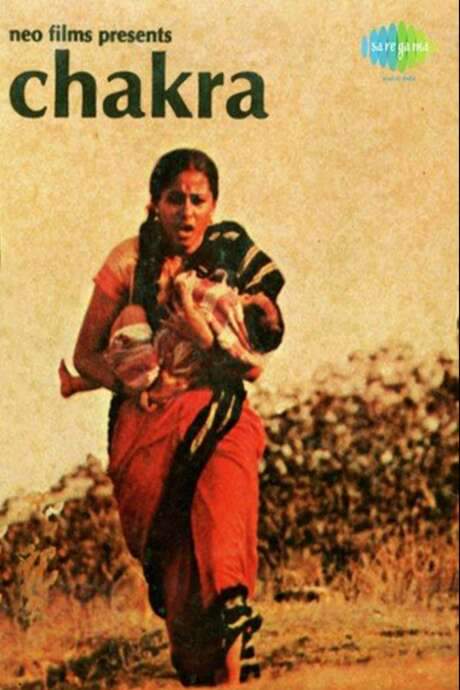
In the teeming sprawl of Bombay, life unspools in cramped shanties and bustling avenues, where every day feels like a negotiation with survival. The city’s relentless energy is both a promise of anonymity and a reminder of how quickly hope can be swallowed by the noise of countless strangers. Here, the texture of existence is woven from the dust of forgotten villages and the steel of a metropolis that never pauses, casting a stark backdrop for stories of displacement and endurance.
Amma arrives in this maelstrom carrying the weight of unspeakable trauma and the fragile promise of a new beginning. After a violent rupture in her rural community and the loss of her husband, she finds herself alone, tasked with raising her child amidst a world that seems to reward moral compromise at every turn. Her determination to instill honesty and decency becomes a quiet rebellion against a landscape that constantly tests the limits of compassion.
Her son, still young enough to absorb the world through unfiltered eyes, becomes the focal point of Amma's resolve. She watches him navigate the shadows of the streets, aware that every lesson she offers is fragile against the grinding pressures of the slum. In the midst of this, a reluctant ally appears—a dubious figure named Lukka, whose presence offers both a precarious support and a constant reminder of the thin line between survival and surrender. Their uneasy partnership underscores the complexity of relying on those who live on the city’s fringe.
The film breathes with a raw, unvarnished tone, capturing the cyclical nature of struggle and the stubborn flicker of hope that persists despite it all. It paints a portrait of a mother’s fierce love, a child's tentative steps toward adulthood, and the uneasy alliances forged in the shadows of a metropolis that both shelters and threatens. The story lingers on the delicate balance between despair and resilience, inviting viewers to feel the pulse of a world where every breath is an act of quiet defiance.