Plot Explained Spoilers guaranteed!
Plot Explained

Browse by genre

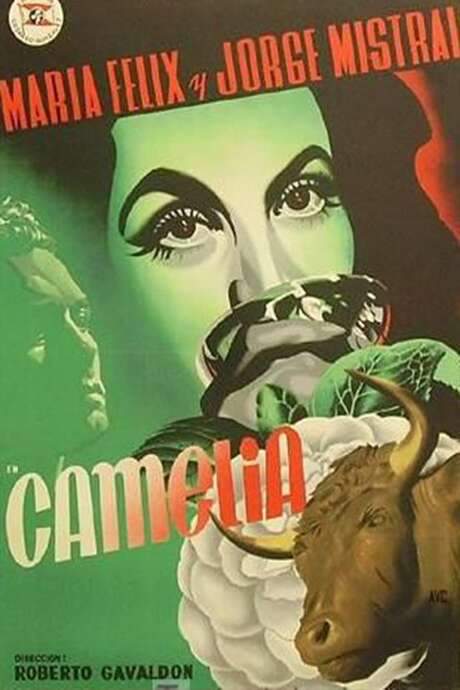
Camelia (1954) movie poster

Plot Summary

Camelia (1954) Plot Summary Explained

Release, runtime and language
1954 · 110 mins · Spanish
Directed by
Roberto Gavaldón
Starring
José Chávez, Álvaro Matute, Ramón Gay, María Félix, Cecilia Leger, Fernando Casanova

A Mexican melodrama that reimagines Alexandre Dumas fils’ novel The Lady of the Camellias, presenting a meta‑riff on the classic story. It follows the tragic romance between a celebrated bullfighter and a beautiful, frail actress‑courtesan, whose love is doomed by her illness and societal constraints.

On this page (5)
  1. 1 What happens: full plot
  2. 2 Plot questions answered
  3. 3 Movie threads
  4. 4 Movies like Camelia
  5. 5 Every angle

Full plot summary · contains spoilers

What Happens in Camelia: Full Plot Summary

The whole story of Camelia (1954) explained, from the opening scene to the final frame: every key event, every twist and what it all adds up to. Read it as a quick recap before the sequel, to check a scene you missed, or to finally understand what really happened.

During a bullfight, Rafael Torres, the celebrated bullfighter, offers a bull to the famous Mexican actress Camelia. The moment ends in tragedy as Rafael is wounded, and the spectacle closes in a heavy hush, leaving the crowd to ponder the fragility of fame and fate.

While he recovers, he attends the theater where Camelia performs La Dame aux Camélias, alongside Armando. In the heat of the show, Rafael deliberately drops the crutches he leans on to draw her attention, but Camelia remains cool and distant, treating the moment as a nuisance rather than a spark. The encounter marks the beginning of a complicated, dangerous attraction that neither can easily deny.

Rafael soon learns that Camelia is sick, a grave illness described as terminal cancer. To see her through the hardest days, he persuades Dr. Del Real to entrust him with morphine that the actress needs, a step that binds their fates even more tightly together. Camelia, for her part, also feels a growing pull toward this ardent suitor, a mixture of tenderness and peril that unsettles her.

She invites him to a party where passion takes over: Rafael kisses her and confronts the man who shares her life. Camelia follows Rafael to his car, where he declares his love in earnest, and she opens up about the depths of her past as well as her present vulnerability. The bond deepens as they share a kiss and a fragile hope for a future together, even as the world around them insists on keeping them apart.

Yet jealousy soon rears its head. Now a lover, Rafael grows wary of the men who circle Camelia and the life of a courtesan she continues to lead; feeling the weight of his own insecurities, he decides to leave and writes a farewell letter that casts a pall over their fragile happiness. Camelia, visibly wounded by abandonment and her illness, begins to falter on stage and sets out to find Rafael, only to discover him on a train, where a new chapter of their saga unfolds.

In the Santín ranch, their paths cross again and are observed by Armando and Nancy, a jealous friend of Camelia who adds another layer of tension to the intertwined lives. Nancy arrives with morphine and news of a possible cure for cancer, fueling Camelia’s resolve to return to her former life and unsettling Rafael’s schemed plans for a settled future together. The revelation unsettles Camelia and reignites old aspirations, driving a wedge between her and Rafael as he watches her drift away.

Meanwhile, Enrique, Rafael’s brother, recognizes Camelia as his former lover and is drawn into the drama with quiet melancholy. He drinks heavily and tries to coerce Camelia to leave Rafael, presenting a serenade as part of his manipulation. Camelia resists merely out of stubbornness and longing, continuing to oscillate between fidelity and the lure of a freer life, until she finally accepts Enrique’s proposal and leaves behind a single letter for Rafael.

Time passes. A gravely ill Camelia goes to Plaza México to see the victorious Rafael, who responds with irony and a complicated gesture—he offers her a bull, a symbolic nod to their earlier moment of fate and the world they inhabit. Almost blind, Camelia accepts a dinner invitation, and the painful reunion culminates in a kiss and Rafael’s stark act of throwing money in her face, a cruel reminder of the social chasm that separates them.

Camelia returns to the stage, once again performing La Dame aux Camélias, while in a cabaret a weary Rafael sits with Nancy. He receives a message from Del Real and hurries to the theater, drawn by a last, fragile thread of hope. In the final act, Rafael witnesses Camelia’s fragile health on stage and, as the curtain falls, she dies in his arms, leaving both of them to reckon with the costs of love, illness, and the cruelty of a world that never fully grants a second chance.
Last updated: October 09, 2025 at 11:17

Was this helpful?

Plot questions answered

Camelia Plot Explained: Your Questions Answered

The questions people ask most about Camelia (1954): what happens in the confusing scenes, why the characters do what they do, the twists, hidden details and what the ending means. Each answer contains spoilers.

Q1

Why does Rafael offer a bull to Camelia during the bullfight?

Rafael, a celebrated bullfighter, offers a bull to Camelia as a grand romantic gesture that demonstrates his admiration for her. This symbolic gift establishes the unique bond between the famous bullfighter and the renowned actress. However, the moment turns tragic when Rafael is gored by the bull during the fight, setting in motion the events that bring them closer together during his recovery.

  • bullfight
  • rafael
  • camelia
  • romantic gesture
  • injury
Q2

Why does Camelia ignore Rafael when he drops his crutches?

When Rafael intentionally drops his crutches during Camelia's performance of La Dame aux Camélias to draw her attention, she remains cool and distant, treating the moment as a nuisance rather than a romantic spark. This initial rejection highlights Camelia's guarded nature and the complexity of her feelings, as she is both drawn to Rafael yet wary of becoming vulnerable given her terminal illness and life as a courtesan.

  • theater
  • crutches
  • rejection
  • camelia
  • rafael
Q3

Why does Rafael arrange to get morphine for Camelia?

After learning that Camelia is terminally ill with cancer, Rafael persuades Dr. Del Real to entrust him with the morphine she needs to manage her pain. This desperate act demonstrates the depth of his commitment to her, showing that he is willing to bend rules and cross boundaries to help her through her final days, even though she has not fully reciprocated his advances.

  • morphine
  • cancer
  • dr del real
  • rafael
  • terminal illness
Q4

Why does Rafael abandon Camelia after their first kiss?

Despite sharing an intimate kiss and confession of love, Rafael becomes consumed by jealousy over the men who surround Camelia and the life of a courtesan she continues to lead. Feeling insecure about his place in her life and unable to accept her past, he decides to leave her and writes a farewell letter, abandoning her at her most vulnerable moment when she needs him most.

  • jealousy
  • abandonment
  • farewell letter
  • courtesan
  • rafael
Q5

Why does Camelia decide to leave with Enrique?

When Enrique, Rafael's brother, drunkenly serenades Camelia and convinces her to leave Rafael, she agrees partly out of stubbornness and a lingering desire for a different life. Additionally, Nancy arrives with news of a supposed cancer cure and morphine, fueling Camelia's aspirations to return to her former life. Her decision represents a moment of weakness and confusion, driven by illness, longing, and the emotional turmoil between the brothers.

Foreshadowing: Enrique's serenade echoes earlier romantic declarations, but this time the gesture leads to betrayal rather than love.

  • enrique
  • rafael brother
  • serenade
  • leaving
  • camelia
Q6

Why does Rafael throw money in Camelia's face during dinner?

When the nearly blind Camelia invites Rafael to dinner, he kisses her but then cruelly throws money in her face. This stark act is a brutal reminder of the social and economic chasm that separates them, the world of a wealthy bullfighter versus that of a courtesan. It reflects his bitterness and the pain of their doomed relationship, serving as a harsh reality check that love cannot overcome societal boundaries.

  • money
  • dinner
  • humiliation
  • social class
  • cruelty
Q7

What does Rafael's bull gesture at Plaza México mean?

When the gravely ill Camelia visits Plaza México to see Rafael's victory, he responds with an ironic gesture, he offers her a bull, a symbolic echo of their first encounter in the bullring. This nod to their original meeting represents the cyclical nature of their fate and the world of passion and danger they both inhabit. It is both a romantic callback and a bitter acknowledgment of how little has changed despite their suffering.

  • plaza mexico
  • bull
  • victory
  • symbolic
  • echo
Q8

Why does Camelia repeatedly perform La Dame aux Camélias?

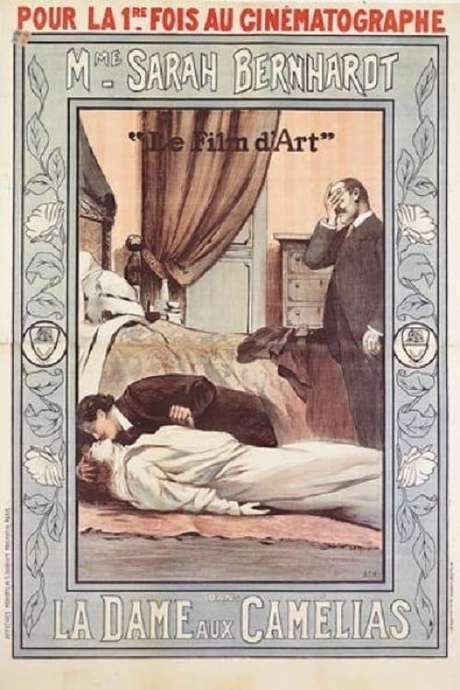
The film features Camelia performing La Dame aux Camélias multiple times throughout the narrative, creating a meta-layer where her own tragic story mirrors the classic tale she performs on stage. This repetition emphasizes the tragic arc they share, a love story doomed by illness and societal constraints, and reinforces the film's commentary on fate and artistic sacrifice.

  • la dame aux camelias
  • performance
  • meta
  • mirroring
  • alexandre dumas fils
Q9

Why does Camelia search for Rafael on the train?

After Rafael abandons her with a farewell letter, the already ill Camelia's performance deteriorates on stage. Driven by desperation and longing, she sets out to find Rafael, eventually locating him on a moving train. This pursuit represents her final attempt at connection before her condition worsens, showing her refusal to accept the separation despite her fading health.

  • train
  • pursuit
  • search
  • abandonment
  • camelia
Q10

How does Camelia die at the end of the film?

Camelia returns to the stage to perform La Dame aux Méllias one final time. While Rafael sits in a cabaret with Nancy, Dr. Del Real sends him a message. Rafael rushes to the theater where he finds Camelia in her fragile state. As the curtain falls on her performance, she dies in his arms, their doomed romance reaching its tragic conclusion in the very place their connection first began.

  • death
  • theater
  • final performance
  • tragic ending
  • camelia
Q11

What role does Nancy play in Camelia's decision to leave?

Nancy, a friend of Camelia, arrives at the Santín ranch with morphine and news of a supposed cancer cure. This revelation fuels Camelia's hope and reignites her desire to return to her former life, leading her to abandon Rafael's plans for a settled future together. Nancy's presence also adds another layer of tension, as she is later shown sitting with Rafael at the cabaret, suggesting complex loyalties.

  • nancy
  • morphine
  • cancer cure
  • hopeful
  • leaving rafael
Q12

Why does Enrique recognize Camelia as his former lover?

At the Santín ranch, Enrique, Rafael's brother, recognizes Camelia as someone he knew before. This revelation adds another layer of complexity to the romantic triangle, as Enrique becomes drawn into the drama with quiet melancholy. His recognition creates additional tension and explains his intense reaction when he tries to convince Camelia to leave Rafael.

  • enrique
  • former lover
  • recognition
  • brother
  • rafael

Movie threads

More Movies Like Camelia, by Mood & Story

Curated lists built around what makes Camelia tick: the same mood, the same kind of story or the same emotional payoff. Each list explains why these movies belong together.

Movies like Camelia: Tragic Love Stories

Love stories destined for heartbreak, shadowed by illness and societal dictates. If the doomed romance of Camelia resonated with you, explore other movies like it. This collection features passionate, melancholic love stories where characters fight against insurmountable odds like terminal illness or societal constraints, leading to a profoundly sad and emotionally heavy conclusion.

  • tragic
  • melancholic
  • passionate
  • doomed
  • yearning
  • somber
  • Tone: melancholic, tragic, passionate
  • Pacing: steady, deliberate
Why these movies?

The story pattern: Stories in this thread typically follow a clear, tragic arc: two lovers meet and form a deep connection, but their happiness is precarious, threatened by an external, unstoppable force. The narrative builds steadily toward an inevitable, sorrowful conclusion, often marked by sacrifice and death, leaving a lasting sense of melancholic beauty.

Why they belong together: These films are grouped by their shared core of a fated, tragic romance. They create a similar emotional experience through high intensity, heavy emotional weight, a melancholic tone, and a somber, yearning mood. The narrative pattern of a love doomed by illness or society is a strong unifying element.

Movies like Camelia about Performers and Their Double Lives

Stories where public performance hides a private, crumbling reality. If you were fascinated by the theme of performance and hidden fragility in Camelia, discover similar films. These stories often feature actors, singers, or bullfighters navigating the dissonance between their public fame and private despair, illness, or tragic fate, creating a melancholic and intense viewing experience.

  • somber
  • melancholic
  • tragic
  • introspective
  • yearning
  • fragile
  • Tone: melancholic, somber, introspective
  • Pacing: steady, character-driven
Why these movies?

The story pattern: The narrative pattern focuses on a character living a dual existence. Their public life is one of success, adoration, and performance, while their private life is marked by isolation, physical or mental decline, and a sense of doom. The story often culminates in the collapse of this facade, revealing the fragile human beneath the celebrated image.

Why they belong together: These movies share a specific character archetype and a central theme of duality. They are united by a melancholic mood, a focus on the vulnerability behind fame, and a steady pacing that allows for deep character study. The experience is one of poignant reflection on identity and sacrifice.

If you liked this

Movies Like Camelia

Similar movies to Camelia: the same genre, themes or kind of story. Each one comes with its own plot summary, timeline and ending explained.

Browse all movie summaries

Every angle

Camelia (1954) Explained: Plot, Timeline & Characters

Everything about Camelia in one place: what happens in the plot summary, the timeline in chronological order, the characters and meaning and a spoiler-free summary. What's After the Movie adds the cast, box office and post-credit scenes.

Coming soon on iOS and Android

The Plot Explained Movie Summary App

Plot summaries, endings explained and timelines on your phone. Catch up on any movie in minutes, save your favorites and never miss a twist again.

Be the first to know when we launch. Your email stays private, always.

Learn more about the app